

Caring for a senior pet is less about dramatic interventions and more about quiet, consistent awareness. Aging does not happen all at once. It unfolds in small physical, emotional, and behavioral shifts that are easy to miss if you only look for obvious problems. Daily quality of life checks help bridge that gap. They give pet owners a way to notice subtle changes early, respond with compassion, and adjust care before discomfort turns into distress.
These checks are not meant to replace veterinary care or turn daily life into a medical routine. Instead, they are short, intuitive observations that fit naturally into normal interactions like feeding, walking, grooming, and resting together. Over time, they create a clear picture of how your senior pet is truly doing, not just whether they are still eating or getting up in the morning.
Why Daily Checks Matter More in Senior Years
 As pets age, their ability to compensate quietly increases. Dogs and cats are experts at masking discomfort. In the wild, showing weakness is risky, and that instinct remains strong even in loving homes. By the time pain or illness becomes obvious, it has often been present for a while.
Daily quality of life checks shift the focus from crisis response to gentle monitoring. Instead of asking, “Is something wrong?” you begin asking, “Is this still comfortable for them?” That change in perspective is powerful.
It helps owners support dignity, reduce suffering, and make informed decisions rooted in observation rather than guilt or guesswork.
Movement and Mobility
One of the first areas to check each day is how your pet moves. You do not need to perform tests or exercises. Simply observe normal activities.
Notice how they stand up from rest. Do they hesitate before rising? Do they shift their weight or need a second attempt? Watch how they walk across the room or yard. Is their gait smooth, or do they appear stiff, uneven, or cautious? For dogs, pay attention to stairs, curbs, and getting into cars. For cats, note their willingness to jump, climb, or use vertical spaces.
Changes in mobility are often gradual. A pet may still be mobile but less confident. That loss of ease matters. Early recognition allows for simple adjustments like softer bedding, ramps, non-slip mats, or veterinary evaluation for joint support.
Appetite and Eating Experience
Eating is not just about calories. It is also about comfort, enjoyment, and routine. Check whether your pet approaches meals with the same interest as before. Do they hesitate before eating? Do they leave food unfinished or take longer than usual? Observe chewing, especially in senior pets. Dropping food, chewing on one side, or pausing mid-meal can signal dental discomfort or oral pain.
Also consider posture during meals. Does your pet stand differently while eating? Do they sit down unexpectedly or step away to rest before returning? These small clues can reflect joint pain, nausea, or fatigue. Hydration matters too. Make sure water intake remains steady and that drinking appears comfortable. Sudden increases or decreases in drinking should always be noted.
Elimination Habits
 Bathroom routines offer some of the clearest daily insights into internal health. For dogs, notice changes in how long they take to squat, whether they strain, or if they seem reluctant to go outside. Accidents indoors, especially in a previously house-trained senior dog, often reflect physical or cognitive changes rather than behavioral issues.
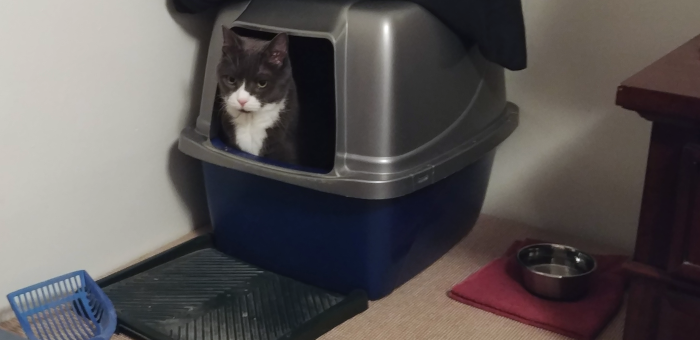
For cats, monitor litter box use closely. Look for changes in frequency, posture, or location. Avoidance of the litter box can signal pain when stepping in or out, discomfort while squatting, or urinary issues. Stool consistency, color, and frequency are also important. Occasional variation happens, but ongoing changes deserve attention. These observations help identify digestive changes, dehydration, or underlying illness early.
Energy Levels and Engagement
Senior pets naturally slow down, but quality of life is about more than activity level. Ask yourself whether your pet still shows interest in the world around them. Do they greet you when you come home? Do they respond to familiar sounds, routines, or favorite activities? Engagement does not have to look like youthful excitement. A gentle tail wag, a slow walk toward you, or choosing to rest nearby all count.
Sudden withdrawal, prolonged sleeping beyond normal patterns, or loss of interest in previously enjoyed activities may signal pain, anxiety, or cognitive changes. These shifts are easy to dismiss as “just old age,” but they often reflect something more specific.
Comfort at Rest
Rest is where discomfort often reveals itself. Observe how your pet lies down and gets comfortable. Do they circle excessively before settling? Do they change positions frequently or avoid lying on certain sides? Watch for signs of restlessness, such as frequent shifting, sighing, or difficulty relaxing.
Sleep quality matters too. Notice whether your pet sleeps peacefully or seems unsettled at night. Vocalizing, pacing, or confusion after dark can be signs of pain or cognitive decline. Even small changes in sleep patterns are worth noting over time.
Grooming and Coat Condition
 A pet’s coat offers clues about both physical comfort and overall health. Check whether your pet continues normal grooming behaviors. Cats that stop grooming certain areas may be experiencing pain or stiffness. Dogs that resist brushing or handling may be more sensitive than before.
Look for changes in coat texture, shine, or thickness. Dull fur, excessive shedding, or new mats can reflect nutritional changes, hormonal shifts, or reduced mobility. Also watch for skin changes such as dryness, redness, or sores, especially in areas where pressure occurs during rest.
Facial Expression and Body Language
Pain and discomfort often show up in subtle changes to expression and posture. Notice your pet’s eyes. Do they appear bright and relaxed, or squinted and tense? Watch ear position, tail carriage, and general posture. A pet that holds their body tightly, tucks their tail, or keeps their head lowered may be signaling discomfort.
Pay attention to how they respond to touch. A formerly affectionate pet that pulls away or flinches may be experiencing pain. Conversely, increased clinginess can also signal insecurity or discomfort.
Breathing and Physical Ease
Breathing should be smooth and unlabored at rest. Check your pet’s breathing while they are calm. Is it steady, or does it seem shallow, rapid, or strained? Occasional panting can be normal, especially in dogs, but persistent changes at rest are not.
Also note tolerance for mild activity. Does your pet recover quickly after walking across the room or yard, or do they seem winded? These observations help identify heart, lung, or metabolic changes early.
Cognitive Awareness and Routine Recognition
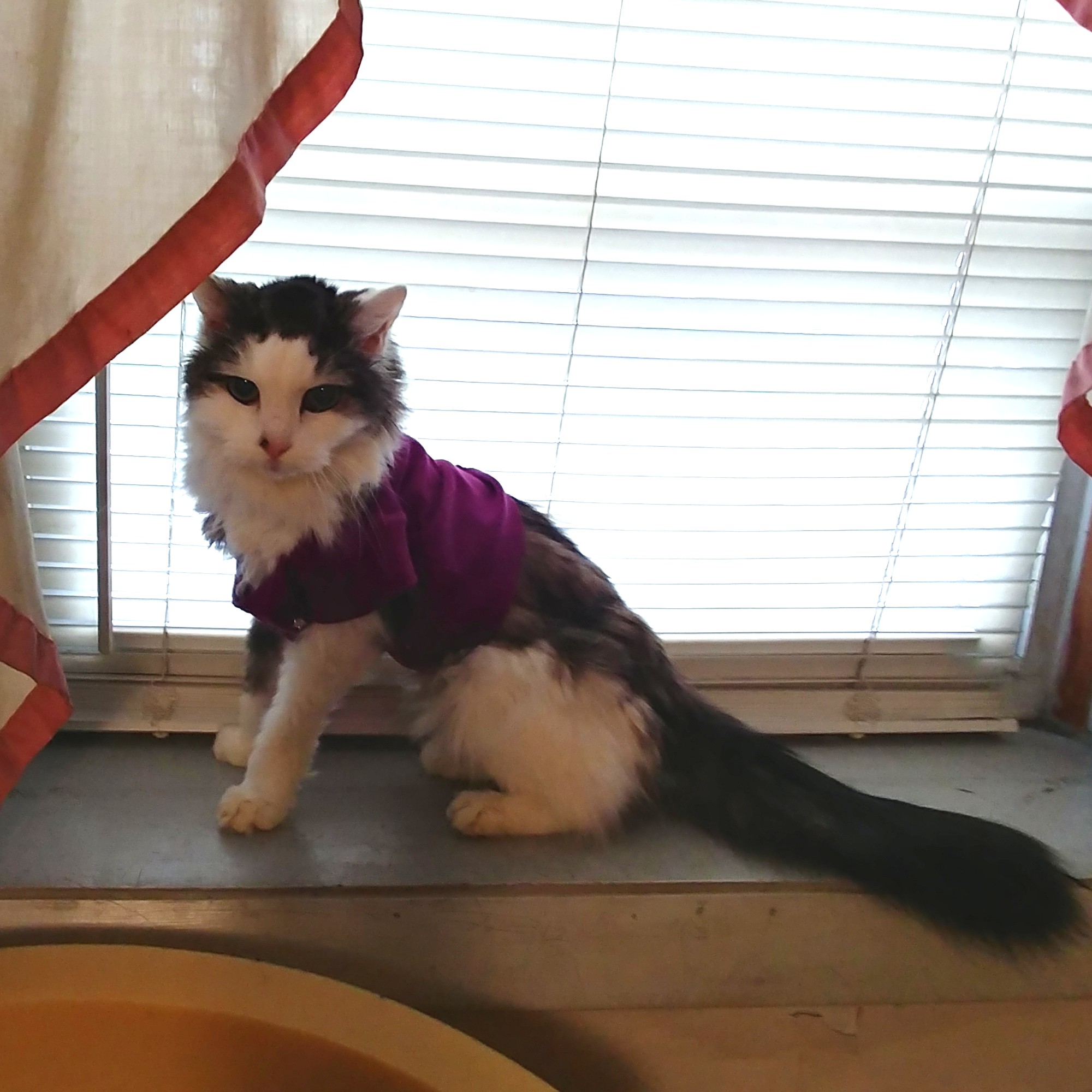 Cognitive health plays a major role in quality of life. Notice whether your pet recognizes familiar routines, people, and environments. Confusion, disorientation, or getting stuck in corners can signal cognitive decline. Reversed sleep cycles, nighttime restlessness, or changes in social behavior are also important clues.
These changes are not a failure on your pet’s part. They are medical and neurological shifts that deserve understanding and support. Early recognition allows for environmental adjustments that reduce anxiety and improve comfort.
Emotional Wellbeing and Stress Signals
Quality of life includes emotional comfort. Check whether your pet seems relaxed in their environment. Are they easily startled? Do they show signs of anxiety during routine events? Increased vocalization, pacing, or withdrawal can indicate stress.
Senior pets often become more sensitive to noise, changes in routine, or separation. Supporting emotional wellbeing may involve predictable schedules, gentle reassurance, and quieter spaces for rest.
Keeping Track Without Obsessing
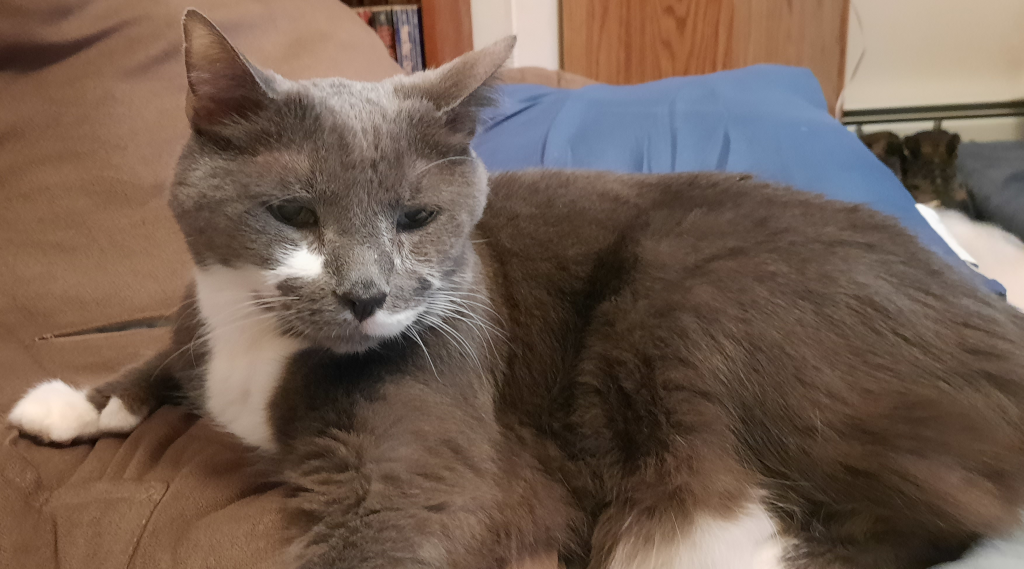 Daily checks work best when they are light and consistent, not rigid or overwhelming. You do not need to record every detail every day. Instead, develop a general sense of what is normal for your pet now, not what was normal years ago. When something feels different, make a note. Patterns matter more than single observations.
Sharing these notes with your veterinarian provides valuable context and helps guide care decisions with clarity rather than urgency.
Compassion as the Core Measure
Ultimately, daily quality of life checks are about empathy. They remind us to see the world through our pet’s experience rather than our expectations. Senior pets may move slower, sleep more, and need additional support, but their lives remain rich with connection, comfort, and meaning. By paying attention to small details each day, pet owners honor that stage of life with respect and care.
Quality of life is not measured by age or ability alone. It is measured by comfort, engagement, and the quiet reassurance that someone is paying attention.