
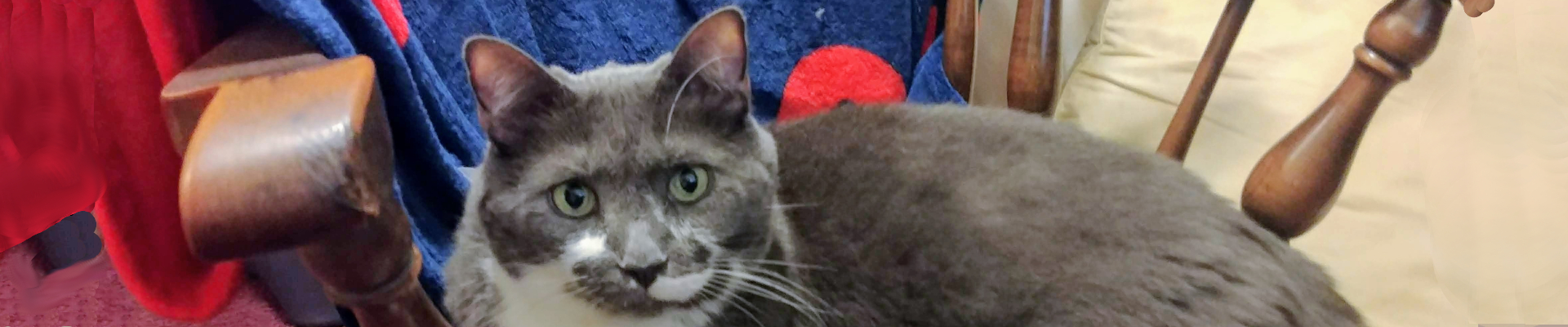
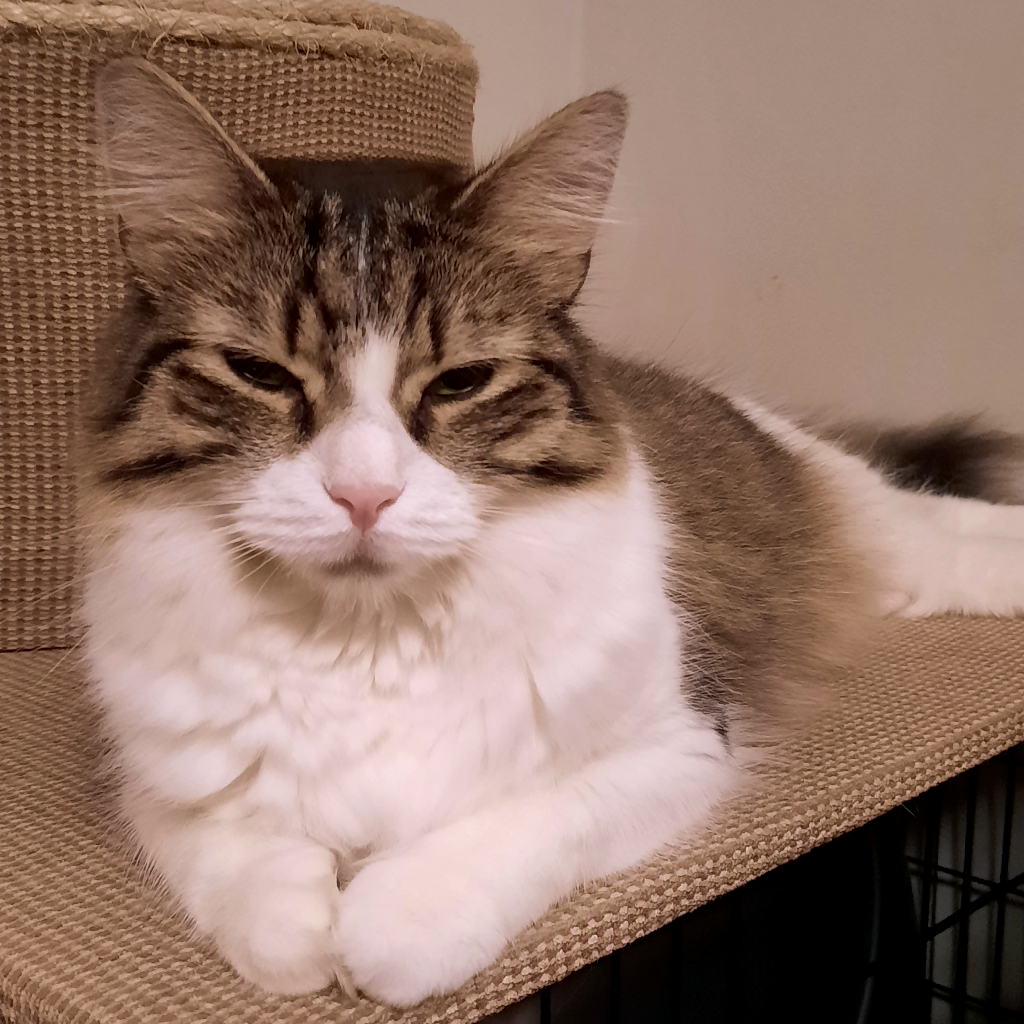
Cats are masters of concealment. Their quiet movements, subtle expressions, and self-sufficient reputation often make them seem unaffected by discomfort. Yet this talent for hiding vulnerability can work against them as they age. Chronic pain is common in older cats, but it frequently goes unnoticed for months or even years because the signs are not dramatic or obvious. Instead of limping or crying out, cats change in ways that are easy to dismiss as normal aging or personality shifts.
Understanding how cats hide pain is one of the most important responsibilities of caring for a senior feline. Chronic pain does not always announce itself loudly. It whispers through behavior, routine, posture, and habits. When those whispers are missed, cats continue to live with unnecessary discomfort that quietly erodes their quality of life.
Why Cats Hide Pain So Well
Cats evolved as both predators and prey. In the wild, showing weakness could attract danger or cause them to lose territory. This instinct persists even in the safety of a loving home. A cat in pain may feel vulnerable and will instinctively mask that vulnerability.
Unlike dogs, who often seek reassurance when something hurts, cats tend to withdraw or normalize discomfort by altering their behavior. They adapt instead of protest. Over time, these adaptations can look like natural slowing down or personality changes, when in reality they are coping strategies for ongoing pain.
Chronic pain also differs from sudden injury. A sprain or acute illness may cause obvious distress, but arthritis, dental disease, spinal degeneration, or internal inflammation develops gradually. Cats adjust step by step, making the decline harder to notice unless someone is watching closely.
Subtle Changes in Movement and Mobility
 One of the most overlooked signs of chronic pain is how a cat moves through space. Senior cats may stop jumping onto counters or window perches they once loved. Instead of leaping, they may climb using intermediate surfaces or avoid high places entirely.
Stiffness after resting is another quiet indicator. A cat may hesitate before standing, stretch longer than usual, or walk slowly for the first few steps. These movements often improve after warming up, which can make them easy to ignore.
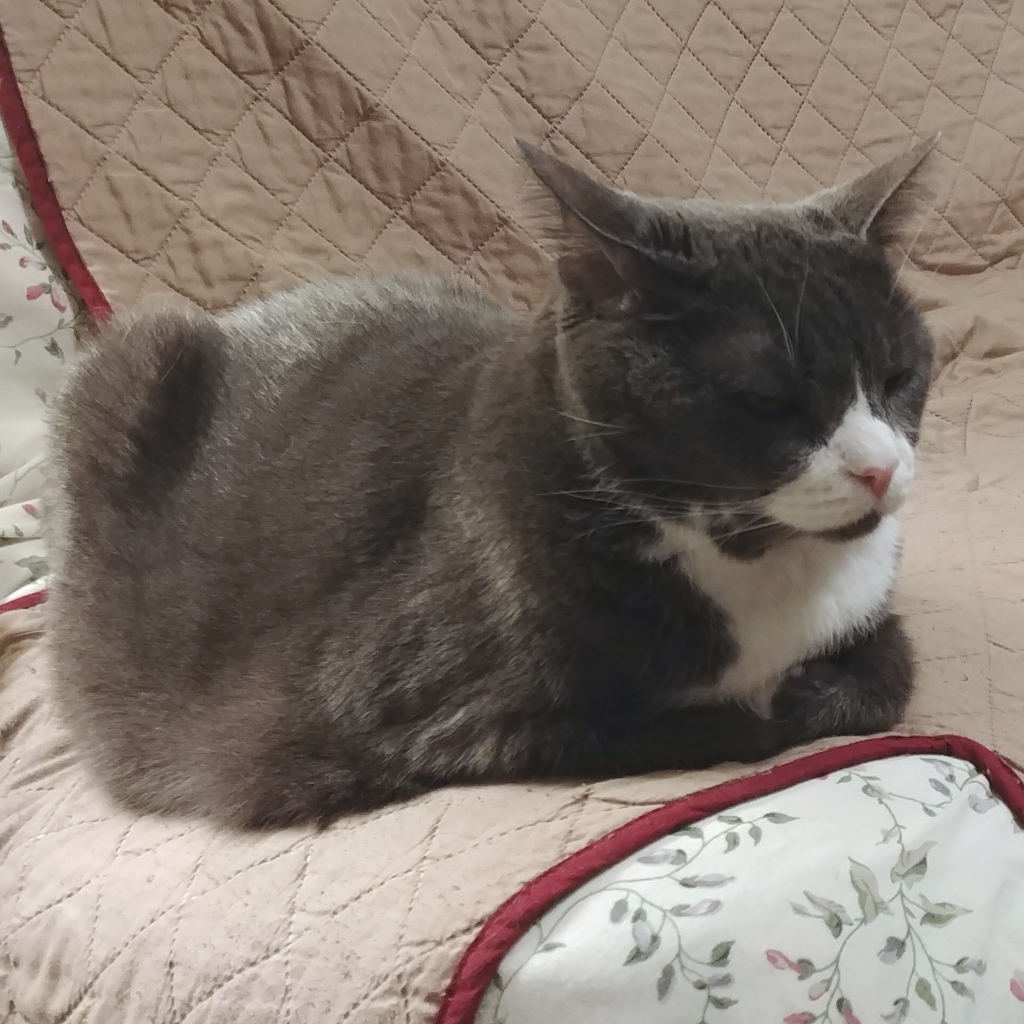
Cats in pain may also change how they sit or lie down. They might loaf more tightly, tuck their legs in close, or favor one side. Subtle limping can come and go, especially in cases of arthritis, and may only appear after play or exertion.
Grooming Changes That Tell a Story
Cats are known for meticulous grooming, but pain can interfere with that routine in unexpected ways. A painful joint or spine can make it difficult to twist, bend, or reach certain areas.
Overgrooming is one possibility. Some cats lick a painful area excessively as a coping mechanism, which can lead to thinning fur or bald patches. This is often mistaken for anxiety or skin issues when pain is the underlying cause.
Under-grooming is equally telling. A cat may stop grooming its back, hips, or belly, resulting in a dull coat, mats, or dandruff. These changes happen slowly and are often chalked up to aging rather than discomfort.
Changes in Litter Box Habits
Litter box behavior is one of the clearest but most misunderstood indicators of pain. A cat with joint pain may struggle to step into a high-sided box or balance comfortably while squatting.
Instead of signaling pain directly, the cat may begin eliminating just outside the box or choose softer surfaces like rugs or bedding. This is frequently misinterpreted as a behavioral problem or spite, when it is actually an accessibility issue.
Some cats may urinate more frequently or hold urine longer because getting into position is uncomfortable. Others may vocalize briefly while using the box, a sign that pain is present but fleeting.
Appetite and Eating Pattern Shifts
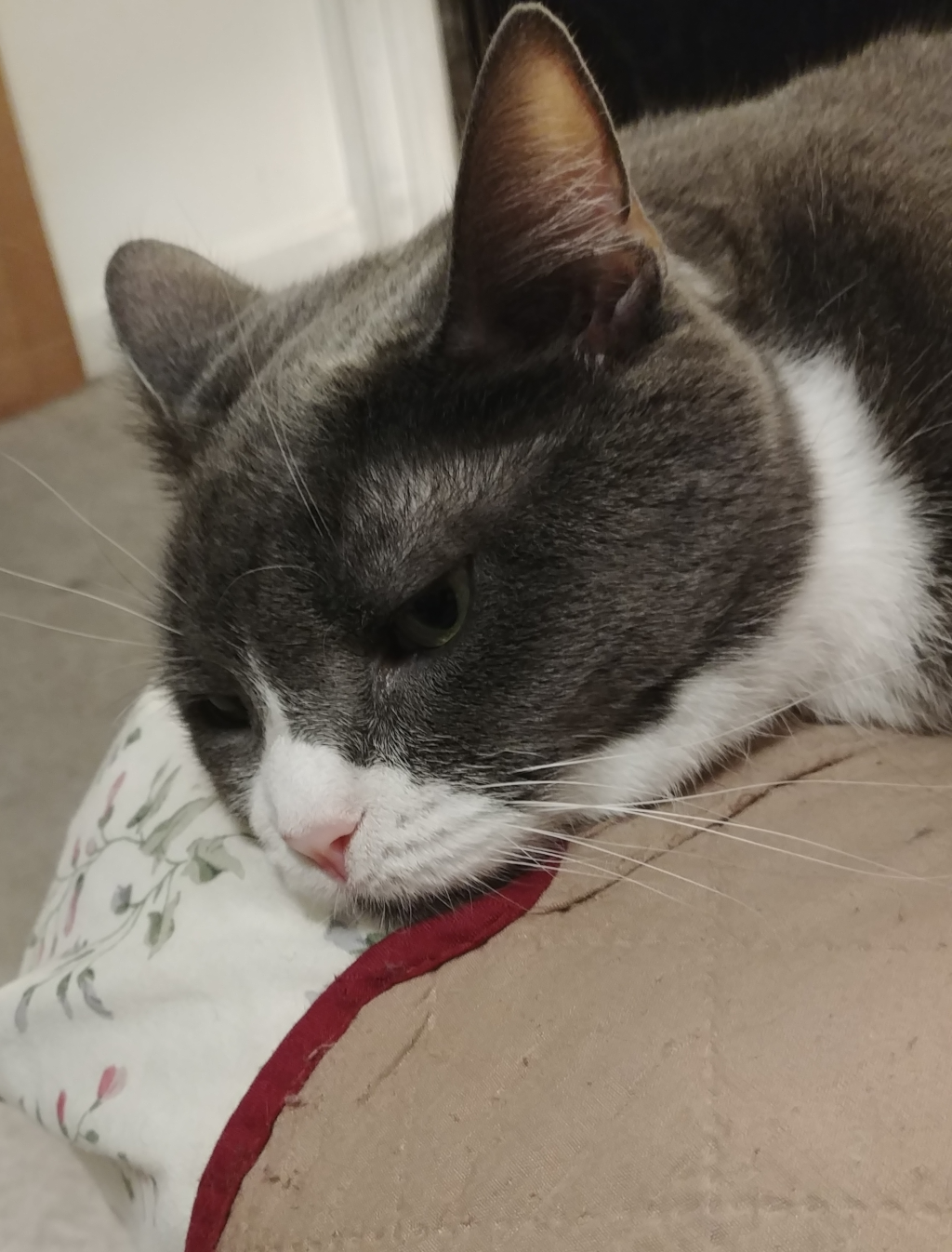 Chronic pain affects appetite in ways that are not always obvious. A cat may continue eating but do so more slowly, leave food unfinished, or prefer softer textures. Dental pain, jaw arthritis, or neck discomfort can make chewing unpleasant even if hunger remains.
Weight loss can occur gradually as pain reduces appetite or makes eating tiring. Conversely, some cats gain weight because reduced mobility leads to fewer calories burned, which can worsen joint stress and create a feedback loop of pain.
Changes in food enthusiasm are especially important to note. A cat that once ran to the bowl but now approaches hesitantly may be signaling discomfort rather than pickiness.
Personality Shifts and Social Withdrawal
Pain changes how cats interact with the world. A formerly affectionate cat may become withdrawn, avoid being touched, or hide more often. This is not rejection but self-protection.
Irritability is another common sign. Cats in pain may hiss, swat, or growl when handled in certain ways, especially if touched near sore areas. These reactions are often labeled as aggression without recognizing the underlying cause.
Some cats become unusually quiet. Others vocalize more at night, when distractions are fewer and pain is harder to ignore. These vocalizations may sound like confusion or anxiety but are frequently linked to discomfort.
Sleep Pattern Changes
Senior cats sleep a lot, but pain alters sleep quality. A cat may change sleeping locations, choosing warmer or more cushioned spots to soothe sore joints. Frequent repositioning during rest can indicate discomfort.
Restlessness at night is another subtle clue. Cats may pace, vocalize, or struggle to settle. This is sometimes attributed to cognitive aging, but pain should always be considered as a contributing factor.
Breathing, Posture, and Facial Expression
 Pain can show itself in posture and breathing. A cat may hunch slightly, keep its head lowered, or hold its tail close to the body. Shallow breathing or a tense abdomen can also indicate discomfort.
Facial expressions, while subtle, are revealing. Squinted eyes, flattened ears, or a tightened mouth can signal pain. These signs are fleeting and easy to miss, but they matter.
Veterinary professionals often use feline pain scales that assess these micro-expressions. Pet owners can benefit from learning to recognize them as well.
Common Causes of Chronic Pain in Senior Cats
Arthritis is one of the most widespread sources of chronic pain in older cats, even though it is underdiagnosed. Dental disease, kidney disease, gastrointestinal inflammation, and spinal issues are also frequent contributors.
Past injuries may resurface as chronic pain years later. Obesity increases strain on joints, while muscle loss reduces support and stability. Pain rarely exists in isolation; it often overlaps with other age-related conditions.
Why Early Recognition Matters
Chronic pain does more than cause discomfort. It reduces mobility, affects digestion, weakens the immune system, and diminishes emotional well-being. Over time, untreated pain can accelerate physical decline and shorten a cat’s healthy years.
Modern veterinary medicine offers many options for pain management, from medications to supplements, environmental modifications, and physical therapies. These interventions are most effective when pain is identified early.
Cats do not need to live silently through discomfort. With attentive observation and proactive care, their later years can be comfortable, active, and rich with quality moments.
Becoming a Better Observer for Your Cat
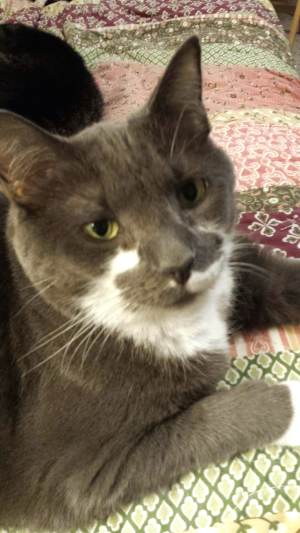 Living with a cat means learning its normal rhythms. Small changes are meaningful because cats are creatures of habit. When something shifts, there is always a reason, even if it is not immediately visible.
Keeping a mental or written baseline of your cat’s habits can help. Notice how they move, eat, groom, sleep, and interact. Compare today’s behavior to months ago, not just yesterday.
Chronic pain hides in the ordinary. The more familiar you are with your cat’s version of normal, the easier it becomes to spot the quiet signs asking for help.
A Final Thought on Silent Suffering
Cats rarely complain. Their strength lies in endurance, but that does not mean they should endure pain alone. Chronic discomfort does not make a cat weak, and addressing it does not spoil them. It honors their trust.
Recognizing hidden pain is an act of compassion. It requires patience, curiosity, and the willingness to look beyond surface behavior. When you do, you give your senior cat something invaluable: comfort, dignity, and the chance to feel good again.