
As pets grow older, grooming often becomes more complicated than it was in their younger years. What once felt like a simple brush session or quick nail trim can turn into a stressful experience for both pet and owner. For senior pets, grooming is no longer just about appearance. It becomes an important part of comfort, health, and emotional well-being.
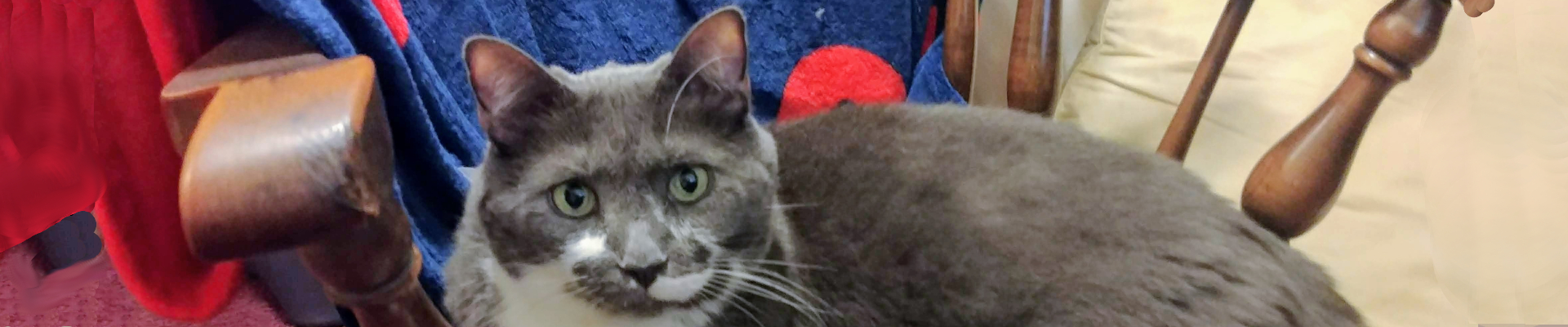
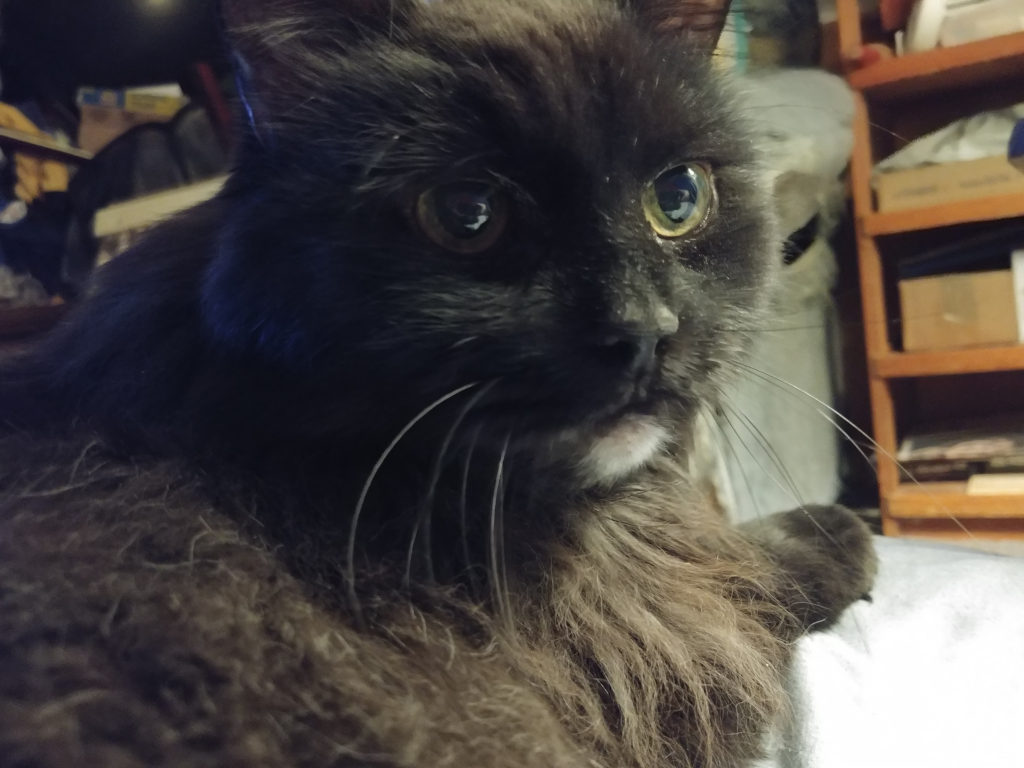
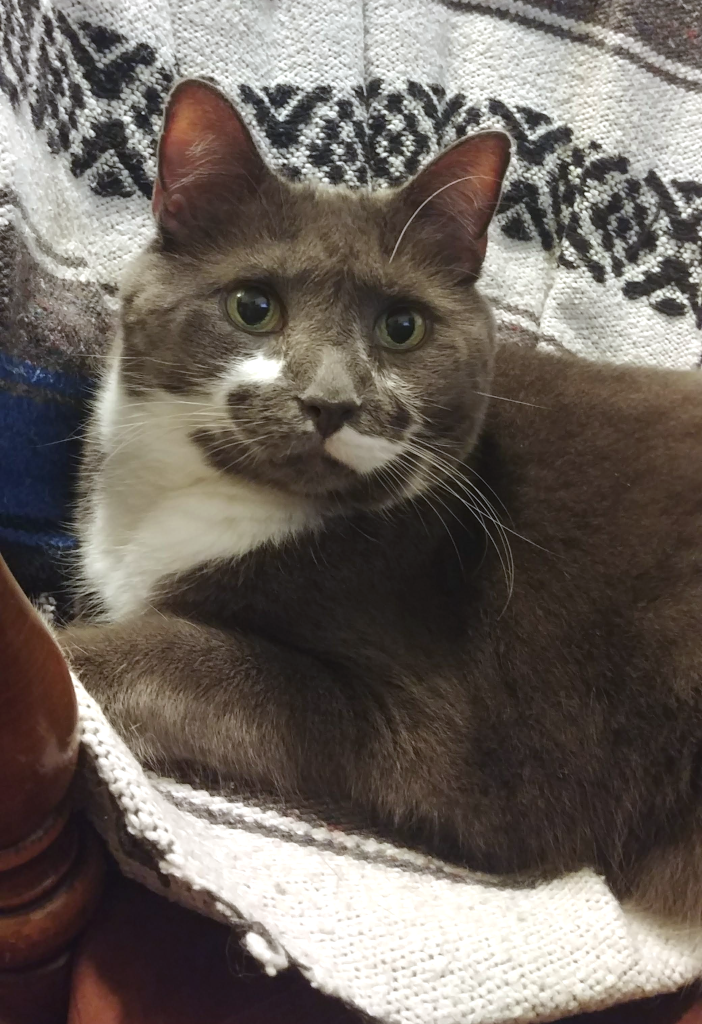
At BellenPaws, senior pets are not an afterthought. They are the heart of everything we do. From Belle and Paws, the sibling cats who inspired this site, to companions like Zippy, Bentley, Goldie, Buddy, Sophie, Jack, and so many others, we have seen firsthand how aging changes a pet’s needs. Grooming challenges are one of the most common issues senior pet owners face, and they are also one of the most misunderstood.
Senior pets still have love to give, but they may need a little more patience and a gentler approach when it comes to caring for their bodies.
Why Grooming Becomes Harder With Age
Aging affects pets in ways that are not always obvious at first. Joint stiffness, muscle loss, reduced flexibility, and slower reflexes can all make grooming uncomfortable or even painful. A cat that once twisted easily to clean its back may no longer be able to reach those spots. A dog that stood calmly for brushing may now struggle to stay upright for long periods.
Medical conditions often play a role. Arthritis, kidney disease, diabetes, thyroid disorders, vision loss, and neurological changes can all affect how a pet tolerates grooming. Some pets become sensitive to touch. Others grow anxious because they cannot see or hear what is happening. A few may feel embarrassed or frustrated when they cannot groom themselves the way they used to.
These changes are not signs of stubbornness or bad behavior. They are signs of aging, and they deserve understanding rather than correction.
Coat Changes in Senior Pets
One of the first grooming changes many owners notice is a difference in coat quality. Fur may become thinner, greyer, or patchy. Some senior pets develop oily areas, dandruff, or mats that seem to appear overnight. Cats that once kept themselves spotless may start missing entire sections of their coat.
Long-haired pets are especially vulnerable. Without regular grooming, tangles can turn into painful mats that pull at the skin. These mats can hide sores, parasites, or infections and may make movement uncomfortable.
Gentle, frequent brushing is usually better than long, infrequent sessions. A few minutes every day or every other day can prevent mats and reduce stress. Soft brushes, grooming gloves, or wide-tooth combs are often better tolerated than stiff tools.
If a pet becomes agitated, it is okay to stop and try again later. Grooming does not need to be finished in one sitting.
Bathing a Senior Pet Without Stress
 Bathing can be particularly challenging for older pets. Slippery surfaces, loud water sounds, and temperature changes can be overwhelming. For pets with arthritis or balance issues, standing in a tub may feel unsafe.
Not every senior pet needs frequent baths. In many cases, spot cleaning with a damp cloth or pet-safe wipes is enough. For cats, especially, less is often more.
When a bath is necessary, preparation makes a big difference. Non-slip mats, warm (not hot) water, and calm handling help reduce anxiety. Keeping baths short and speaking softly can reassure pets who feel vulnerable.
After bathing, thorough drying is important. Senior pets can chill easily, and damp fur can irritate sensitive skin. Towel drying is usually preferable to loud dryers.
Nail Trimming and Paw Care
Overgrown nails are a common issue in senior pets, especially those who are less active. Long nails can alter how a pet walks, worsening joint pain and increasing the risk of falls. In cats, nails may grow thick and curve inward, sometimes embedding into paw pads if left unchecked.
Nail trimming can be intimidating, but it does not have to be a battle. Trimming just one or two nails at a time is often enough. Some owners find success trimming nails while their pet is relaxed or sleepy. If a pet strongly resists nail trims, professional help may be the safest option. Many groomers and veterinary clinics offer gentle nail trims for seniors and understand how to work around mobility issues.
Regularly checking paw pads for cracks, dryness, or sores is also important. Moisturizing balms made for pets can help keep pads comfortable, especially in dry climates.
Oral Care and Facial Grooming
Dental issues are extremely common in senior pets and can affect grooming habits. Painful teeth or gums may make a pet reluctant to chew grooming tools or allow their face to be touched. Facial grooming should be slow and careful. Wiping eyes, cleaning tear stains, and checking ears can prevent infections and discomfort. For pets with vision loss, gentle touch and verbal reassurance can help them feel safe.
If brushing teeth is not possible, dental wipes, water additives, or vet-recommended alternatives may still provide some benefit. Bad breath, drooling, or changes in eating habits should always be discussed with a veterinarian.
Grooming Diabetic Senior Pets
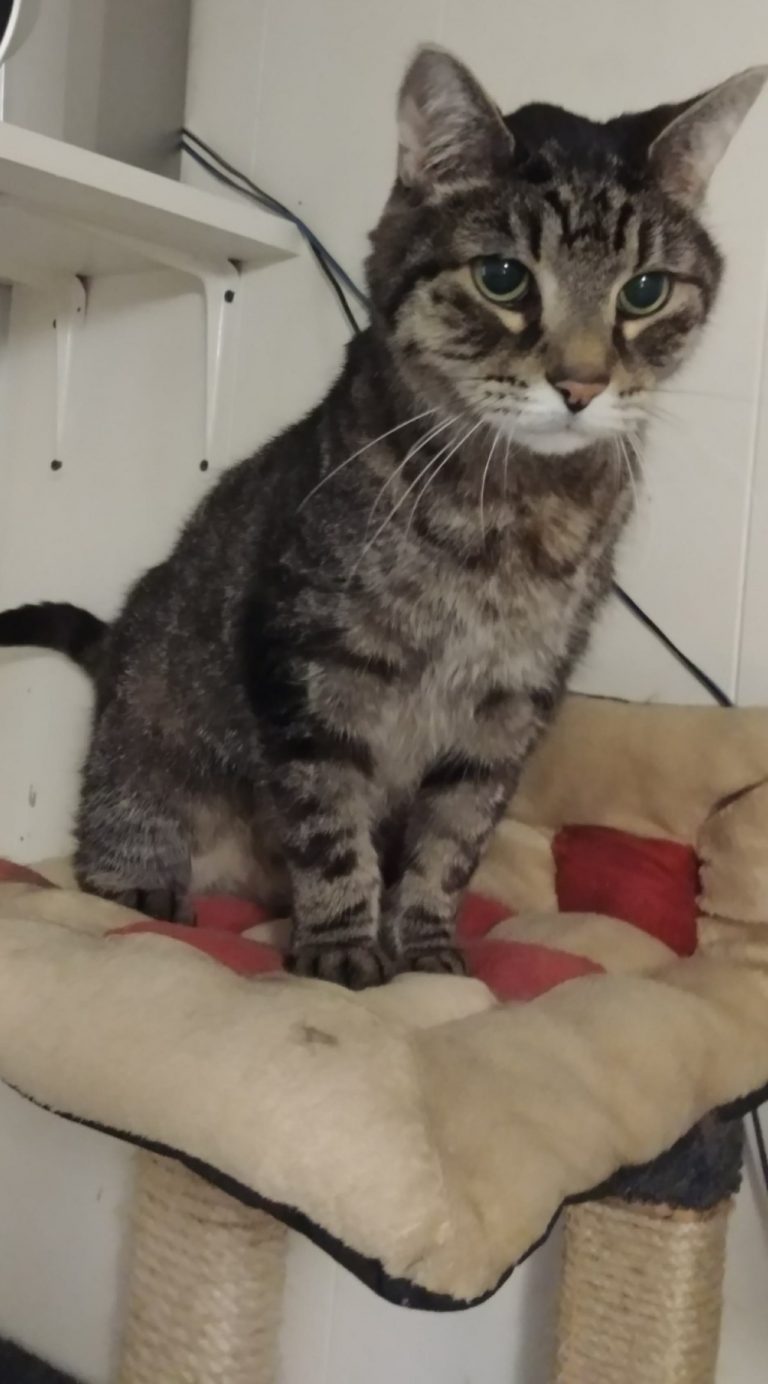 For pets with diabetes, grooming plays an extra role in health monitoring. Changes in coat condition, skin infections, or poor grooming can sometimes signal that glucose levels are not well controlled. Diabetic pets may experience dry skin, thinning fur, or recurring infections. Regular grooming allows owners to notice small changes before they become serious problems.
When grooming diabetic pets, extra care should be taken to avoid cuts or irritation, as healing may be slower. This is especially important during nail trims or mat removal.
Tracking tools, like the glucose trackers and printable forms available here at BellenPaws.com, help owners see patterns over time. Grooming sessions can be a good opportunity to check the body for sores, lumps, or changes that may need attention.
Emotional Changes and Grooming Anxiety
Aging can affect a pet’s emotional world just as much as their physical one. Some seniors become clingy, while others withdraw. Grooming may feel invasive to a pet who already feels vulnerable. Cats like Belle, Paws, or Bentley might tolerate brushing one day and resist it the next. Dogs like Sophie or Jack may need reassurance they never needed before. These changes are normal.
Using consistent routines, familiar tools, and calm voices helps build trust. Grooming in the same location each time can provide a sense of safety. Offering breaks, treats, or affection afterward reinforces positive associations. It is important not to force grooming when a pet is distressed. Safety and trust matter more than a perfect coat.
Knowing When to Ask for Help
There is no shame in seeking help with grooming. Professional groomers who specialize in senior pets can often do things more safely and efficiently. Veterinary guidance is especially important if grooming issues are linked to medical conditions.
Sometimes, shaving a heavily matted coat is the kindest option, even if it changes how a pet looks. Comfort always comes first. At BellenPaws, we believe that caring for senior pets means adapting to their changing needs. Grooming is part of that adaptation, not a test of obedience or endurance.
Grooming as a Bonding Experience
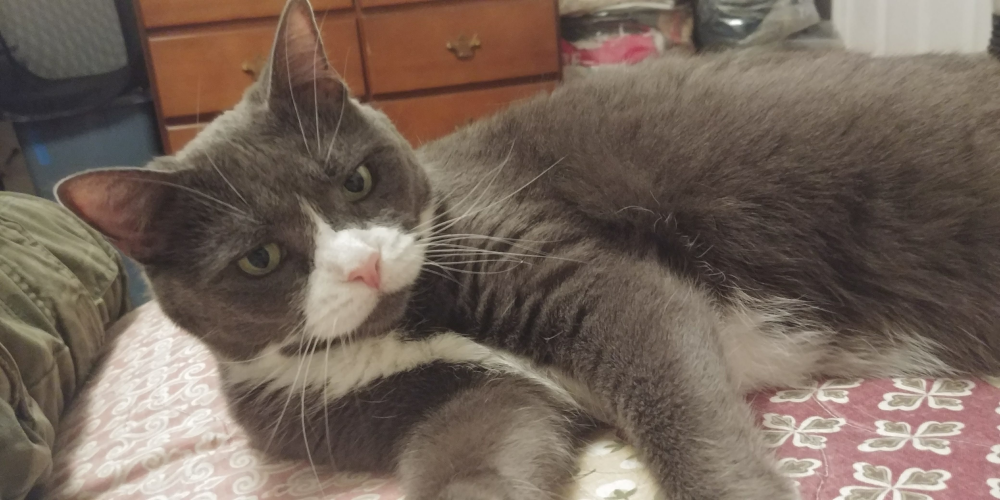 Handled gently, grooming can become a quiet moment of connection. A slow brush session, a soft towel after cleaning, or a careful paw check can communicate love in ways pets understand deeply.
Our cats and dogs taught us that aging does not reduce a pet’s need for dignity. It simply asks us to slow down, pay attention, and meet them where they are.
Senior pets still have love to give. Grooming them with patience and compassion honors the years they have shared with us and the trust they continue to place in our hands.
By approaching grooming as care rather than correction, we help our senior companions feel safe, respected, and cherished, exactly as they deserve.