

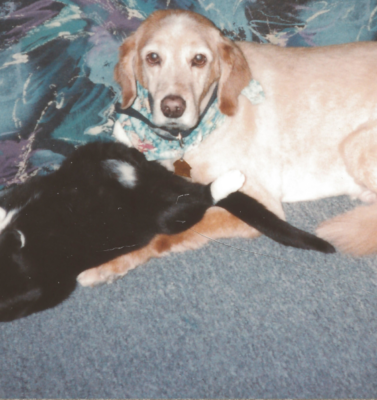
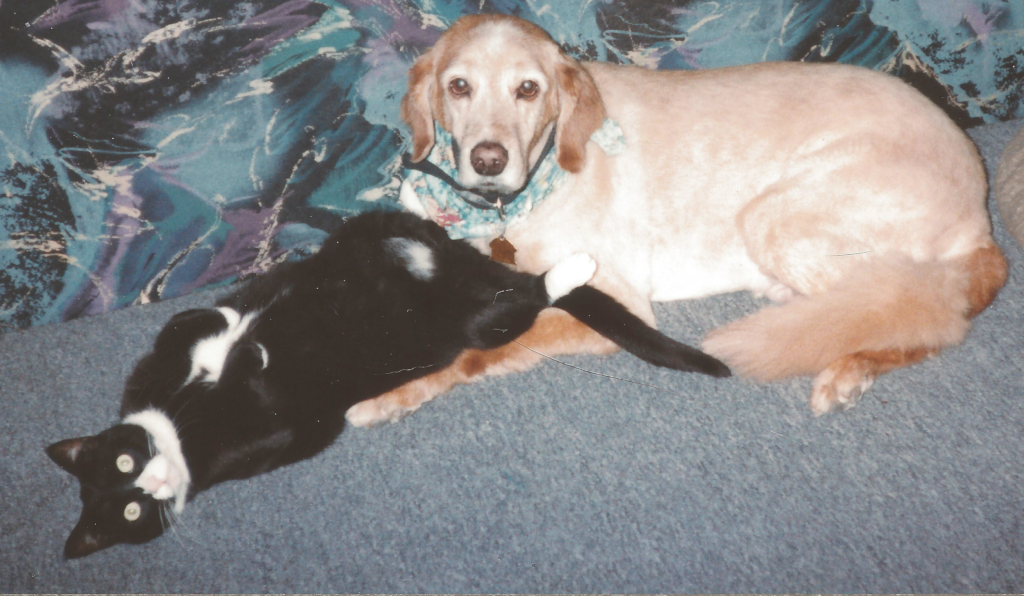
Living with animals long enough teaches you something no training manual ever fully captures: behavior is communication. Especially with senior pets, what looks like “bad behavior” is often a message, not a mistake. At BellenPaws, our mantra has always been simple and true: Senior pets still have love to give. Sometimes, though, they give that love through vulnerability rather than obedience, and it’s up to us to recognize the difference.
We are longtime pet parents who have shared our lives with many animals across every stage of aging, illness, recovery, and decline. Cats like Belle and Paws, the siblings who inspired this site and diabetic cats like Zippy and Bentley taught us patience, routine, and resilience. Seniors like Bubbles, Pebbles, Bam Bam, Clyde, Bonnie, Cybil, Lil Kitty, Skittles, Blackie, Rascal, Tabitha, Seamus, and our youngest, Everly. Dogs like Goldie, Buddy, Diesel, Sophie, Bella, and Jack, each with their own quirks, limits, and quiet ways of asking for help.
Across all of them, one lesson repeats itself: aging changes how pets experience the world. And when that happens, comfort often matters more than correction.
Why “Misbehavior” Looks Different in Senior Pets
When a younger pet chews something they shouldn’t or ignores a command, training is often appropriate. Puppies and kittens are learning boundaries. Adult pets are refining habits. But seniors are navigating loss, confusion, discomfort, and sometimes fear.
A senior pet may:
- Have trouble hearing or seeing
- Feel joint pain when moving or being touched
- Experience digestive changes or incontinence
- Feel disoriented due to cognitive decline
- React differently because blood sugar, hormones, or organ function have shifted
From the outside, these changes can look like defiance. A cat who stops using the litter box. A dog who growls when approached. A normally calm pet who suddenly vocalizes at night or refuses food they once loved.
Correction assumes the pet knows what they’re doing and is choosing to do it anyway. Senior pets are often not making choices in that way. They are responding to how their bodies feel in the moment.
When Behavior Is a Cry for Comfort
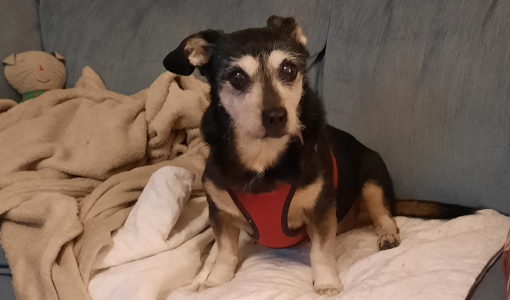 One of the hardest mindset shifts for pet owners is realizing that behavior we want to “fix” may actually need to be listened to.
A few real-life examples we’ve lived through:
Litter box avoidance – With more than one senior cat, this wasn’t rebellion. It was arthritis. Stepping over a tall box wall hurt. Standing in litter felt unstable. Once we lowered entry points and softened the setup, the “problem” resolved itself.
Sudden clinginess – Some of our cats, especially as they aged, followed us from room to room. It wasn’t attention-seeking in a negative way. It was reassurance. Aging can feel lonely and confusing, and proximity brings safety.
Growling or snapping – One of our dogs, usually gentle, began reacting defensively when touched in certain areas. It turned out to be pain. Correction would have punished communication. Listening led to gentler handling and adjusted routines.
Accidents in the house – For diabetic pets like Zippy and Bentley, accidents were often linked to glucose fluctuations. Scolding wouldn’t stabilize blood sugar. Observation, tracking, and routine helped far more.
Comfort begins when we stop asking, “Why is my pet doing this to me?” and start asking, “What might my pet be experiencing right now?”
The Role of Routine in Emotional Safety
Senior pets rely on predictability more than younger ones. Routine becomes a form of emotional support. Feeding times, medication schedules, walking routes, and sleeping spots all create structure. When something changes, even slightly, it can feel destabilizing to an aging animal.
We’ve found that when behavior shifts suddenly, the first thing to examine is routine:
- Has feeding time changed?
- Has a household schedule shifted?
- Is a familiar person or pet no longer present?
- Has furniture or litter placement moved?
Sometimes restoring a small piece of routine brings behavior back into balance without any correction at all. This is one reason we created tools like cat and dog age calculators and the diabetes tracker. Not because numbers tell the whole story, but because patterns matter. Tracking helps you notice when something changes, and change is often the clue.
Understanding Pain Without Words
Animals are experts at hiding discomfort. In the wild, showing weakness is dangerous. That instinct doesn’t disappear just because a pet lives indoors.
Pain in senior pets often shows up indirectly:
- Hesitation before jumping or climbing
- Avoidance of being picked up
- Changes in grooming habits
- Restlessness or pacing
- Withdrawal from social interaction
Correcting a pet for avoiding stairs or resisting handling ignores the possibility that movement itself hurts. Comfort means adapting the environment: ramps instead of jumps, soft bedding instead of hard floors, patience instead of pressure.
Cognitive Changes and Confusion
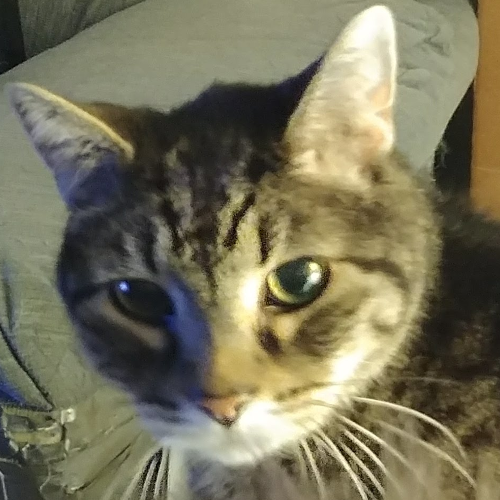 Cognitive decline is real in senior pets, especially dogs, but also cats. Disorientation, altered sleep cycles, and increased vocalization can occur. A dog who wakes at night barking may not be misbehaving.
They may not recognize where they are. A cat who seems startled by familiar surroundings may be processing the world more slowly.
In these moments, correction increases anxiety. Comfort reduces it. Soft voices, night lights, familiar scents, and calm reassurance can make a profound difference.
Diabetes and Behavioral Shifts
For pets with diabetes, behavior is closely tied to blood sugar. Lethargy, irritability, hunger, or restlessness can all be signs that something is off internally. Bentley taught us this firsthand. On days when his numbers were unstable, his personality changed. He wasn’t being difficult. His body was struggling.
This is why tracking matters. When you can look back and see patterns, behavior becomes context instead of mystery.
The Emotional Weight We Carry as Caregivers
Recognizing when your pet needs comfort instead of correction isn’t just about them. It’s about us, too. Caring for senior pets can be emotionally exhausting. There’s guilt when we lose patience. Fear when something changes. Grief, even before loss arrives.
We’ve felt all of it. With every name listed above, there were moments we questioned ourselves. Moments we wished we had responded differently. Moments we learned, adjusted, and forgave ourselves. Compassion must extend both ways.
Choosing Compassion Over Control
Correction has its place. But with senior pets, comfort should be the default response until proven otherwise.
Before correcting, pause and ask:
- Is this new behavior?
- Could pain or discomfort be involved?
- Has something changed physically or emotionally?
- What would comfort look like right now?
Often, comfort looks like patience. Or environmental changes. Or simply sitting nearby and letting your pet know they aren’t alone. Senior pets don’t need perfection from us. They need presence.
Why Senior Pets Still Have Love to Give
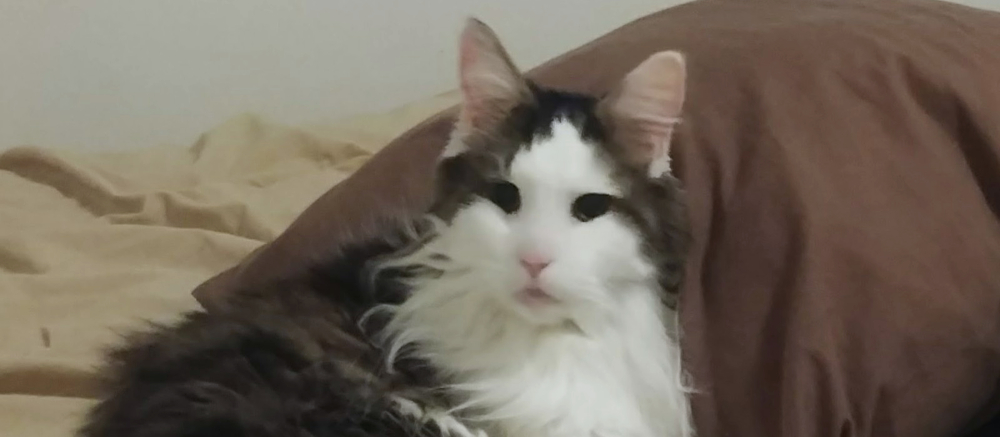 Every senior pet we’ve shared our lives with gave something unique. Not in spite of their aging, but because of it. They taught us to slow down. To observe instead of react. To listen without words. To replace control with care.
Recognizing when your pet needs comfort, not correction, is one of the deepest acts of love you can offer. It honors their lifetime of loyalty by meeting them where they are now, not where they used to be. That is what BellenPaws is about. Education, yes. Tools, yes. But above all, understanding.
Senior pets still have love to give. Sometimes, they just need us to give a little more back.