

As our pets grow older, their needs change in ways that are sometimes subtle and sometimes impossible to ignore. A dog who once leapt onto the couch without thinking may hesitate or circle first. A cat who once raced up a tall cat tree may choose the lowest platform or stop climbing altogether. These moments often catch us off guard, not because we are inattentive, but because aging tends to creep in quietly.
Many people assume that supporting a senior pet means expensive renovations, major lifestyle changes, or turning their home into something unrecognizable. In reality, creating a senior-friendly home is less about remodeling and more about awareness. Small adjustments, thoughtful placement, and a willingness to see the world from your pet’s perspective can dramatically improve comfort, safety, and quality of life.
This article is written from experience, not from a clinical textbook. It is meant to help you make your home kinder to aging bodies without draining your wallet or turning your living space upside down.
Understanding How Aging Changes Everyday Movement
Before making changes, it helps to understand what aging actually does to pets. Senior dogs and cats may deal with joint stiffness, arthritis, reduced muscle mass, vision or hearing loss, slower reflexes, and decreased balance. For diabetic pets or those with kidney disease or thyroid conditions, fatigue and weakness may also play a role.
What matters most is not the diagnosis, but how it shows up day to day. Trouble jumping, slipping on floors, missing the litter box, struggling to stand after resting, or avoiding favorite spots are all signals that your home may no longer match your pet’s physical abilities.
The goal is not to eliminate all challenges. Aging bodies will always have limitations. The goal is to remove unnecessary obstacles that make daily life harder than it needs to be.
Floors That Feel Safe, Not Slippery
 One of the most overlooked issues in senior pet homes is flooring. Smooth surfaces like hardwood, tile, laminate, and vinyl are easy for humans to clean, but they can feel like ice rinks to aging paws.
You do not need to carpet your entire house to fix this. Strategic use of area rugs, runners, or yoga mats can make a huge difference. Focus on high-traffic paths: from sleeping areas to food and water, from the litter box to favorite resting spots, and near doors that lead outside.
Make sure anything you place down has a non-slip backing or is secured with rug grips. A rug that slides can be more dangerous than no rug at all.
For dogs who struggle to stand up, traction can mean the difference between confidence and fear. For cats, it can reduce the risk of falls that lead to injuries that take much longer to heal in older bodies.
Rethinking Height and Access
 Senior pets often want to be in the same places they have always loved. The problem is not desire, it is access.
For dogs, jumping onto beds, couches, or into cars can become painful or impossible. Pet stairs and ramps are simple tools that can preserve independence. They come in many sizes and styles, and many fold away when not in use. Training your dog to use them gently and patiently can prevent joint strain and injuries.
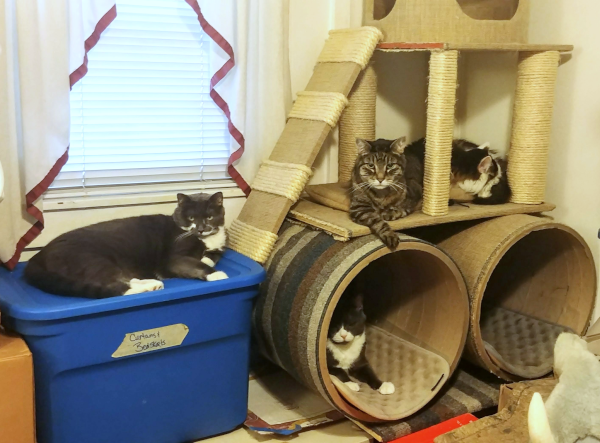
For cats, height is about security and comfort as much as mobility. Cats do not stop loving elevated spaces just because they age. What changes is how they get there. Lower cat trees, step-style platforms, or rearranged furniture that allows gradual climbing can replace vertical leaps.
Even something as simple as moving a favorite window perch closer to the ground can restore a sense of normalcy without forcing painful jumps.
Making Resting Places Truly Restful
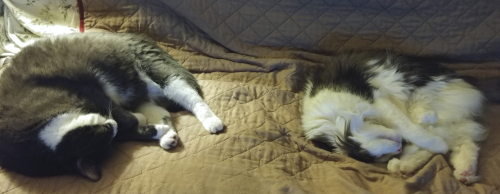 Senior pets sleep more, but that does not mean any bed will do. Older joints need support, and thin or worn-out bedding can increase stiffness and discomfort.
Orthopedic beds are often marketed aggressively, but the real benefit comes from consistent cushioning and insulation from cold floors. A well-padded bed placed in a draft-free area can reduce pressure on hips, shoulders, and spines.
Placement matters just as much as padding. Beds should be easy to step into, not require climbing or squeezing. For homes with multiple levels, consider placing resting spots on each floor so your pet does not have to choose between comfort and companionship.
For cats, multiple soft resting options throughout the home allow them to self-regulate comfort and temperature.
Food, Water, and Litter Box Adjustments
 Eating and drinking should not be a struggle. Elevated food and water bowls can help dogs and cats with neck or back issues maintain a more natural posture while eating. This can be especially helpful for pets with arthritis or mobility limitations.
For diabetic pets, consistency matters. Keeping feeding areas predictable and easy to access helps maintain routines that support stable glucose management.
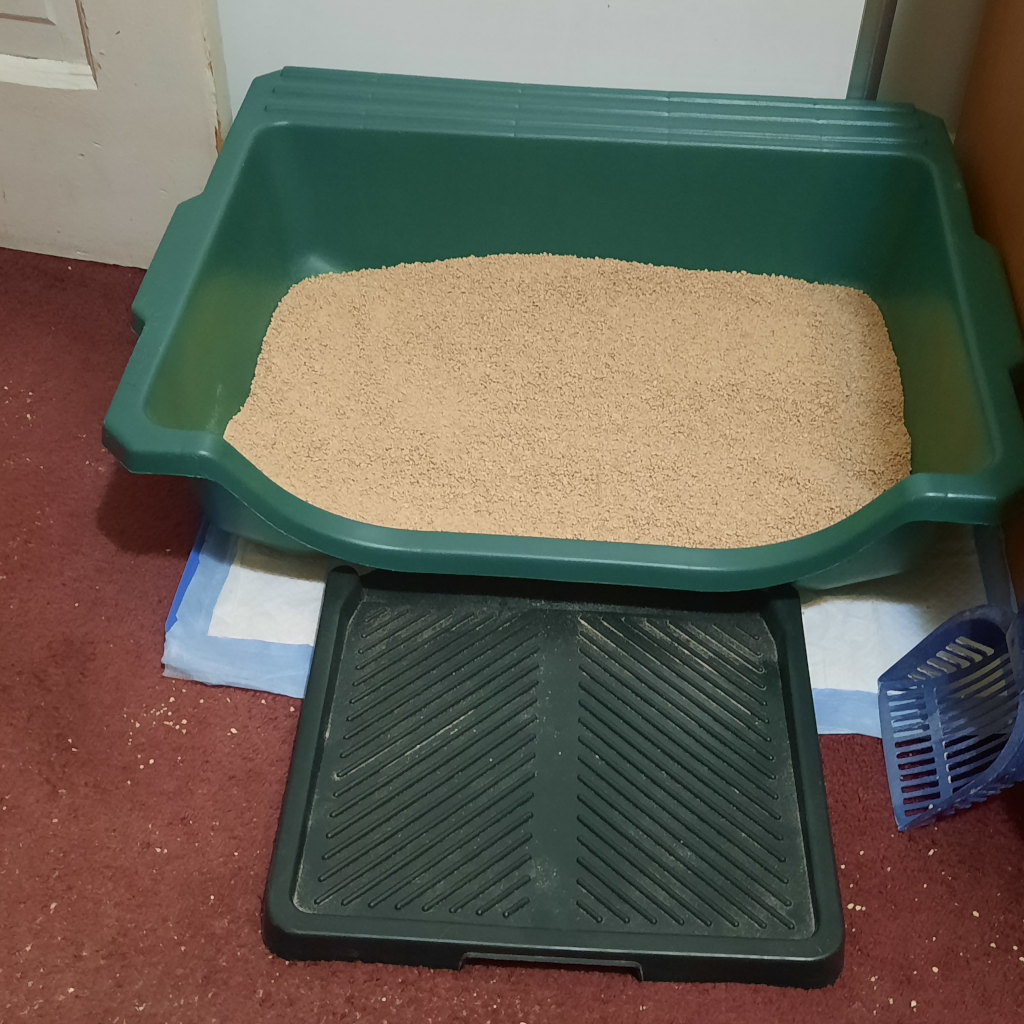
Litter boxes are a major issue for senior cats, yet many owners do not realize the box itself has become the problem. High sides, narrow openings, or placement in hard-to-reach areas can turn a once-perfectly trained cat into one who starts missing the box.
Low-entry litter boxes or boxes with one lowered side allow easier access without sacrificing cleanliness. If your cat has trouble climbing stairs, moving the box to a more accessible location can prevent accidents and reduce stress for both of you.
Lighting and Sensory Support
As vision and hearing decline, pets rely more on memory and scent. Good lighting helps dogs and cats navigate their environment with confidence, especially in the evening or early morning hours.
Night lights placed along common paths can prevent disorientation and falls. This is particularly helpful for pets with vision loss or cognitive changes.
Keeping furniture arrangements consistent also matters. Frequent rearranging may look nice to humans, but it can confuse pets who rely on familiar layouts to move safely.
Avoid sudden loud noises where possible, and speak before touching pets who may no longer hear you approach. These small considerations help aging pets feel secure rather than startled.
Temperature and Comfort Control
Senior pets are often more sensitive to temperature extremes. Cold can worsen joint pain, while excessive heat can be dangerous, especially for pets with chronic conditions.
Provide warm resting spots in cooler months and shaded, well-ventilated areas in warmer weather. Heated pet beds or pads designed specifically for animals can offer relief, but they should always be used according to safety guidelines.
Fans, cooling mats, and access to fresh water help prevent overheating. Comfort is not just about luxury; it is about maintaining physical stability and preventing secondary health issues.
Safety First, Always
Aging pets may not recover from accidents the way younger animals do. Preventing falls, slips, and collisions becomes increasingly important.
Block access to steep stairs if your pet struggles with balance. Baby gates are not just for puppies. They are excellent tools for protecting senior pets from hazards.
Secure cords, remove clutter from walkways, and ensure that toxic substances are stored safely. A pet who stumbles into trouble may not have the agility to escape it.
Emotional Comfort Matters Too
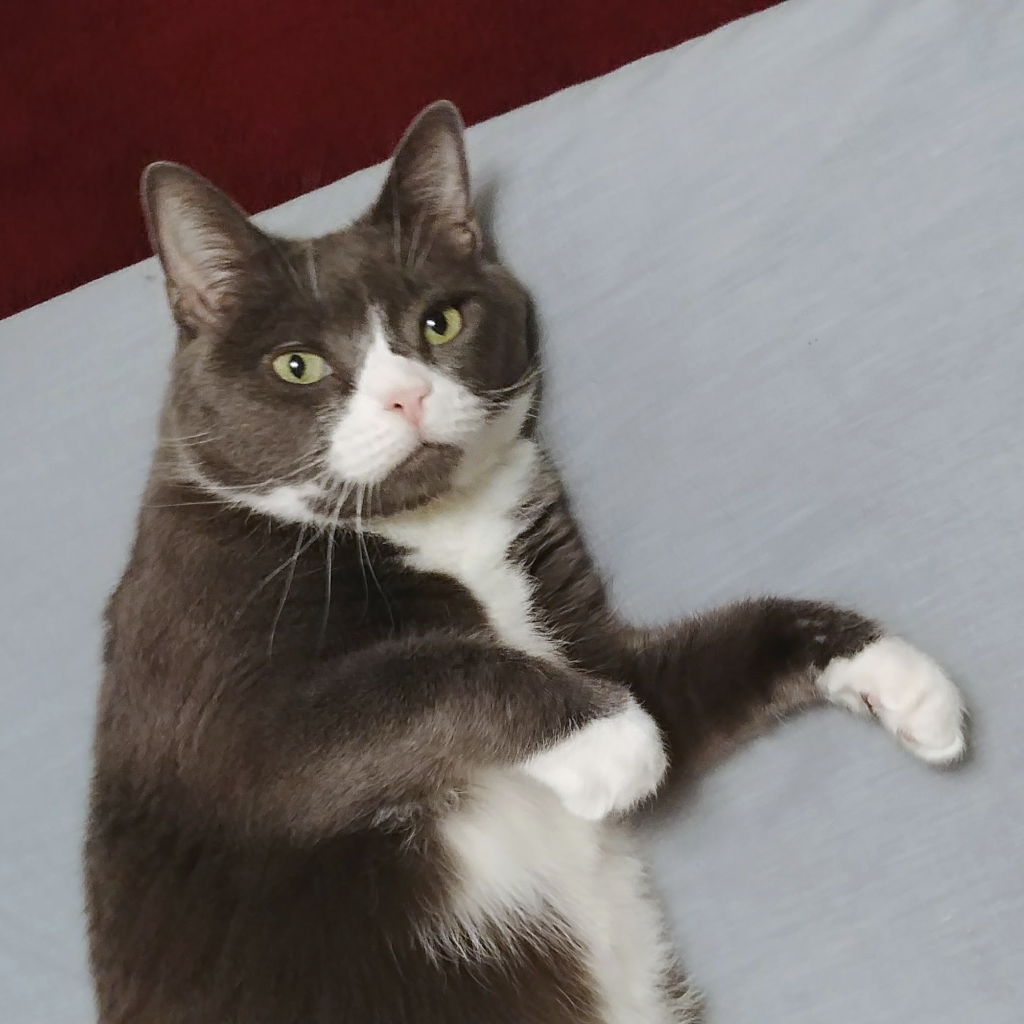 Physical changes often come with emotional ones. Senior pets may become more anxious, clingy, or withdrawn. A familiar, predictable environment provides reassurance.
Spending time on the floor with your pet, adjusting routines to match their energy levels, and offering gentle affection can help them feel valued rather than sidelined.
For pets managing chronic illnesses like diabetes, the emotional bond becomes even more important. Tracking routines, monitoring symptoms, and celebrating small victories together builds trust and confidence.
Progress Over Perfection
Creating a senior-friendly home is not about doing everything at once or doing it perfectly. It is about paying attention and responding with compassion.
Start with one change. Add a rug. Move a bed. Lower a litter box edge. Observe how your pet responds. Often, the improvements are immediate and deeply rewarding.
Aging is not a failure. It is a chapter. By making thoughtful, manageable adjustments, you honor the years your pet has shared with you and ensure the years ahead are as comfortable and dignified as possible.
Your home does not need to look like a medical facility to be senior-friendly. It simply needs to reflect love, patience, and an understanding that growing older deserves just as much care as growing up.