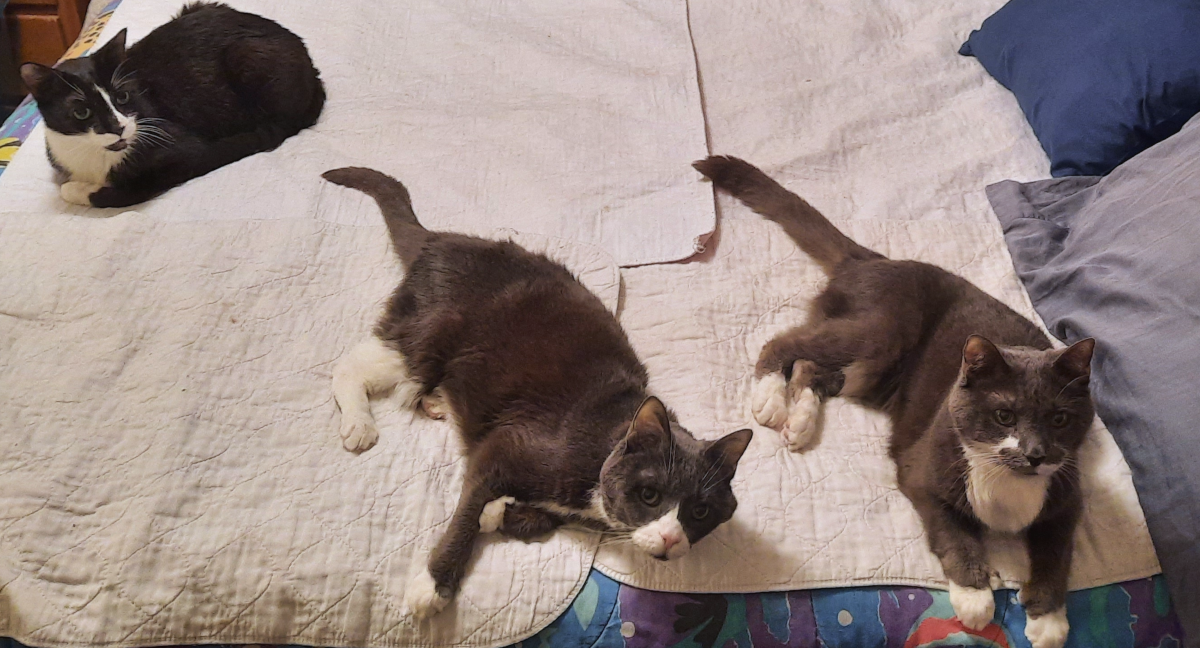
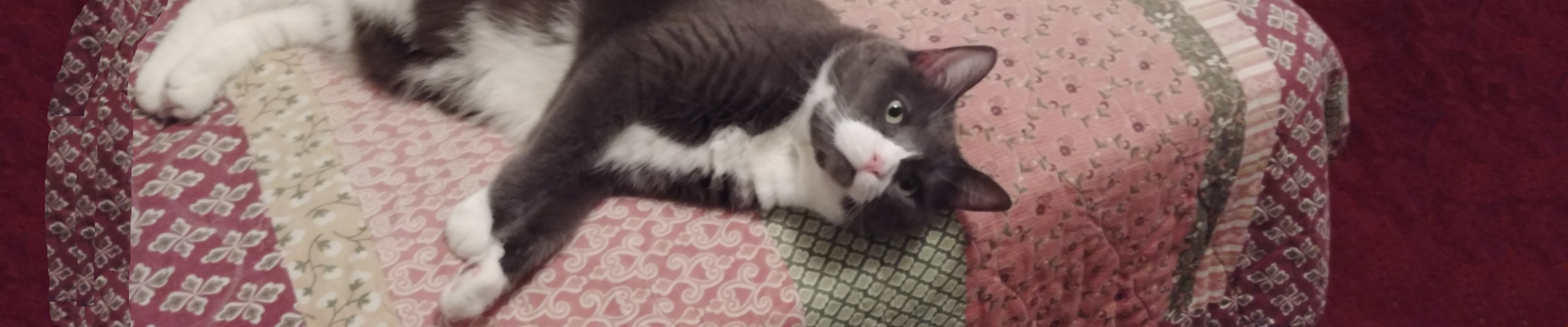
Some cats don’t arrive in our homes with confidence. They don’t stroll out of the carrier, tail up, ready to inspect every corner of the house. Instead, they freeze. Or bolt. Or disappear into the smallest space they can find and stay there, silent and watchful.
Fearful and formerly feral cats often come to us carrying a lifetime of learned survival. Even when they are no longer in danger, their bodies and instincts don’t know that yet. What we see as safety, warmth, food, shelter, may not register the same way to a cat whose past taught them that unpredictability equals danger.
At BellenPaws.com, we’ve always focused on senior pets, but fear doesn’t belong to any one age group. Some cats live outdoors for years. Others live indoors but experience instability, neglect, or repeated change. Some start life confident and become fearful later due to illness, aging, or loss. Over time, and across many cats, we’ve learned that helping these animals isn’t about training them to be brave. It’s about creating a world where they no longer need to be afraid.
Seeing the Home Through Their Eyes
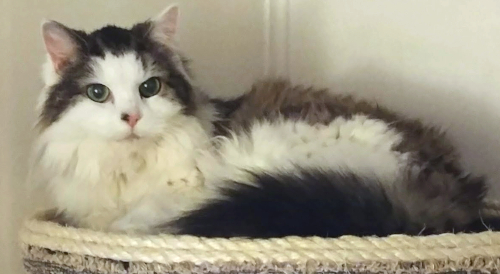 Fearful cats experience the world differently. A living room with open floor space can feel like exposure, not freedom. Sounds that barely register to us like footsteps, a door closing, a chair sliding, can send their nervous system into overdrive. When a cat flattens themselves against a wall or chooses to stay hidden for hours or days, it isn’t defiance. It’s strategy.
Fear is not misbehavior. It’s memory. Understanding this changes everything. When you stop asking, “Why won’t they just relax?” and start asking, “What does this space feel like to them?” you begin building trust instead of frustration.
Why Predictability Matters More Than Comfort
One of the most important lessons we’ve learned is that safety begins long before affection ever enters the picture. For fearful cats, predictability is comfort. Regular feeding times, consistent lighting, familiar sounds, and stable routines create an environment that stops feeling random. When a cat can anticipate what will happen next, their nervous system slowly relaxes.
This is especially important for senior cats, whose aging bodies may already make the world feel uncertain. Vision loss, hearing changes, or joint pain can turn even small surprises into stressors. A predictable home tells a cat, “Nothing bad is about to happen.”
The Importance of a Smaller World
It may seem kind to give a fearful cat access to the whole house right away, but too much space can be overwhelming. Instead of freedom, they feel exposed. A smaller, contained area like a safe room allows them to understand their environment without constantly scanning for threats.
A quiet bedroom or office often works well. The goal isn’t isolation, but control. When a cat can learn every sound, scent, and corner of a space, it becomes familiar. Familiar becomes safe.
Within that room, the basics should be present: food, water, a litter box, soft bedding, and places to retreat. Nothing fancy is required. What matters is that the space belongs to them, and nothing happens there without warning.
Hiding Is Not a Setback
Many people worry when a cat spends most of their time hidden. In reality, hiding is how fearful cats regulate themselves. A box, a covered bed, or even an open carrier with a blanket inside can become a lifeline.
These hiding spots must always remain respected. Pulling a cat out, even gently, teaches them that nowhere is truly safe. When a cat knows they can retreat without consequence, they eventually begin to venture out more often. Confidence grows quietly. For senior cats, these spaces should be easy to access. Soft bedding, warmth, and low entry points make a significant difference for aging bodies that can’t move like they once did.
Why Height Creates Confidence
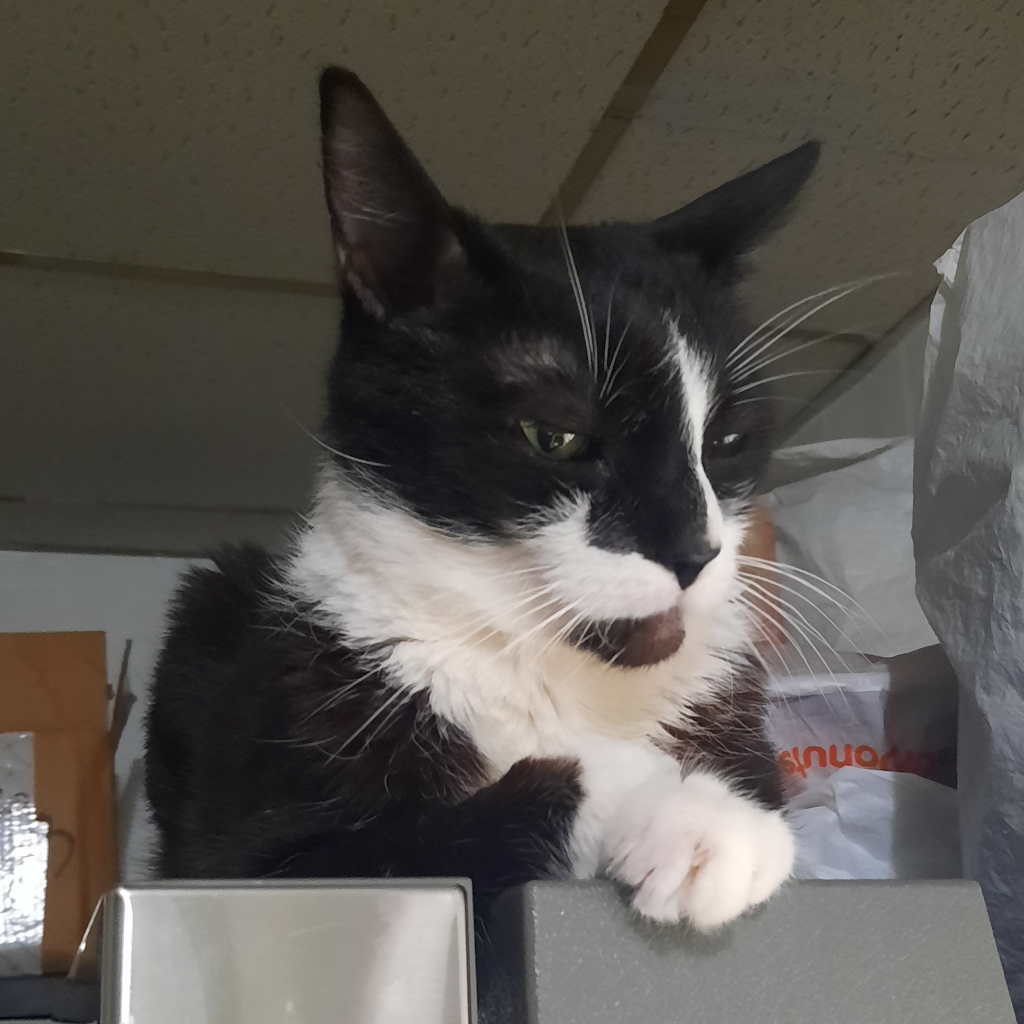
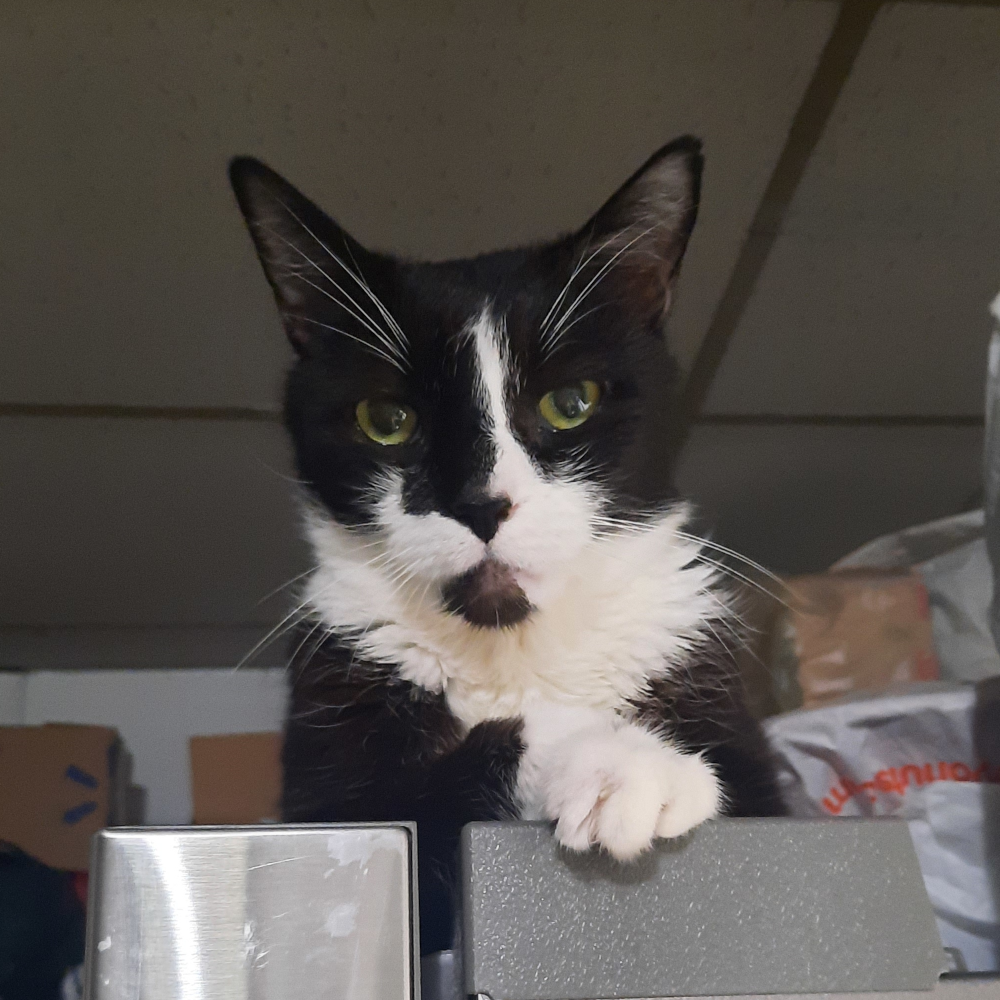 Cats have always relied on vertical space to feel secure. Being able to observe from above gives them distance from perceived threats and a sense of control over their environment. A fearful cat perched on a shelf or sturdy piece of furniture isn’t avoiding you, they’re learning about you.
Vertical spaces don’t need to be elaborate or expensive. What matters is stability and accessibility. For older cats, height should never require painful jumps. Gentle steps, ramps, or low platforms can provide the same sense of safety without strain.
The Quiet Work of Trust
Trust with fearful cats is built without hands. It forms when you sit quietly in the same room and don’t demand interaction. It grows when you speak softly, move slowly, and allow the cat to observe without pressure.
Sometimes the first signs of progress are subtle: a cat eating while you’re nearby, a relaxed sleeping position, a slow blink across the room. These moments are easy to miss if you’re waiting for purring or cuddling, but they matter deeply. Touch comes later, if it comes at all. When it does, it should always be on the cat’s terms. Rushed affection can undo weeks of quiet trust-building in a single moment.
Expanding Their World at Their Pace
As a cat becomes more comfortable in their safe space, curiosity often follows. Doors can be opened gradually, allowing exploration in small doses. Some cats prefer to explore at night when the house is still. Others will take one cautious step and retreat.
Retreating is not failure. It’s reassurance. Each venture out builds familiarity, and familiarity builds confidence.
When Fear Meets Aging
 Senior cats deserve special consideration. Fear can intensify with age as physical senses fade and bodies become less reliable. What once felt manageable can suddenly feel threatening.
Simple adjustments like night lights, clear pathways, warmer resting areas, can dramatically reduce stress. Comfort is not indulgence. For senior pets, it’s a form of communication that says, “You’re safe here.”
Redefining What Success Looks Like
Not every cat will become social. Some will never enjoy being held or sitting on laps. That doesn’t mean they are unhappy or unfulfilled.
A fearful or formerly feral cat who eats well, rests openly, grooms themselves, and chooses to be near you in their own way is a success story. These relationships are often quieter and deeper, built on coexistence rather than constant contact.
Safe Spaces Are a Lifetime Gift
A truly safe space doesn’t stop being important once a cat “settles in.” Cats return to their safe places during illness, stress, aging, or change. It becomes their anchor, their certainty in a world that still feels unpredictable at times.
Our experience has taught us that the cats who ask for the least often require the most understanding. When we stop trying to shape them into what we expect and instead shape the environment around what they need, something remarkable happens.
They stop surviving. They start living. And in the quiet trust they offer in return, we often find one of the most meaningful bonds a pet can give.