

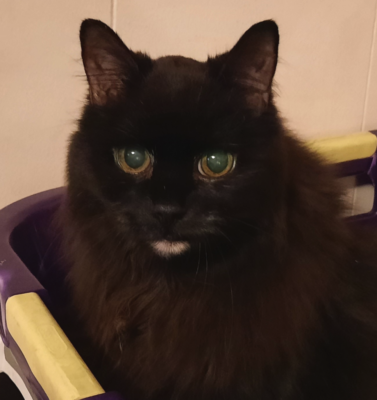
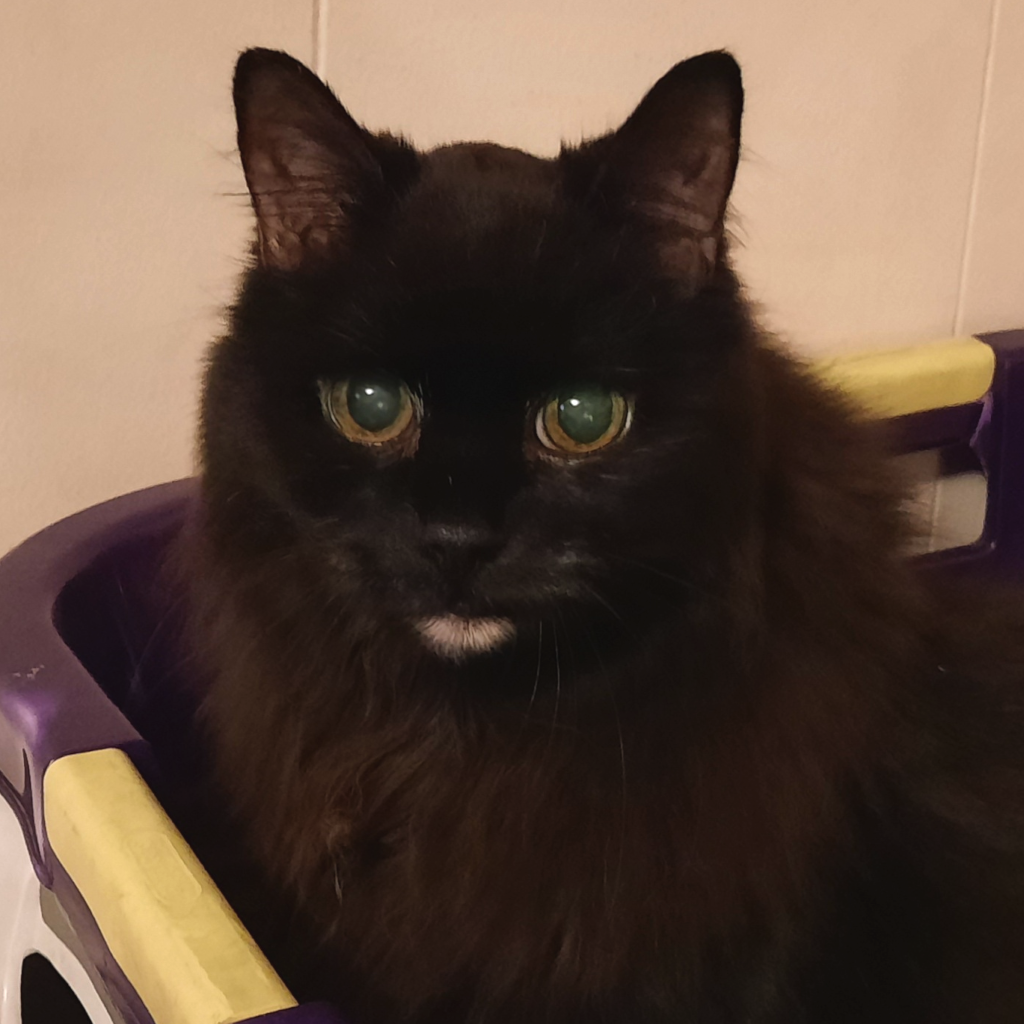
There is a moment many pet owners experience that feels both beautiful and bittersweet. A dog who once raced through the house now prefers to stay close. A cat who once tolerated affection on their terms suddenly seeks it out. A pet who once seemed fiercely independent now follows you from room to room, settling nearby as if simply being close is enough.
For many people, this shift raises questions. Why now? Why when they are older? Some worry it’s a sign something is wrong. Others feel guilty, wondering if they somehow didn’t notice this need sooner. But in most cases, increased affection in senior pets isn’t something to fear. It’s something to understand and to appreciate.
At its heart, this change is about trust, awareness, and the deepening of a bond that has been forming quietly over years.
Time Changes the Relationship
When pets are young, much of their world revolves around energy, exploration, and instinct. Puppies and kittens are wired to test boundaries, investigate everything, and build confidence through movement. As they age, those drives soften. The need to do slowly gives way to the need to be.
By the time a pet reaches their senior years, they have spent a lifetime learning who you are. They’ve watched your routines, learned your moods, and figured out where safety truly lives. Affection becomes less about novelty and more about reassurance.
What you may be seeing isn’t a new behavior. It’s the result of years of familiarity finally expressing itself more openly.
Comfort Becomes a Priority
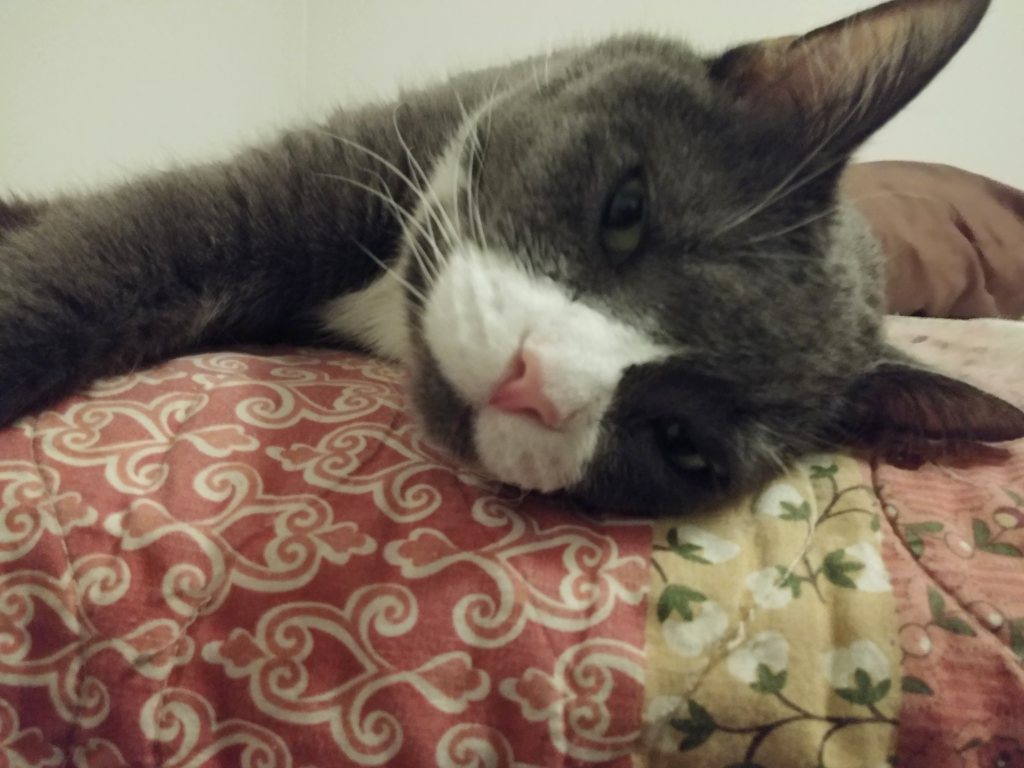 Senior pets often deal with physical changes that aren’t always obvious at first. Joints may be stiff. Vision might not be as sharp. Hearing can fade slowly. Even when these changes are mild, they alter how a pet experiences the world.
Touch becomes grounding. Leaning against you, curling up closer, or choosing to sleep near you can provide warmth, stability, and comfort. Your presence helps them feel secure in a body that no longer moves the way it once did.
This doesn’t mean your pet is suddenly fragile or unhappy. It means they’ve learned that closeness brings relief and they trust you enough to seek it.
Emotional Awareness Grows With Age
One of the lesser-discussed aspects of aging in pets is emotional maturity. Senior animals often become more attuned to their environment and the people in it. They notice changes in tone, routine, and energy more clearly than they did when they were younger.
They may respond to stress by staying closer. They may sense when you’re tired, upset, or quiet, and choose those moments to sit beside you. This isn’t imagination or projection. It’s learned behavior reinforced over years of shared experiences.
Affection becomes a language. A gentle paw on your arm. A head resting on your knee. A cat choosing your lap over a sunny window. These gestures say, I’m here. You’re safe. We’re okay.
Independence Evolves, It Doesn’t Disappear
It’s easy to assume that increased affection means a pet is becoming dependent or losing independence. In reality, senior pets often make more intentional choices. Younger animals are driven by impulse. Older animals are driven by preference.
When a senior pet chooses closeness, it’s rarely out of need alone. It’s because they’ve learned what feels good, what feels safe, and what matters. They no longer need to prove themselves or explore endlessly. They’ve already built their world and you’re at the center of it.
Health Changes Can Play a Role Without Being the Whole Story
 Certain health conditions can influence behavior. Pain, blood sugar fluctuations, thyroid issues, vision loss, or kidney disease can all make a pet more comfort-seeking. In pets with diabetes, for example, changes in glucose levels can affect energy, mood, and awareness.
But it’s important not to assume affection automatically means illness. Often, the behavioral shift appears gradually and remains stable. A pet who becomes more affectionate but still eats, drinks, plays (within their limits), and engages with their surroundings is often simply adapting to age.
Tools like glucose trackers, printable logs, and routine monitoring help distinguish between emotional changes and medical ones. When owners have a clearer picture of their pet’s health, they can relax into the affection instead of worrying about it.
Routine Builds Security in the Later Years
Senior pets thrive on predictability. Feeding times, medication schedules, quiet evenings, and familiar paths through the house all create a sense of order. Affection often becomes woven into these routines.
- A cat who waits for you at bedtime.
- A dog who expects a slow walk and a long pause on the couch afterward.
- A shared ritual that didn’t exist years ago.
These moments are not accidental. They’re the result of years of mutual adjustment. As physical activity decreases, emotional connection often takes its place.
You’ve Changed Too
One of the most overlooked factors in a senior pet’s increased affection is you.
Over the years, most pet owners become calmer, more patient, and more observant. You learn how your pet communicates discomfort. You recognize subtle cues. You respond more gently because experience has taught you what matters.
Pets notice this.
They respond to softness with softness. They mirror the emotional space you create. As your relationship matures, affection becomes easier, quieter, and more natural.
Affection as a Form of Gratitude
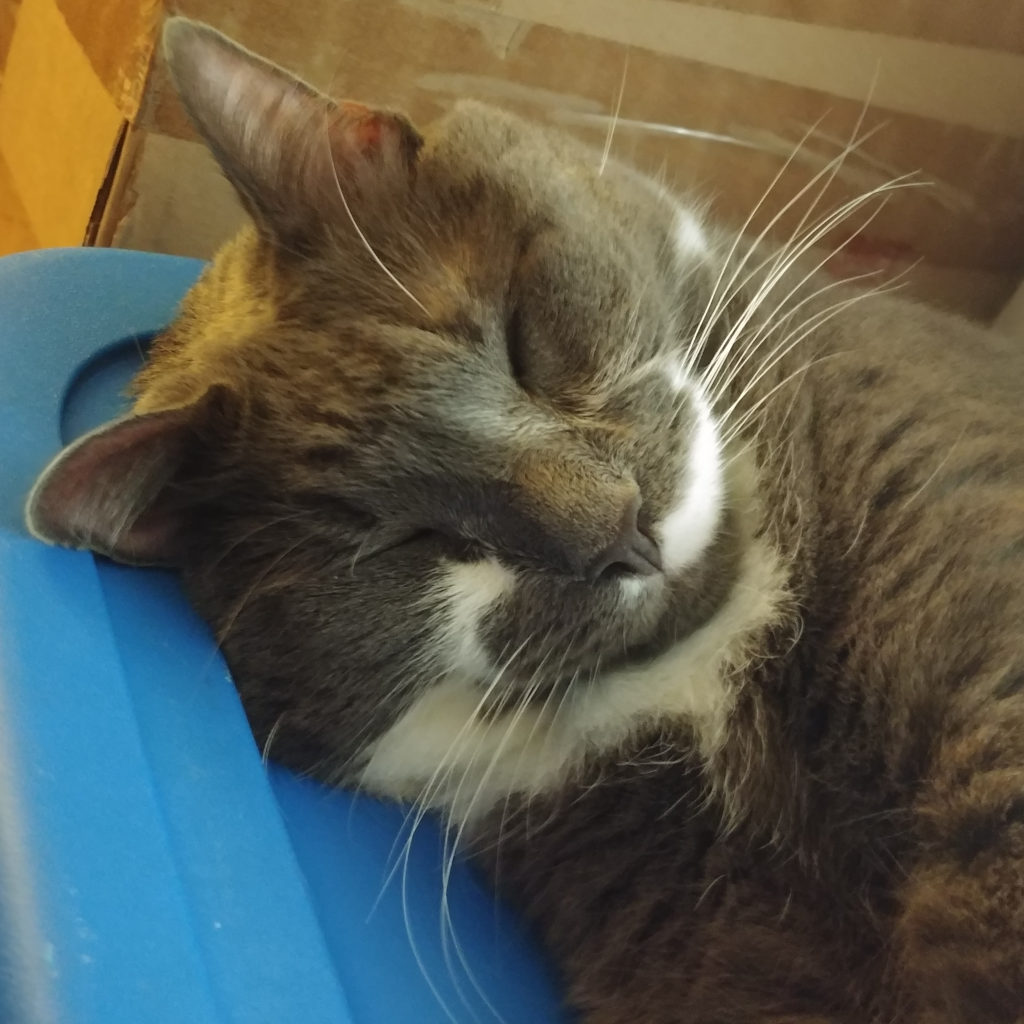 While it’s important not to romanticize animal behavior too much, there’s no denying that long-term care creates recognition. Senior pets know who feeds them, medicates them, cleans up after accidents, and adjusts life around their needs.
They may not understand why you do these things but they understand who does.
Affection can be a way of acknowledging care without resistance. It’s trust made visible.
When Affection Increases Suddenly
While gradual changes are normal, sudden or extreme shifts deserve attention. A pet who becomes unusually clingy overnight, vocalizes more than usual, or seems distressed when separated may be responding to discomfort or confusion.
This is where experience matters more than panic.
Look for patterns. Note changes. Use tracking tools if health conditions are involved. Often, small adjustments, pain management, dietary changes, environmental tweaks, restore balance while preserving that closeness.
Learning to Receive It
One of the hardest parts of caring for senior pets is accepting affection without anticipating loss. Many owners struggle to fully enjoy these moments because they fear what they represent.
But affection isn’t a countdown. It’s a conversation.
Your pet isn’t asking you to grieve early. They’re asking you to be present now.
These quieter years are not lesser years. They are different years marked by deeper connection, slower rhythms, and a shared understanding that doesn’t need words.
The Gift of the Later Years
 Senior pets often become more affectionate because life has simplified. The noise has faded. The expectations have softened. What remains is the bond itself.
That closeness is not a sign of weakness. It’s a sign of completion.
It means your pet has reached a point where love no longer needs distance to feel safe. Where trust no longer needs testing. Where companionship is enough.
And for those willing to meet them there, these years often become the most meaningful of all.