
Rescuing a senior cat is a quiet act of kindness that often changes both lives involved. Older cats arrive with stories already written, some joyful, some painful, many unknown. They may come from shelters, previous homes, or difficult circumstances where consistent care was interrupted. When they step into a new home, they bring wisdom, patience, and affection, but they can also bring medical challenges that require understanding, patience, and compassion.
At BellenPaws.com, the focus has always been on helping people navigate life with aging pets in a way that feels manageable and humane. We are not veterinarians. We are simply people who have shared our lives with many senior animals and have learned, sometimes the hard way, what tends to show up as pets age, especially those who were rescued later in life. This article is meant to offer practical insight, not diagnosis, and reassurance that many of these issues are common, treatable, and compatible with a good quality of life.
Why Senior Rescue Cats Often Have More Health Issues
Senior cats rarely arrive as blank slates. Many have lived for years without routine veterinary care. Others were well cared for but simply reached an age where wear and tear begins to show. Some conditions develop slowly and quietly, only becoming obvious when stress, such as a move or shelter stay, pushes the body past its comfort zone.
Stress itself plays a role. Changes in environment, diet, routine, and companionship can cause underlying conditions to surface. What looks like a sudden problem is often something that has been building for years.
Understanding this helps shift expectations. A rescued senior cat is not “fragile,” but they do deserve closer observation and a little more patience while their body and mind adjust.
Dental Disease and Oral Pain
 Dental issues are among the most common problems found in older rescue cats. Tartar buildup, inflamed gums, loose teeth, and even infections below the gum line are frequent findings. Because cats instinctively hide pain, dental disease often goes unnoticed until it interferes with eating or behavior.
Signs may include:
- Dropping food while eating
- Favoring one side of the mouth
- Bad breath
- Pawing at the mouth
- Reduced appetite or weight loss
Dental pain doesn’t just affect the mouth. Chronic infections can impact the heart, kidneys, and overall immune health. Addressing dental issues can dramatically improve a senior cat’s comfort and energy levels, even if the solution involves extractions rather than preservation of every tooth.
Kidney Disease
Chronic kidney disease is extremely common in senior cats, particularly those over the age of ten. The kidneys gradually lose their ability to filter waste, regulate hydration, and maintain electrolyte balance. In rescue cats, kidney disease may already be advanced by the time it’s discovered.
Common signs include increased thirst, frequent urination, weight loss, poor appetite, nausea, and lethargy. Some cats develop a dull coat or dehydration despite drinking more water.
While kidney disease cannot be reversed, it can often be managed. Diet changes, hydration support, and medications can slow progression and help cats feel better for months or even years. Many senior cats live comfortably with kidney disease when their needs are recognized early.
Hyperthyroidism
Hyperthyroidism is another condition frequently found in older cats, especially those rescued from uncertain backgrounds. This condition occurs when the thyroid gland produces too much hormone, speeding up the body’s metabolism.
Cats with hyperthyroidism may:
- Lose weight despite eating well
- Become restless or vocal
- Drink and urinate more
- Vomit or have diarrhea
- Appear irritable or anxious
Because the symptoms can resemble “normal aging,” hyperthyroidism is often overlooked. Once identified, it is usually very manageable with medication, special diets, or other treatments. Addressing hyperthyroidism often leads to noticeable improvements in mood, weight, and overall stability.
Diabetes in Senior Rescue Cats
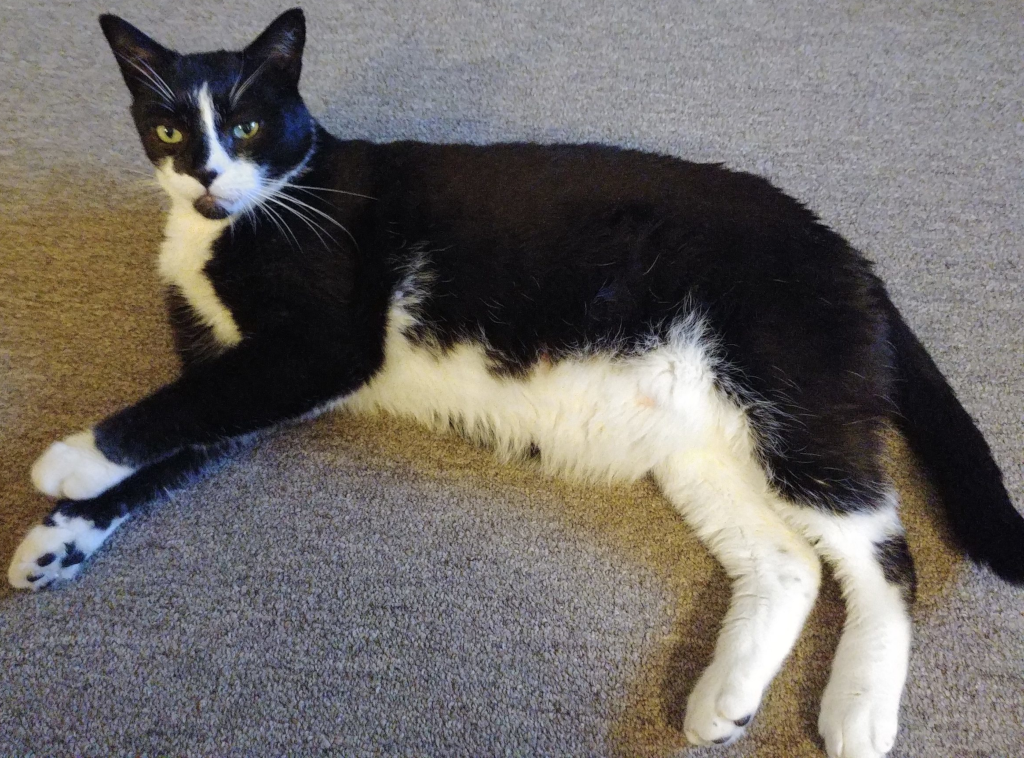 Diabetes is not uncommon in older cats, particularly those who are overweight or who have experienced long-term dietary imbalance. In rescue situations, inconsistent feeding or prolonged stress may contribute to the condition going undiagnosed.
Signs of diabetes include excessive thirst, increased urination, weight loss, weakness in the hind legs, and changes in appetite. Some cats become lethargic or develop recurring infections.
Diabetes can sound overwhelming at first, but many cats respond well to treatment. With routine monitoring, consistent feeding schedules, and insulin when needed, diabetic cats can enjoy full, meaningful lives. Tools like glucose trackers, printable curves, and daily logs can make management feel far more approachable and less intimidating.
Arthritis and Mobility Issues
Arthritis is often underdiagnosed in cats because they do not limp or cry out the way dogs might. Instead, arthritis shows up as subtle behavior changes: hesitating before jumping, avoiding stairs, grooming less, or choosing different sleeping spots.
Rescued senior cats may have lived with joint pain for years without support. Once settled into a safe home, their stiffness may become more noticeable as they relax enough to show vulnerability.
Simple adjustments, like lower litter box sides, ramps, heated beds, and gentle play, can make a tremendous difference. Pain management options exist, and improving mobility often restores confidence and engagement.
Vision and Hearing Loss
Many senior rescue cats experience partial or complete vision and hearing loss. Cloudy eyes, bumping into furniture, or failing to respond to sounds are common signs. These changes can be frightening for cats during transitions, especially when placed in unfamiliar environments.
The good news is that cats adapt remarkably well. They rely heavily on memory, scent, and routine. Keeping furniture layouts consistent, using verbal cues, and avoiding sudden changes helps them feel secure.
Vision or hearing loss does not diminish a cat’s ability to bond, play, or enjoy life. It simply means the world is experienced differently.
Gastrointestinal Issues
Digestive problems are common in rescued seniors and can stem from stress, dietary changes, food sensitivities, or chronic conditions. Vomiting, diarrhea, constipation, or inconsistent stools often appear shortly after adoption.
In some cases, these issues settle once the cat feels safe and a consistent diet is established. In others, long-term management is needed. Gentle diet transitions, hydration support, and patience go a long way in stabilizing digestion.
Monitoring patterns rather than isolated incidents helps determine whether a problem is temporary or ongoing.
Skin and Coat Changes
Poor coat quality, thinning fur, dandruff, and skin infections are frequently seen in older rescue cats. These issues may be linked to nutrition, grooming limitations, underlying disease, or stress.
Senior cats often groom less due to arthritis or fatigue. Regular brushing not only improves coat health but also serves as bonding time and a quiet way to check for lumps, sores, or changes that may need attention.
Cancer and Age-Related Illness
 Cancer is an unfortunate reality for some senior cats, particularly those with unknown medical histories. Lumps, unexplained weight loss, persistent wounds, or sudden behavioral changes should always be evaluated.
While not every cancer is treatable, comfort-focused care can still provide meaningful time. Many families choose to prioritize quality of life over aggressive treatment, especially for older cats who have already endured significant change.
The Emotional Side of Senior Rescue Care
Caring for a rescued senior cat involves more than managing medical conditions. These cats often arrive cautious, reserved, or emotionally guarded. Some take weeks or months to fully relax.
As trust grows, many senior cats reveal deeply affectionate, loyal personalities. The bond formed with a senior rescue is often quiet but profound. It is built on safety, routine, and respect rather than constant activity.
Medical challenges do not diminish the value of that bond. If anything, they deepen it.
A Life Still Worth Living
Senior rescue cats are not “past their prime.” They are experienced souls who have survived long enough to need someone willing to meet them where they are. Medical issues may be part of the package, but so is gratitude, calm companionship, and a unique kind of love that younger animals have not yet learned to give.
Understanding common health issues helps remove fear and replace it with preparation. With observation, consistency, and compassion, many rescued senior cats thrive far beyond expectations.
They do not need perfection. They need patience, comfort, and a home that sees their remaining years not as a limitation, but as a gift worth protecting.