


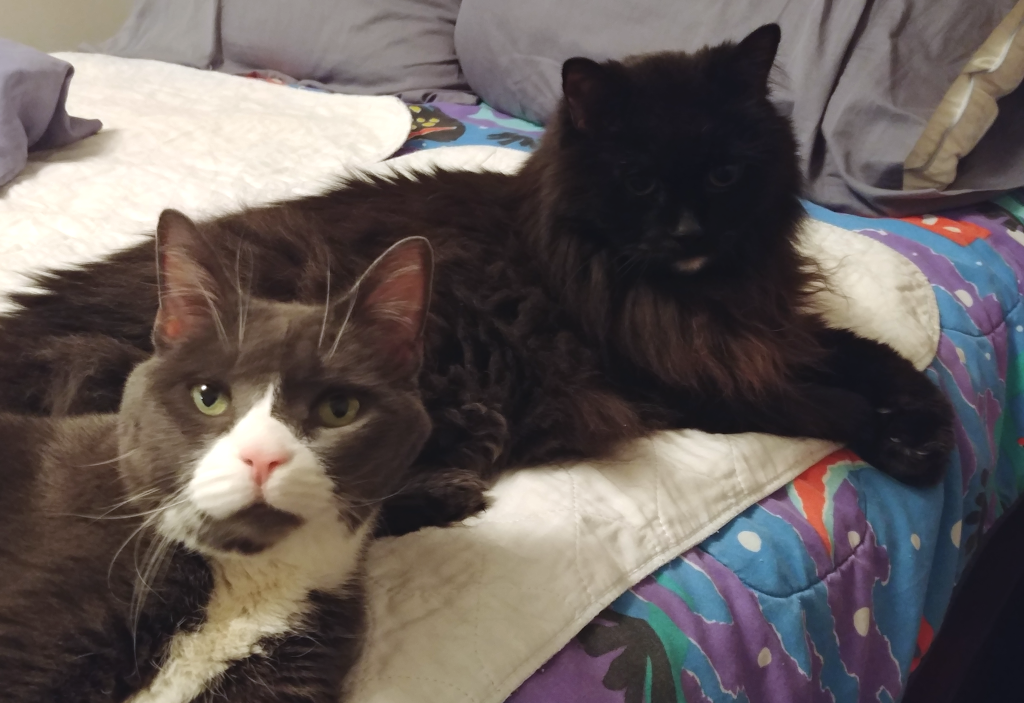
One of the first things many pet owners do when they realize their dog or cat is getting older is search for a pet age calculator. You type in your pet’s age, select dog or cat, and suddenly you’re given a “human age” that feels more relatable. Seeing that number can be eye-opening. It can also be emotional. A playful eight-year-old dog suddenly reads as a senior citizen. A ten-year-old cat looks far older on paper than they act at home.
At BellenPaws, we understand why those tools matter. We built cat and dog age calculators ourselves because they help bridge a mental gap. They give context. They make people pause and think, Okay… maybe things are changing. But after living with senior pets for decades, we’ve learned something important: age calculators are useful, but they are never the full story. They are the starting point, not the destination.
What Pet Age Calculators Do Well
Pet age calculators are good at one thing: perspective. They translate years into something humans instinctively understand. When someone realizes their cat is the equivalent of a person in their 60s or 70s, it often sparks a shift in mindset. That shift can be powerful. It might be the moment an owner starts thinking about softer food, more frequent vet visits, or adjusting the home environment.
Age calculators also help normalize aging. Many people don’t realize that cats are considered seniors around age 10 or 11, and dogs often much earlier depending on size and breed. Seeing that number can validate concerns someone already has but hasn’t fully acknowledged yet.
But here’s where calculators fall short.
Aging Isn’t Linear and Pets Prove That
Unlike people, pets don’t age in a straight, predictable line. Two pets of the same age can look and behave completely differently. One twelve-year-old cat might still sprint through the house at 3 a.m. while another sleeps most of the day and needs help jumping onto the couch. A senior dog might hike miles with their owner while another struggles with stairs.
Age calculators can’t account for genetics, past nutrition, lifestyle, stress, trauma, or chronic illness. They don’t know whether your pet was a former stray, whether they had untreated dental disease for years, or whether they developed diabetes or kidney disease early in life. Those factors matter far more than the number of birthdays they’ve had.
We’ve had pets who were “seniors” on paper but young at heart, and others who felt old long before the calendar said so. That’s why focusing only on age can be misleading.
Senior Is a Life Stage, Not a Diagnosis
 One of the biggest misunderstandings we see is the idea that “senior” automatically means “sick.” It doesn’t. Senior is simply a stage of life, like adolescence or adulthood. Some senior pets are incredibly healthy. Others live with multiple conditions that require daily management. Most fall somewhere in between.
An age calculator might tell you your pet is a senior, but it won’t tell you how they are aging.
That part comes from observation.
Is your pet drinking more water than before? Are they sleeping deeper or longer? Do they hesitate before jumping or climbing? Have their eating habits changed? Are they more vocal, more withdrawn, or more attached? These subtle shifts often matter more than the number returned by a calculator.
Why Individual Baselines Matter More Than Numbers
One of the most important lessons we’ve learned with senior pets is the value of knowing your pet’s “normal.” Every pet has a baseline of how much they usually eat, how often they use the litter box, how energetic they are, how social they tend to be.
When you know that baseline, changes stand out clearly. A pet age calculator can’t tell you that your cat used to greet you at the door but now waits until you come find them. It won’t notice that your dog takes longer to settle at night or needs extra encouragement to go outside in the cold.
Tracking these changes, mentally or on paper, can be incredibly helpful. That’s one reason tools like diabetes trackers and printable logs exist. They aren’t about turning pet care into a science experiment; they’re about helping owners see patterns that might otherwise be missed.
Chronic Conditions Change the Aging Experience
 Many senior pets live with chronic conditions such as diabetes, thyroid disorders, kidney disease, arthritis, or heart issues. These conditions don’t define a pet’s worth or happiness, but they do shape how aging looks for them.
For example, a diabetic cat may feel “older” sooner simply because their body has to work harder to maintain balance. Their care routine might involve scheduled meals, insulin, glucose checks, and close observation. That can be overwhelming at first, especially when paired with the emotional weight of seeing your pet labeled as “senior.”
This is where age calculators can unintentionally add stress. Seeing a high “human age” number alongside a diagnosis can make the future feel shorter than it really is. In reality, many pets with chronic conditions live comfortable, loving lives for years with consistent care.
Quality of Life Is the Real Metric
If there’s one thing we wish every senior pet owner focused on more than age, it’s quality of life.
- Is your pet comfortable?
- Do they still enjoy meals?
- Do they seek affection or companionship?
- Are they able to rest peacefully?
- Do they have moments of joy, curiosity, or contentment?
These questions matter more than whether your pet is the equivalent of 65 or 75 in human years. Quality of life isn’t about perfection. It’s about comfort, dignity, and connection.
We’ve seen pets with multiple diagnoses still greet each day with enthusiasm, and others with “minor” issues struggle deeply. The difference often comes down to individualized care and an owner who’s paying attention.
Tools Are Meant to Support, Not Replace, Intuition
At BellenPaws, we believe strongly in tools but only when they support, not override, common sense and intuition. Age calculators, trackers, printable forms, and charts are there to help you organize information, notice trends, and feel more confident in your care decisions.
They are not there to tell you how to feel about your pet, when to worry, or when to stop hoping.
Some days, caring for a senior pet means celebrating small victories: a good appetite, a steady glucose reading, a comfortable nap in a sunny window. Other days, it means acknowledging that things are changing and adjusting expectations with compassion.
Aging Happens to Owners Too
One thing rarely discussed in pet care is how deeply a pet’s aging affects the people who love them. When you’ve shared years or decades with an animal, their aging mirrors your own life changes. Routines shift. Priorities change. The relationship deepens in quieter ways.
Senior pets often become more emotionally connected to their people. They may seek reassurance, closeness, and familiarity. Caring for them can be exhausting at times, but it can also be profoundly meaningful.
Age calculators can’t measure that bond.
Starting With the Number, Ending With the Relationship
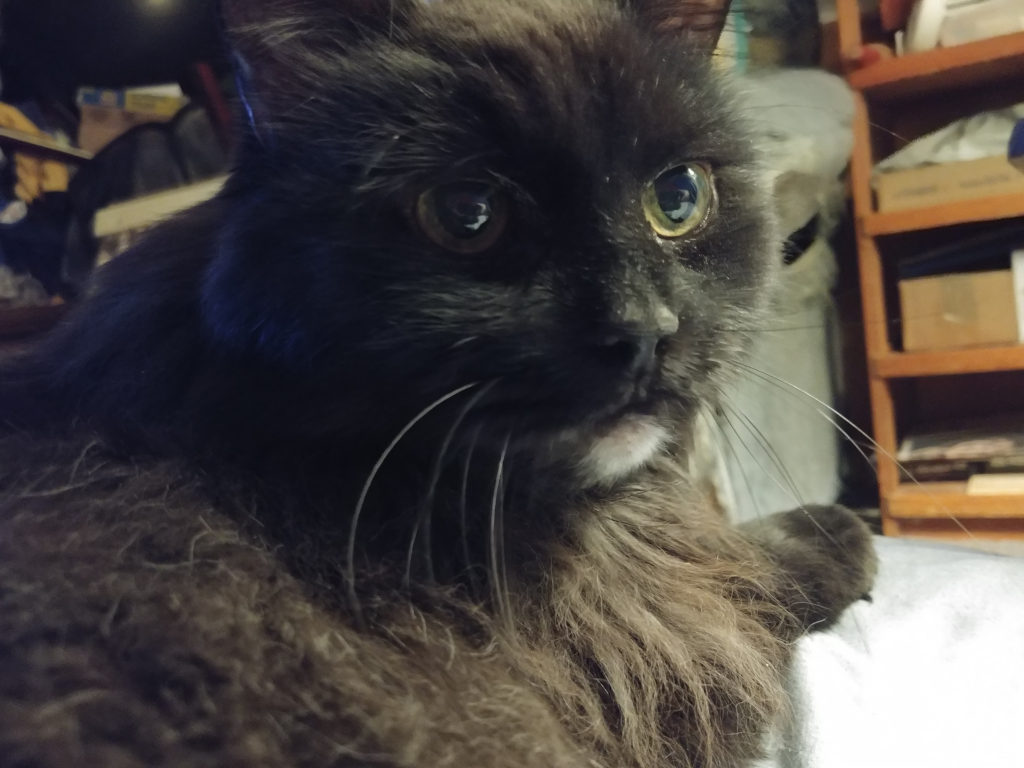 So yes use pet age calculators. Let them open the door to awareness. Let them prompt questions and conversations. But don’t stop there.
- Watch your pet.
- Listen to their habits.
- Respect their limits.
- Celebrate their resilience.
Senior pets aren’t defined by numbers. They’re defined by the lives they’ve lived and the love they still have to give. Every gray whisker, slower step, and longer nap tells a story, not of decline, but of experience.
At the end of the day, the most accurate “calculator” you have is the relationship you share with your pet. Everything else is just a tool to help you care a little better, notice a little sooner, and love a little deeper.