

Living with a senior cat is a quiet kind of devotion. It’s the slow mornings, the longer naps, the familiar routines that barely need words anymore. When you’ve shared years or decades with a cat, you know their habits as well as your own. That’s why cognitive changes can feel so unsettling when they appear. Something feels “off,” but it’s hard to put your finger on exactly what has changed.
Cognitive decline in senior cats is real, and it’s more common than many people realize. It’s also deeply misunderstood. Some changes are brushed off as “just old age,” while others spark fear that something is seriously wrong. The truth usually lives somewhere in the middle.
This article isn’t meant to diagnose or replace veterinary care. It’s meant to help you recognize what cognitive decline can look like in older cats, understand why it happens, and learn what has helped us and many other experienced pet owners support aging minds with patience, structure, and compassion.
What Cognitive Decline Actually Is (In Plain Terms)
Cognitive decline in cats is sometimes compared to dementia in humans, but that comparison only goes so far. At its core, it’s a gradual change in how the brain processes information. Memory, awareness, and problem-solving can all be affected over time.
In senior cats, this doesn’t usually happen overnight. It creeps in slowly, often alongside other age-related changes. The challenge is that cats are masters at hiding discomfort and adapting quietly, so by the time we notice something, it may have been developing for a while.
Cognitive decline doesn’t mean your cat no longer recognizes you or forgets everything they’ve learned. More often, it shows up as confusion, disrupted routines, or behaviors that feel out of character compared to how your cat used to be.
Common Signs You Might Notice at Home
Every cat ages differently, but there are patterns many senior cat owners eventually recognize. These behaviors don’t always mean cognitive decline on their own, but when several appear together or worsen over time they’re worth paying attention to.
One of the most common signs is disorientation. A cat may wander into a room and seem unsure why they’re there. Some stand and stare at walls or corners, as if something invisible has caught their attention. Others may get “stuck” behind furniture and vocalize until helped.
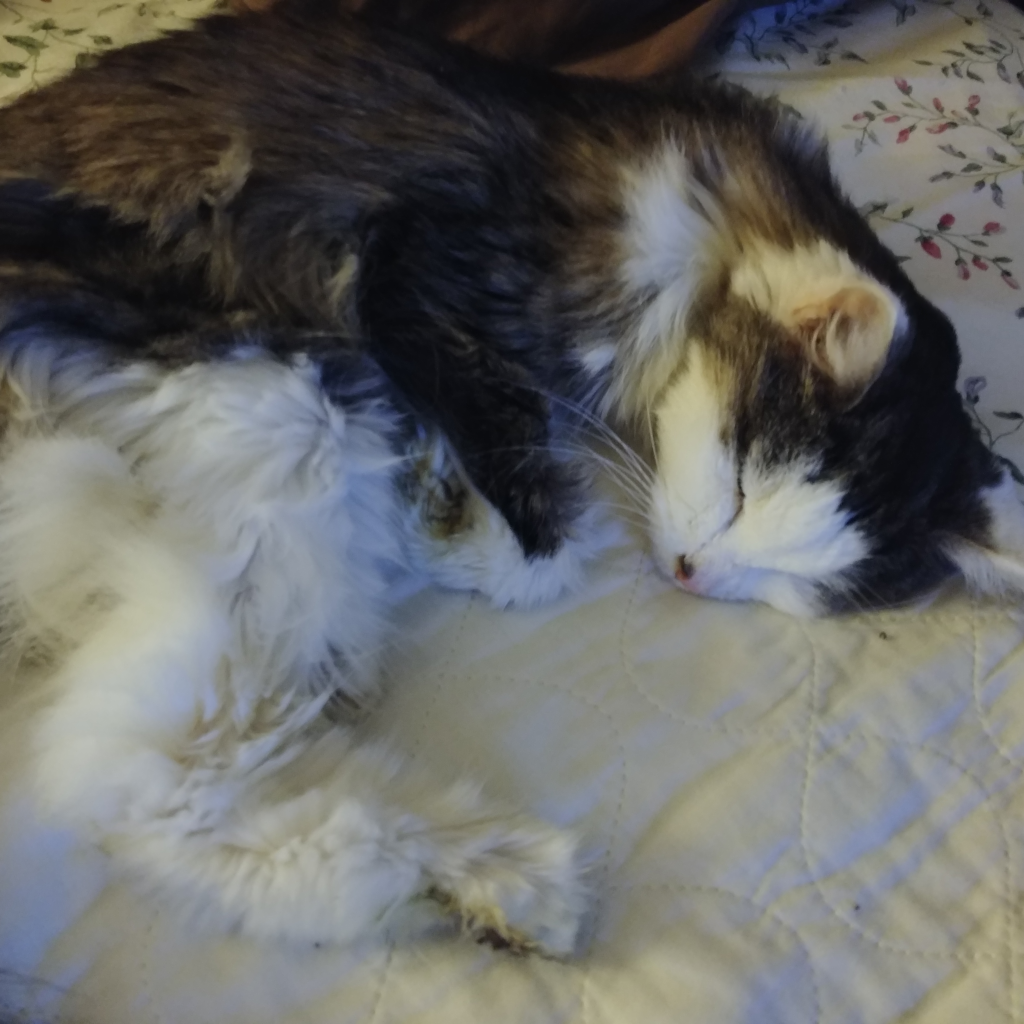 Changes in sleep patterns are another frequent clue. Senior cats often sleep more, but cognitive decline can flip the schedule entirely. A cat who once slept peacefully through the night may begin pacing, yowling, or waking their humans at odd hours. This nighttime confusion can be exhausting, but it’s usually rooted in anxiety rather than misbehavior.
Litter box issues can also appear, even in cats who have been perfectly reliable for years. This doesn’t always mean they’ve forgotten what the litter box is for. Sometimes they simply forget where it is, struggle to reach it in time, or feel disoriented once they arrive. Before assuming it’s behavioral, medical causes should always be ruled out.
You might also notice changes in social interaction. Some cats become more clingy, seeking reassurance and comfort. Others withdraw and seem less interested in affection. Both reactions can stem from confusion or a reduced sense of security.
Why Cognitive Changes Happen in Senior Cats
Aging affects every system in the body, and the brain is no exception. Over time, blood flow can decrease, inflammation can increase, and waste products may not clear as efficiently as they once did. These changes can impact how neurons communicate with each other.
Other health conditions often play a role as well. Cats with diabetes, kidney disease, thyroid issues, or high blood pressure may experience cognitive changes earlier or more noticeably. Pain, even when subtle, can also affect mental clarity. A cat who is uncomfortable may seem confused or irritable when they’re actually hurting.
This overlap is why cognitive decline is rarely a standalone issue. It usually exists alongside other age-related challenges, which is why a whole-cat approach matters so much.
What Helps: Supporting an Aging Mind at Home
While cognitive decline can’t be reversed, there is a lot that can be done to support quality of life. Small, thoughtful adjustments often make the biggest difference.
Keep the Environment Predictable
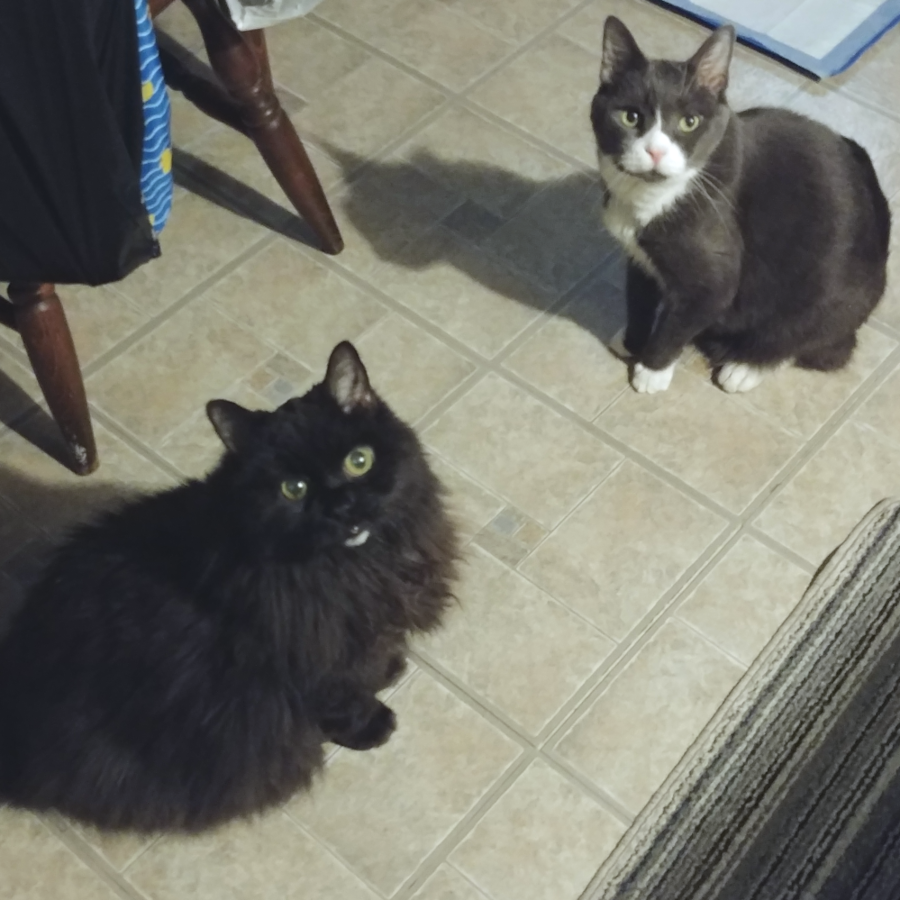 Routine becomes incredibly important for senior cats. Familiar paths, consistent feeding times, and stable furniture placement help reduce confusion. Rearranging the house or introducing major changes can be stressful for a cat whose internal map of the world is already shifting.
If your cat struggles to find food, water, or the litter box, consider adding additional stations around the house. Think of it as reducing the mental effort required to meet basic needs.
Night lights can also be surprisingly helpful. Soft lighting in hallways or near litter boxes can make nighttime navigation less confusing, especially for cats who also have declining vision.
Support the Body to Support the Mind
Brain health doesn’t exist in isolation. Nutrition, hydration, and overall wellness all play a role in how a senior cat feels mentally. Encouraging regular meals, maintaining stable blood sugar in diabetic cats, and monitoring weight changes can all contribute to better mental clarity. Dehydration, even mild, can worsen confusion, so making water easily accessible and appealing matters.
Some owners find that gentle play, even in short sessions, helps keep senior cats engaged. This doesn’t mean high-energy activity. Simple wand toys, slow movements, or puzzle feeders adapted for seniors can stimulate the mind without overwhelming the body.
Reduce Anxiety Wherever Possible
Cognitive decline often brings anxiety along with it. A confused cat may feel unsafe in situations that never bothered them before. Loud noises, unfamiliar guests, or sudden schedule changes can feel much more intense.
Creating safe, quiet spaces where your cat can retreat is essential. These spaces should be easy to access and free from competition with other pets. Familiar bedding, your scent, and consistent placement can all provide comfort. When nighttime vocalizing becomes an issue, try adding a calming routine before bed. A small meal, gentle affection, and a quiet environment can sometimes ease the transition into sleep.
When to Seek Veterinary Input
While this article avoids medical jargon, it’s important to say this clearly: any sudden or severe change in behavior should always be checked by a veterinarian. Cognitive decline develops gradually. Rapid changes can signal infections, pain, or other treatable conditions.
Even when cognitive decline is suspected, a vet visit can help rule out problems that may be worsening symptoms. Managing underlying conditions often improves mental clarity more than expected. Think of veterinary care as part of the support system, not a contradiction to experience-based care. Both can coexist and strengthen each other.
The Emotional Side of Watching a Cat Age
One of the hardest parts of cognitive decline isn’t the behavior. It’s the grief that comes with watching a beloved companion change. Senior cats carry years of shared history, routines, and quiet understanding. When that familiarity shifts, it can feel like a small loss every day.
It’s okay to feel sad, frustrated, or overwhelmed. Loving a senior pet means walking alongside them through changes you didn’t ask for. It also means recognizing that comfort, safety, and kindness matter more than perfection. Cats don’t measure their lives by clarity or memory. They measure them by warmth, consistency, and how safe they feel in your presence.
What Cognitive Decline Doesn’t Mean
It’s important to say what cognitive decline is not. It does not mean your cat is “gone,” ungrateful, or intentionally difficult. It does not erase the bond you’ve built. And it does not mean their life has lost value.
Many senior cats with cognitive changes still enjoy affection, food, sunshine, and familiar voices. Their needs may shift, but their capacity for comfort remains.
Walking This Path Together
 At BellenPaws, everything we share comes from years of living with senior animals through every stage of life. We’ve learned that aging isn’t something to fix. It’s something to support.
Cognitive decline in senior cats asks us to slow down, adjust expectations, and meet our companions where they are now, not where they used to be. It invites patience, creativity, and compassion.
If you’re walking this path with a senior cat, you’re not alone. Every small accommodation you make like every night light, extra litter box, gentle reassurance, adds up to a life that still feels safe and loved. And in the end, that’s what matters most.