

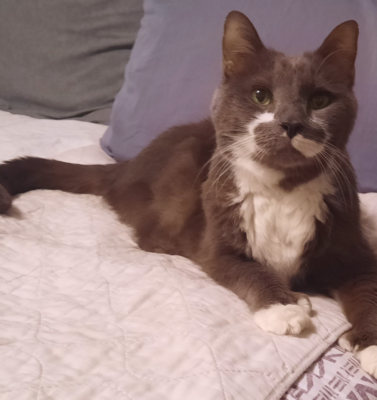
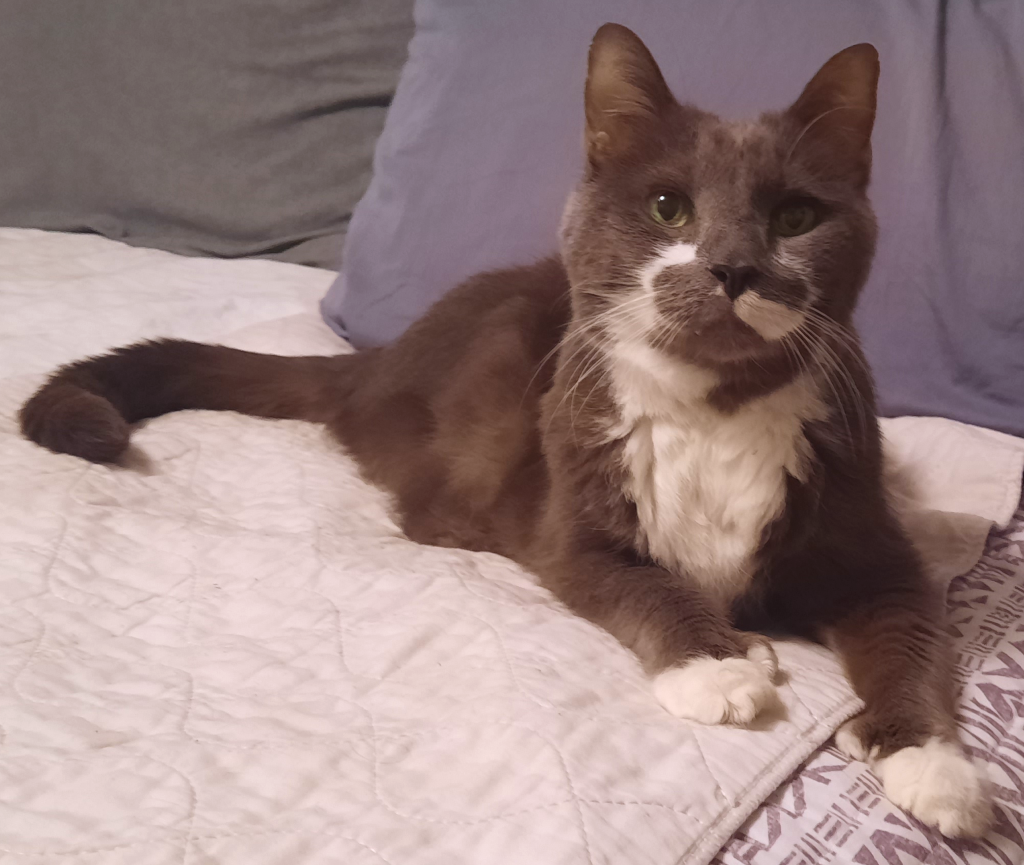
There is a quiet moment that many pet owners remember clearly. It is the first time you realize your pet is no longer young. Maybe they hesitate before jumping onto the couch, sleep a little longer in the morning, or look at you with the same loving eyes but a slower body behind them. For those of us who share our lives with animals long enough, this moment arrives whether we are ready for it or not.
Caring for a senior pet is not about heroic gestures or expensive treatments. It is about loyalty in its most practical form. It is about staying present when routines change, when patience is tested, and when love becomes something you actively practice every day rather than something that simply happens.
Many pets spend their early years giving endlessly to their families. They adapt to our schedules, forgive our mistakes, and offer comfort without being asked. When they reach their senior years, they are not asking for repayment. They are asking for understanding. Meeting that request is one of the most meaningful expressions of loyalty a pet owner can offer.
Loyalty Is Showing Up Every Day
 Senior pets often require more attention, but not always in obvious ways. Some changes are subtle and easy to miss if life is busy. A cat who used to groom perfectly might start looking a little unkempt. A dog who once bounded up the stairs may pause halfway. These moments are not failures. They are invitations to notice and respond.
Showing up for a senior pet means paying attention to patterns rather than isolated events. One missed jump is not alarming, but a steady change in mobility is worth addressing. One accident in the house might be stress, but repeated accidents could mean pain, confusion, or a medical issue. Loyalty lives in these small acts of observation.
It also lives in routine. Senior pets often thrive when their days are predictable. Feeding times, medication schedules, walks, and rest periods all become anchors. Maintaining consistency helps reduce anxiety and supports aging bodies that no longer adapt as quickly to change.
Adjusting the Home With Compassion
As pets age, their environment can either support them or work against them. Small changes at home can make a big difference in comfort and confidence. These adjustments do not need to be complicated or expensive.
Soft bedding placed in warm, quiet areas gives aging joints relief and encourages restful sleep. For cats, lower litter boxes or ones with a single low entry can prevent discomfort. For dogs, ramps or steps can reduce strain when getting onto furniture or into vehicles.
Even something as simple as rearranging furniture to create clear walking paths can help pets with vision loss or balance issues. These changes send a message that your home is still their home, adapted to meet them where they are now.
Feeding the Pet in Front of You
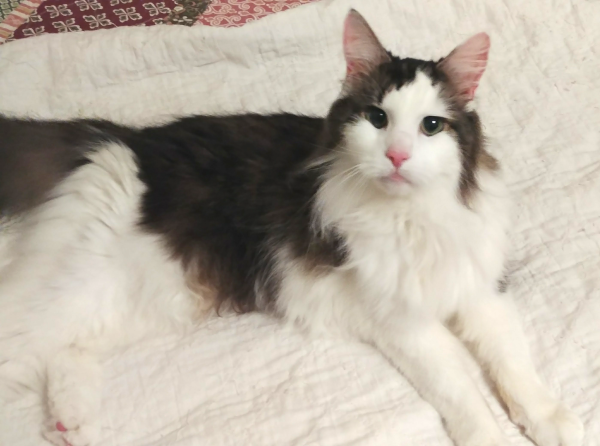 One of the most challenging aspects of senior pet care is letting go of old assumptions about food. A diet that worked for years may no longer be appropriate. Aging changes how bodies process nutrients, manage weight, and regulate blood sugar.
Some senior pets lose weight without trying, while others gain weight despite eating less. Appetite changes can signal discomfort, dental issues, or underlying illness. Paying attention to eating habits becomes part of daily care.
For pets with diabetes, feeding becomes even more structured. Timing meals with insulin, monitoring appetite, and tracking glucose levels are acts of loyalty that require commitment. They can feel overwhelming at first, but they become manageable through routine and record keeping. Tools like printable logs and glucose trackers exist because no one should have to rely on memory alone when caring for a medically complex pet.
Managing Chronic Conditions With Patience
Many senior pets live with chronic conditions rather than short-term illnesses. Kidney disease, thyroid disorders, arthritis, diabetes, and heart conditions often become part of daily life. Managing these conditions is not about curing them but about maintaining comfort and stability.
This type of care asks for patience. There may be days when medications are refused, numbers fluctuate, or symptoms appear without warning. These moments can be frustrating and emotionally draining. Loyalty does not mean doing everything perfectly. It means continuing even when progress feels slow or unclear.
Learning how your pet responds to treatment takes time. What works for one animal may not work for another. Adjustments are normal. Recording symptoms, behaviors, and test results helps you notice trends and share useful information with professionals when needed.
Emotional Care Matters Too
 Senior pets are not just aging bodies. They are emotional beings who often become more sensitive as they grow older. Some develop anxiety, confusion, or changes in sleep patterns. Others become more attached and seek reassurance more often.
Responding to these emotional needs is part of loyal care. Gentle reassurance, calm voices, and physical closeness can ease stress. For pets experiencing cognitive changes, maintaining familiar routines and environments can reduce disorientation.
Grief can also exist before loss. Watching a beloved pet age brings complicated emotions. Allowing yourself to feel those emotions does not weaken your care. It strengthens it by reminding you why presence matters.
Choosing Quality Over Perfection
One of the hardest lessons in senior pet care is accepting limits. There is a point where doing more does not always mean doing better. Endless testing or aggressive interventions may not align with a pet’s comfort or personality.
Loyalty sometimes means choosing quality of life over chasing ideal outcomes. This is not about giving up. It is about listening carefully to what your pet is telling you through behavior, energy, and comfort.
Comfort-focused care can include pain management, stress reduction, and adapting expectations. A shorter walk can still be a meaningful walk. A quiet afternoon together can be more valuable than stimulation. These choices honor the bond you share rather than an abstract standard of care.
The Role of Trust
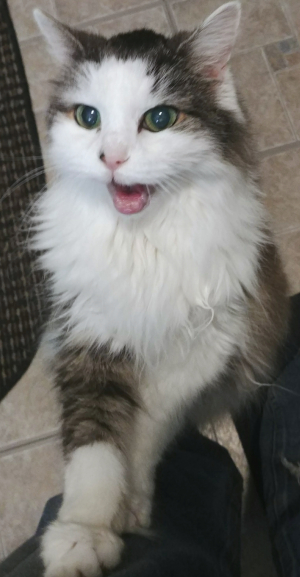 Senior pets often trust their humans completely. They allow medications, injections, grooming, and handling because they believe they are safe. Preserving that trust is essential.
Moving slowly, explaining actions through tone, and rewarding cooperation all help maintain a sense of security. If care routines become rushed or stressful, trust can erode. Taking an extra moment to breathe and reset can make a difference for both of you.
Trust also involves knowing when to ask for help. No one has all the answers. Seeking guidance, using tools, and learning from others does not diminish your role. It strengthens it.
Legacy and Love
Caring for a senior pet changes how you see loyalty. It becomes less about what your pet can do for you and more about who you choose to be for them. The bond deepens not because life is easy but because it is shared honestly.
Every adjustment, every note written in a log, every late-night check is part of a story your pet will never forget, even if memory fades. You are the constant in their world, the familiar voice and presence that says they are not facing aging alone.
When the time eventually comes to say goodbye, many owners find comfort in knowing they stayed. They adapted, learned, and chose compassion again and again. That knowledge does not erase grief, but it does soften regret.
Caring for a senior pet is an act of loyalty that leaves a lasting mark on both sides of the bond. It teaches patience, humility, and a deeper understanding of love. Long after routines end and tools are no longer needed, the quiet legacy of that care remains, written into who you are and who your pet knew you to be.