

When people think about bonding with a pet, they often picture the early days. There is the excitement of a new puppy or kitten, the first weeks of training, and the feeling that you are growing up together. That kind of bond is real and meaningful, but it is not the only kind that exists. Senior pets form bonds too, and those bonds often feel deeper, quieter, and more intentional. Many people who open their hearts to an older animal are surprised by how strong and personal the connection becomes.
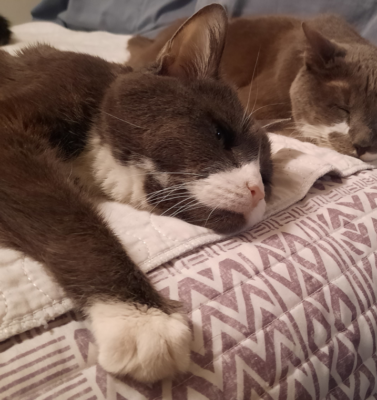
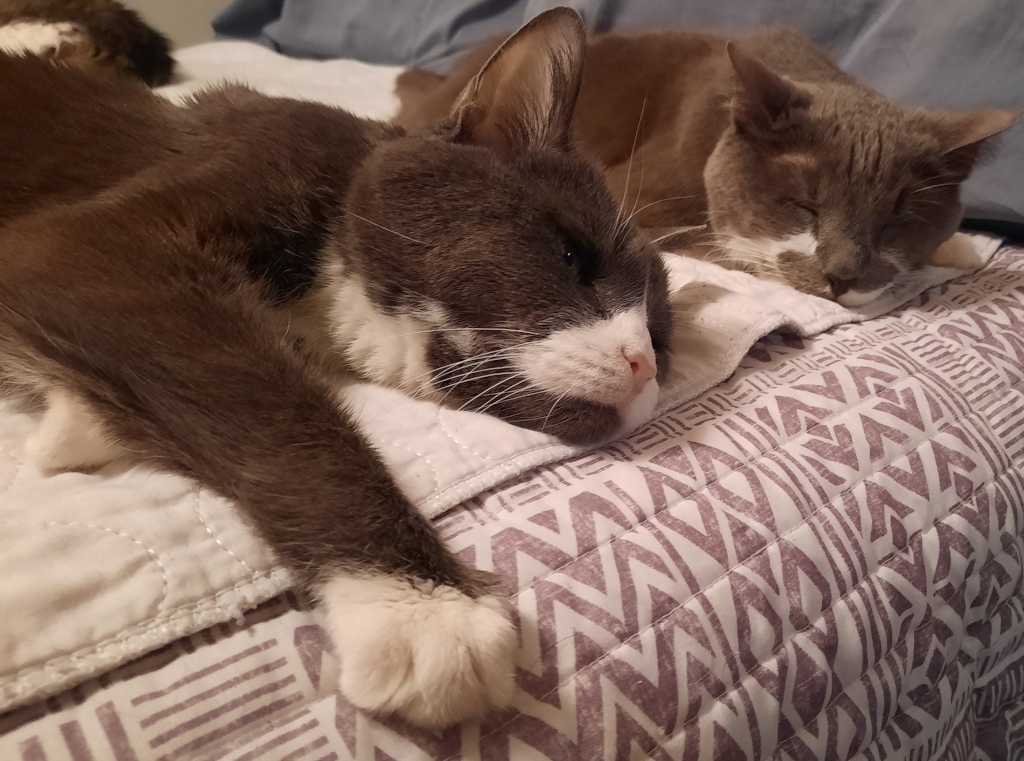
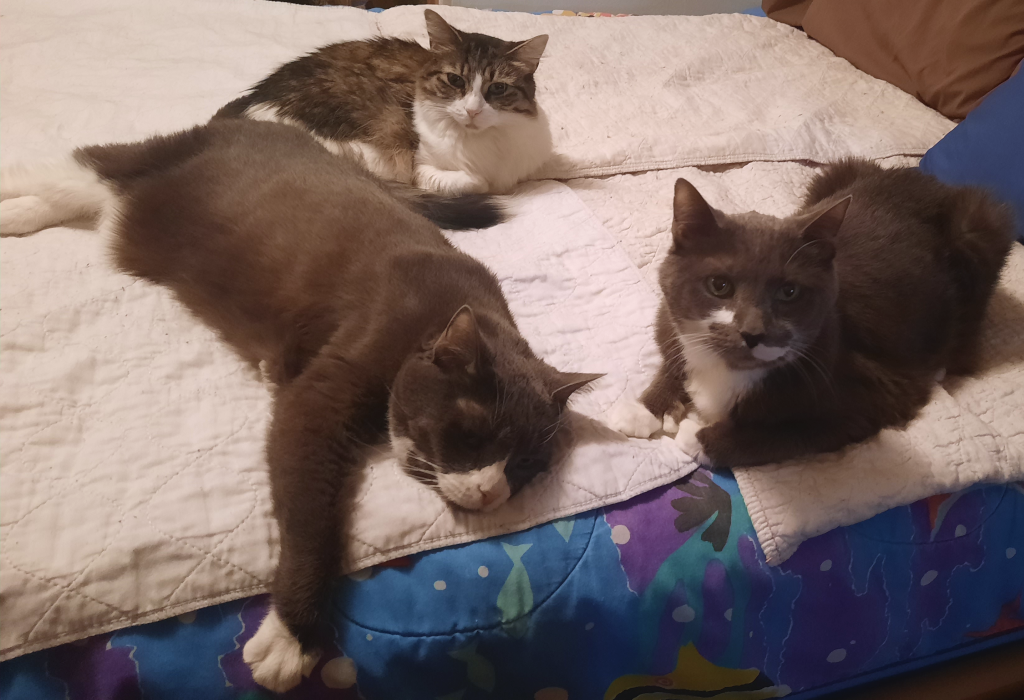
At BellenPaws, our lives have been shaped by senior pets. Belle and Paws, the sibling cats who inspired this site, came to us later in life and taught us lessons we never expected to learn. Over the years, we have shared our homes with many older cats and dogs, some healthy, some fragile, and some managing long term conditions like diabetes or kidney disease. Again and again, we noticed something that was hard to explain at first. Senior pets bond differently than younger animals, and once you experience it, you feel it in your bones.
This difference is not about one bond being better than another. It is about how life experience, vulnerability, and shared time shape the relationship between humans and animals.
Life Experience Changes How Pets Connect
 A senior pet has already lived a full chapter before you met them. They have learned routines, formed habits, and experienced change. Some have known multiple homes, shelters, or periods of uncertainty. Others have spent years with one family before losing them. That history matters, even if we never know all the details.
Because of this experience, senior pets tend to be more observant. They watch before they act. They learn the rhythms of a new home quietly and with care. When they decide to trust, it is not impulsive. It is deliberate. That choice creates a bond that feels earned rather than automatic.
Younger animals often bond through energy and dependence. They need guidance for everything, and that need creates closeness. Senior pets bond through recognition. They seem to look at you and say, I see who you are, and I choose you. That feeling can be incredibly powerful for an owner.
Senior Pets Understand Comfort in a Different Way
Comfort means something different to an older animal. A young pet often finds comfort in play, stimulation, and exploration. Senior pets value safety, predictability, and gentle presence. Their bodies may ache. Their senses may be changing. They notice small things that younger pets overlook.
A senior cat choosing to sit near you instead of on you is still bonding. A senior dog resting their head against your leg instead of jumping into your lap is expressing trust. These moments are quieter, but they are no less meaningful.
Over time, many owners notice that senior pets tune into emotional states more closely. They seem to know when a day has been hard or when comfort is needed. This is not magic. It is the result of experience and sensitivity shaped by age.
Shared Vulnerability Deepens the Bond
 As pets age, vulnerability becomes part of daily life. There may be medications, special diets, mobility changes, or conditions like diabetes that require routine monitoring. These moments of care create a unique closeness between pet and owner.
When you test blood glucose, give insulin, help a dog stand, or clean a litter box more often, you are entering into a partnership. Your pet learns that you are a source of safety during uncomfortable moments. That trust builds quickly and deeply.
We have seen this firsthand with diabetic cats. The routine of care becomes a language of its own. Even when a pet does not enjoy every step, they learn that your hands bring relief, stability, and consistency. That knowledge changes the relationship.
Senior Pets Value Presence Over Activity
One of the biggest differences in bonding is how time is shared. Younger pets often bond through doing. Walks, games, training sessions, and adventures fill the day. Senior pets bond through being.
Sitting together becomes an activity. Napping in the same room becomes connection. A quiet evening on the couch becomes meaningful time. This slower pace invites owners to notice small details they might have missed before.
Many people tell us that senior pets taught them how to slow down. In that slower space, the bond grows stronger. It becomes less about what you do together and more about how you feel together.
Trust Looks Different in Older Animals
Trust in a senior pet is often subtle but profound. It shows up in small behaviors. A cat who sleeps deeply near you. A dog who relaxes fully when you are in the room. A pet who allows you to help them without resistance.
These signs of trust do not always appear immediately. Senior pets may test the environment first. They watch how you respond to mistakes, accidents, or fear. Once they decide you are safe, the bond solidifies.
That moment can feel life changing for an owner. Knowing that an animal with history and experience has chosen to trust you carries weight.
The Bond Is Shaped by Time Awareness
 One truth that many senior pet owners carry quietly is the awareness that time is limited. This awareness changes how the bond is experienced. Moments feel more precious. Small improvements feel like victories. Simple routines feel sacred.
This does not mean living in constant sadness. It means living with intention. Senior pets seem to sense this shift too. They often respond with a depth of presence that feels almost like gratitude.
Owners often tell us that senior pets taught them how to love without rushing. That lesson stays long after the pet is gone.
Senior Pets Communicate More Clearly
Many older pets have learned how to communicate their needs efficiently. They may not cry for attention or act out as much as younger animals. Instead, they use clear signals. A look. A posture. A quiet sound.
As owners learn to read these signals, communication becomes smoother. This mutual understanding strengthens the bond. You are no longer guessing what your pet needs. You are responding to a shared language.
This clarity can be especially important for pets with medical conditions. Being able to notice subtle changes in behavior or comfort can make daily care easier and more effective.
The Bond Changes the Owner Too
One of the most overlooked parts of senior pet bonding is how much it changes the human. Caring for an older animal often builds patience, empathy, and resilience. It teaches acceptance and presence.
Many people who have loved senior pets say they became better listeners, not just to animals, but to people as well. The bond leaves a mark that extends beyond pet ownership.
At BellenPaws, this transformation is part of why we continue to focus on senior pets. They do not just need care. They offer growth.
Why This Bond Matters
 Understanding how senior pets bond differently helps owners set realistic expectations. It prevents disappointment when a pet is not playful or energetic. It allows people to recognize connection in quieter forms.
It also helps people see the value in adopting or caring for an older animal. Senior pets are often overlooked, yet they have so much to offer. Their bonds are rich, layered, and deeply rewarding.
When people realize that bonding does not end with youth, it opens doors. It creates space for compassion and understanding.
Honoring the Bond Every Day
Bonding with a senior pet is not about grand gestures. It is about consistency. Routine. Gentle care. Respect for limits. Celebration of small joys.
Using tools like age calculators, health trackers, or printed logs can help owners stay organized and confident. That confidence transfers to the pet. A calm caregiver creates a calm environment.
Whether your senior pet is healthy or managing a condition, the bond you share is shaped by mutual trust and presence.
A Quiet Kind of Love
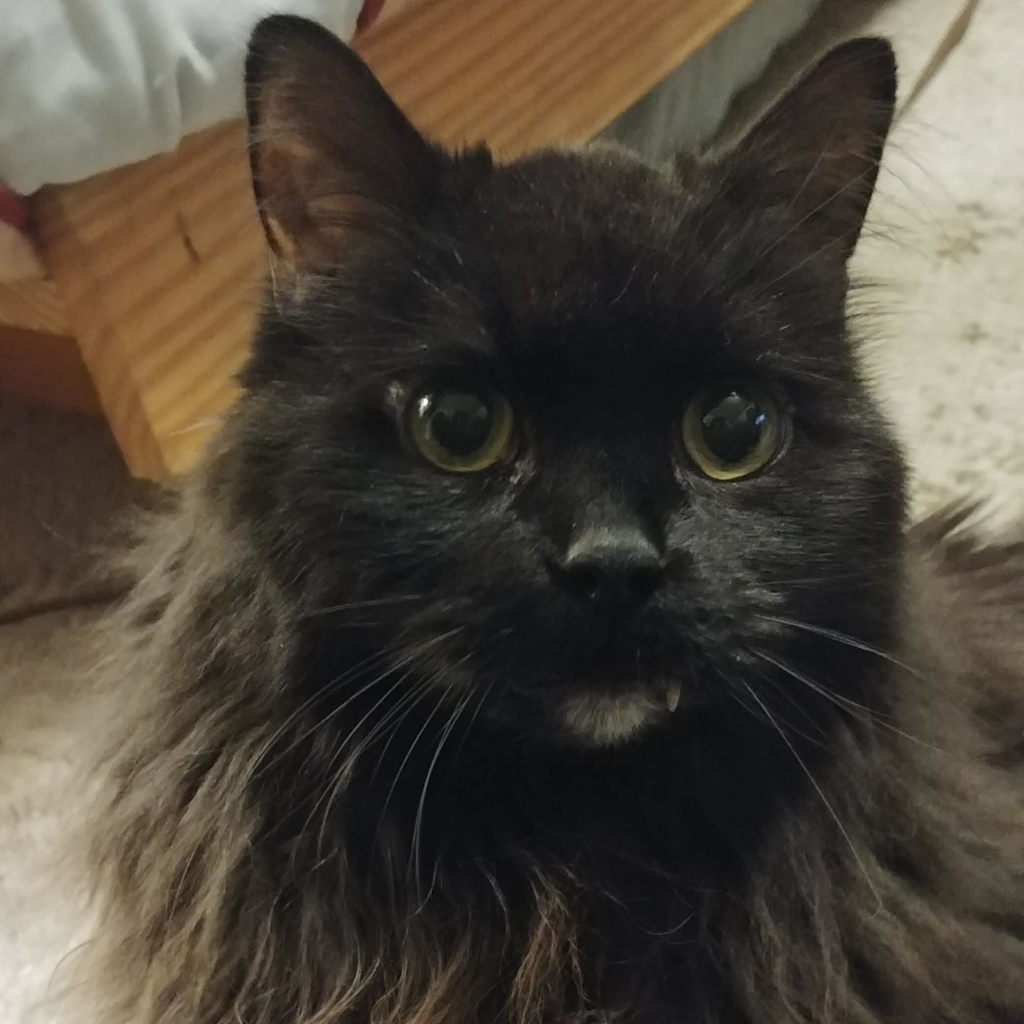 Senior pets may not demand attention the way younger animals do. They may not fill your home with chaos or constant motion. What they offer instead is steadiness, understanding, and a quiet kind of love that runs deep.
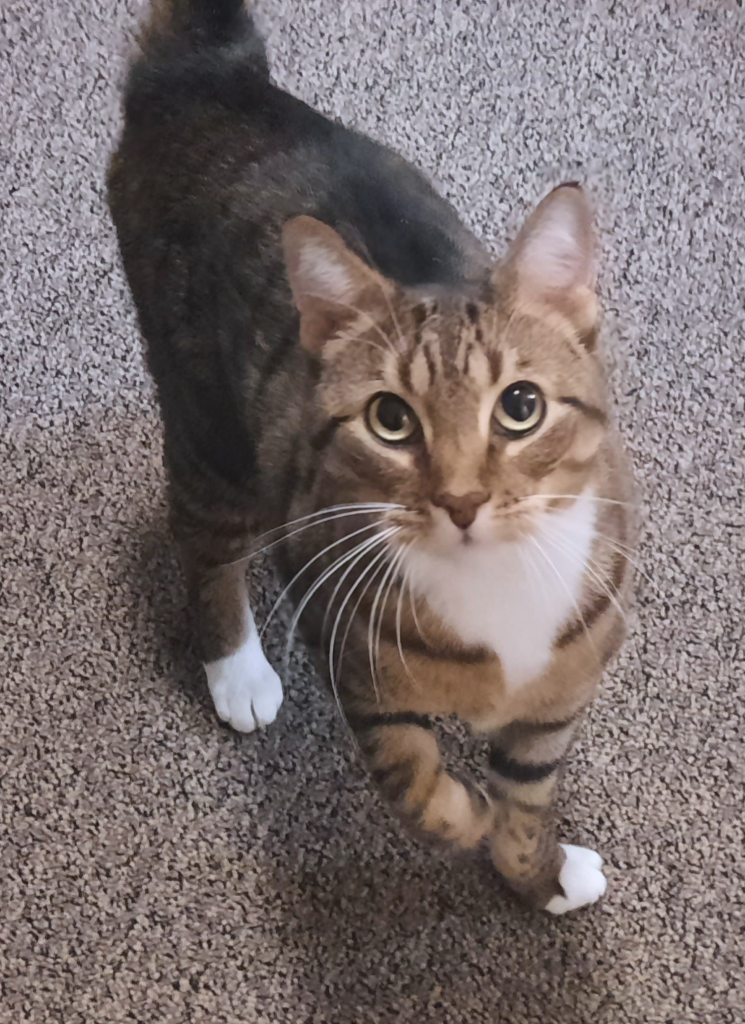
Belle and Paws taught us that love does not fade with age. It changes form. It becomes more intentional. More grounded. More honest.
If you are sharing your life with a senior pet, know that the bond you are building is special. It is built on shared time, mutual respect, and the understanding that love does not need to be loud to be strong.
That is the heart of why senior pets bond differently, and why those bonds are often the ones we remember most.