As dogs grow older, their bodies begin to change in ways that can surprise even the most attentive owners. A dog who once stayed lean on the same amount of food may start to put on weight. Another may look thinner even though their appetite seems unchanged. These changes often lead to confusion and worry, especially when you are trying to do the best thing for a senior dog who has already given you years of love and loyalty.
One of the most common and misunderstood changes in aging dogs is the balance between muscle loss and weight gain. These two things can happen at the same time, which makes the situation even more confusing. A dog may be losing muscle while gaining fat, and the scale alone does not tell the full story. Understanding what is happening inside an aging body can help you make better choices for your dog’s comfort, mobility, and quality of life.
Why Aging Dogs Change Shape
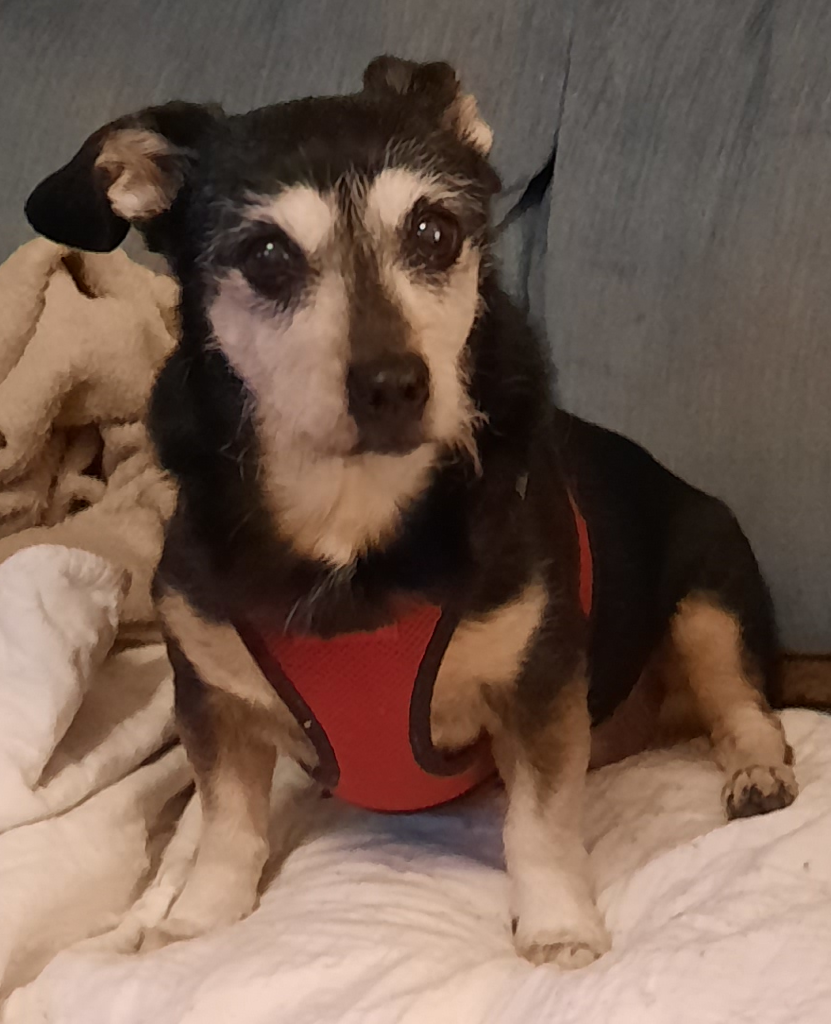 When dogs are younger, their bodies are efficient at building and maintaining muscle. They run, jump, and play more, which naturally keeps muscles strong. As dogs age, they tend to slow down. This slowdown may be subtle at first, such as shorter walks or fewer zoomies, but over time it adds up.
Muscle needs regular use to stay strong. When activity levels drop, muscles begin to shrink. This process is called muscle loss, and it is very common in senior dogs. At the same time, older dogs often burn fewer calories because they move less and their metabolism slows. If their food intake stays the same, extra calories are stored as fat.
This combination can make a dog look heavier in some areas while becoming weaker overall. The back legs may appear thinner, the belly may sag more, and the dog may have trouble getting up from the floor. These changes are not signs of laziness or neglect. They are a normal part of aging, but they do need attention.
Muscle Loss in Senior Dogs
Muscle loss in aging dogs often starts in the hind legs and hips. This is why many senior dogs struggle with stairs, jumping into the car, or standing up after resting. You may notice that your dog’s legs look bonier or that their spine feels more prominent when you pet them.
Muscle loss can happen even if a dog is eating well. Protein intake, activity level, and underlying health issues all play a role. Conditions like arthritis can cause pain, which leads dogs to move less. Less movement leads to more muscle loss, creating a cycle that can be hard to break.
Muscle loss does more than change how a dog looks. It affects balance, stability, and confidence. Dogs with weaker muscles are more likely to slip on floors, fall, or avoid activities they once enjoyed. Over time, this can reduce their independence and overall happiness.
Weight Gain in Older Dogs
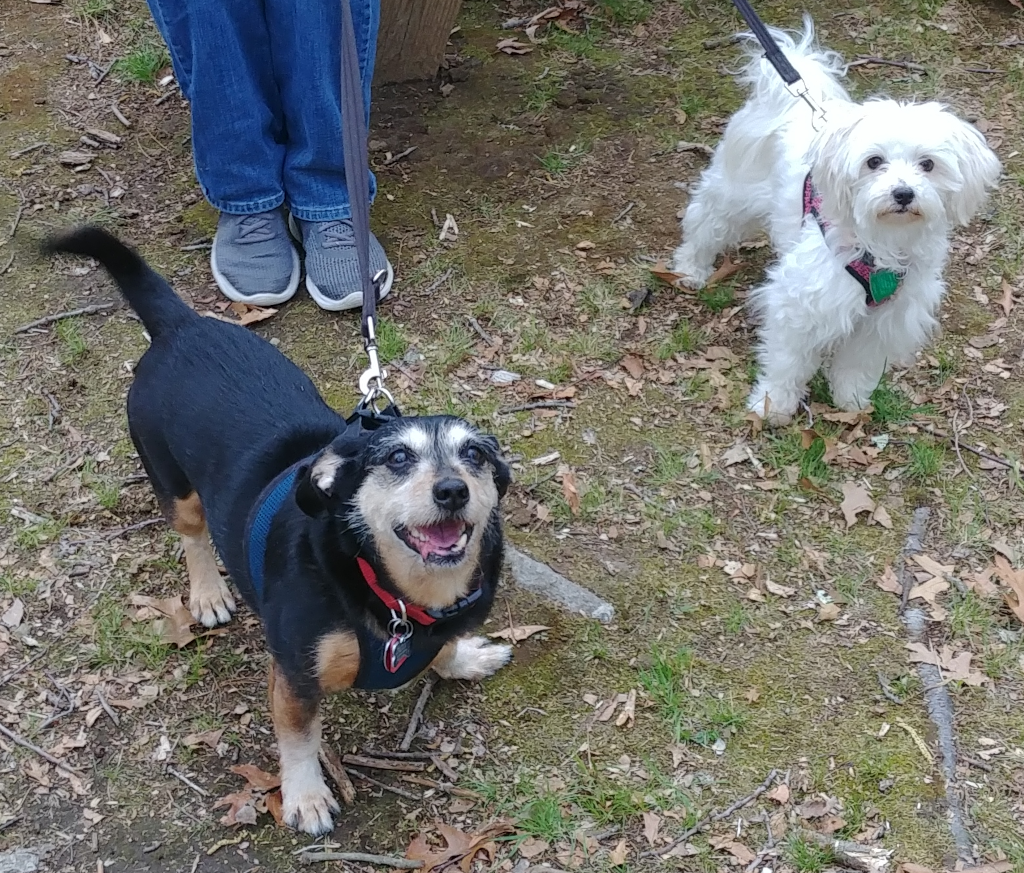 Weight gain is often easier to spot than muscle loss, but it is not always easier to manage. Extra weight puts strain on joints, the heart, and other organs. In senior dogs, this added strain can worsen existing problems like arthritis, breathing issues, or diabetes.
Weight gain in older dogs is not always about overeating. Even a modest amount of food can be too much if a dog’s calorie needs have dropped. Treats, table scraps, and changes in routine can all contribute without owners realizing it.
Some dogs also gain weight because of medical conditions. Thyroid issues, hormone imbalances, and certain medications can affect weight. This is why unexplained weight gain should always be discussed with a veterinarian, even though daily care decisions happen at home.
Muscle Loss and Weight Gain Can Happen Together
One of the hardest things for owners to understand is that a dog can be overweight and under muscled at the same time. This means the dog may look rounder but feel weaker. Relying only on the number on the scale can be misleading.
A better way to assess your dog is by looking at how they move and how their body feels. Can you feel muscle along the thighs and shoulders, or does the area feel soft? Does your dog tire quickly on walks? Do they struggle with tasks that used to be easy?
Paying attention to these details gives you a clearer picture of what your dog actually needs. The goal is not just a lower number on the scale, but a stronger and more comfortable dog.
How Diet Plays a Role
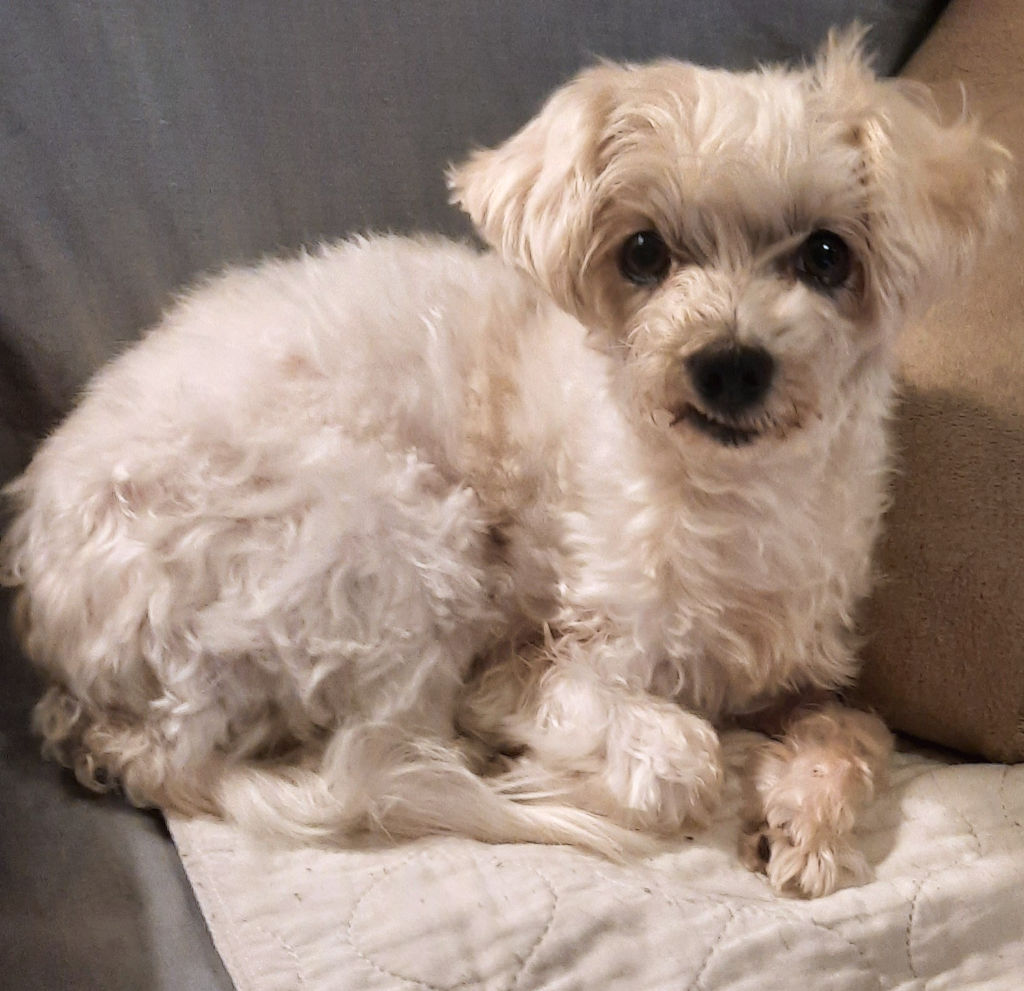 Diet is one of the most important tools you have when supporting an aging dog. Senior dogs often need fewer calories but still require quality nutrients. Protein is especially important for maintaining muscle, but it needs to be balanced with your dog’s overall health.
Not all senior dogs need a low protein diet. In fact, many benefit from higher quality protein to help slow muscle loss. The key is choosing food that matches your dog’s activity level, weight, and medical needs. If your dog has kidney disease or another condition, dietary choices may need extra care.
Portion control is just as important as food quality. Measuring meals instead of guessing can prevent gradual weight gain. Treats should be counted as part of daily intake, not added on top. Small changes made consistently can have a big impact over time.
The Role of Gentle Exercise
Exercise does not stop being important just because a dog is old. It simply changes. Gentle, regular movement helps maintain muscle, supports joint health, and improves mental well being. Short walks, light play, and controlled activities are often better than long or intense sessions.
Consistency matters more than intensity. A daily walk at a comfortable pace can do more for muscle maintenance than occasional bursts of activity. Even indoor exercises, like slow leash walks around the house or gentle stretching, can help.
Always watch your dog’s signals. Stiffness, heavy panting, or reluctance to continue are signs to slow down or stop. The goal is to support your dog, not push them past their limits.
Comfort and Environment Matter
 An aging dog’s environment can either support or hinder their physical health. Slippery floors make weak muscles work harder and increase the risk of injury. Adding rugs or mats can help dogs feel more secure when walking.
Raised food and water bowls may make eating more comfortable for dogs with joint or neck issues. Supportive bedding helps reduce pressure on sore joints and encourages better rest, which is important for recovery and muscle maintenance.
Simple changes around the home can make it easier for a senior dog to stay active and confident. When dogs feel safe moving, they are more likely to keep using their muscles.
Monitoring Changes Over Time
Keeping track of your dog’s condition over time can help you spot problems early. Regular weigh ins, gentle body checks, and notes about mobility can reveal patterns you might otherwise miss.
Some owners find it helpful to use tools like age calculators to better understand where their dog is in the aging process. Others track health data related to conditions like diabetes, which can also affect weight and muscle. Writing things down creates a clearer picture and makes conversations with professionals more productive.
Changes do not happen overnight. Muscle loss and weight gain are gradual, which means they can often be managed with gradual adjustments.
Emotional Impact on Owners
Watching a beloved dog change can be emotionally difficult. Many owners feel guilt when their dog gains weight or loses strength, even when they are doing everything they can. It is important to remember that aging is not a failure on anyone’s part.
Senior dogs still enjoy life deeply. They may move slower, but they value comfort, routine, and companionship more than ever. Your attention and care mean far more to them than a perfectly toned body.
Being kind to yourself is part of being a good caregiver. Experience teaches that love, patience, and small thoughtful choices make a real difference.
Finding Balance in the Senior Years
The balance between muscle loss and weight gain is not about chasing youth. It is about supporting your dog where they are now. Every dog ages differently, and there is no single right approach for all seniors.
By focusing on gentle movement, appropriate nutrition, and a comfortable environment, you can help your dog stay stronger and happier for as long as possible. Pay attention to how your dog feels, not just how they look.
Senior dogs have earned their gray faces and slower steps. With understanding and care, their later years can still be full of warmth, dignity, and connection.