

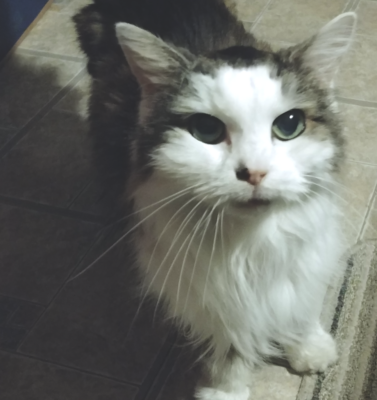
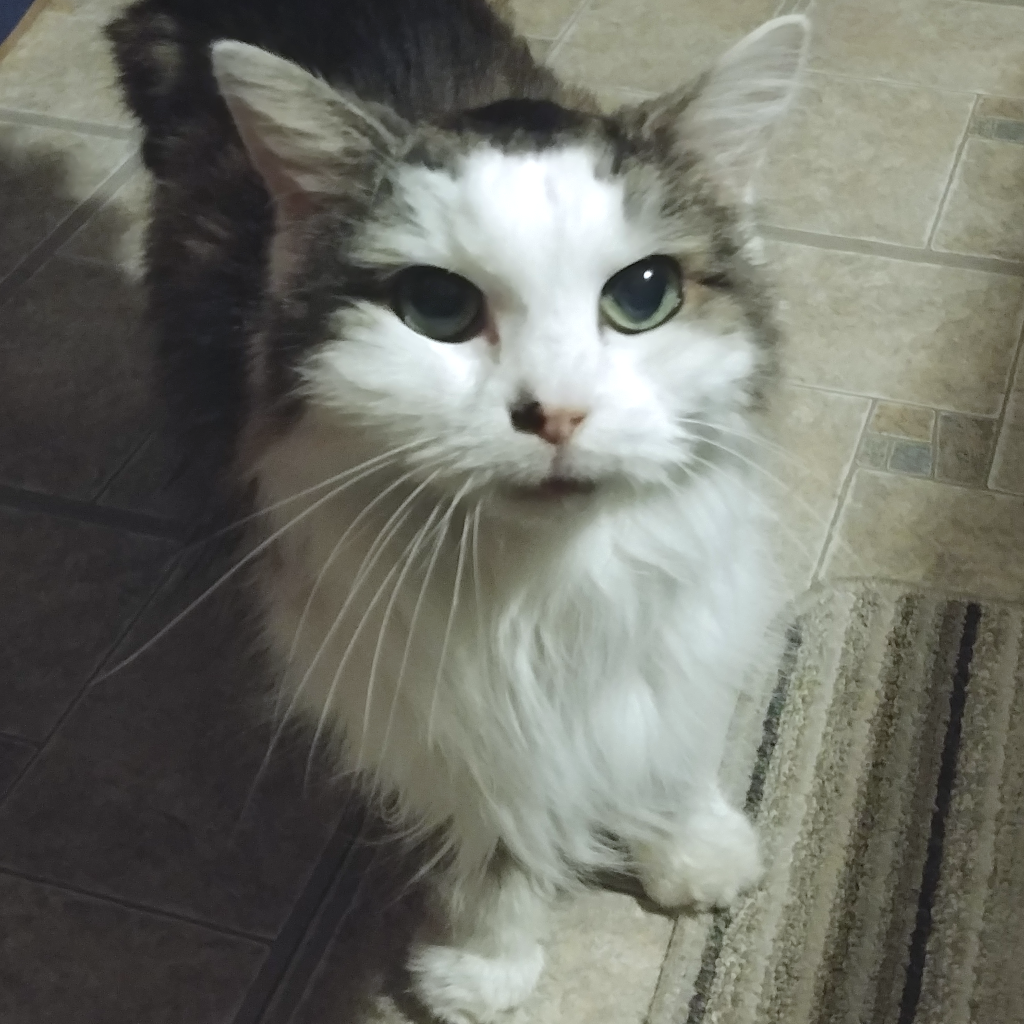
Bringing a semi-feral cat indoors is one of the most challenging and rewarding things a pet owner can do. It is not a quick process, and it is rarely linear. Progress often comes in small steps, followed by pauses or setbacks, but every bit of patience you invest matters more than you might realize.
At BellenPaws, our lives have been shaped by senior pets and by cats who needed extra understanding. While every cat is different, the lessons we have learned over decades apply again and again. This article is written from experience, not from textbooks, and it is meant to help everyday people navigate a situation that can feel overwhelming at first.
Understanding What “Semi-Feral” Really Means
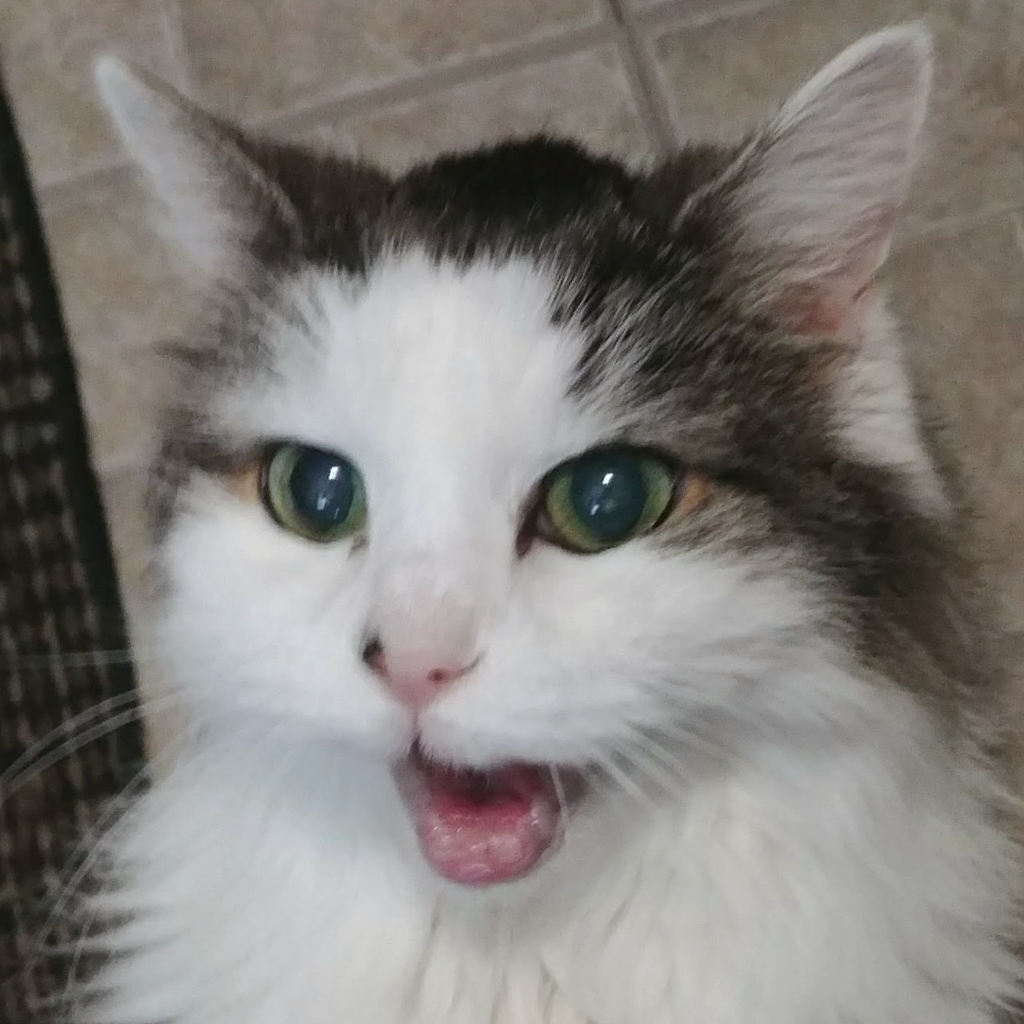 A semi-feral cat is not the same as a fully feral cat. Semi-feral cats have had some level of human interaction, even if it was inconsistent or stressful. They may have lived outdoors for years but still show curiosity about people, food routines, or indoor spaces.
These cats often live in a constant state of alertness. They are used to relying on instinct rather than trust. Indoors, they are not being stubborn or ungrateful when they hide or hiss. They are trying to make sense of a world that suddenly feels unfamiliar and confined.
Understanding this mindset is the foundation of a successful transition. Your goal is not to change the cat overnight. Your goal is to make indoor life feel predictable, safe, and worth choosing.
Deciding If Indoor Transition Is the Right Choice
Not every semi-feral cat can or should be brought indoors full-time, especially if they are older and deeply bonded to outdoor territory. However, many can adapt when there is a clear reason to do so. Health concerns, aging, injury, extreme weather, or neighborhood dangers are common reasons people take this step.
Senior semi-feral cats often reach a point where outdoor life becomes harder on their bodies. Joint pain, dental issues, kidney disease, and diabetes are far more difficult to manage outside. Indoor living can dramatically improve both comfort and lifespan, even if the adjustment takes time.
If you are considering this transition, be honest with yourself about your patience level and your environment. A calm household with predictable routines works best. Loud, chaotic homes can still work, but they require extra planning and longer adjustment periods.
Preparing a Safe Indoor Space
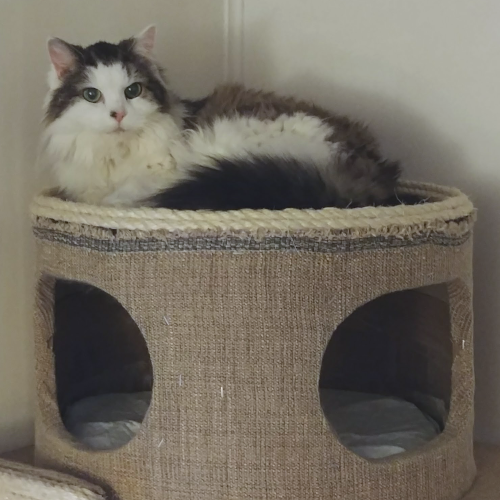 Before the cat ever comes inside, preparation is key. One of the most common mistakes people make is giving a semi-feral cat too much space too soon. A whole house can feel overwhelming and threatening. Start with one quiet room. This room should have minimal foot traffic and no loud appliances. A spare bedroom or office often works well. The space should include food, water, a litter box, and several hiding options.
Hiding spots are not optional. Covered beds, boxes with side openings, or even a towel draped over a chair can give the cat a sense of control. Feeling unseen helps them feel safe enough to observe. Vertical space is also important. Cats feel more secure when they can get off the ground. Even a sturdy chair or low shelf can make a big difference. Over time, many semi-feral cats gain confidence when they can watch the room from above.
The First Days Indoors
The first few days indoors are often the hardest. Expect the cat to hide, refuse interaction, or appear frozen in place. Some cats will not eat for the first day or two, which is stressful but not uncommon. During this phase, resist the urge to force contact. Do not pull the cat out of hiding or try to pet them. Your presence should be calm and predictable. Sit in the room, speak softly, and go about quiet activities like reading or working on a laptop.
Food is one of your strongest tools. Feed on a consistent schedule, and leave the room after setting the bowl down. Over time, many cats will start eating while you are still present, which is a major milestone.
Building Trust Slowly
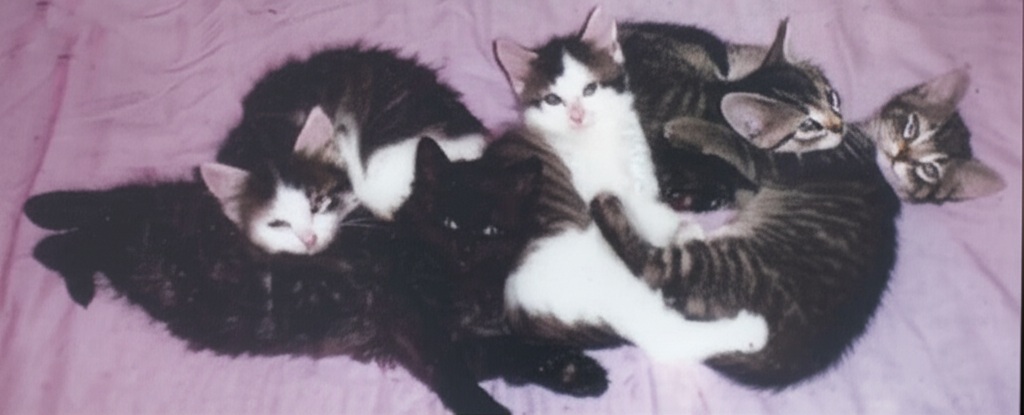 Trust is built through repetition, not affection. A semi-feral cat learns to trust when nothing bad happens over and over again. Keep routines consistent. Feed at the same times each day. Scoop the litter box regularly without making sudden movements. Use the same calm voice when you speak. Cats notice patterns more than words.
When the cat starts watching you instead of hiding completely, that is progress. When they groom themselves in your presence, that is progress. When they sleep out in the open, even if you are across the room, that is huge progress.
Let the cat initiate contact. Some may approach for food while keeping distance from your hands. Others may sniff your fingers briefly and retreat. Respect these boundaries. Each positive interaction builds on the last.
Introducing Touch and Handling
Touch should come only after the cat shows signs of comfort. These signs may include slow blinking, relaxed posture, or staying in the open while you move around. Start small. A gentle touch with a finger on the cheek or chin is often better tolerated than reaching over the head. Keep sessions short and end them before the cat becomes tense.
It is normal for progress to stall or even reverse temporarily. A loud noise, a vet visit, or a change in routine can cause setbacks. Do not take this personally. Return to basics and let the cat regain confidence at their own pace.
Litter Box Training and Challenges
Most semi-feral cats adapt to a litter box surprisingly well, especially if they have been around human environments before. Use a large, uncovered box and unscented litter. Strong smells can be off-putting. Place the box away from food and water, but not so far that the cat feels exposed. In the early days, accessibility matters more than aesthetics.
If accidents happen, do not punish the cat. Stress is the most common cause. Clean thoroughly with an enzyme cleaner and evaluate whether the box placement or litter type needs adjustment.
Managing Health Concerns Indoors
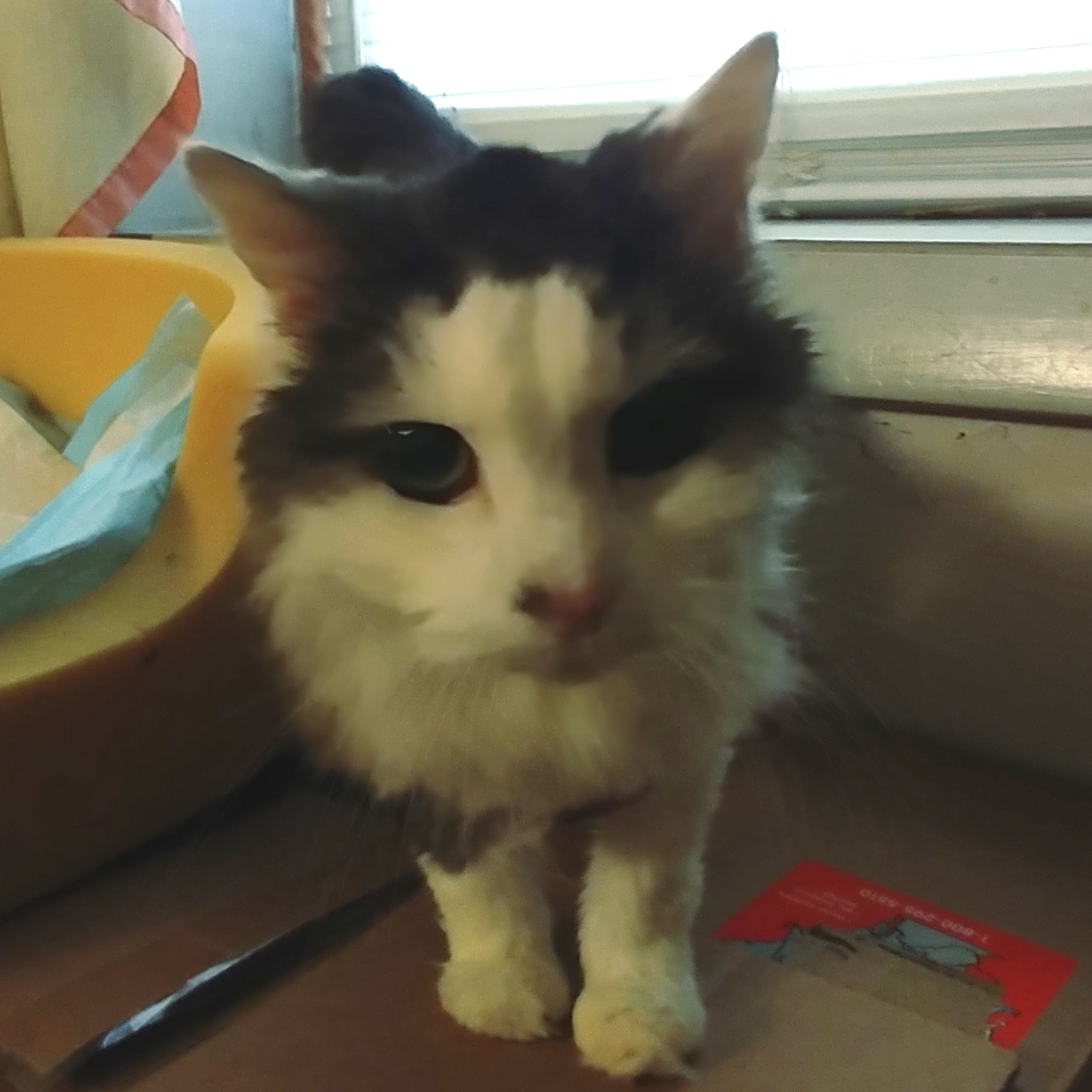 Once indoors, health issues often become more noticeable. Weight changes, coat condition, and appetite are easier to monitor. This is especially important for senior cats and cats with chronic conditions like diabetes or kidney disease.
Indoor life allows for better tracking and consistency. Tools like glucose logs, feeding schedules, and weight checks become practical and reliable. For owners managing diabetes, indoor transition can be life-changing for both cat and caregiver.
Stress management is crucial for health. High stress can affect blood sugar, digestion, and immune response. This is another reason why slow transitions and predictable routines matter so much.
Introducing Other Pets
If you have other cats or dogs, introductions should happen slowly and only after the semi-feral cat feels secure in their room. Rushing this step can undo weeks of progress.
Start with scent swapping. Exchange bedding or gently rub a towel on one pet and place it near the other. Allow them to get used to each other’s smell before visual contact.
When visual introductions begin, use barriers like baby gates or cracked doors. Keep sessions short and calm. Watch body language closely and end sessions on a positive note.
Some semi-feral cats become more confident when they observe calm, friendly pets. Others prefer to remain solitary. Both outcomes are valid, and success does not require close companionship.
Long-Term Adjustment and Expectations
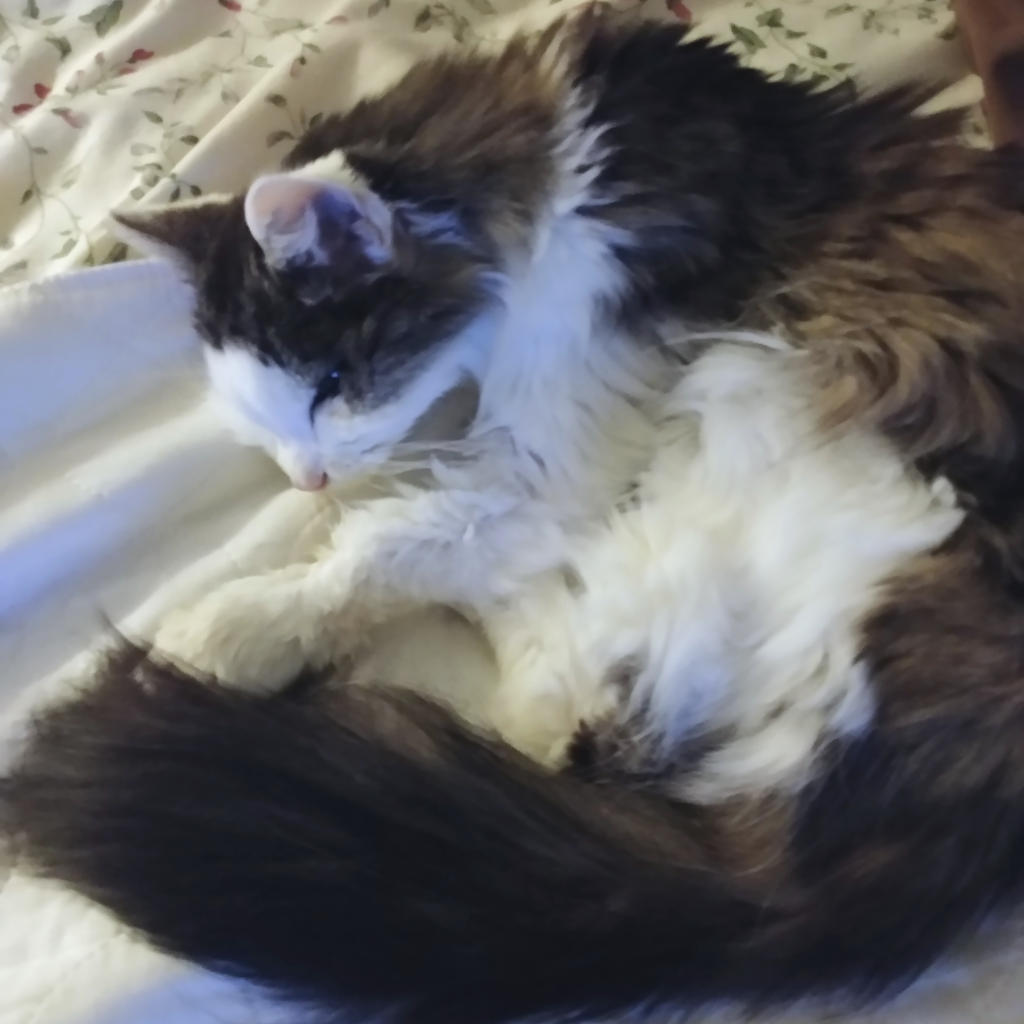 It is important to redefine what success looks like. Not every semi-feral cat will become a lap cat. Some may never enjoy being picked up. That does not mean the transition failed.
Success can mean a cat who feels safe, comfortable, and protected indoors. It can mean a cat who sleeps peacefully, eats well, and no longer has to survive harsh conditions.
Many semi-feral cats surprise their caregivers over time. Months or even years later, they may seek affection in quiet, understated ways. A cat who sits nearby or follows you from room to room is showing trust, even if they never demand attention.
Compassion for Yourself and the Cat
Caring for a semi-feral cat can be emotionally exhausting. Progress feels slow, and uncertainty is constant. It is okay to feel discouraged at times. Remember that this cat did not choose their early experiences. Fear and caution kept them alive. By offering patience and stability, you are giving them something they may never have had before.
At BellenPaws, our lives with senior pets have taught us that love is not always loud or obvious. Sometimes it is quiet consistency, showing up every day, and respecting who an animal is rather than who we want them to be.
Final Thoughts
Transitioning a semi-feral cat into indoor life is not about control. It is about partnership. You provide safety, structure, and care. The cat provides trust, slowly and on their own terms. Whether the journey takes weeks or years, the outcome is worth it. An indoor life offers comfort, health support, and peace that outdoor living rarely can, especially as cats age.
If you are walking this path now, know that you are not alone. Many of us have stood where you stand, unsure but hopeful. With patience, compassion, and realistic expectations, a semi-feral cat can find a safe and meaningful indoor life, one small step at a time.