

Living with pets long enough teaches you something that no book or chart can fully explain. Behavior changes rarely happen in isolation, especially as pets age. What looks like stubbornness, disobedience, or a “bad habit” is often a quiet signal that something deeper is going on. For senior pets in particular, understanding the difference between a moment that calls for correction and one that calls for comfort can dramatically change their quality of life.
At BellenPaws, our journey has always been shaped by time spent with aging animals. The confusion, the frustration, the guilt, and the eventual realization that behavior is communication.
Behavior Is Often the First Symptom
Pets cannot explain what hurts or what feels wrong. Instead, they express discomfort through behavior. A dog who suddenly refuses to go on walks may not be lazy. A cat who stops using the litter box may not be acting out. These changes are often the earliest signs that something physical, emotional, or cognitive has shifted.
As pets age, their bodies change in ways that are not always visible. Joints stiffen. Vision and hearing fade. Organs work less efficiently. Blood sugar becomes harder to regulate. All of these internal changes can show up as external behavior that looks like defiance if we are not paying close attention.
Correcting a senior pet for behavior that is rooted in discomfort can increase stress and worsen the problem. Comfort, on the other hand, often reveals the real issue and allows it to be addressed more gently.
The Difference Between Training and Trust
 Training has its place, especially early in life. Teaching boundaries, routines, and safe behaviors helps pets thrive. But as pets grow older, the balance shifts from training to trust. Trust becomes the foundation of communication.
A senior pet who has lived with you for years already knows the rules. When they stop following them, it is rarely because they forgot or decided not to care. It is usually because following those rules has become harder or more painful.
Trust means assuming there is a reason behind the behavior. It means pausing before reacting. It means choosing curiosity over correction and asking, “What might my pet be trying to tell me?”
Pain Often Hides in Plain Sight
One of the hardest lessons for many pet owners is realizing how well animals hide pain. Cats are especially skilled at this, but dogs do it too. In the wild, showing weakness can be dangerous, and that instinct does not disappear just because a pet lives indoors.
Pain can show up as irritability, withdrawal, restlessness, or sudden aggression. A dog who growls when touched may not be mean. A cat who swats when picked up may be protecting a sore area. These reactions are defensive, not behavioral problems.
Comfort in these moments means respecting boundaries and adjusting interactions. It may also mean seeking veterinary guidance, but the first step is recognizing that the behavior itself is a clue, not the core issue.
Cognitive Changes Are Real and Confusing
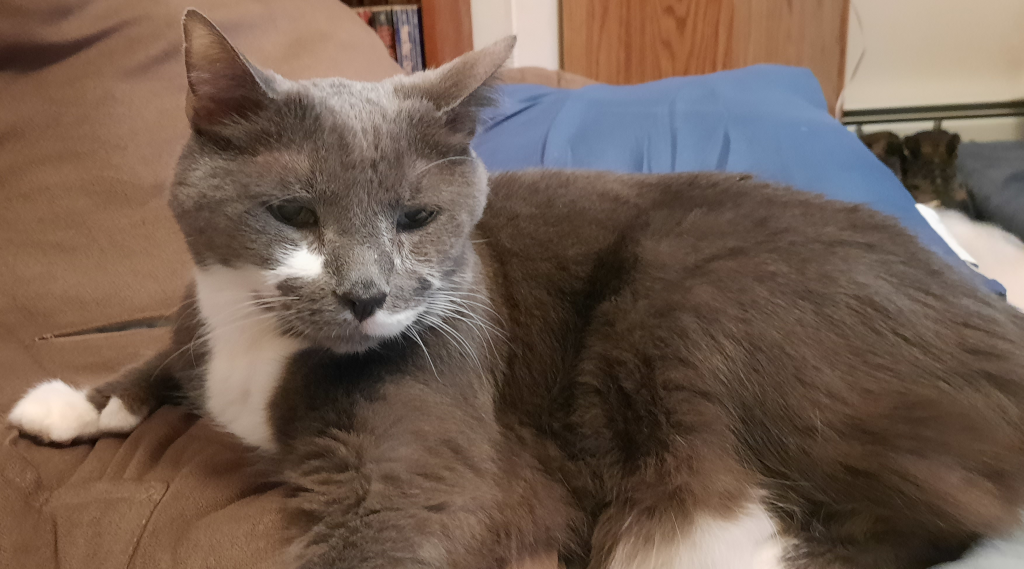 Just like people, pets can experience cognitive decline as they age. This can include confusion, anxiety, disrupted sleep, and changes in social behavior. A dog who paces at night or a cat who seems lost in familiar spaces may be experiencing age-related changes in their brain.
Correcting these behaviors does not help because the pet is not choosing them. They are navigating a world that feels less predictable than it used to. Comfort comes in the form of consistency, reassurance, and adapting the environment to reduce stress.
Simple changes like night lights, predictable routines, and familiar scents can make a significant difference. So can patience when your pet seems “off” without an obvious reason.
Chronic Illness Changes Daily Life
Conditions like diabetes, kidney disease, thyroid disorders, and arthritis do not just affect lab numbers. They affect how pets feel every hour of the day. Fluctuating blood sugar can cause hunger, lethargy, anxiety, or sudden mood changes. Kidney disease can cause nausea and fatigue. Thyroid issues can affect energy levels and behavior.
When managing chronic illness, behavior often becomes a barometer for how well the condition is controlled. A pet who seems cranky or withdrawn may be telling you that something is not quite right, even if their routine looks unchanged on paper.
Comfort here means flexibility. It means adjusting expectations and recognizing that some days will be harder than others. It also means giving yourself grace as a caregiver, because supporting a chronically ill pet is demanding and emotional work.
Litter Box and House Soiling Are Not Moral Failures
 Few things stress pet owners more than changes in bathroom habits. Litter box issues and house soiling are often interpreted as disrespect or regression. In reality, they are among the clearest signs that a pet needs help.
Arthritis can make it painful to climb into a high-sided litter box. Vision loss can make it hard to find the box. Urinary urgency can make accidents unavoidable. Cognitive decline can disrupt previously learned habits.
Comfort means making adjustments instead of issuing corrections. Lower entry boxes, additional boxes, more frequent outdoor breaks, and easier access to familiar areas can reduce accidents without increasing stress.
Emotional Stress Matters Too
Pets experience grief, anxiety, and stress, especially when routines change or companions are lost. A move, a new pet, the loss of another animal, or even subtle changes in household dynamics can deeply affect senior pets.
Behavior changes after an emotional disruption are not acts of rebellion. They are signs of adjustment and vulnerability. Comfort during these times may involve extra reassurance, maintaining routines, and allowing your pet to process change at their own pace.
Forcing a pet to “get over it” rarely works. Being present and responsive often does.
When Correction Still Has a Role
 Choosing comfort does not mean ignoring safety or completely abandoning boundaries. There are moments when guidance is still necessary, especially if a behavior puts the pet or others at risk. The difference lies in how that guidance is delivered.
Correction for senior pets should be gentle, clear, and never punitive. Loud voices, physical punishment, or harsh reactions can increase fear and confusion. Calm redirection and environmental adjustments are far more effective.
If a dog slips on stairs, adding a ramp is better than scolding. If a cat scratches furniture due to anxiety, providing alternatives and enrichment is better than punishment. Comfort-focused solutions address the cause rather than the symptom.
Listening Changes Everything
One of the most powerful shifts a pet owner can make is reframing behavior as communication. When you start asking what a behavior means instead of how to stop it, everything changes. You become a partner instead of an enforcer.
Senior pets rely on us to interpret their signals accurately. They depend on us to notice patterns, changes, and small details that point to larger needs. Listening requires time and attention, but it also deepens the bond in ways that are profoundly rewarding.
Supporting Yourself as a Caregiver
 Recognizing when your pet needs comfort also means recognizing when you need support. Caring for aging and ill pets is emotionally taxing. It is normal to feel frustrated, overwhelmed, or unsure. These feelings do not make you a bad pet parent. They make you human.
Tools like age calculators, health trackers, and printable logs can help bring clarity to complex situations. They can turn vague worries into concrete observations and help you advocate more effectively for your pet. Organization can reduce stress and make decision-making feel more manageable.
But beyond tools, community matters. Knowing that others have walked this path and faced similar challenges can be deeply comforting.
Choosing Compassion as the Default
At the heart of this topic is a simple idea. When in doubt, choose compassion. Senior pets have given us years of loyalty, companionship, and unconditional presence. As their needs change, our role changes too.
Correction is about control. Comfort is about care. Recognizing which one your pet needs in a given moment is not always easy, but it becomes clearer with practice and patience.
When you choose comfort, you are not giving up on structure or responsibility. You are honoring the reality of aging and illness with empathy. You are meeting your pet where they are, not where they used to be.
And in doing so, you are giving them something invaluable. You are giving them safety, dignity, and love during the stage of life when they need it most.