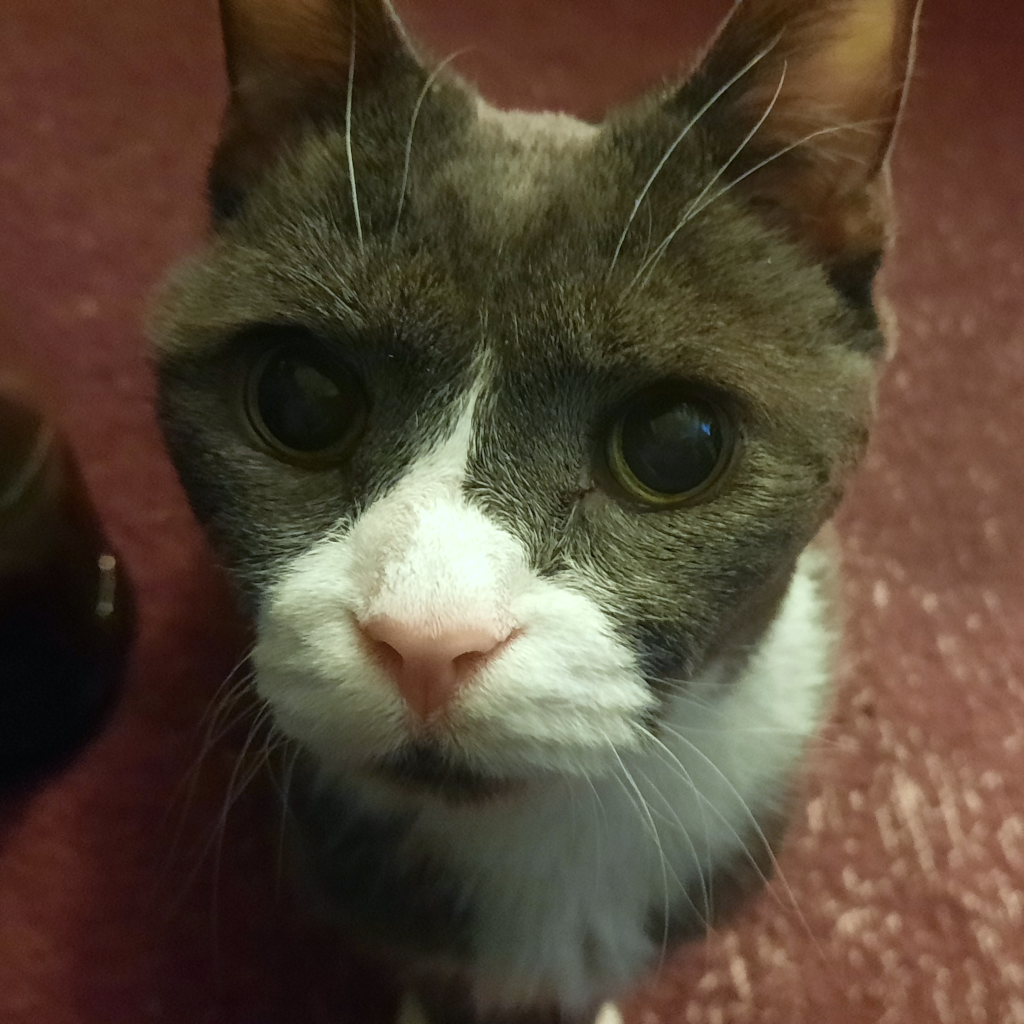
There is something deeply comforting about growing old alongside a pet. The gray around their muzzle, the slower steps, the way they choose the same sunny spot every afternoon. Senior pets carry history in their eyes. They have seen our best days and our hardest ones.
But aging can also bring changes that are confusing and sometimes heartbreaking. One of the most difficult shifts for many families is cognitive decline, often referred to as “dementia” in dogs and cats. The medical term most veterinarians use is Cognitive Dysfunction Syndrome, or CDS. It is not simply old age. It is a real condition that affects how the brain functions over time.
At BellenPaws, we have walked this road more than once. We are not veterinarians, but we are experienced pet parents who have cared for seniors through thyroid disease, diabetes, blindness, kidney issues, and yes, cognitive decline. What we have learned is this: understanding what is happening makes all the difference.
What Is Cognitive Dysfunction Syndrome?
 Cognitive Dysfunction Syndrome is a gradual decline in brain function that happens in some aging pets. It is similar in some ways to Alzheimer’s disease in people, though it is not identical.
As pets age, changes occur in the brain. Proteins can build up. Blood flow may decrease. Nerve cells may not communicate as efficiently as they once did. Over time, these changes can affect memory, awareness, sleep cycles, and behavior.
Not every senior pet will develop CDS. Many remain sharp and engaged well into their later years. But when cognitive decline does appear, it can show up in subtle ways at first.
Early Signs Are Often Easy to Miss
The first signs are rarely dramatic. They often blend in with what we assume is normal aging. You might notice your dog staring at a wall for a few moments longer than usual. Your cat may seem unsure about how to navigate around furniture that has not moved in years. A once perfectly house trained dog may begin having accidents indoors.
Veterinarians often group symptoms into a helpful memory aid called DISHA:
- Disorientation
- Interaction changes
- Sleep and wake cycle disruption
- House soiling
- Activity level changes or anxiety
Disorientation can look like getting stuck in corners, forgetting familiar routes in the yard, or seeming lost in their own home. Interaction changes may involve less interest in greeting family members or, in some cases, increased clinginess. Some pets withdraw. Others become unusually vocal.
Sleep patterns often shift. Many families notice nighttime restlessness. A dog who once slept peacefully may pace the house at 2 a.m. A cat may yowl loudly in the middle of the night for no clear reason. House soiling is particularly frustrating for owners, especially when the pet had been reliable for years. It is important to remember that this is rarely stubbornness. It is often confusion.
Activity level changes may include pacing, repetitive behaviors, or increased anxiety when left alone.
First Rule: Rule Out Medical Causes
 Before assuming cognitive decline, always consult your veterinarian. Many conditions can mimic CDS. Thyroid disorders, diabetes, kidney disease, vision loss, hearing loss, pain from arthritis, and urinary tract infections can all cause behavior changes. We have had pets with hyperthyroidism and others with diabetes. We learned firsthand how medical conditions can alter behavior and energy levels in ways that look neurological.
Bloodwork and a physical exam are essential. For pet owners managing diabetes, this step is even more critical. Fluctuating glucose levels can absolutely impact mood and awareness. Tools like our diabetes tracker can help you bring organized records to your veterinarian, making it easier to spot patterns and rule out metabolic causes. Only after medical issues are addressed or stabilized should CDS be considered the primary explanation.
Living With a Pet Who Has CDS
Hearing that your pet may have cognitive decline can feel overwhelming. It may bring grief before the loss has even occurred. But many pets with CDS can continue to enjoy life for months or even years with proper support.
Management focuses on comfort, safety, and mental engagement.
Create a Predictable Environment
Routine becomes incredibly important. Feed at the same times each day. Keep furniture in the same arrangement. Avoid unnecessary changes to their environment. For cats, ensure litter boxes are easy to access. Senior cats with confusion benefit from multiple boxes placed in quiet, familiar areas. If you have built your own cat tree using tools like our rope length calculator, consider whether climbing is still safe. Some seniors need lower perches or steps to prevent falls. For dogs, maintain consistent walking routes and predictable schedules. Familiarity reduces anxiety.
Improve Nighttime Restlessness
Night pacing is one of the most exhausting parts of CDS for families. There are a few gentle strategies that may help:
-
- Provide moderate daytime activity to encourage natural tiredness.
- Offer a calm, dimly lit sleeping space at night.
- Use white noise or soft music to reduce startling sounds.
- Discuss supplements or medications with your veterinarian if restlessness becomes severe.
Never punish nighttime vocalizing. The pet is not being difficult. They are confused.
Mental Enrichment Still Matters
Aging brains benefit from stimulation. Short, gentle training sessions using simple cues can keep the mind active. Food puzzles can help, as long as they are not too frustrating.
For diabetic pets, always factor in feeding schedules and glucose management when introducing treats or puzzle feeders. Stability is key.
Cats may enjoy interactive wand toys, scent enrichment, or simple games like hiding small treats in safe, easy-to-find locations. Dogs often enjoy scent work activities that encourage sniffing without overexertion.
Mental stimulation should feel rewarding, not stressful.
Nutrition and Brain Health
 There is growing interest in diets and supplements that support cognitive function. Some veterinary diets are formulated with antioxidants, omega 3 fatty acids, and medium chain triglycerides to support brain health.
Supplements such as SAMe, omega 3 oils, or certain herbal blends are sometimes recommended by veterinarians. Always consult your vet before starting anything new, especially if your pet has other health conditions like kidney disease or diabetes.
For diabetic pets, dietary changes must be approached carefully. Consistency in carbohydrate intake is critical for glucose control. If you are tracking glucose levels using printable glucose curve forms or daily tracking sheets, keep detailed notes when dietary adjustments are made. It helps everyone stay informed and safe.
Managing Anxiety and Confusion
Some pets with CDS become anxious when separated from their owners. Others may startle easily or seem fearful in familiar environments. Comfort becomes the priority. Speak softly. Move slowly. Offer gentle physical reassurance if they seek it.
For dogs, a familiar blanket or piece of clothing that smells like you can be grounding. For cats, a warm bed placed in a quiet corner often helps them feel secure. In some cases, veterinarians may prescribe medications that help reduce anxiety or improve brain chemistry. These decisions are personal and should be made in partnership with your veterinary team.
When Is It Time to Worry About Quality of Life?
This is the question every loving owner eventually asks. There is no single measurement that applies to all pets.
Consider these factors:
- Is your pet still eating and drinking consistently?
- Do they respond to your voice or touch?
- Are there more good days than bad days?
- Is pain controlled?
- Are they able to rest peacefully for at least part of the day?
We have faced these decisions before. With one of our senior dogs, confusion became so severe that anxiety overshadowed enjoyment. With another pet, mild cognitive changes were present but manageable for a long time. Each journey is unique. Quality of life assessments can be written down. Some families use simple daily journals to track mood, appetite, and behavior. Patterns often become clearer when you see them on paper.
Supporting Yourself Through the Process
 Caring for a cognitively declining pet can be emotionally draining. Sleep disruption affects owners too. Cleaning accidents, calming anxiety, and constantly monitoring behavior can create stress. Give yourself grace. You are not failing if you feel tired or overwhelmed.
Seek support from your veterinarian, trusted friends, or online communities focused on senior pet care. At BellenPaws, our goal is to build a hub where families can find both information and reassurance. Our tools, from age calculators to tracking sheets, are designed to reduce guesswork so you can focus on what truly matters.
Sometimes that means simply sitting quietly with your pet, honoring the years you have shared.
Prevention and Early Awareness
There is no guaranteed way to prevent CDS, but proactive senior care makes a difference. Regular veterinary checkups become increasingly important as pets age. Early detection of conditions like thyroid imbalance, diabetes, or kidney disease can prevent additional strain on the brain.
Physical exercise, mental engagement, and proper nutrition throughout life all support long term brain health. Even simple habits like maintaining a healthy weight reduce inflammation and stress on the body. Our senior pets deserve intentional care, not just reactive care.
A Final Word From Experience
We have loved pets who were sharp and playful until their final days. We have also loved pets whose minds began to fade before their bodies did. Both experiences are difficult in different ways. Cognitive decline does not erase the life your pet has lived. It does not erase the loyalty, the memories, or the bond. It simply changes the way you show up for them.
You may become their memory. You may become their compass when they feel lost in their own home. That is not a burden. It is a continuation of the promise you made when you brought them into your family.
If you are walking this path now, know that you are not alone. Recognizing the signs early, ruling out other medical causes, and creating a safe, predictable environment can greatly improve your pet’s comfort.
Growing old together is never simple. But with patience, compassion, and informed care, it can still be filled with moments of connection, even in the face of cognitive decline. And sometimes, in the quiet hours of the evening, when your senior companion finally settles beside you, you realize that love does not require perfect memory. It only requires presence.