

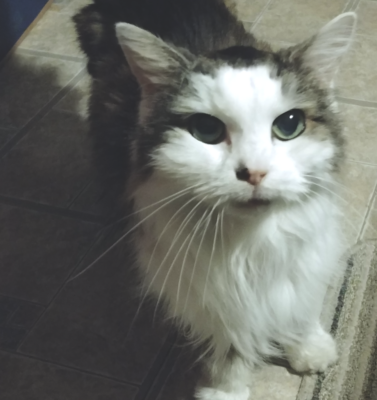
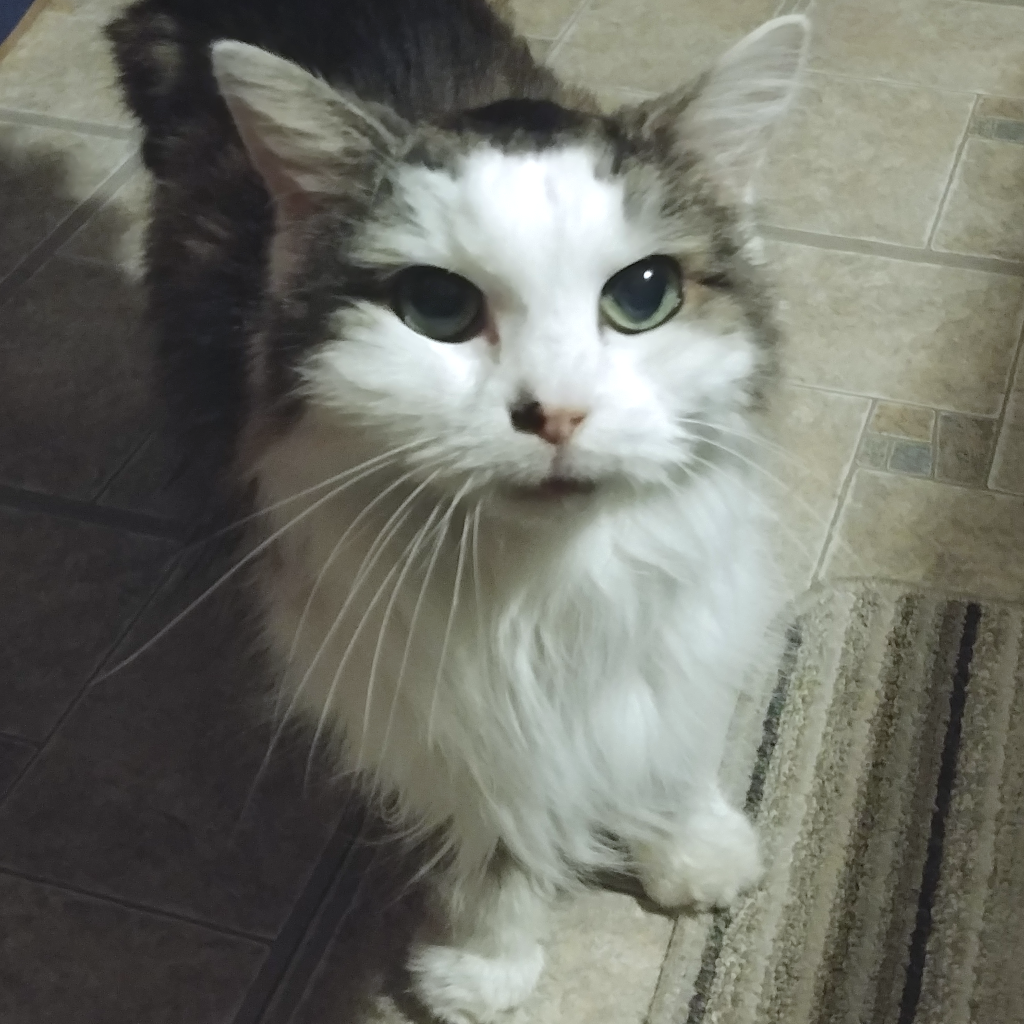
Anyone who has lived with a pet long enough eventually experiences the same mysterious moment. You glance at the clock and realize it is almost dinner time. Before you even move toward the kitchen, your cat is already sitting near the food bowl or your dog is pacing expectantly by the pantry. Somehow they knew.
Pet owners often joke that their animals have an internal clock. In many ways, they truly do. While pets cannot read watches or wall clocks, they are remarkably good at sensing patterns and routines. Over time they learn when things usually happen, and they come to depend on those rhythms.
For senior pets especially, routine can become one of the most important parts of daily life. A predictable schedule helps them feel safe, reduces anxiety, and can even make it easier to manage health conditions like diabetes. Understanding how pets perceive time and routine can help us care for them more thoughtfully, especially as they grow older.
Pets Learn the Language of Patterns
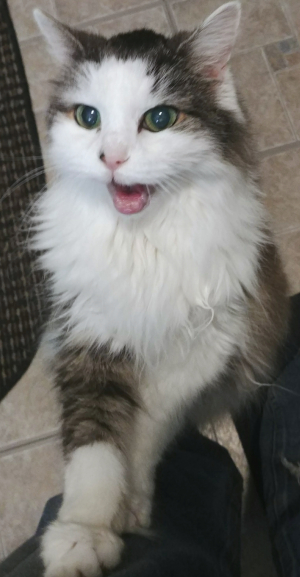 Animals experience time very differently than humans. We tend to think of time as numbers on a clock. Pets think of time as a sequence of events.
A cat may not know that it is 7:00 in the morning, but it knows that sunlight has come through the window, the house has become active, and breakfast usually follows shortly after. A dog may not understand the concept of five o’clock, but it recognizes the familiar signs that lead up to a walk or dinner.
Pets are masters at recognizing patterns. They observe the small signals that repeat every day. The sound of a coffee maker starting. A certain door opening. The rustle of a treat bag. Even the way a person moves through the house can signal what happens next.
Over weeks and months these patterns become deeply ingrained. That is why many pets will begin waiting for dinner before their owner even stands up from the couch.
Scent and Environment Also Tell Time
Another reason pets appear to know the time has to do with their senses, especially smell. As the day passes, scents in the home gradually change. Human scent fades after leaving the house and becomes stronger again when people return. Food smells linger after meals and slowly dissipate. Outdoor air brings new scents through windows or doors.
Dogs in particular have an incredible sense of smell that allows them to notice these subtle changes. Some researchers believe dogs can even estimate how long someone has been gone based on how much their scent has faded in the home.
Light levels also play a role. The angle of sunlight changes throughout the day. Cats love sunny windows, and many will follow the sun from one resting spot to another as it moves across the room. These natural cues reinforce the rhythm of the day. Together, these signals create a kind of environmental clock that pets learn to interpret.
Why Routine Matters Even More for Senior Pets
 Young animals are often flexible and energetic. They adapt quickly when schedules change. Senior pets tend to prefer stability. As pets age, their bodies and minds benefit from consistency. Arthritis, reduced vision, hearing loss, and slower digestion can make the world feel less predictable. A reliable routine helps restore a sense of comfort.
Many senior pets begin structuring their entire day around familiar events. They know when breakfast happens. They know when their favorite nap spot warms up in the afternoon sun. They know when their owner settles into a chair in the evening.
This rhythm gives older pets confidence. When daily life follows a predictable pattern, they feel more secure in their environment. Owners who have lived with senior animals often notice that older pets become deeply attached to these routines. Even small changes can be confusing for them.
Routine Helps Manage Health Conditions
Routine becomes especially important when pets develop medical conditions. Many owners of diabetic pets quickly learn that timing matters. Meals, insulin injections, and blood glucose checks often need to happen at consistent intervals each day. A stable schedule helps keep blood sugar levels more predictable.
Pets adapt surprisingly well to these routines. Cats and dogs that receive insulin at the same times daily often begin anticipating those moments. They may come looking for their meal or calmly wait in the usual spot where testing occurs.
For families managing pet diabetes, tools that track glucose readings and feeding schedules can make a big difference. Keeping records helps owners and veterinarians see patterns over time. It also helps maintain a routine that the pet learns to expect.
Many experienced owners rely on simple tracking sheets or charts to stay organized. Being able to print and record glucose readings can help make a complicated health issue feel more manageable. The goal is not perfection. The goal is consistency.
The Comfort of Familiar Moments
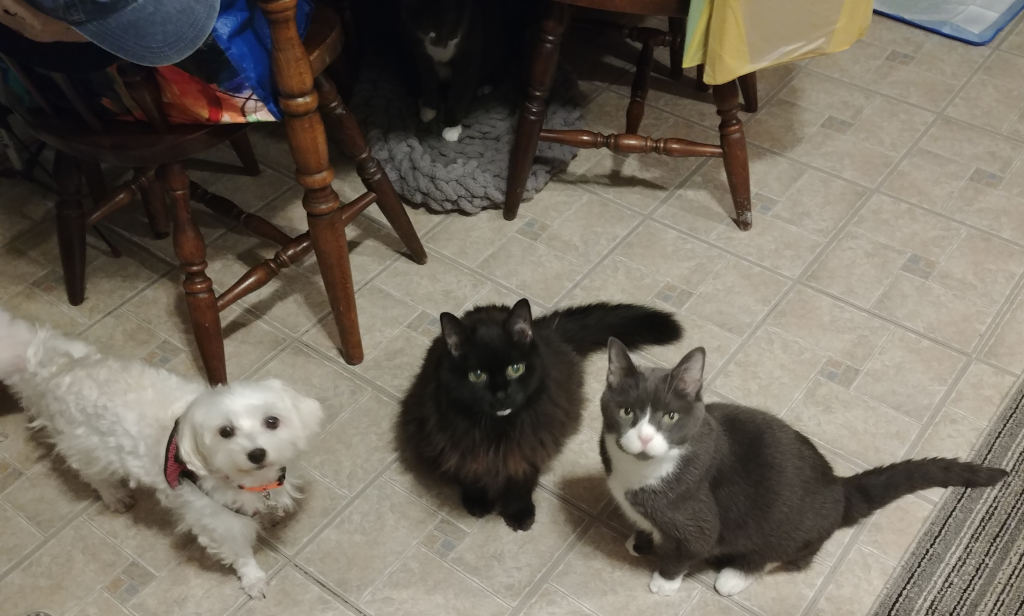 Routine is not only about food or medicine. It is also about emotional comfort. Senior pets often develop favorite daily rituals with their owners. A dog might expect a quiet walk in the morning. A cat may wait for the moment when someone sits down in the evening so it can curl up beside them.
These small traditions matter more than we sometimes realize. They are part of how pets experience love and security. Many owners notice that senior pets become especially affectionate during these predictable moments. The routine itself becomes something they look forward to each day. When pets know what comes next, they relax.
When Routine Changes
Life is rarely perfectly consistent. Work schedules change. Vacations happen. Illness can disrupt daily patterns. Most pets can adapt when routines shift, but sudden changes may cause temporary confusion or stress. Senior pets may show this more clearly.
A cat might meow at the usual dinner time even if feeding is delayed. A dog may pace when its normal walk time passes. These behaviors are often their way of asking for the familiar rhythm to return. When possible, keeping the core parts of a pet’s routine stable can help. Feeding times, medication schedules, and bedtime rituals are especially helpful to keep consistent.
If changes must happen, introducing them gradually can make the transition easier.
A Lesson We Learn From Them
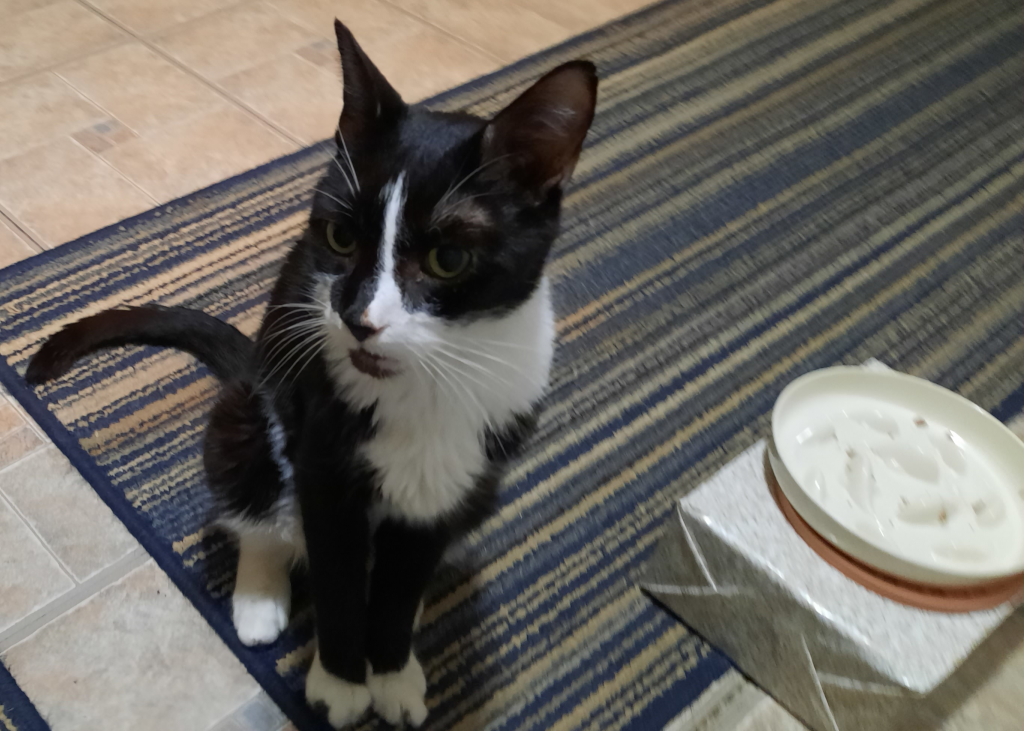 Living with animals often teaches us something about our own habits. Pets remind us that routine can be comforting. They appreciate the simple rhythm of daily life. Breakfast in the morning. A warm nap in the afternoon. A quiet evening with someone they trust.
For senior pets, these patterns become the structure of their world. Owners who care for aging animals often become very aware of time themselves. They notice the moment their pet begins waiting for dinner. They recognize the quiet signals that it is time for medication or a walk.
Over time the schedule becomes something shared between human and animal. It becomes a partnership.
Remembering the Years Together
Anyone who has cared for senior pets knows that the routines we build together become some of our most meaningful memories. The morning greetings. The sound of paws in the hallway when food bowls appear. The quiet evenings when an older cat curls beside you on the couch. These moments may feel ordinary at the time. Later they become precious.
Many families who have cared for aging pets have stories about how their animals seemed to know exactly when dinner should happen or when bedtime arrived. It is a reminder of how deeply animals observe and understand the world around them. Even after a beloved pet is gone, those routines sometimes linger in memory.
Building a Gentle Routine for Your Pet
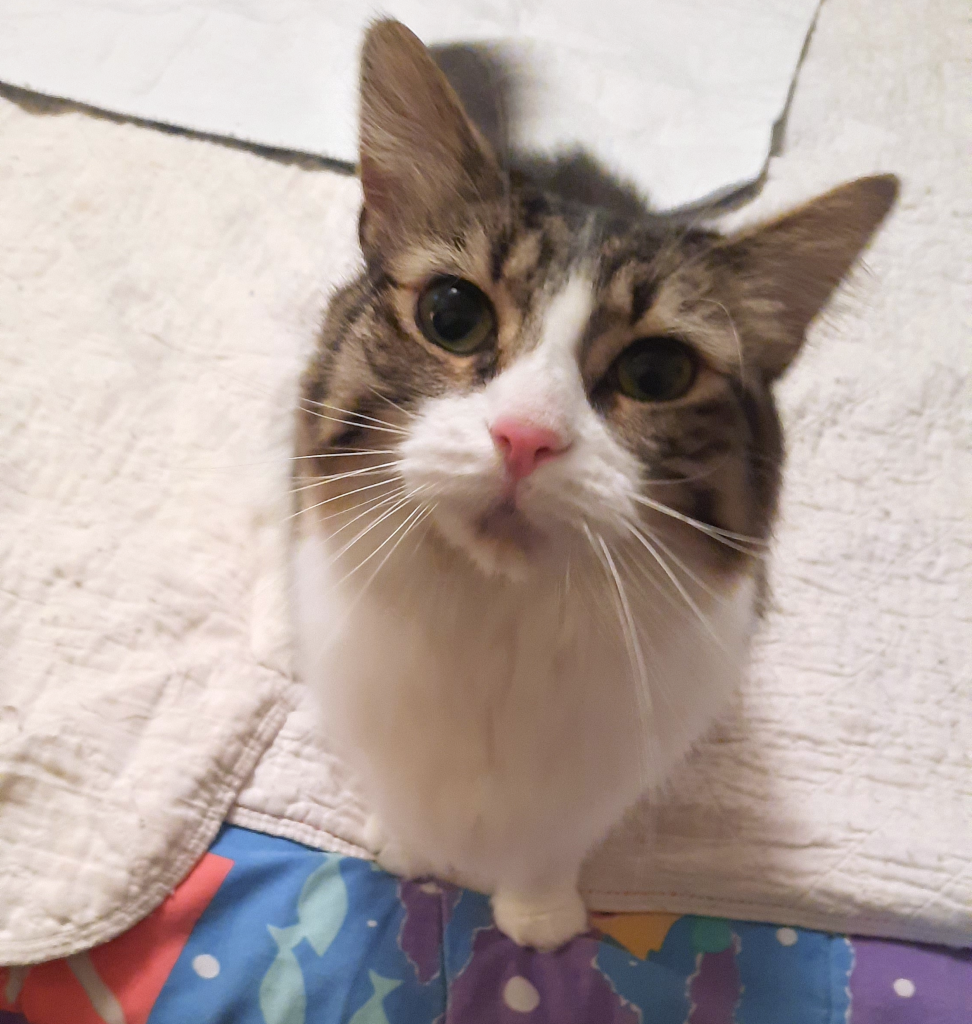 Creating a stable daily rhythm does not require strict rules. It simply means providing reliable patterns that your pet can depend on. Regular feeding times are a good place to start. Consistent walks or play sessions help too. Quiet moments together each evening can become comforting rituals for both pet and owner.
For pets with medical needs, structured routines around medication and monitoring are especially valuable. Over time these repeated moments become the framework of your pet’s day. They may not know what the clock says. But they know what comes next.
The Quiet Intelligence of Our Pets
The idea that pets know the time often feels a little magical. In reality it is a beautiful example of how observant and intelligent animals truly are. They watch us closely. They learn our habits. They understand patterns that repeat day after day.
For senior pets, those patterns become a source of reassurance and stability. The familiar rhythm of life helps them navigate the later years with confidence. When a cat sits by the bowl before dinner or a dog waits patiently for its evening walk, it is not just guessing.
It is responding to the quiet clock that routine builds inside their world. And in many ways, that shared rhythm between pets and their people is one of the most comforting parts of life together.