
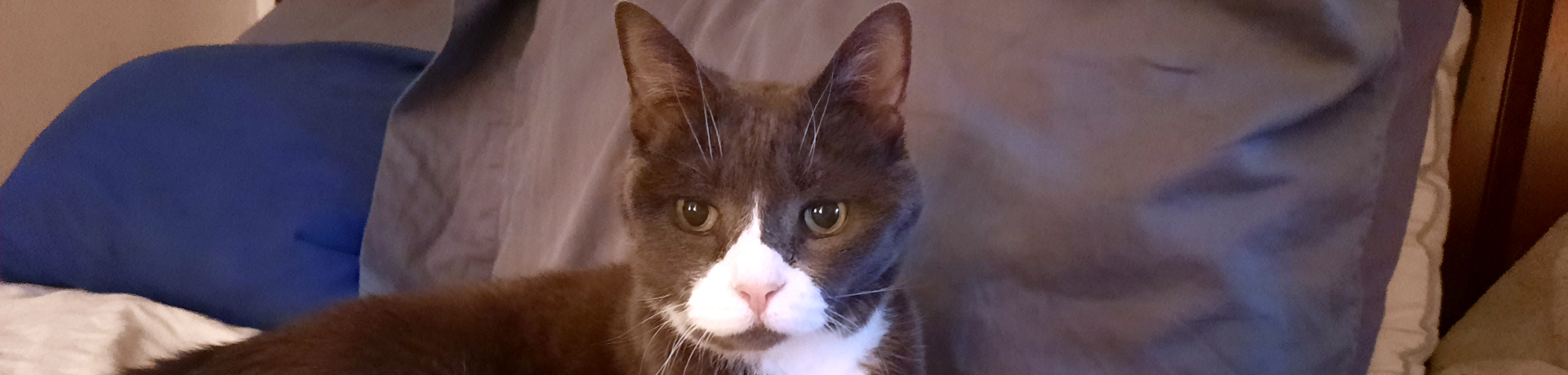
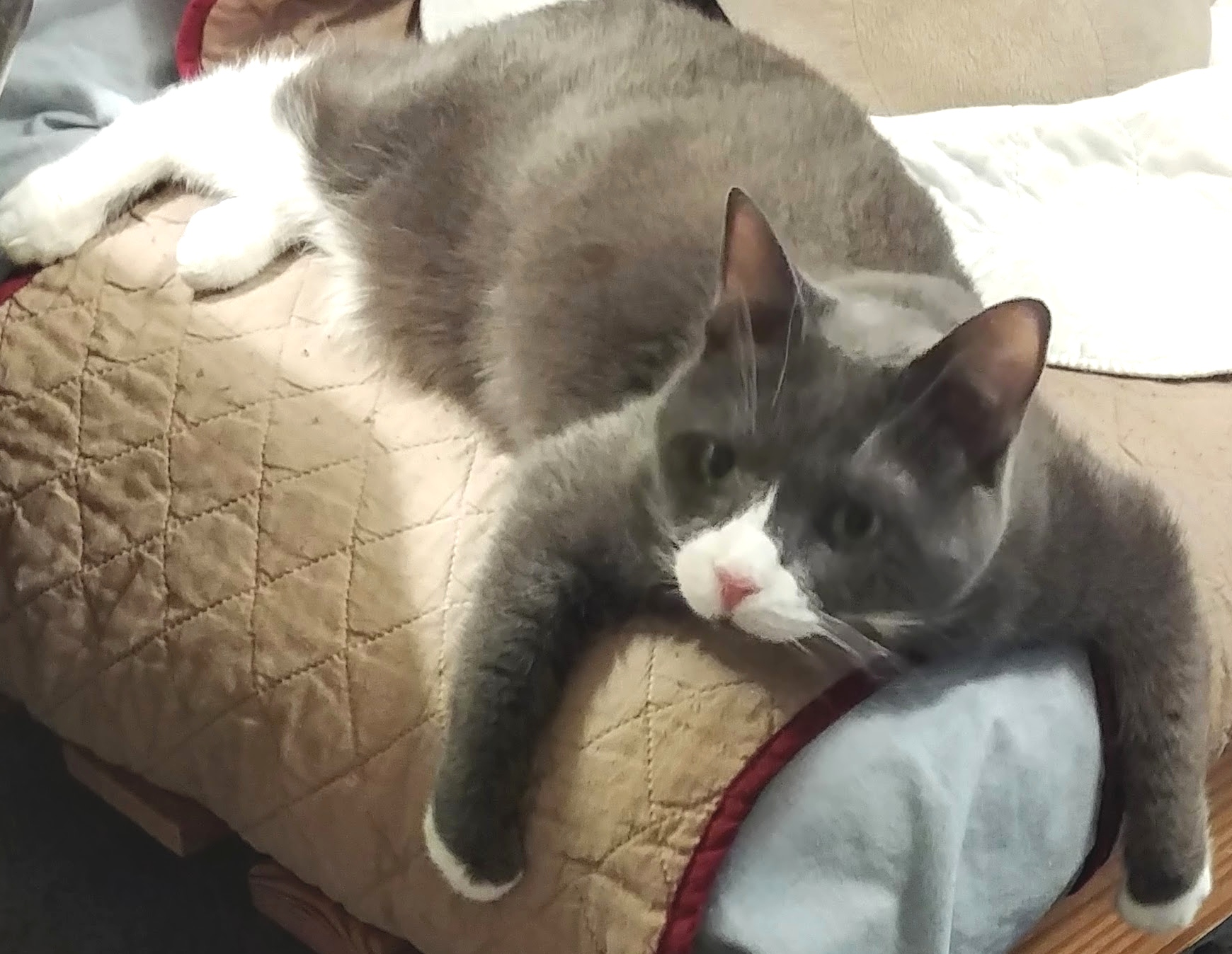
Cats have a quiet way of experiencing the world. They rarely announce their worries the way humans do. Instead, they show us through small changes in behavior. One of those changes can be excessive grooming, which sometimes leads to a condition known as psychogenic alopecia.
Psychogenic alopecia is a term used when a cat repeatedly licks, chews, or grooms certain parts of the body due to stress or emotional triggers. Over time this behavior can lead to thinning fur or bald patches. The word may sound complicated, but the idea behind it is simple. A cat is experiencing stress and is trying to soothe itself through grooming.
For many pet owners this can be confusing because the home may seem calm and stable. The truth is that cats notice small shifts in their environment that people may overlook. A change that seems minor to us can feel significant to them.
Understanding what may trigger this behavior can help owners support their cats, especially senior cats who are often more sensitive to changes in routine and surroundings.
Grooming as Comfort
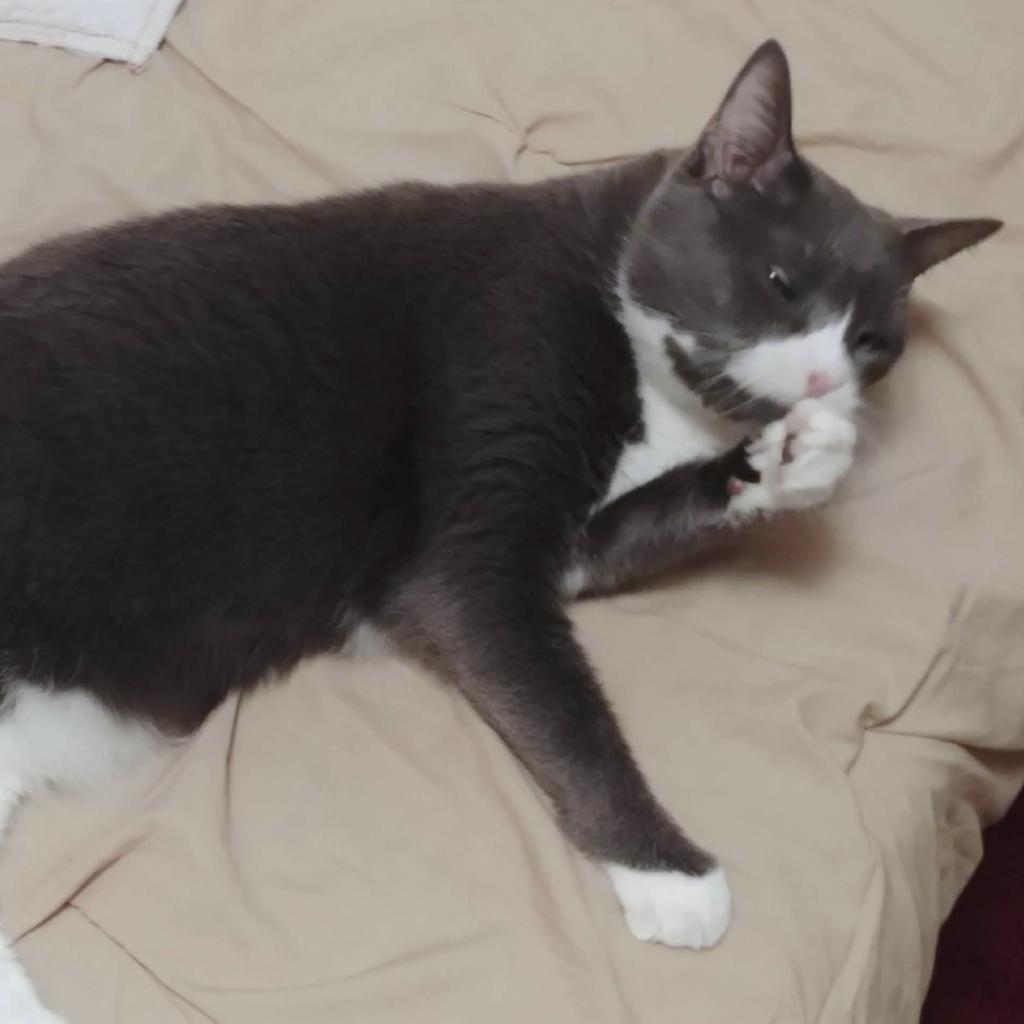 Grooming is a normal and healthy behavior for cats. It keeps their fur clean, regulates body temperature, and can even strengthen bonds when cats groom each other.
However grooming also has a calming effect. When a cat feels uncertain or anxious, grooming can become a way to manage those feelings. If the stress continues, the grooming may increase until it becomes repetitive or focused on certain areas of the body.
Some cats develop bald patches on the belly, legs, or sides. Others may not lose fur at all but will groom constantly.
Our cat Belle showed this behavior when we moved into a new home. She did not lose hair, but she groomed herself almost constantly for a while. It was clear that she was trying to cope with the unfamiliar surroundings. As time passed and she settled into the new environment, the excessive grooming slowly faded and she returned to her usual relaxed routine.
Experiences like this remind us that stress responses in cats can look different from one animal to another.
Moving to a New Home
One of the most common triggers for stress related grooming is a move to a new home. To a person, a move may represent a fresh start. To a cat, it can feel like the entire world has changed overnight. The familiar smells, sounds, and hiding spots that once made them feel secure are suddenly gone.
Cats rely heavily on scent to understand their environment. When everything smells new, they may feel uncertain or exposed. Some cats explore cautiously and adjust quickly. Others respond with behaviors that help them self soothe, including excessive grooming. Providing familiar items such as bedding, favorite toys, or even an unwashed blanket can help a cat adjust more comfortably to a new space.
New Pets in the Household
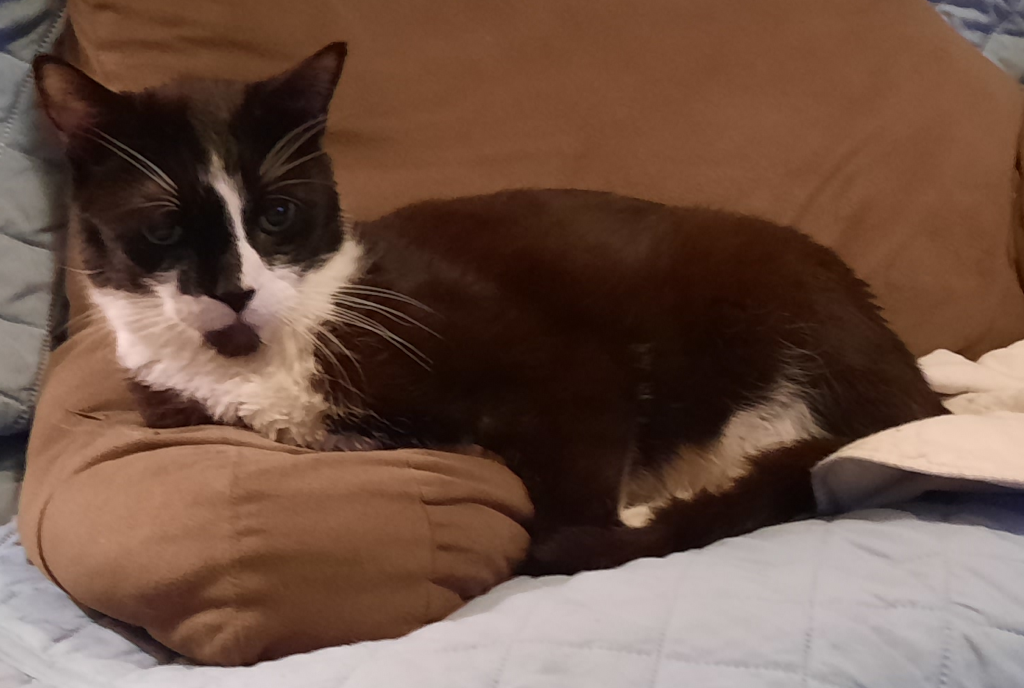 Another common trigger is the arrival of a new animal. Cats can be territorial creatures. Even if the new pet is friendly, the resident cat may feel as if their space and resources are being challenged. Food bowls, litter boxes, resting spots, and even human attention can suddenly feel like things that must be shared.
This stress does not always show up as aggression. In many cases it appears as quiet anxiety. A cat may withdraw, hide more often, or groom excessively. Introducing new pets slowly and giving each animal its own safe space can reduce tension during the adjustment period.
Changes in Daily Routine
Cats appreciate consistency. Feeding times, sleeping patterns, and daily household rhythms all become part of the structure they rely on. A change in schedule can sometimes create stress that leads to excessive grooming. For example, a new work schedule may mean the household is quiet during hours when the cat is used to company. Travel, new family members, or shifts in sleeping habits can also disrupt a cat’s sense of routine.
Senior cats in particular tend to rely on predictable patterns. When those patterns shift, they may respond with behaviors that help them manage their uncertainty. Maintaining consistent feeding times and creating predictable daily interactions can help reassure them.
Illness in the Home
Animals are very sensitive to the physical and emotional states of the people and pets around them. When someone in the home becomes ill, cats often notice long before humans understand the full impact. A sick pet, a stressed owner, or frequent vet visits can change the emotional atmosphere of a household. Even if the affected animal is not the one experiencing stress grooming, the shift in energy can influence everyone.
We saw something like this while caring for our diabetic cats, Zippy and Bentley. Managing diabetes requires regular testing, injections, and close monitoring. The routine becomes intense for both the animal and the caregiver. Other pets in the home can sense the tension, even when we try to keep things calm.
This does not mean the care should stop. It simply reminds us that maintaining a peaceful environment and giving attention to all pets in the household is important.
Grief and Loss
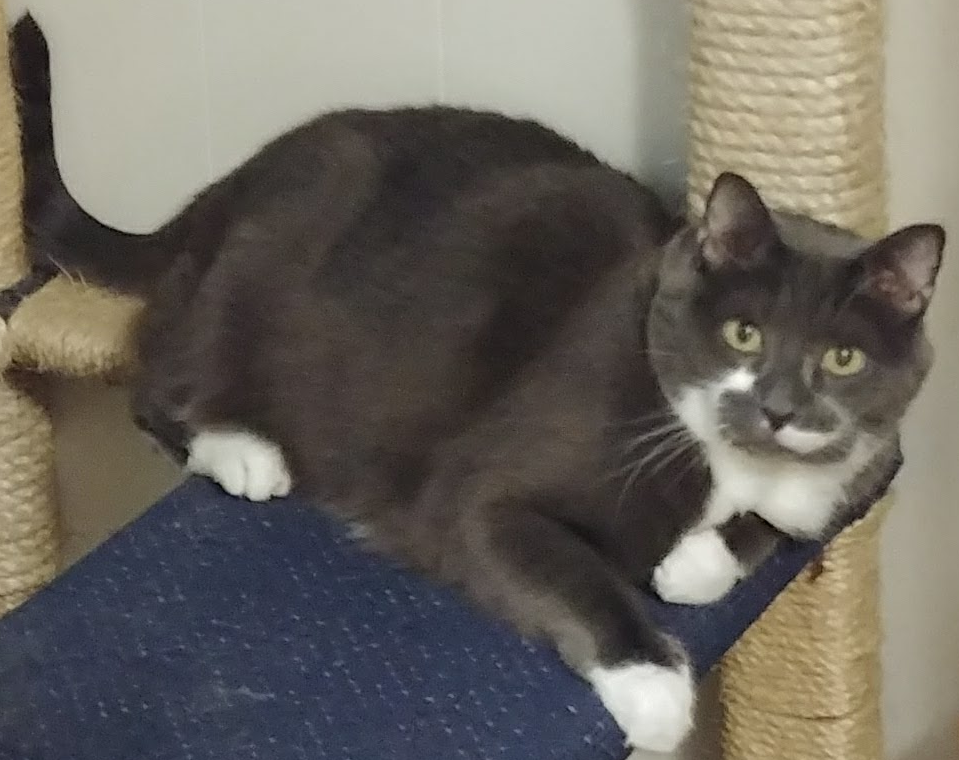 Cats can experience grief when they lose a companion. This companion might be another pet or even a human family member. The absence of a familiar presence can leave a quiet void in the household. Some cats become more vocal. Others sleep more or withdraw.
Excessive grooming can also appear during these times. It is a way for the cat to comfort itself while adjusting to the change. We have seen many pets pass through our lives over the years, each leaving their own mark on the home. Cats such as Bonnie, Clyde, and others brought unique personalities that shaped the rhythm of daily life. When one is gone, the environment feels different to the animals who remain.
Helping a grieving cat often involves patience, gentle interaction, and maintaining the routines that still exist.
Boredom and Lack of Stimulation
Indoor cats live safer lives than those who roam freely outdoors. However indoor living can sometimes become too quiet or predictable. When a cat does not have enough stimulation, grooming may become a substitute activity. This is especially true for cats who once had more active routines or companionship.
Simple enrichment can make a difference. Window perches, puzzle toys, climbing spaces, and interactive play sessions provide mental stimulation and exercise. For senior cats the goal is not intense activity but gentle engagement. Even a short daily play session can provide enough interest to break patterns of repetitive grooming.
Noise and Environmental Stress
Cats have very sensitive hearing. Sounds that humans barely notice may be loud or unsettling to them. Construction noise, loud music, household appliances, or even unfamiliar outdoor sounds can create ongoing stress. Some cats adapt quickly. Others respond with behaviors that help them release tension.
If grooming increases during periods of noise or activity, creating a quiet retreat area can help. A soft bed in a quiet room allows the cat to rest away from the source of stress.
Watching for Patterns
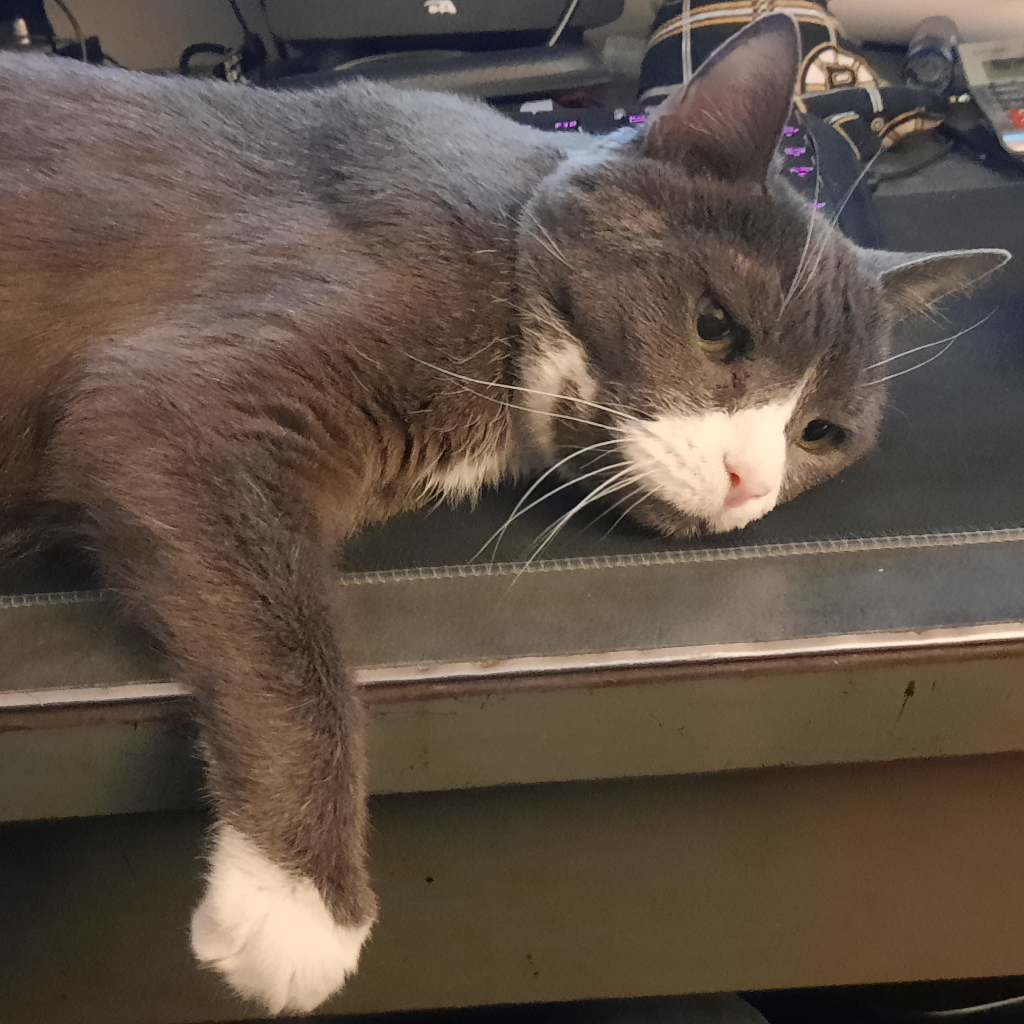 One of the most helpful things a pet owner can do is observe patterns. If a cat begins grooming excessively, ask what may have changed recently. A move, new pet, illness, travel, or schedule change may offer clues. Sometimes the cause is obvious. Other times it takes careful observation to connect the behavior with a specific trigger.
It is also important to rule out medical issues. Skin allergies, parasites, and infections can also cause excessive grooming. A veterinarian can help determine whether the cause is physical or behavioral. Once medical causes are ruled out, addressing environmental stress often leads to improvement.
Supporting a Sensitive Cat
Cats who respond to stress with grooming are not misbehaving. They are coping in the only way they know how. Creating a stable environment is one of the most powerful ways to support them. Predictable routines, quiet resting areas, enrichment activities, and gentle attention can help restore a sense of safety.
In many cases the grooming fades once the cat feels secure again. That is what we saw with Belle after our move. What began as constant grooming slowly disappeared once she realized the new house was safe and full of familiar people.
Her story is a reminder that cats are deeply aware of the emotional landscape around them.
A Lesson in Paying Attention
One of the most humbling parts of living with animals is realizing how much they notice. Cats pay attention to rhythms, smells, sounds, and emotional shifts that we often overlook. When a cat begins grooming excessively, it can be an invitation for us to look more closely at the environment we share with them.
Sometimes the answer lies in something simple. A change in routine, a new presence in the home, or the quiet absence of someone who used to be there. By observing carefully and responding with patience and compassion, we can help our cats navigate those changes. In doing so we strengthen the trust that makes the bond between humans and animals so meaningful.
For those of us who share our lives with senior pets, that bond becomes even more precious. Their experiences, sensitivities, and memories run deep. When we listen to what their behavior is telling us, we give them the comfort and security they deserve in every stage of life.