
If you share your life with a senior pet, you probably know the moment. You are petting them during a quiet evening, running your hand along their back or belly, when your fingers pause. There it is. A small bump that you are fairly sure was not there before. Your mind immediately starts racing. Is it serious? Is it cancer? Should I rush to the veterinarian tomorrow morning?
Finding a lump on a pet can be unsettling for any owner, but it is especially common in older animals. Senior pets often develop various lumps and bumps as they age, and many of them turn out to be harmless. At the same time, some lumps do require attention, which makes knowing how to respond an important part of caring for an aging companion.
Over the years we have lived with many cats and dogs, and more than a few of them have had mysterious lumps appear at some point in their lives. Some turned out to be simple fatty growths. Others needed treatment. What we learned through those experiences is that panic rarely helps, but awareness does.
Understanding what you are feeling, what signs to watch for, and when to involve a veterinarian can make a big difference for both you and your pet.
Why Older Pets Often Develop Lumps
 Just like humans, animals experience many physical changes as they grow older. Cells divide, repair themselves, and sometimes grow in unusual ways. These changes can lead to a wide range of growths under or on the skin. Some of the most common types include fatty tumors called lipomas, cysts, skin tags, or benign growths. These often feel soft or movable under the skin and may stay the same size for years.
Other lumps may be related to inflammation, infections, or tumors that can be either benign or malignant. That is why any new lump deserves at least a little attention, even if it turns out to be harmless. Senior pets are simply more likely to develop these changes because they have had more time for their bodies to go through wear, repair, and aging.
The First Step: Stay Calm and Observe
When you discover a lump, the first step is not panic. It is observation. Gently feel the area. Is the lump soft or firm? Does it move slightly under the skin when you touch it, or does it feel fixed in place? Is your pet reacting as if it hurts when you press it?
These small details can be useful later if you discuss the lump with your veterinarian. Another helpful step is to make a simple note of where the lump is located and about how large it feels. Some pet owners even take a photo or measure it with a ruler. That way you can track whether the lump changes over time.
Many lumps that appear suddenly and remain the same size are benign. Monitoring them allows you to see whether anything changes.
Signs That a Lump May Be Less Concerning
There are several characteristics that are often associated with benign growths. While these signs do not guarantee a lump is harmless, they can sometimes provide reassurance while you monitor it. A lump that is soft and slightly squishy is often a fatty growth. Lipomas are very common in older dogs and sometimes appear in cats as well.
If the lump moves easily under the skin when you touch it, that is another sign it may not be attached to deeper tissues. Many benign lumps behave this way. Slow growth is also somewhat reassuring. Some lumps remain the same size for months or even years.
We once had a senior dog who developed a small fatty lump along her side. Our veterinarian examined it and confirmed it was a lipoma. It never caused her discomfort and remained the same size for the rest of her life. Experiences like that remind us that not every lump is a crisis.
Signs That a Lump Should Be Checked Promptly
While many lumps are harmless, there are situations where a veterinarian visit should not be delayed. A lump that grows quickly over a short period of time deserves attention. Rapid growth can sometimes indicate a more serious condition.
Firm lumps that feel hard or fixed in place should also be examined. If a lump seems attached to underlying tissue and does not move easily, it is worth investigating. Changes in the skin over the lump can also be a warning sign. Redness, bleeding, ulceration, or a wound that will not heal should always be evaluated.
Another important signal is discomfort. If your pet reacts with pain when the lump is touched, or if they begin licking or chewing at the area frequently, it may indicate irritation or infection. Finally, lumps located around the mouth, eyes, or paws should be examined sooner rather than later because growths in these areas can interfere with eating, vision, or walking.
Why Veterinary Exams Matter
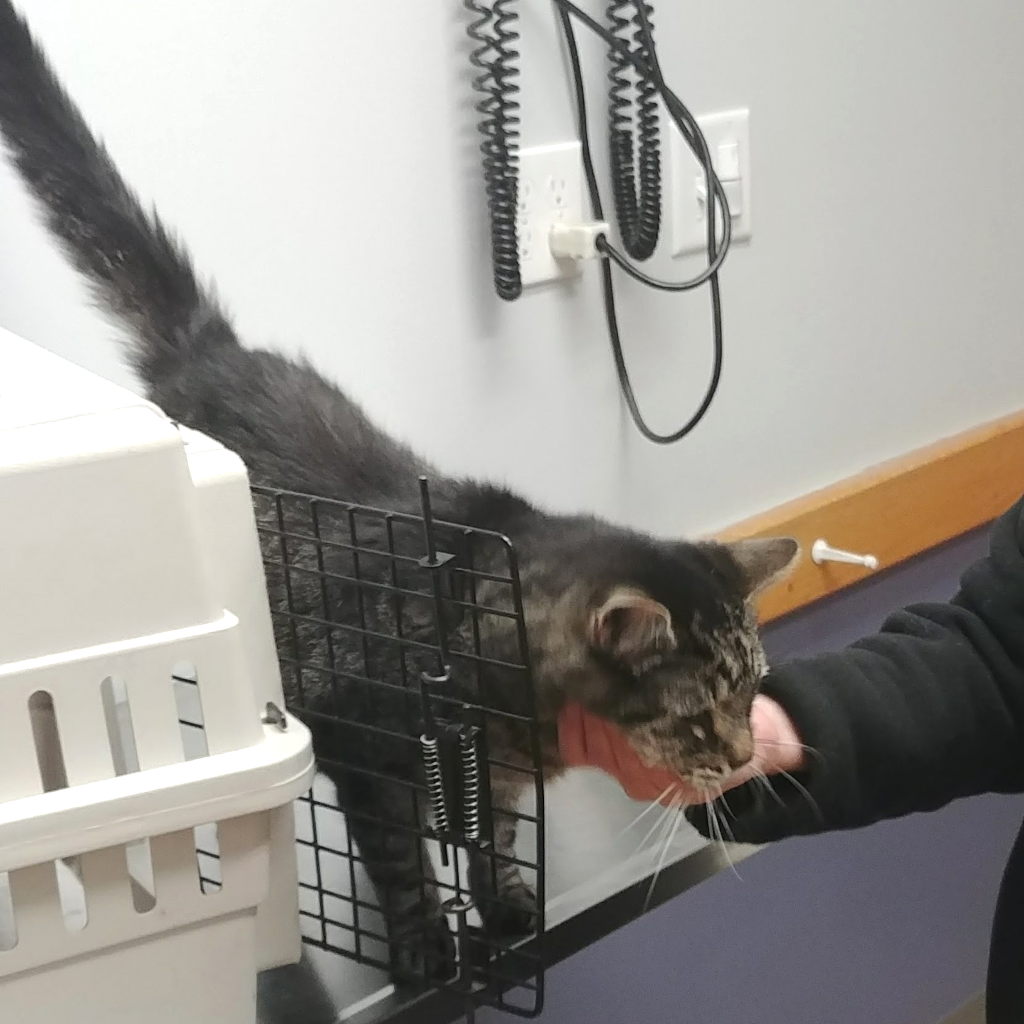 Even experienced pet owners cannot determine the exact nature of a lump by touch alone. Veterinarians often use a simple procedure called a fine needle aspiration to examine cells from the lump under a microscope. This test involves inserting a small needle into the growth and collecting a sample of cells. It is usually quick and causes minimal discomfort for the pet.
In many cases this test can help determine whether the lump is a fatty tumor, a cyst, or something that requires further testing. Sometimes the results are clear. Other times a veterinarian may recommend removing the lump for a biopsy so it can be analyzed more thoroughly.
While hearing the word biopsy can sound intimidating, it is often the best way to get clear answers.
Monitoring Lumps at Home
If your veterinarian confirms that a lump is benign, they may recommend monitoring it over time rather than removing it right away. This is common with lipomas or other non harmful growths that are not causing discomfort. Monitoring simply means checking the lump periodically for changes. You might feel it once a week while brushing or petting your pet.
Look for signs such as growth, changes in texture, redness, or any new discomfort. Many pet owners find it helpful to keep a small notebook or digital note about their pet’s health. Writing down the size and location of lumps can make it easier to notice gradual changes that might otherwise go unnoticed.
The Emotional Side of Finding a Lump
Discovering a lump can stir up a lot of fear, especially if you have experienced illness with pets before. Anyone who has cared for a senior animal knows that aging can bring its share of medical challenges. Over the years we have faced conditions ranging from diabetes to thyroid disease and kidney problems.
Because of those experiences, it is easy for the mind to jump to the worst case scenario. But many times, lumps turn out to be manageable or harmless. The key is not ignoring them, but also not letting fear take over before you have real information.
Our pets depend on us to be calm, observant, and proactive. When we approach health concerns with patience and care, we give them the best chance for comfort and quality of life.
Regular Checkups Make a Difference
Routine veterinary visits are one of the most important tools in senior pet care. During these visits, veterinarians often perform full body exams that include checking for lumps or skin changes. They may notice subtle growths that owners have not yet discovered.
Senior pets benefit greatly from regular exams because many conditions can be managed more effectively when caught early. Even if your pet seems healthy, these checkups provide an opportunity to discuss any small concerns before they become larger ones.
Creating a Habit of Gentle Health Checks
 One simple practice that many pet owners adopt is performing gentle health checks during normal bonding time. While brushing your dog or relaxing with your cat in the evening, run your hands along their body. Feel their sides, neck, belly, and legs.
This routine helps you become familiar with your pet’s normal shape and texture. When something new appears, you are more likely to notice it early. Pets often enjoy this attention, so these checks can become a comforting ritual rather than a stressful task.
Supporting Senior Pets Through Aging
Lumps and bumps are just one part of the aging process for many animals. Senior pets may also experience arthritis, vision changes, thyroid issues, diabetes, or kidney disease. Each challenge reminds us how important attentive care can be.
The goal is not to prevent aging. That is something none of us can do. Instead, the goal is to support our pets so they remain comfortable, loved, and safe throughout their later years. Sometimes that means monitoring a harmless lump. Other times it means seeking treatment early when something does need attention.
A Balanced Approach
 The most helpful approach to lumps and bumps is a balanced one. Do not ignore new growths, but also do not assume the worst immediately. Observe, take notes, and consult your veterinarian when something seems unusual.
Many lumps in senior pets turn out to be minor issues that simply require occasional monitoring. Others need treatment, and catching them early can lead to much better outcomes. With patience, awareness, and regular veterinary care, pet owners can navigate these moments with confidence.
Our pets may grow older, but the love we share with them continues to deepen with every year. Paying attention to the small details of their health is one of the many ways we return that loyalty and affection.