
Caring for a senior pet often means adjusting everyday routines to meet changing needs. Grooming is one of those routines that may look simple on the surface but becomes more important as pets grow older. Older dogs and cats often develop thinner skin, stiff joints, or fragile bones that make traditional grooming methods uncomfortable or even risky. A brushing session that once felt relaxing can suddenly become painful if it is not approached carefully.
Gentle grooming is about more than keeping a pet clean. It is a chance to check for changes in the body, notice early signs of health issues, and spend calm time together. For pets that are aging or living with chronic conditions, these quiet grooming moments can become an important part of their overall care routine.
Over the years we have cared for many senior pets with different health challenges. Some struggled with arthritis and sore joints. Others had fragile skin, thyroid issues, or diabetes that affected their coat and skin health. Through trial, error, and a lot of patience, we learned that grooming older pets requires a slower pace, softer tools, and a more thoughtful approach.
Why Senior Pets Need a Different Grooming Approach
 Young pets often bounce back quickly from small discomforts. Senior pets usually do not. Aging can affect almost every part of the body, including the skin, bones, muscles, and immune system. The skin of older pets often becomes thinner and more delicate. Natural oils may decrease, which can lead to dryness or itching. Conditions such as hypothyroidism or diabetes can also affect coat quality and skin health.
Bones can also become more fragile with age. Arthritis is common in both senior cats and dogs. Some pets develop spinal issues or hip problems that make certain movements painful. Because of these changes, grooming must be done with care. Pulling on tangled fur or pressing too firmly on a sore joint can cause discomfort that lasts long after the grooming session ends.
Gentle grooming respects these changes and adapts to them.
Creating a Calm Grooming Environment
Before even picking up a brush, it helps to create a calm and comfortable setting. Senior pets are often more sensitive to stress and sudden changes in routine. Choose a quiet space where your pet feels safe. This could be a favorite blanket on the couch, a soft bed on the floor, or even your lap if your pet is comfortable there. Good lighting is helpful so you can clearly see the skin and coat. This allows you to notice small bumps, sores, or areas of irritation that might otherwise go unnoticed.
Temperature also matters. Older pets can struggle to regulate body heat. Make sure the room is comfortably warm, especially if you plan to bathe your pet. Some pets relax when spoken to softly during grooming. A gentle voice and slow movements can make the experience feel less like a chore and more like a bonding moment.
Choosing the Right Grooming Tools
The tools used for grooming can make a big difference for pets with sensitive skin or brittle bones. Soft bristle brushes are often a good choice for senior pets with short coats. They help remove loose hair without scratching delicate skin. Rubber grooming brushes can also work well. These brushes are flexible and gentle, making them ideal for pets who dislike traditional brushes.
For longer coats, a wide tooth comb may be safer than a slicker brush. It allows you to work through tangles slowly without pulling too hard. If your pet has extremely fragile skin, even soft brushes might feel uncomfortable. In these cases, simply running your hands gently through the fur can help remove loose hair while still providing comfort.
Always avoid tools that feel sharp or rigid. What works for a young, healthy coat may be too rough for a senior pet.
Gentle Brushing Techniques
 Brushing should always be slow and patient when working with older pets. Start with light strokes and watch how your pet reacts. If they seem relaxed, you can continue. If they flinch or pull away, slow down or change areas. Work in small sections rather than trying to brush the entire coat quickly. This helps prevent pulling on tangles and allows you to focus on areas that may need extra care.
When you encounter a knot, resist the urge to pull through it. Instead, hold the fur close to the skin with one hand and gently loosen the tangle with the other. This prevents pressure from reaching sensitive skin. Pay special attention to areas that commonly develop mats, such as behind the ears, under the legs, and around the tail. For pets with arthritis, frequent short brushing sessions are often better than long grooming sessions. A few minutes each day can keep the coat healthy without tiring your pet.
Bathing Senior Pets Safely
Bathing can be one of the most challenging grooming tasks for senior pets. Slippery surfaces, cold water, and lifting can all create stress or discomfort. If your pet truly needs a bath, preparation is key. Use lukewarm water rather than hot or cold water. Temperature extremes can be uncomfortable for aging pets.
A non slip mat in the tub or sink helps prevent falls. This is especially important for dogs with weak joints or cats that may panic when their footing is unstable. Choose a mild shampoo designed for pets with sensitive skin. Harsh shampoos can strip natural oils and worsen dryness. When applying shampoo, use gentle motions rather than scrubbing. Think of it more like massaging the coat.
Rinse thoroughly but gently. Soap residue left behind can irritate the skin and cause itching. After the bath, wrap your pet in a soft towel and dry them slowly. Some pets tolerate a hair dryer set on low heat, but many seniors find the noise stressful. Towels are often the safer option.
Watching for Skin Changes
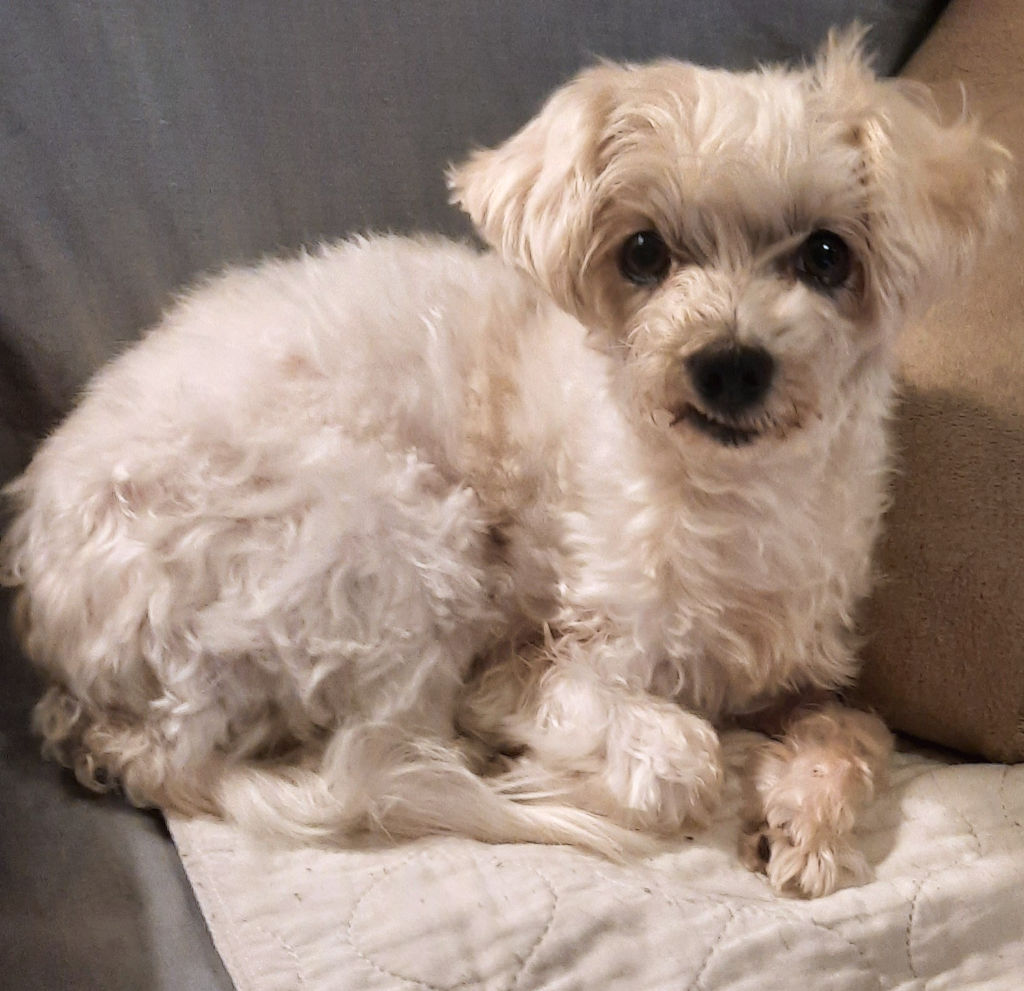 Grooming time is one of the best opportunities to check your pet’s skin and coat. Look for redness, scabs, lumps, or patches of hair loss. These changes can sometimes signal allergies, infections, or other health concerns. Senior pets may also develop fatty lumps called lipomas. Many of these are harmless, but it is still important to monitor them and mention them to your veterinarian during checkups.
For pets living with diabetes, skin health is especially important. Changes in coat quality or slow healing sores can sometimes signal that something in the body is not quite balanced. Regular grooming makes it easier to notice these changes early.
Adjusting for Pets with Chronic Conditions
Many senior pets live with conditions that affect grooming routines. Pets with arthritis may struggle to stand for long periods. Grooming them while they are lying comfortably on a soft surface can reduce strain on joints. Blind pets may become anxious when touched unexpectedly. Letting them smell the brush first or speaking softly before touching them can help them feel more secure.
Pets recovering from illness or infection may simply have less energy. In these situations, grooming should be brief and gentle. Our own pets have taught us that patience is the most important tool of all. One of our cats with diabetes had very sensitive skin as he aged. Brushing sessions became shorter and softer, but they still helped keep his coat clean and comfortable. Every pet is different, and their grooming routine should reflect their individual needs.
When Professional Grooming May Help
Sometimes professional groomers can provide help that is difficult to manage at home. Experienced groomers who work with senior pets often know how to handle fragile joints, matted coats, or skin conditions safely.
However, it is important to choose a groomer who understands the special needs of older animals. A fast paced grooming environment that works for young pets may be too stressful for a senior dog or cat. Some veterinary clinics also offer grooming services for pets with medical concerns. This can be a good option if your pet has complex health issues.
The Emotional Side of Grooming
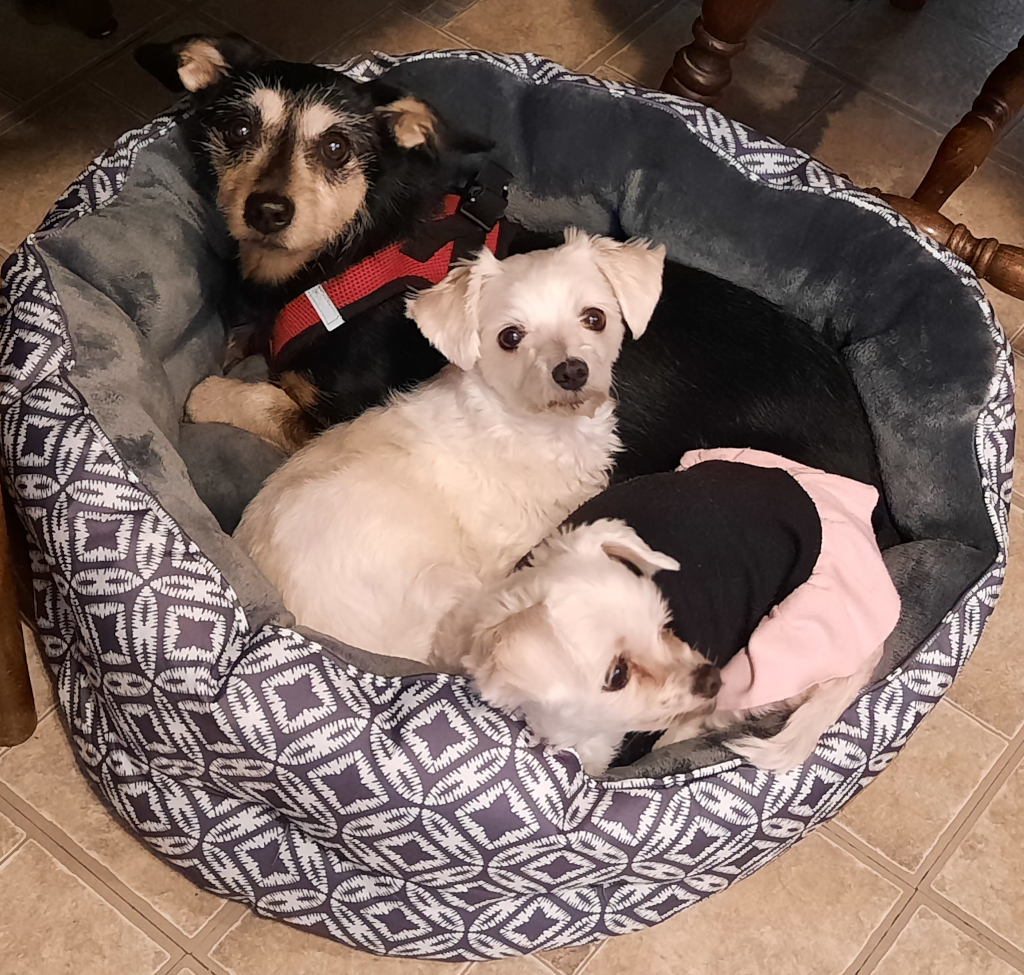 Grooming is not only about hygiene. For many pets it becomes a form of comfort. Older pets often spend more time resting and less time playing. Quiet activities such as gentle brushing can help them feel connected and cared for.
These moments also give pet owners a chance to slow down and appreciate the time they share with their companions. Anyone who has lived with senior pets knows how special these quiet routines can become. A simple brushing session can turn into a peaceful moment that both pet and owner look forward to.
A Final Thought on Gentle Care
Senior pets have spent years giving love, loyalty, and companionship. As they age, their needs change, and our care routines must change with them. Gentle grooming is one small but meaningful way to return that care. By using softer tools, slower movements, and extra patience, we can help our pets stay comfortable and clean even as their bodies become more delicate.
The goal is not perfection. The goal is comfort, trust, and kindness. For many senior pets, those quiet moments of gentle care mean everything.