
There comes a moment in every pet owner’s journey when the pace of life begins to change. A dog that once sprinted across the yard now walks slowly beside you. A cat that used to leap effortlessly onto the counter pauses and studies the jump before deciding whether it is worth the effort. These quiet changes are often the first signs that our pets are entering their senior years.
For many people, senior pets can feel intimidating. They may need medications, special diets, or frequent veterinary visits. New behaviors may appear that owners do not fully understand. Yet through all the adjustments that come with aging pets, one quality rises above all others as the most valuable tool an owner can have. That tool is patience.
Patience does not come in a bottle or a prescription. It cannot be purchased at a pet store. It grows slowly through understanding, compassion, and the willingness to adapt to the needs of a pet who has spent years loving you.
Aging Changes the Pace of Life
Senior pets often move through the world at a slower pace than they once did. Arthritis may stiffen joints. Vision can fade. Hearing may not be as sharp. Even digestion and metabolism may change.
For an owner who remembers their pet’s younger years, these changes can feel dramatic. A dog that used to beg for a long walk may now prefer a short stroll and a comfortable nap. A cat that once chased toys across the house may now watch them from a cozy blanket instead.
Patience helps us accept these changes without frustration. Instead of expecting the same energy and abilities our pets once had, we begin to appreciate the quiet companionship they offer in their older years.
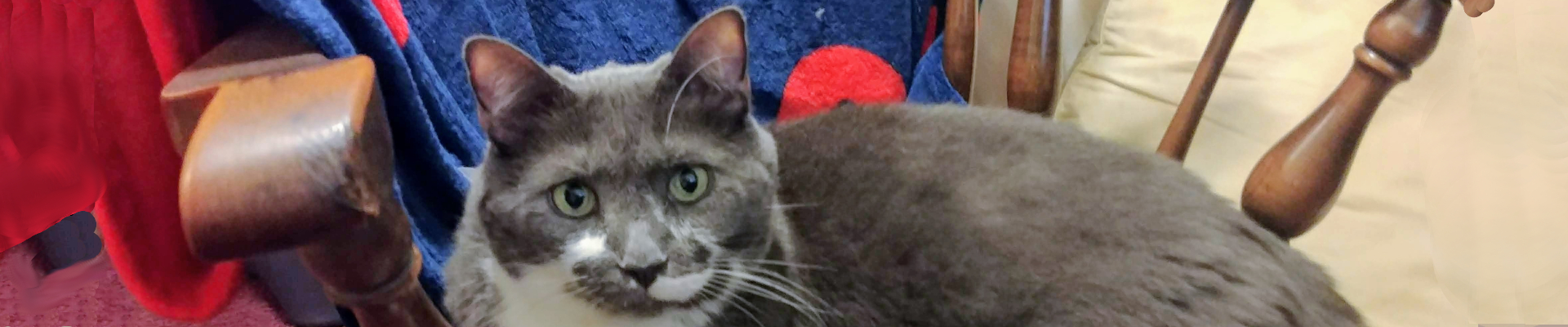
One of our own cats, Seamus, reached a point in his life when jumping onto furniture became difficult. At first it seemed confusing because he had always been such an active cat. Over time we realized he simply needed help. Adding small steps and ramps around the house made his world easier to navigate. What looked like a limitation at first turned into an opportunity to better understand his needs.
Learning New Routines
 Senior pets often require new routines. Medications may need to be given at specific times. Meals may change to support kidney health, thyroid balance, or weight control. Some pets need regular glucose monitoring if they develop diabetes.
At first these routines can feel overwhelming. Owners may worry about doing everything correctly or may feel nervous when learning new tasks such as giving insulin injections or checking blood sugar.
Patience allows these routines to become normal over time. The first few attempts may feel awkward, but pets often adapt faster than we expect. Many diabetic cats and dogs quickly learn that testing or medication is simply part of their daily routine.
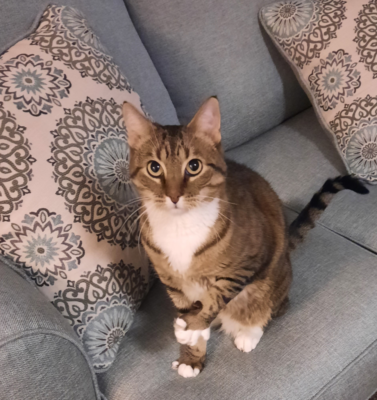
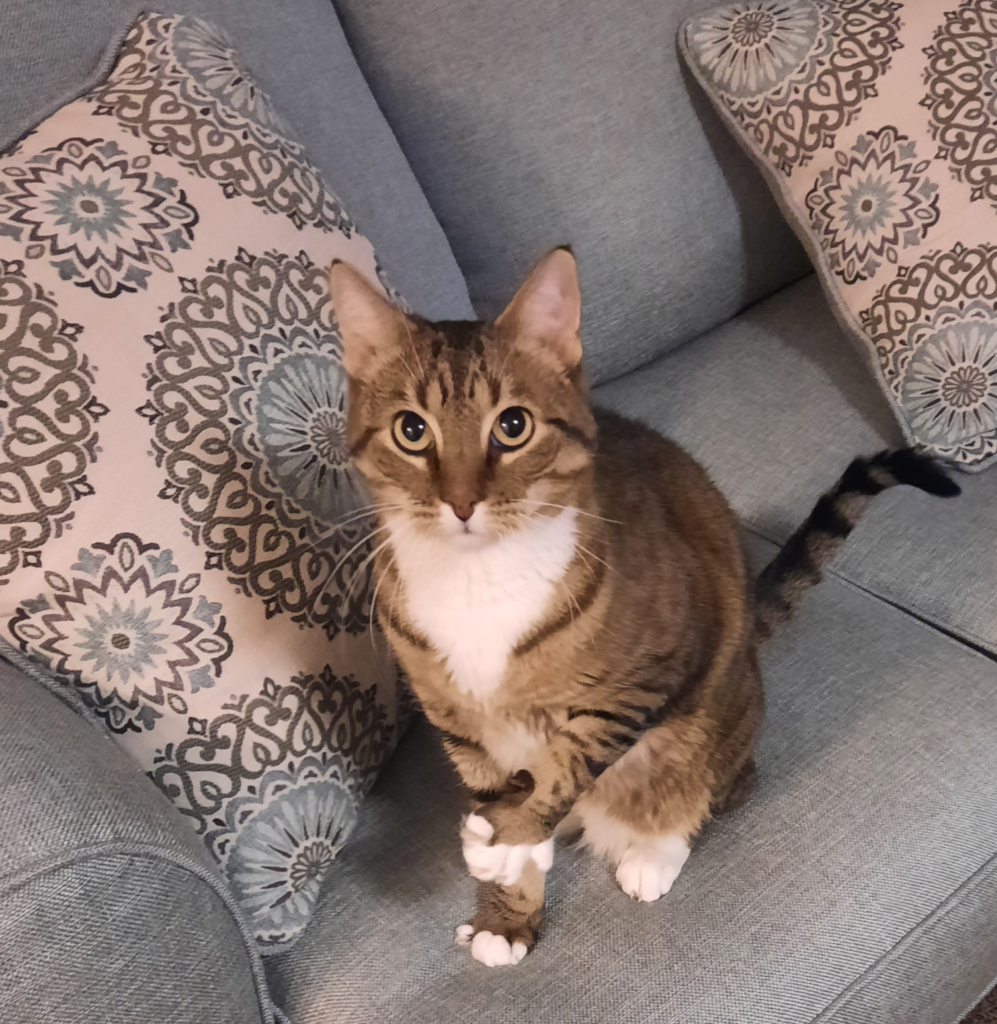
We experienced this firsthand with our diabetic cats Zippy and Bentley. At the beginning, testing blood sugar felt like a complicated medical procedure. After a few weeks it became a calm daily habit that helped us keep them safe and healthy. Tools such as glucose trackers or printable log sheets can make this process easier by helping owners see patterns and progress over time.
Understanding Behavioral Changes
Senior pets sometimes behave differently than they did when they were younger. These changes can be caused by pain, confusion, hearing loss, or other health issues. A dog may bark more often because they cannot hear familiar sounds clearly. A cat might miss the litter box if arthritis makes climbing into it difficult. Some pets become more vocal at night as their sleep patterns shift.
Without patience, these behaviors can feel frustrating. With patience, they become clues that help us understand what our pets are experiencing. For example, an older cat that begins avoiding the litter box may not be acting out. The sides of the box might simply be too high for sore joints. Switching to a lower entry litter box can solve the problem immediately.
Senior dogs that appear stubborn during walks may not be refusing to listen. They may simply be tired or uncomfortable. Shorter walks and more frequent breaks can make outings enjoyable again. Patience encourages us to look for solutions instead of assuming our pets are misbehaving.
Medical Conditions Require Calm and Consistency
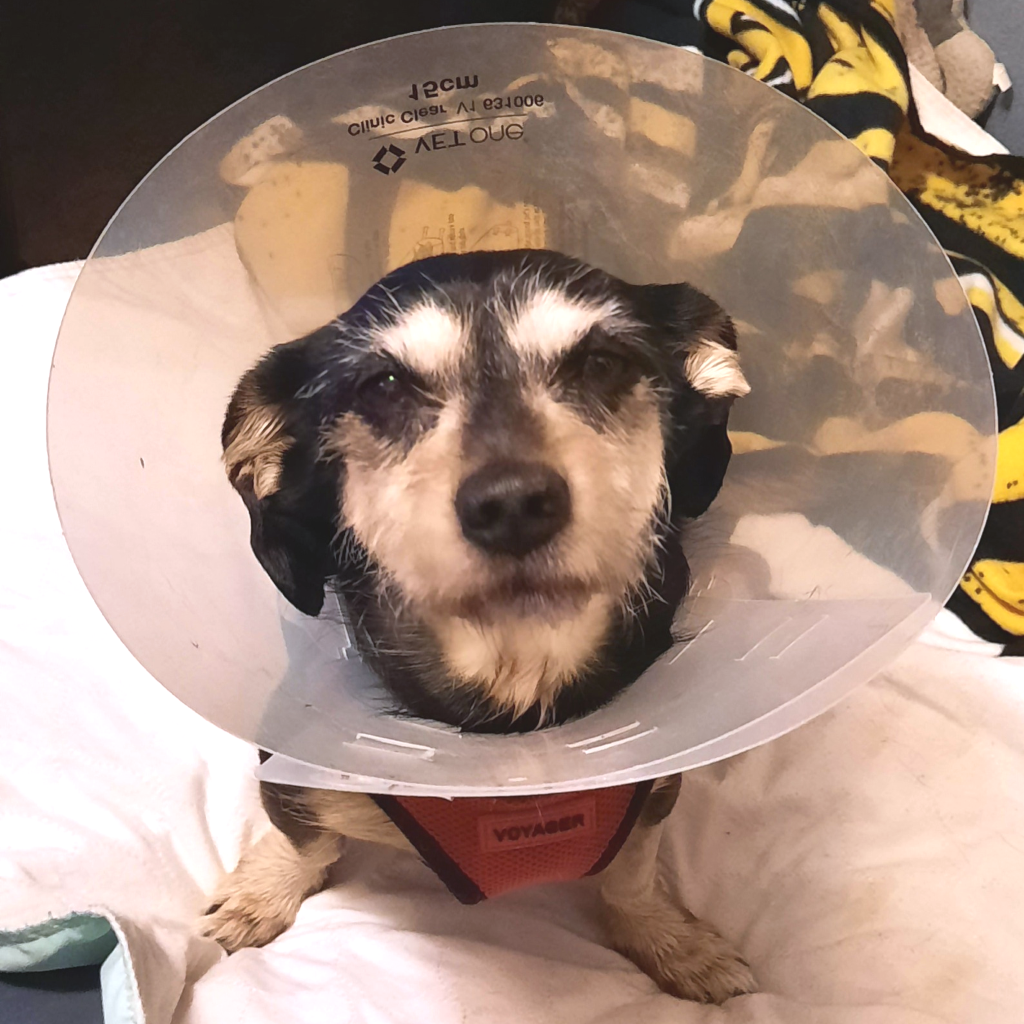 As pets age, health conditions become more common. Owners may encounter issues such as kidney disease, thyroid problems, diabetes, or even vision loss. While these conditions can sound serious, many pets live happy and comfortable lives when their needs are managed properly. The key is consistency combined with patience.
Treatments rarely produce instant results. A new diet may take weeks before improvements appear. Medications may require adjustments before the correct dosage is found. Monitoring health conditions takes time. Patience allows owners to stay steady during this process. Instead of worrying over every small change, they learn to observe patterns and communicate clearly with their veterinarian.
In our experience caring for multiple senior pets over the years, we learned that calm observation often reveals more than panic ever could. Keeping notes about appetite, activity level, weight, and bathroom habits can help identify subtle changes that might otherwise be missed.
Emotional Changes in Senior Pets
Senior pets sometimes become more emotionally sensitive as they age. Some grow more affectionate and seek out constant companionship. Others become quieter and prefer peaceful places to rest. Changes in the home can also affect them more deeply. Loud noises, unfamiliar visitors, or rearranged furniture may cause stress for an aging pet who relies on familiar surroundings.
Patience means giving them the comfort of stability. Keeping feeding times consistent, maintaining familiar sleeping spots, and offering gentle attention can make a world of difference. Many senior pets also appreciate slower interaction. Instead of energetic play sessions, they may enjoy brushing, gentle petting, or simply sitting beside you while you relax.
These moments often become some of the most meaningful parts of living with an older pet.
The Quiet Wisdom of Senior Pets
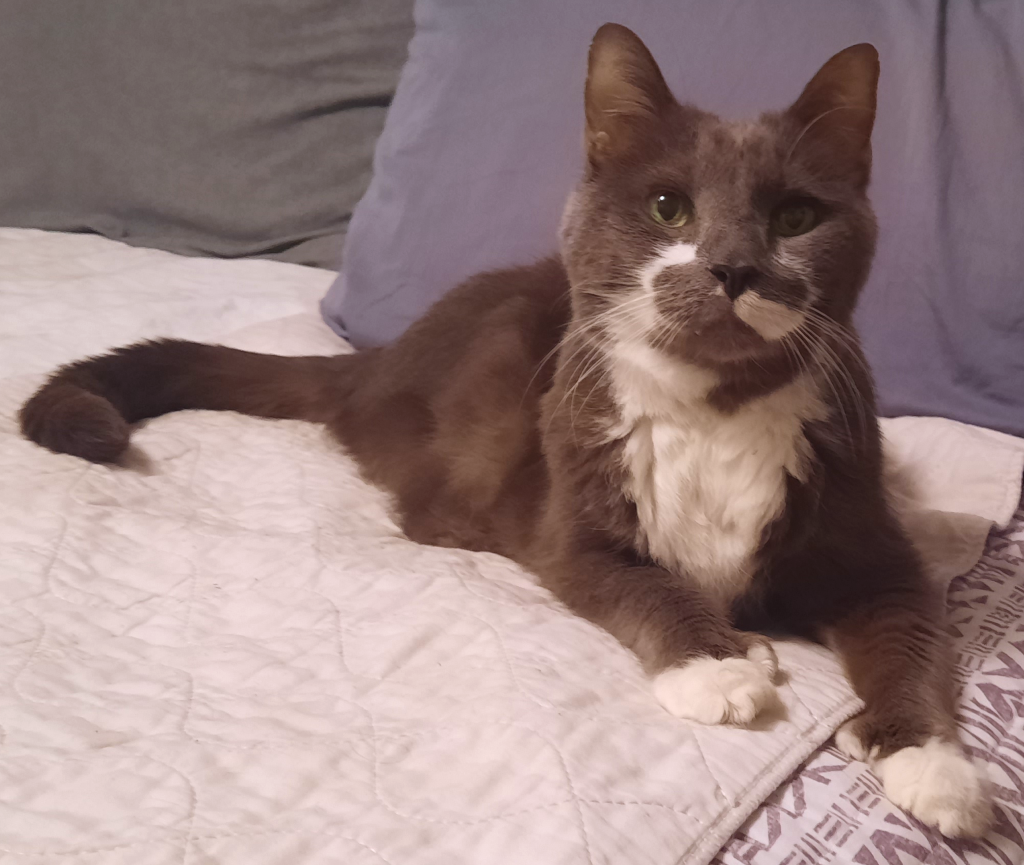 Senior pets carry a unique kind of wisdom. They have spent years learning the rhythms of their household. They know the sound of the door opening, the schedule of meals, and the comforting routines that define daily life. Because of this experience, many senior pets become deeply bonded with their owners. They seem to sense emotions and often offer quiet companionship during difficult moments.
Patience helps us appreciate this stage of life rather than fearing it. While younger pets bring energy and excitement, senior pets often bring calm and loyalty that can be just as powerful. Some of our most cherished memories with pets happened during their senior years. Quiet evenings with a cat curled nearby or a gentle dog resting at our feet often feel more meaningful than the chaos of younger days.
Creating a Senior Friendly Home
One of the best ways to practice patience with aging pets is to make small adjustments around the home that support their changing needs. Soft bedding helps relieve pressure on joints. Non slip rugs can prevent slipping on smooth floors. Pet stairs or ramps make it easier to reach favorite sleeping spots.
Even something as simple as moving food bowls to a quieter area can help pets with hearing or vision loss feel more comfortable. These changes may seem small, but they show our pets that we are willing to adapt alongside them.
The Value of Time
Caring for a senior pet teaches an important lesson about time. Puppies and kittens seem to grow up quickly, but senior pets remind us to slow down and appreciate each day. Patience helps us notice the small things. The way a cat stretches in the morning sunlight. The quiet satisfaction of a dog settling into their favorite bed. The familiar look of recognition when they hear your voice. These moments may seem ordinary, yet they are the heart of the bond between pets and their owners.
A Final Thought
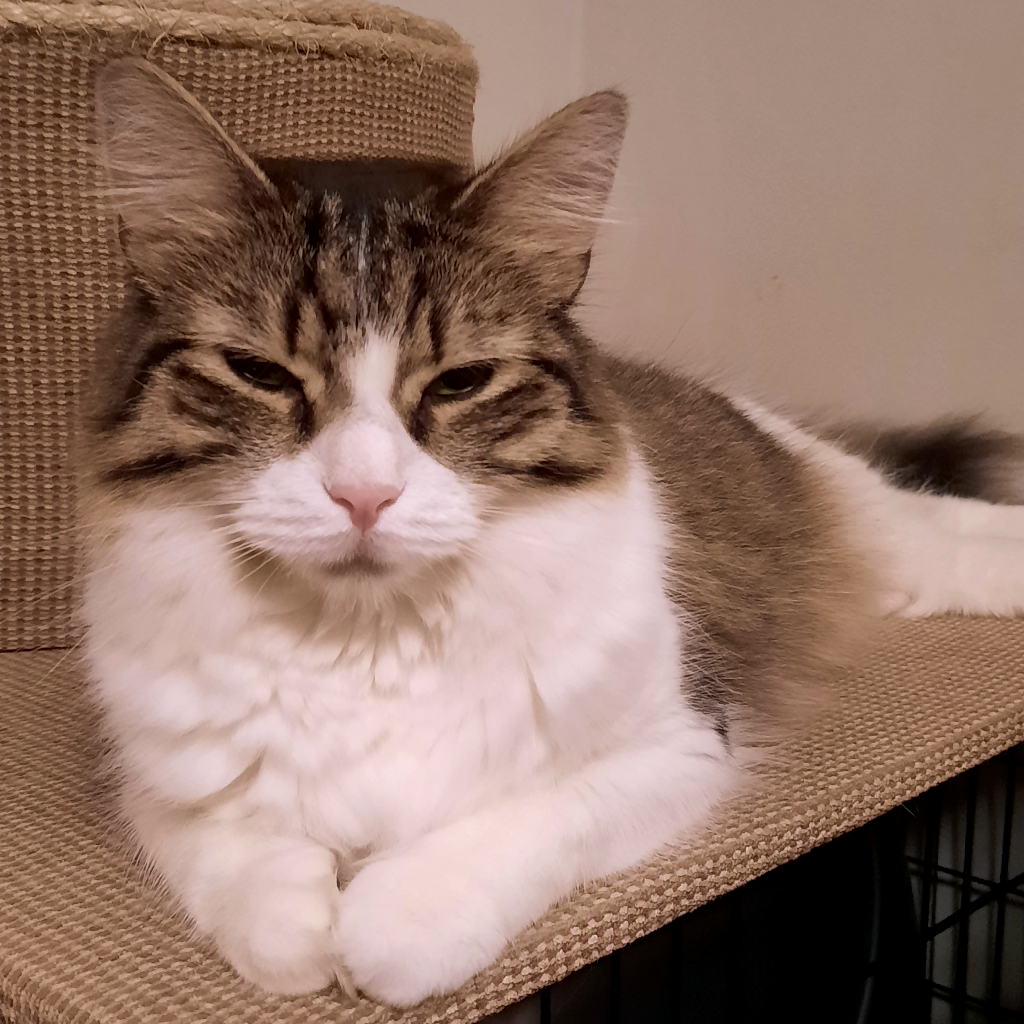 Senior pets may require extra care, but they also offer some of the most meaningful companionship a person can experience. Their slower pace encourages us to pause, observe, and appreciate the relationship we share with them. Patience becomes the bridge that connects our understanding to their needs. It helps us adapt to medical routines, behavioral changes, and the natural process of aging.
Most importantly, patience allows us to honor the years of loyalty and love our pets have already given us. Every gentle moment we spend with them is a reminder that growing older together is not something to fear. It is something to treasure.