
There is a quiet shift that happens as pets grow older. It is not always dramatic. Sometimes it shows up in small ways like slower steps, longer naps, or a hesitation before jumping onto a favorite spot. Other times, it shows up in ways that can feel more difficult for both pet and owner. Incontinence is one of those challenges. It can feel frustrating, messy, and even a little heartbreaking. But it does not have to take away your pet’s dignity or your bond with them.
At BellenPaws, we have lived through this stage more than once. Some of our senior pets developed accidents gradually, while others seemed to struggle overnight due to illness or age-related changes. We have cleaned carpets at odd hours, washed bedding more times than we can count, and yes, we have kept a reliable carpet cleaner nearby at all times. Through it all, one thing became clear. This stage is not about inconvenience. It is about compassion, patience, and adapting your home in ways that support your pet without making them feel ashamed.
Understanding Why Accidents Happen
 Incontinence in senior pets can come from many causes. Sometimes it is related to aging muscles that no longer hold urine as well as they once did. Other times it may be linked to conditions like diabetes, kidney disease, or hormonal imbalances. Arthritis can also play a role. A pet may know they need to go but cannot move fast enough to reach their usual spot.
For pets with diabetes, accidents can become more frequent due to increased thirst and urination. This is where tracking tools can become incredibly helpful. Keeping a record of your pet’s glucose levels and bathroom patterns can reveal trends that help you manage both their condition and their comfort.
It is important to remember that these accidents are not behavioral problems. Your pet is not being stubborn or careless. In most cases, they are doing their best with a body that is changing.
Shifting Your Mindset First
Before changing your home or routine, it helps to change your perspective. Pets do not feel embarrassment in the same way humans do, but they do sense tone, energy, and reaction. If an accident is met with frustration or raised voices, they may become anxious or confused.
We learned early on that calm cleanup is one of the greatest gifts you can give a senior pet. A soft voice, a gentle touch, and a quick response can turn a stressful moment into something that passes without fear. Over time, your pet learns that even when accidents happen, they are still safe and loved.
Creating Safe and Easy Bathroom Access
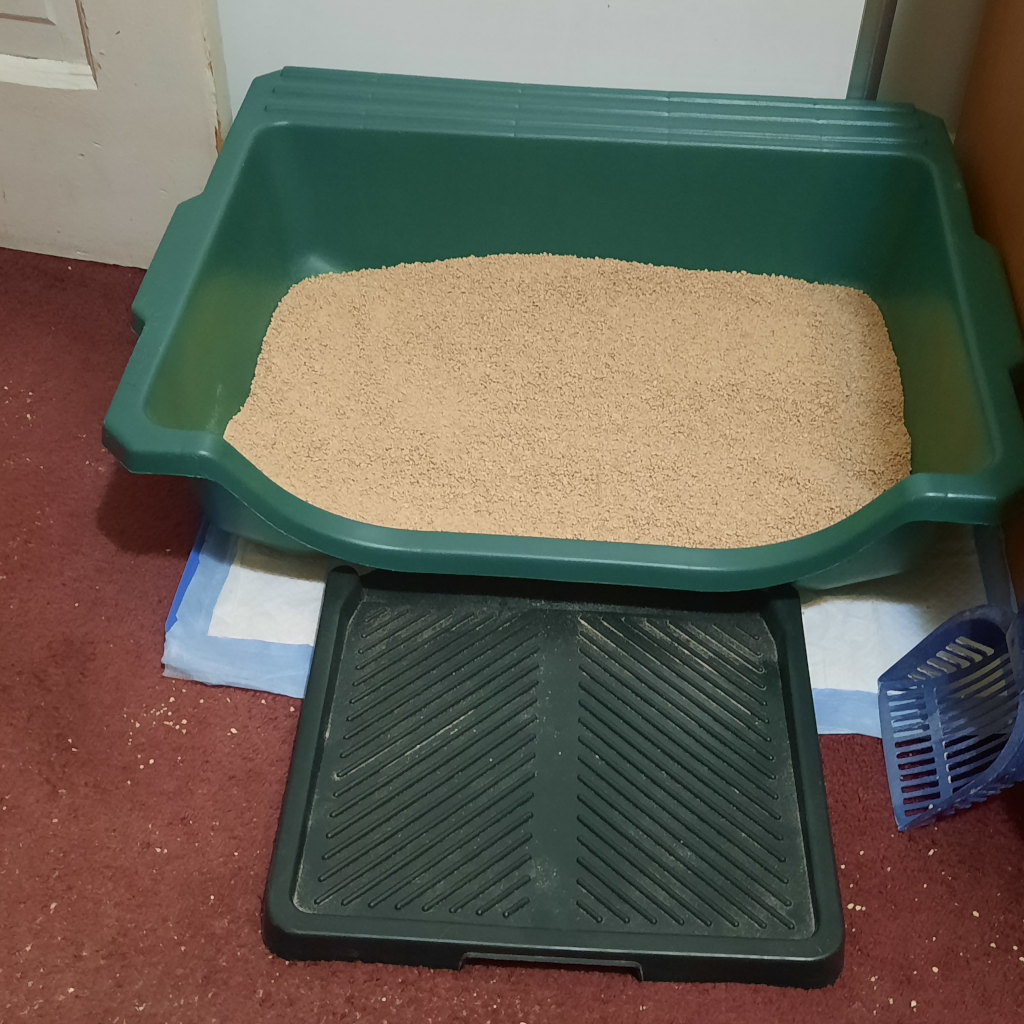 One of the most effective ways to reduce accidents is to shorten the distance between your pet and their bathroom area.
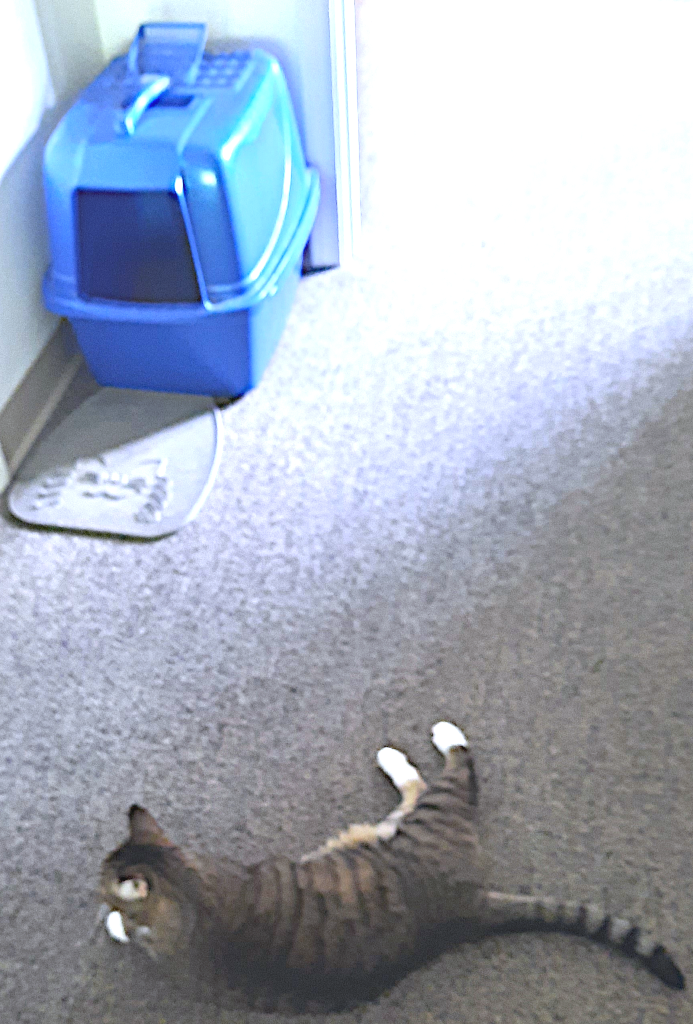
For dogs, this might mean more frequent walks or creating an indoor potty area using pee pads or artificial grass. For cats, it often means adding more litter boxes throughout the home. A good rule is to have one box per cat plus one extra, but with senior pets, location matters even more than quantity.
Place litter boxes on every level of your home and in areas where your cat spends most of their time. If stairs are involved, consider adding a box on each floor to prevent accidents caused by limited mobility.
Low-entry litter boxes can make a big difference for cats with arthritis. Something as simple as cutting down one side of a storage bin can turn it into an accessible option.
Protecting Your Home Without Limiting Your Pet
Accidents will happen, even with the best planning. The goal is not perfection. The goal is making cleanup easier while allowing your pet to continue enjoying their favorite spaces.
Waterproof covers are one of the simplest and most effective tools. You can place them on beds, couches, and even favorite resting spots. Many look like regular blankets, which helps maintain a normal home environment.
Washable pee pads are another great option. Unlike disposable ones, they are more comfortable for pets and more cost-effective over time. You can layer them in areas where accidents are more likely, such as near sleeping spots or along commonly used paths.
For flooring, consider temporary solutions like area rugs with waterproof backing or mats that can be easily cleaned. These can protect your floors without forcing your pet to stay in one confined area.
The Role of Pet Diapers
Pet diapers can feel like a big step, but they can be a helpful and respectful solution when used correctly.
We have used them ourselves when needed, especially during times when accidents became frequent or unpredictable. The key is to introduce them gradually. Let your pet sniff and get used to the diaper before putting it on. Keep sessions short at first and offer comfort and reassurance.
Fit is everything. A diaper that is too tight can cause discomfort, while one that is too loose will not do its job. There are options for both male and female pets, as well as reusable and disposable versions.
It is also important to give your pet breaks from wearing diapers. Regular checks and changes help prevent skin irritation. Think of diapers as a tool, not a permanent solution.
Cleaning Without Stress
 Having the right cleaning tools can completely change how you experience this stage.
A good carpet cleaner or upholstery cleaner can quickly remove both stains and odors. Enzyme-based cleaners are especially useful because they break down the proteins in urine, which helps eliminate lingering smells that might encourage repeat accidents.
We have found that keeping cleaning supplies easily accessible makes a huge difference. When you can respond quickly, the situation feels less overwhelming. It becomes part of your routine rather than a major disruption.
Try to clean accidents as soon as possible, but do not panic if you cannot. Even older stains can often be treated effectively with the right products and a bit of patience.
Supporting Skin and Coat Health
Frequent accidents can lead to skin irritation if not managed properly. This is especially true for pets that spend a lot of time lying down.
Regular grooming becomes even more important. Keeping the fur clean and trimmed in sensitive areas can help reduce moisture buildup. For some pets, a sanitary trim around the hind area can make cleanup easier and more comfortable.
If your pet experiences frequent contact with urine, consider using pet-safe wipes or gentle baths to keep their skin clean. There are also barrier creams designed for pets that can protect the skin from irritation. Always check with your veterinarian before introducing new products, especially if your pet has existing health conditions.
Adjusting Feeding and Hydration Routines
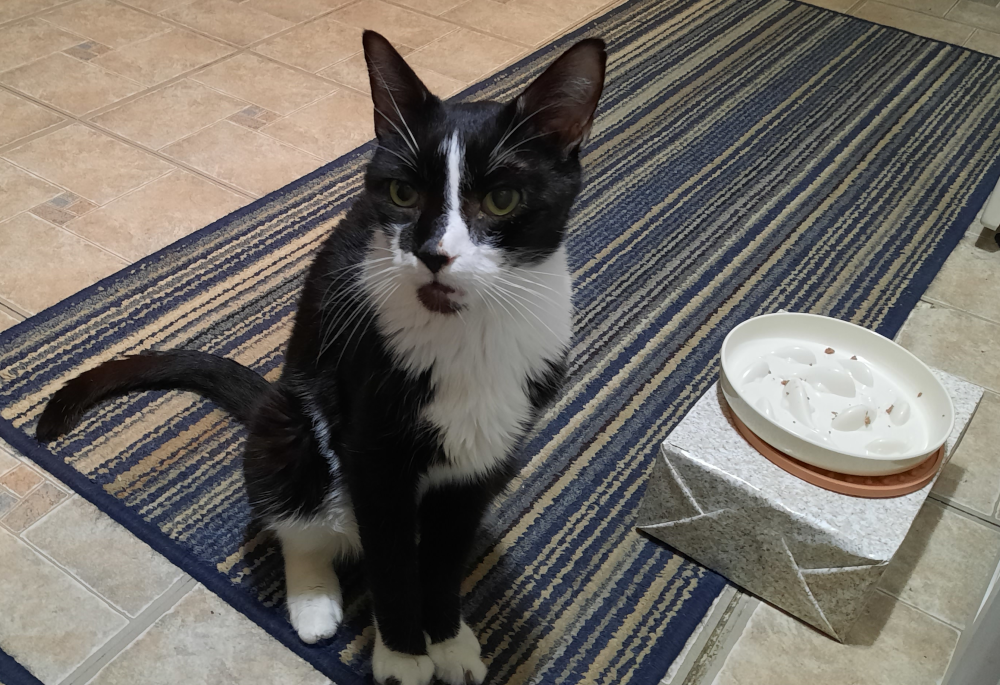 It might seem logical to reduce water intake to prevent accidents, but this can actually do more harm than good. Proper hydration is essential, especially for senior pets and those with conditions like kidney disease or diabetes.
Instead of limiting water, focus on timing. Offering meals and water at consistent times can help you predict when your pet may need to go. This can make it easier to plan bathroom breaks or monitor for signs that they need assistance.
For pets with diabetes, consistency is even more important. Feeding schedules, insulin timing, and monitoring glucose levels all work together. A structured routine can help reduce unexpected accidents while supporting overall health.
When to Seek Veterinary Guidance
While many cases of incontinence are related to aging, it is still important to rule out treatable conditions. Urinary tract infections, bladder stones, and certain hormonal issues can all cause or worsen accidents.
If your pet’s incontinence appears suddenly, worsens quickly, or is accompanied by other symptoms like pain, lethargy, or changes in appetite, it is worth consulting your veterinarian.
In some cases, medication or simple treatments can significantly improve control. Even when a cure is not possible, a vet can help guide you toward management strategies that improve your pet’s quality of life.
Holding on to What Matters Most
 It is easy to focus on the mess. It is harder, but more important, to focus on the moments that still bring joy.
Your senior pet is still the same companion who has shared your life for years. They still recognize your voice, your presence, and your care. Accidents do not define them, and they do not erase the bond you have built together.
Some of our most meaningful memories have come during this stage. Sitting quietly with a pet who needs a little extra help. Offering comfort during a moment of confusion. Finding new ways to adapt so they can stay close to us.
Even something as simple as cleaning up after them becomes an act of love. Not because it is pleasant, but because it is part of caring for a life that has given so much in return.
A Gentle Reminder
If you are going through this right now, you are not alone. Many pet owners face this stage, even if it is not often talked about openly. It can feel overwhelming at times, but it is also a chance to show your pet the same loyalty they have always shown you.
There is no perfect system. Some days will go smoothly, and others will not. What matters is the environment you create. One that is patient, supportive, and free of judgment.
In the end, dignity is not about never having accidents. It is about being cared for with kindness, even when those accidents happen.