
As our pets grow older, their needs change in ways that are not always obvious at first. The dog that once raced up the stairs without thinking may begin to hesitate. The cat that used to leap effortlessly onto a favorite perch might start searching for a lower route. These changes can feel small in the moment, but over time they can affect comfort, confidence, and overall quality of life.
Senior pets are not just older versions of their younger selves. Their bodies are adjusting to years of movement, wear, and sometimes illness. Joints can become stiff, vision may fade, and balance can shift. The good news is that a few thoughtful changes around your home can make a big difference. You do not need a full renovation or expensive equipment. Many of the best solutions are simple, affordable, and even enjoyable DIY projects.
At BellenPaws, we have lived through these transitions with many of our pets. Some needed help climbing. Others needed better traction. A few just needed a little more light to feel secure. Each change we made taught us something valuable. Your home can evolve with your pet, and it can do so in ways that feel natural and comforting.
Understanding What Senior Pets Struggle With
 Before making changes, it helps to understand what your pet might be experiencing. Most senior pets deal with some combination of reduced mobility, weaker vision, and slower reaction times. Conditions like arthritis, diabetes, or neurological changes can also affect how they move and interact with their environment.
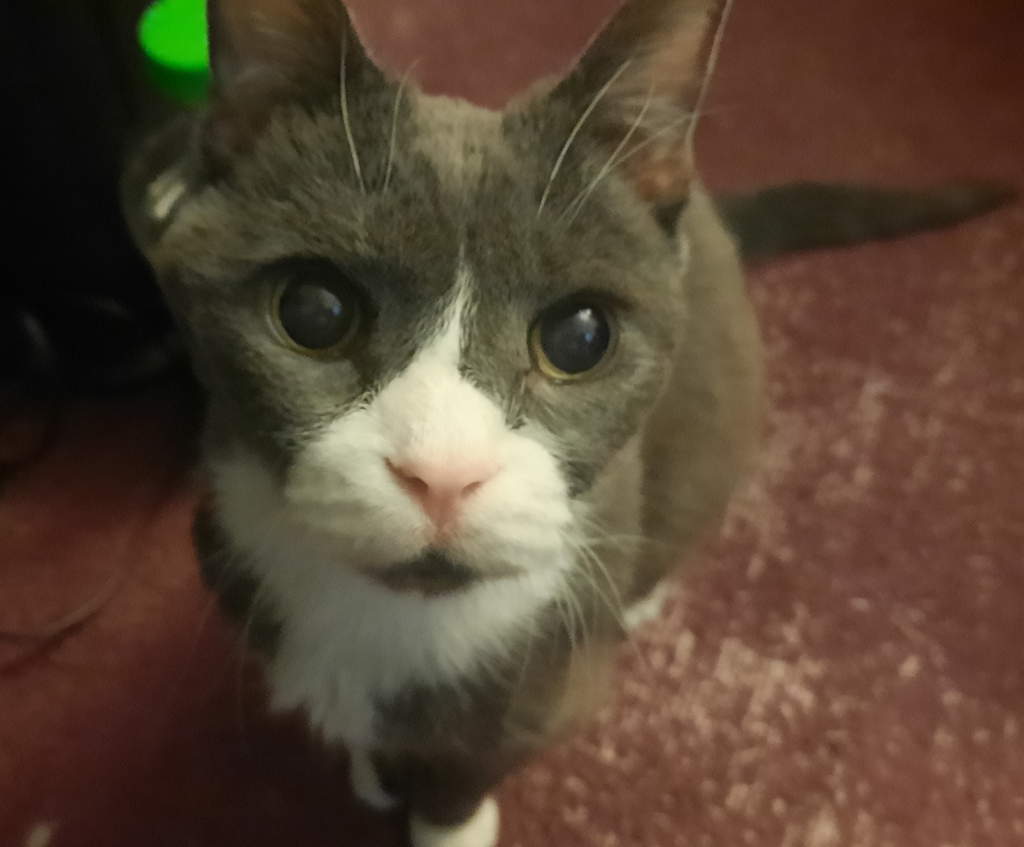
For example, a senior dog with arthritis may avoid jumping not because they are lazy, but because it hurts. A cat with declining vision might misjudge distances or feel anxious in dim lighting. Pets with diabetes can sometimes experience weakness or instability if their blood sugar is not well balanced.
We once had a cat who started sleeping on the floor instead of her usual elevated spot. At first, it seemed like a preference change. Over time, it became clear that jumping had simply become uncomfortable. Once we added a small ramp and a stable stepping surface, she returned to her favorite place almost immediately. That small adjustment gave her back a piece of her daily routine.
When you start seeing these subtle changes, your home becomes part of the solution.
Ramps: Giving Back Access and Independence
One of the most helpful additions for senior pets is a ramp. Ramps reduce the need for jumping and can make a huge difference for pets with joint pain or weakness.
Where Ramps Help Most
Think about the places your pet uses every day. Beds, couches, and even entry steps are common trouble spots. If your pet hesitates before climbing or avoids certain areas altogether, that is a sign they may benefit from a ramp.
Simple DIY Ramp Idea
 You can build a sturdy ramp using a piece of plywood, some basic supports, and a non-slip surface. Carpet remnants, rubber mats, or even textured shelf liners work well. The goal is to provide traction so your pet feels secure.
Keep the angle gentle. A steep ramp can be just as intimidating as a jump. If space allows, longer ramps are better because they reduce strain on joints.
Tips for Success
- Secure the ramp so it does not slide
- Introduce it slowly using treats or encouragement
- Keep it in a consistent location so your pet builds confidence
Ramps are not just for dogs. Many older cats benefit from them too, especially if they still enjoy climbing but need a safer way to do it.
Rugs and Flooring: Preventing Slips and Falls
Slippery floors can become one of the biggest hazards for senior pets. Hardwood, tile, and laminate surfaces may look great, but they offer very little grip. For an older pet, even a small slip can lead to injury or long-term fear of movement.
Creating Safe Pathways
Instead of covering your entire floor, focus on creating safe pathways. Place rugs or runners in areas your pet uses most, such as hallways, near food and water bowls, and along routes to favorite resting spots.
Non-slip backing is essential. A rug that slides can be more dangerous than no rug at all. You can use rug pads or adhesive strips to keep everything in place.
DIY Traction Solutions
 If you already have rugs, you can improve their safety with simple fixes. Adding rubber shelf liner underneath can increase grip. For pets that still struggle, consider using paw grips or keeping nails trimmed to help with traction.
We have seen pets regain confidence almost immediately after adding rugs. A dog that once walked cautiously across the floor may begin moving more freely again. That sense of stability can reduce stress and encourage healthy movement.
Lighting: Helping Aging Eyes Navigate
Vision changes are common in senior pets, even if they are not immediately obvious. Dim lighting can make it harder for them to judge distances or recognize obstacles. Improving lighting in your home can make a surprising difference.
Focus on Key Areas
Pay attention to areas where your pet moves at night or during low-light conditions. Hallways, staircases, and feeding areas are all important.
Night lights are an easy and affordable solution. Plug-in LED lights can gently illuminate a path without being too bright or disruptive.
Avoid Sudden Changes
Pets rely on familiarity. Sudden changes in lighting or layout can be confusing. Try to keep furniture and pathways consistent, and introduce new lighting gradually.
Natural Light Matters Too
During the day, open curtains or blinds to let in natural light. A well-lit space helps your pet stay oriented and comfortable.
We once noticed a dog becoming hesitant in the evenings, especially near a hallway corner. Adding a simple night light removed that hesitation almost overnight. It was a reminder that small changes can solve problems that seem bigger than they are.
Making Everyday Spaces More Accessible
Beyond ramps, rugs, and lighting, there are many small adjustments that can improve your pet’s daily life.
Food and Water Stations
Raised bowls can reduce strain on the neck and joints, especially for dogs. For cats, keeping bowls in easy-to-reach locations without obstacles can help.
If your pet has diabetes, maintaining a consistent feeding area is especially helpful. It supports routine and makes monitoring food intake easier alongside tools like glucose tracking.
Litter Boxes and Bathroom Areas
For cats, consider low-entry litter boxes or cutting down one side of an existing box. This makes it easier for them to step in and out without discomfort.
For dogs, ensure easy access to outdoor areas or provide indoor options if mobility is limited.
Bedding and Resting Spots
Orthopedic beds can provide better support for aging joints. Place them in quiet, comfortable areas where your pet feels safe.
If your pet loves a particular spot, try to keep it accessible. Adding a ramp or step can allow them to continue enjoying their favorite place.
Emotional Comfort Matters Too
 Physical safety is only part of the equation. Senior pets also benefit from emotional comfort and a sense of security.
Changes in mobility or vision can make pets feel uncertain. They may become more cautious or even anxious in situations that once felt normal. By making your home easier to navigate, you are also reducing that anxiety.
Spending time with your pet in their adjusted environment helps them adapt. Sit with them near a new ramp. Walk with them along a rug pathway. Offer reassurance and patience.
We have seen pets light up when they realize they can still reach their favorite places. That spark of confidence is worth every small effort.
Keeping It Practical and Affordable
One of the best parts of senior-proofing your home is that it does not have to be expensive. Many solutions can be created with items you already have or can find easily.
- Old rugs can be repurposed into runners
- Scrap wood can become a ramp
- Simple lights can improve visibility
The goal is not perfection. It is progress. Even one or two changes can make a noticeable difference.
Growing Older Together
 Caring for a senior pet is a journey filled with both challenges and meaningful moments. As their needs change, your role shifts from simply providing care to actively shaping their environment in ways that support their comfort and dignity.
At BellenPaws, we have walked this path many times. Each pet taught us something new about patience, observation, and the importance of small details. Senior-proofing your home is not just about safety. It is about giving your pet the ability to continue being themselves, even as they age.
Your home becomes a place where they can move with confidence, rest with ease, and feel secure in every step they take. And in return, you get to enjoy more of those quiet, meaningful moments that make the journey so special.
Because in the end, growing older together is not about what has changed. It is about what remains.