
One of the first things most of us hear as pet owners is that one year for a dog equals seven human years. It is simple, easy to remember, and comforting in a way. It gives us a quick sense of where our pets stand in life. But as the years go on and we really begin to understand our companions, we start to notice something important. That number does not always match what we are seeing right in front of us.
Some pets seem to slow down early. Others stay playful and bright well into their senior years. Some develop health conditions that age them faster than the calendar suggests. Others seem to defy time entirely. What we come to learn, often through both joy and heartbreak, is that aging is not a straight line. It is a story shaped by health, lifestyle, genetics, and the care we give them along the way.
Understanding pet age beyond simple conversions is one of the most meaningful shifts we can make as caregivers. It helps us meet our pets where they truly are, instead of where a chart says they should be.
The Limits of the “7-Year Rule”
The traditional idea that dogs age seven times faster than humans and that cats follow a similar pattern has been around for decades. It likely started as a rough way to help people grasp how quickly pets mature compared to us. But in reality, it is far more complicated than that.
For example, a one-year-old dog is not the equivalent of a seven-year-old child. That dog is closer to a teenager in terms of development. By the time a dog reaches two years old, they are often considered fully mature adults. After that, the aging process slows down in comparison to those early rapid changes.
Breed and size also play a major role. Larger dogs tend to age faster than smaller ones. A giant breed dog may be considered a senior at six or seven years old, while a small breed might not reach that stage until ten or beyond. Cats, too, follow their own patterns, with many living well into their late teens or even early twenties.
What this means for us as pet parents is simple. A one-size-fits-all number cannot capture the reality of aging. It can be a starting point, but it should never be the final word.
What “Age” Really Looks Like Day to Day
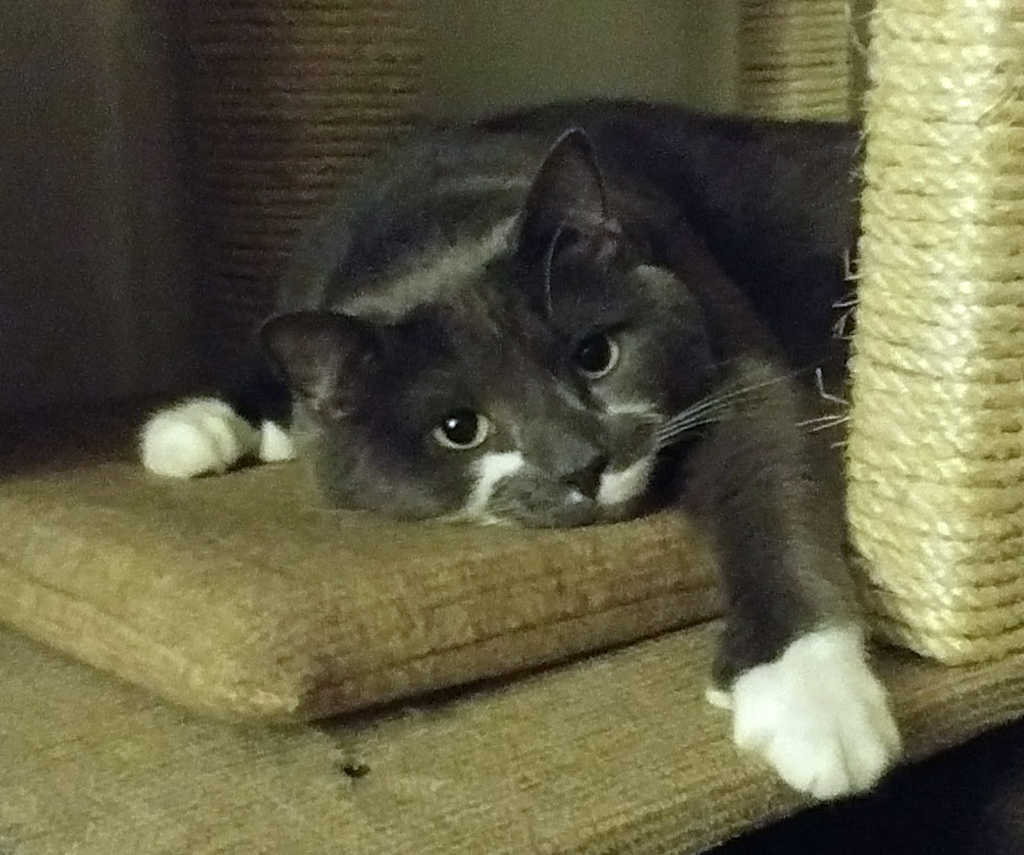 If age is not just a number, then what is it? The answer is something we already instinctively understand, even if we do not always put it into words. Age shows up in behavior, energy levels, physical changes, and emotional needs.
You might notice your dog taking a little longer to get up in the morning. Your cat might choose a sunny nap spot over chasing toys. These are not just signs of getting older. They are signals that your pet’s body is changing, and those changes deserve attention.
We saw this clearly with Bentley. Even while managing his diabetes with tight regulation, there were moments when his age seemed to show in subtle ways. He still had his personality and curiosity, but his rhythms shifted. He preferred consistency, calm environments, and predictable routines. Those changes were not dramatic, but they were meaningful. They reminded us that aging is often quiet and gradual, not sudden.
When we pay attention to these day-to-day signals, we start to understand our pets on a deeper level. We stop relying on numbers and start relying on connection.
Health Conditions and the “Invisible Aging” Factor
One of the biggest reasons simple age conversions fall short is because they do not account for health conditions. A pet dealing with chronic illness may experience aging differently than a perfectly healthy one of the same age.
Conditions like diabetes, kidney disease, hyperthyroidism, and heart issues can all influence how a pet feels and functions. In many ways, these conditions can accelerate certain aspects of aging while leaving others untouched.
We experienced this with Zippy during his journey with diabetes. Before his diagnosis, he was energetic and playful. Afterward, there were days when he seemed older than his years, especially when his glucose levels were not stable. But once we committed to tight regulation and found a rhythm that worked for him, something remarkable happened. His energy returned. His personality came back in full force. It felt like we had given him time back.
That experience changed how we view age entirely. It taught us that health management is not just about treating illness. It is about preserving quality of life, and in many cases, slowing down the feeling of aging itself.
For those managing similar conditions, tools can make a huge difference. Keeping consistent records, tracking patterns, and sharing that information with your vet helps you stay proactive. This is exactly why we created our diabetes tracker and printable glucose charts on BellenPaws. When you can see the patterns clearly, you are better equipped to support your pet’s overall well-being.
Emotional Aging and Changing Needs
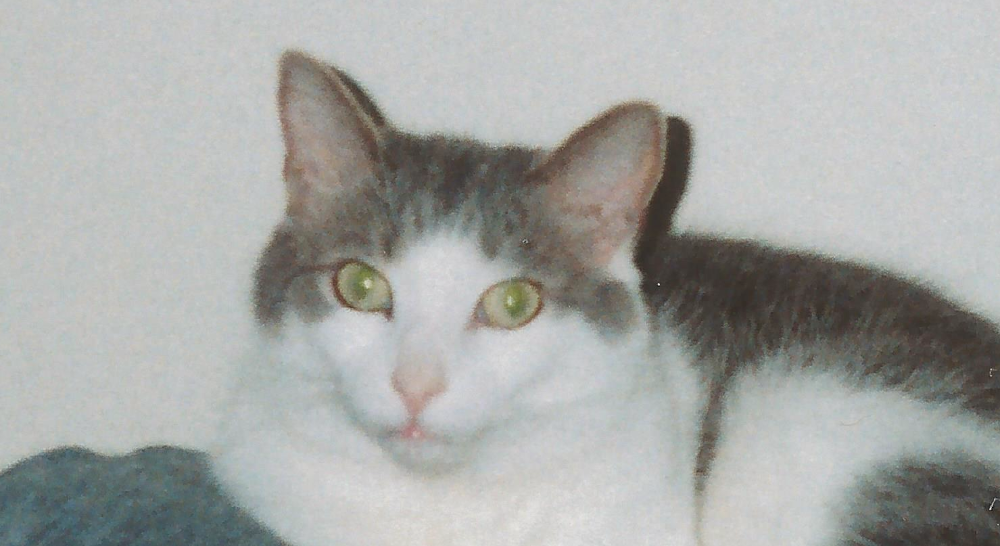 Physical aging is only part of the story. Emotional and behavioral changes are just as important, and sometimes they are the first signs we notice.
Senior pets often become more attached to their routines. They may seek comfort in familiar spaces and become less tolerant of change. Loud environments, new animals, or disruptions to their schedule can feel overwhelming in ways they did not before.
At the same time, many pets become more affectionate as they age. They seek out closeness, not just for warmth, but for reassurance. There is a quiet understanding that develops between you and your pet over the years, something that goes beyond words.
This stage of life asks something different from us as caregivers. It asks for patience, for observation, and for a willingness to adjust. It is less about training and more about listening.
The Role of Lifestyle in How Pets Age
Just like with people, lifestyle plays a huge role in how pets age. Diet, activity level, mental stimulation, and environment all contribute to how your pet experiences their later years. A pet that has maintained a healthy weight, stayed active, and received regular care will often show fewer signs of aging early on. On the other hand, obesity, inactivity, or unmanaged health issues can make a pet seem older than they are.
But here is the encouraging part. It is never too late to make changes that improve quality of life. Even small adjustments can have a big impact. Switching to more supportive bedding can ease joint discomfort. Adjusting feeding routines can help with digestion and energy levels. Providing gentle play or interaction keeps their minds engaged, even if their bodies are slowing down.
For cats, something as simple as modifying a scratching post or creating easier access to favorite spots can make a difference. We have even had readers use our rope length calculator to customize posts that better suit their senior cats’ needs, making them more accessible and comfortable.
These changes are not about reversing age. They are about honoring it in a way that supports comfort and dignity.
Seeing Your Pet as an Individual, Not a Statistic
 Perhaps the most important shift we can make is to stop comparing our pets to averages and start seeing them as individuals.
Two pets of the same breed and age can have completely different experiences. One may still act like a puppy at ten years old, while another may show clear signs of aging at seven. Neither is wrong. They are simply different.
When we let go of rigid expectations, we open ourselves up to a more honest and compassionate form of care. We stop asking, “How old should my pet act?” and start asking, “What does my pet need right now?”
That question changes everything.
A Different Way to Measure Time
In the end, understanding pet age beyond simple conversions is not about finding a better formula. It is about changing the way we think. Age is not just years lived. It is moments shared. It is routines built together. It is the quiet trust that grows over time. It is the way your pet looks at you, knowing you are their person.
When we shift our focus from numbers to experience, we become better caregivers. We notice the small changes sooner. We respond with more empathy. We create environments that support our pets as they are, not as we expect them to be.
And perhaps most importantly, we learn to appreciate the time we have in a deeper way. Not measured in years, but in connection. Because at the end of the day, that is what our pets give us. Not a number, but a relationship that evolves, deepens, and stays with us long after they are gone.
And that is something no conversion chart could ever capture.