
There is a moment many of us experience with our senior pets that can feel both subtle and heartbreaking. It is not always dramatic. Sometimes it is as simple as calling their name and noticing they do not turn right away, or watching them hesitate before stepping into a familiar room. These small shifts can signal vision or hearing loss, and while they are a natural part of aging, they can leave us feeling unsure of how to help.
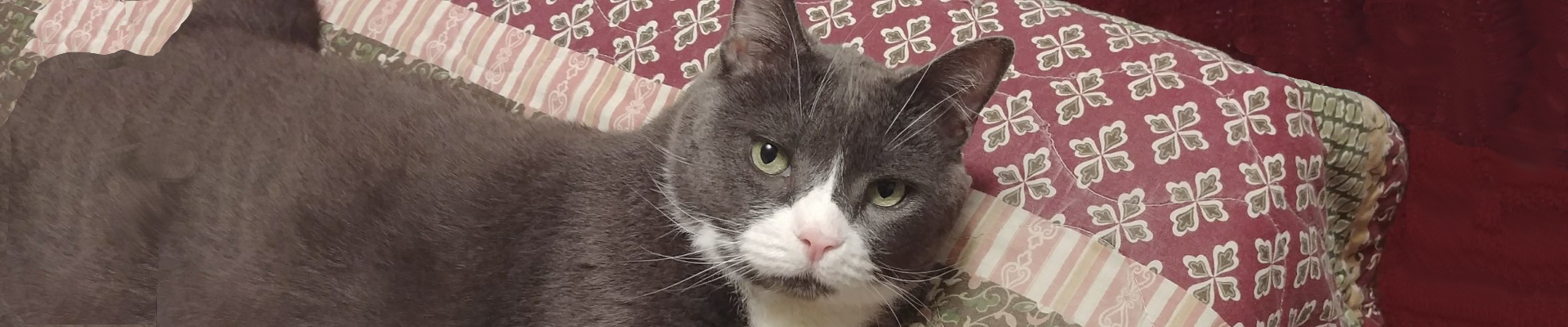
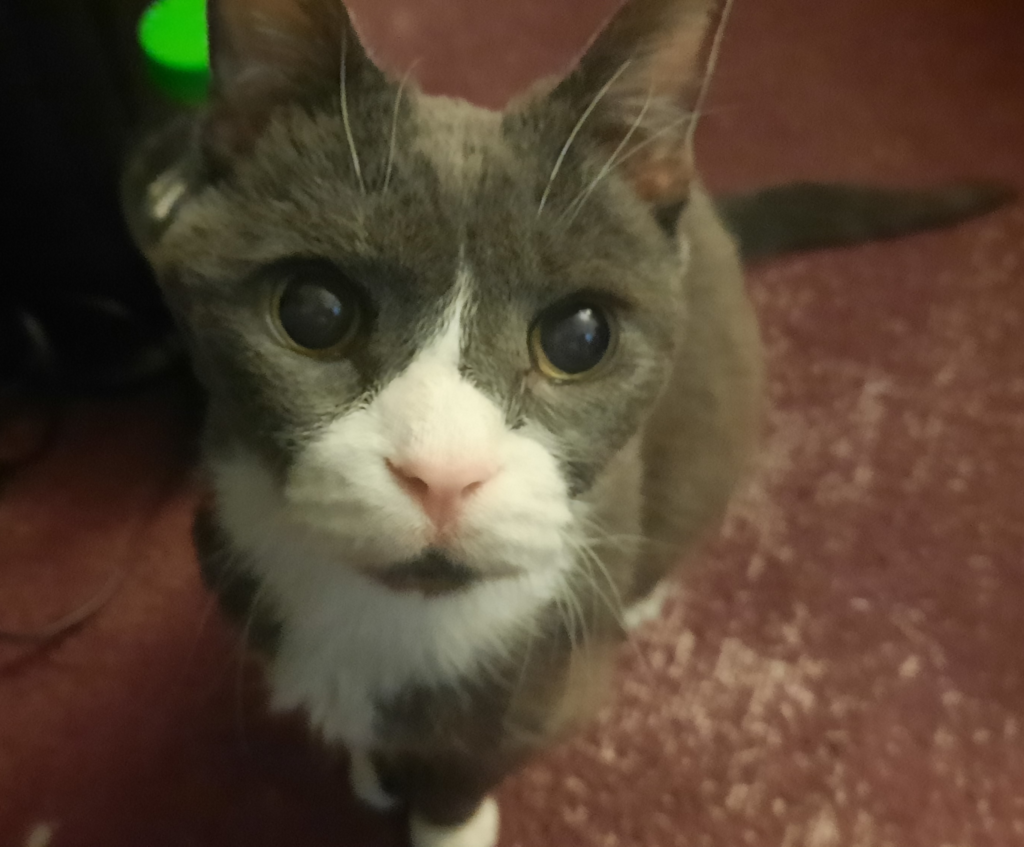
I remember noticing this with one of our older cats, Belle. She began moving a little more cautiously, pausing before jumping onto surfaces she had once navigated with confidence. At first, it was easy to dismiss it as just “slowing down,” but over time, it became clear she was relying more on memory and less on sight. That realization changed how we approached her care in a very intentional way.
The truth is, while our pets may lose some of their senses, they do not lose their ability to adapt, connect, or feel safe. With the right support, they can continue to live full, comfortable, and even joyful lives.
Understanding What They Are Experiencing
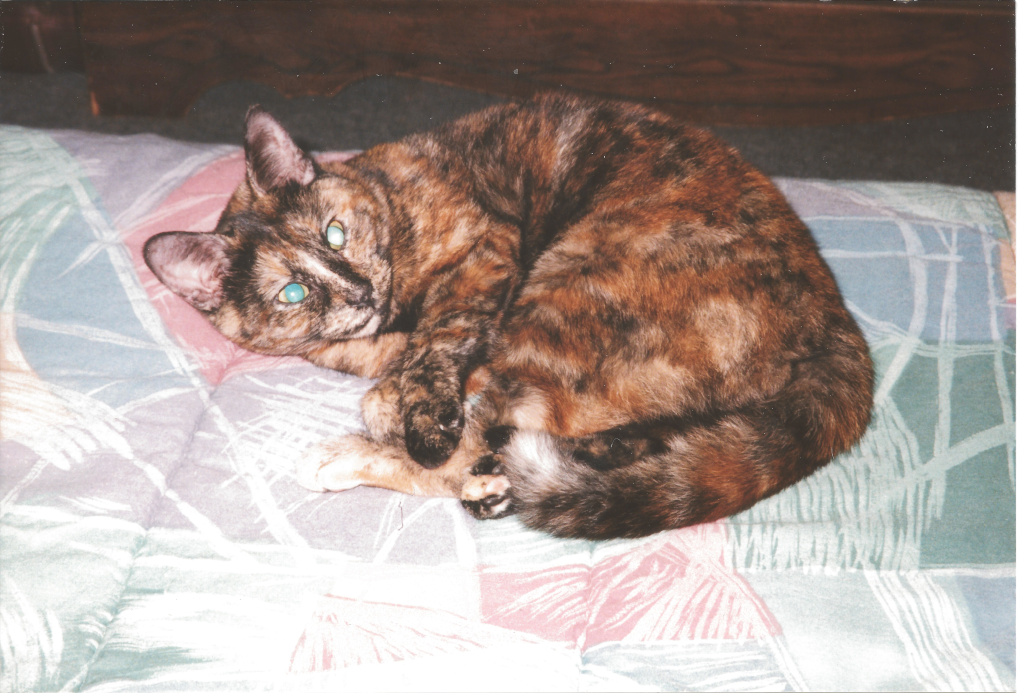 Vision and hearing loss in pets often happen gradually, which is why it can go unnoticed at first. Cats and dogs are incredibly good at compensating. They rely heavily on their other senses, especially smell and memory, so they often mask changes until the loss becomes more pronounced.
With vision loss, you might notice hesitation in unfamiliar spaces, bumping into objects, or difficulty navigating in low light. With hearing loss, your pet may sleep more deeply, fail to respond to familiar sounds, or startle easily when approached unexpectedly.
What is important to understand is that your pet is not confused in the way we might imagine. They are adjusting. Their world is changing, but they are constantly recalibrating how they move through it. Our role is not to fix what cannot be reversed, but to make that transition as smooth and safe as possible.
Creating a Safe and Predictable Environment
One of the most powerful things you can do for a senior pet with sensory loss is to make their environment predictable. Pets thrive on consistency, and when their senses are compromised, that consistency becomes even more important.
Try to keep furniture in the same place. What might feel like a minor change to us can be disorienting for a pet who relies on memory to navigate. Pathways should remain clear and stable, especially between their favorite resting spots, food area, and litter box or outdoor access point.
Lighting can also play a role for pets with partial vision. Soft, consistent lighting helps reduce shadows and makes it easier for them to interpret their surroundings. For pets with more advanced vision loss, tactile cues can be incredibly helpful. Rugs, mats, or textured surfaces can signal transitions between spaces, giving them a physical reference point they can feel under their paws.
For hearing loss, visual and physical cues become more important. Approaching your pet from the front where they can see you, or gently touching the floor near them to create vibrations, can help prevent startling them.
Communicating in New Ways
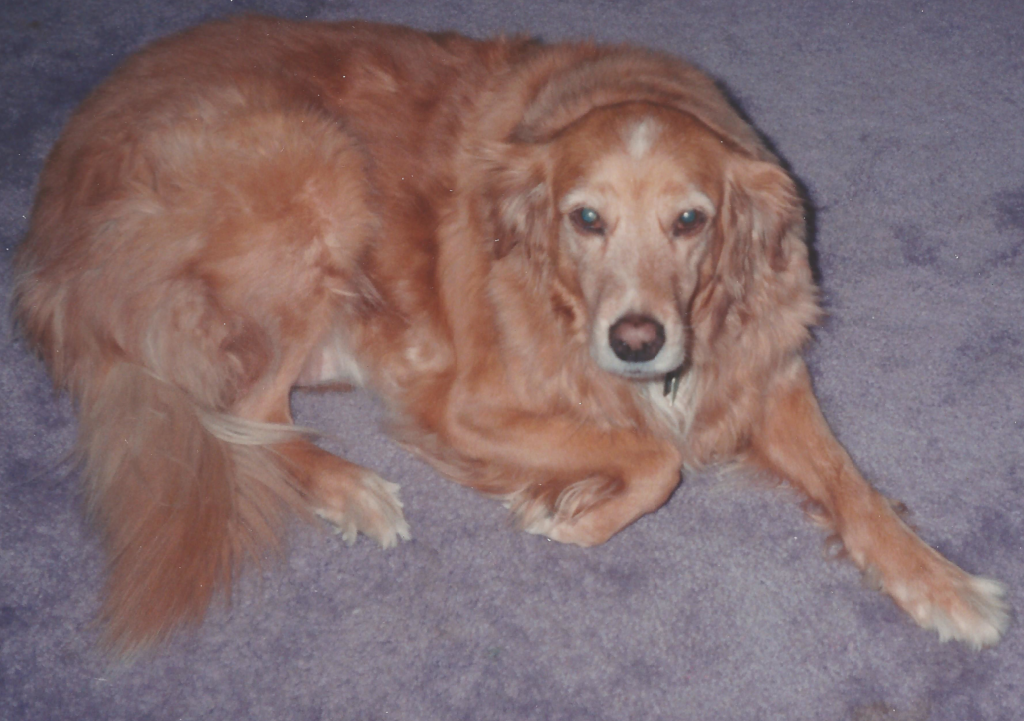 Losing hearing or vision does not mean losing communication. It simply means learning a new language together. For pets with hearing loss, hand signals can become incredibly effective. Many dogs, even senior ones, can learn simple visual cues for things like “come,” “sit,” or “food time.” Cats may respond more to routine and visual presence than structured signals, but they still pick up on patterns quickly.
For pets with vision loss, your voice becomes a powerful tool. Talking to them as you approach, using consistent tones, and even using the same phrases regularly can help them orient themselves. Your voice becomes their anchor.
One thing we learned over time is that consistency matters more than complexity. You do not need a wide vocabulary of cues. You just need a few reliable ones that your pet can trust.
Supporting Confidence and Mobility
A senior pet who begins losing vision or hearing may initially become more cautious or even withdrawn. This is not a loss of personality. It is a natural response to uncertainty. Your goal is to gently rebuild their confidence.
Encourage movement in safe, familiar spaces. Guide them with your voice or gentle touch. If they hesitate, give them time rather than rushing them. Confidence grows from repeated positive experiences, not pressure.
For dogs, leash walks can remain enjoyable with some adjustments. Using a slightly shorter leash and offering verbal reassurance helps them stay connected to you. For cats, maintaining access to their favorite perches, with added support like steps or ramps, can help them continue enjoying their environment without unnecessary risk.
I think of Bentley often when it comes to adapting routines. While his journey has been centered around diabetes management, it reinforced something important for us. Pets do not resist change when it is introduced with patience and consistency. They learn to trust the new rhythm when it is predictable and safe.
Reducing Anxiety and Startle Responses
One of the more emotional aspects of sensory loss is how easily pets can become startled. Imagine not hearing someone approach or not seeing a hand reaching toward you. That sudden contact can feel alarming.
There are simple ways to reduce this stress. Always try to approach from a direction your pet can perceive. If they cannot see well, speak softly before touching them. If they cannot hear, create a gentle vibration or enter their field of vision slowly.
Touch itself becomes a powerful reassurance tool. A familiar hand, a consistent petting routine, or even resting your hand near them before making contact can signal safety. Over time, your pet learns that even unexpected moments are not threatening, because they are associated with your calm and gentle presence.
Maintaining Routine and Daily Structure
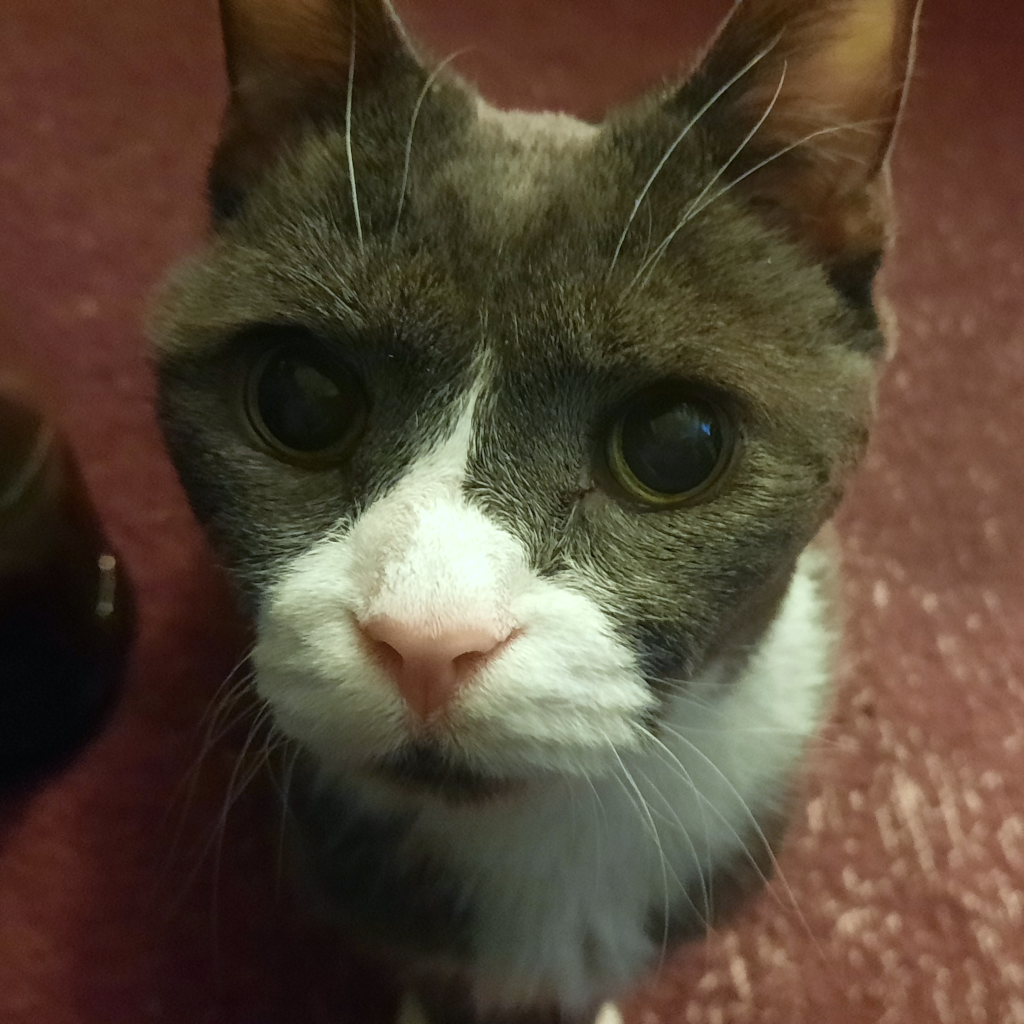 Routine is the backbone of comfort for senior pets, especially those experiencing sensory decline. Feeding times, medication schedules, walks, and rest periods should happen at consistent times each day. This predictability allows your pet to anticipate what comes next, reducing anxiety and confusion.
For those managing conditions like diabetes alongside aging, this consistency becomes even more critical. Stable routines help regulate not only emotional comfort but also physical health.
At BellenPaws, we have always emphasized the value of tracking and structure, especially for diabetic pets. Tools like glucose trackers or printable logs are not just about numbers. They create a rhythm of care that pets come to rely on. Even for pets without diabetes, adopting that same level of intentional routine can make a significant difference in how secure they feel.
Keeping Life Enriching and Joyful
It is easy to fall into the mindset that a pet with vision or hearing loss needs a quieter, more limited life. In reality, they still crave engagement, play, and connection.
You may need to adapt how you offer enrichment. Toys that make noise may no longer be effective for a hearing-impaired pet, but textured toys or those with strong scents can be very engaging. For visually impaired pets, toys that produce sound or have a distinct smell can help them locate and interact with them.
Interactive time does not have to be elaborate. Sitting together, gentle play, or even guided exploration of a safe area can provide mental stimulation and strengthen your bond. What matters most is not the activity itself, but the shared experience.
Caring for Yourself as a Pet Parent
Watching a beloved pet age and lose aspects of their senses can be emotional. There is a quiet grief that comes with recognizing these changes, even when your pet is still very much present and loving.
It is important to acknowledge those feelings without letting them overshadow the present. Your pet is not defined by what they have lost. They are defined by the life they are still living, and the connection they still share with you.
In many ways, this stage of life deepens that bond. It asks us to slow down, to be more intentional, and to meet our pets where they are rather than where they used to be.
A Different Kind of Normal
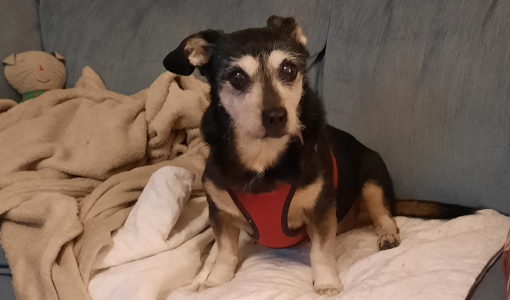 Supporting a senior pet with vision or hearing loss is not about restoring what was. It is about creating a new normal that feels safe, loving, and familiar. Over time, you will notice something remarkable. Your pet adapts. They find their way to their favorite spot. They respond to your voice or your presence in new ways. They continue to seek comfort, affection, and routine. And you adapt too.
What once felt uncertain becomes second nature. You learn to move a little differently around them, to communicate more intentionally, to notice the small cues that tell you they are comfortable. In the end, this journey is not about loss. It is about connection. It is about showing up for them in a way that honors who they are now, not who they used to be.
Because even in a quieter, dimmer world, the bond you share does not fade. In many ways, it becomes even stronger.