
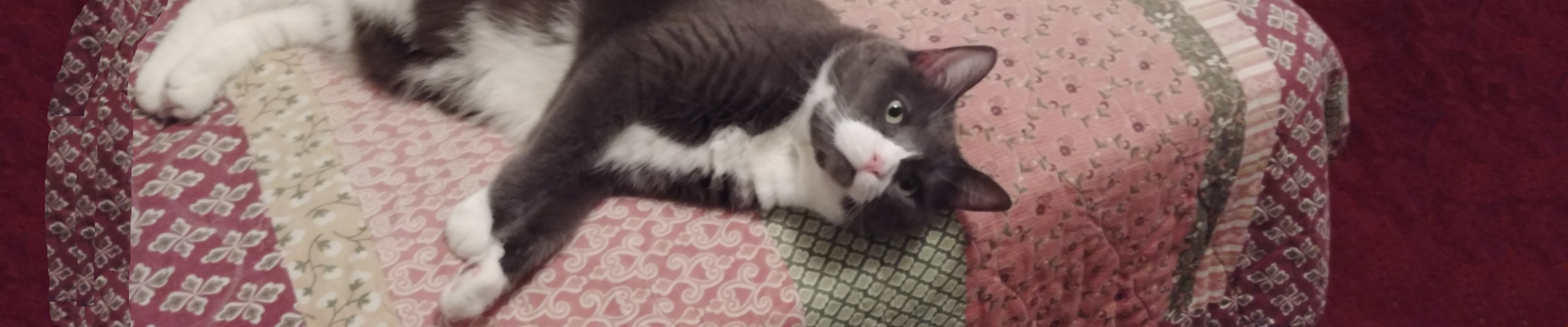
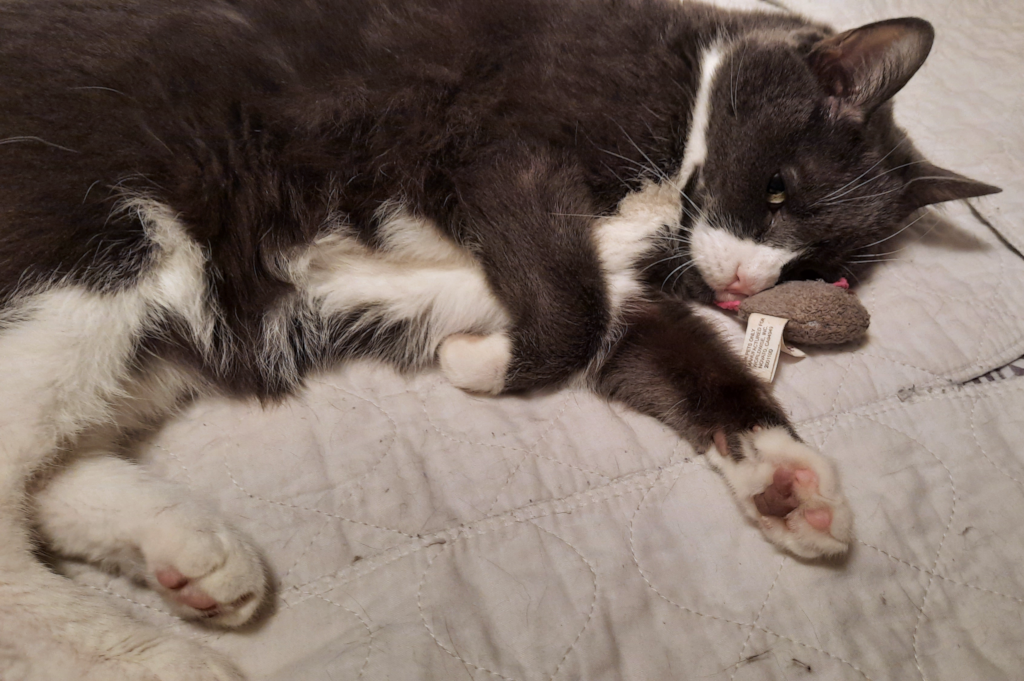
If you have ever lived with a cat long enough, you know that behavior is often their first language. Long before anything shows up on a lab report or becomes obvious in a physical exam, something shifts in how they move through their day. They hide more. They groom differently. They react to sounds or people in ways that feel just slightly off. And as pet parents, we feel it before we can explain it.
Behavioral therapy for cats sounds like something formal or clinical, but in real life, it is usually much simpler and more human than that. It is about understanding what your cat is trying to communicate and creating an environment where they feel safe enough to return to themselves. There is no miracle fix. There is no one product that solves everything. But there are patterns that work, and others that simply do not.
I learned this most clearly with Belle. She developed psychogenic alopecia without losing her fur, which made it easy to miss at first. What changed was her routine. She became more restless, more sensitive, and more easily overwhelmed. It was not one big event. It was a slow shift. And what helped her was not anything flashy or dramatic. It was consistency, patience, and a quiet rebuilding of her confidence.
Understanding What Behavior Really Means
Before we talk about what helps, it is important to reframe how we think about behavior. Cats are not acting out in the way we sometimes imagine. They are responding to stress, discomfort, confusion, or even subtle health changes that we cannot see yet.
A cat that is overgrooming is not being obsessive in a human sense. A cat that hides is not being antisocial. A cat that becomes reactive or vocal is not being difficult. These are coping mechanisms.
Behavioral therapy starts with that understanding. When we remove the idea that the cat is doing something wrong, we open the door to asking a better question. What is making them feel unsafe or unsettled?
Sometimes the answer is medical, especially in senior cats. Pain, thyroid changes, or blood sugar fluctuations can all show up as behavior changes. That is why we always keep one foot in the physical world while we work on the emotional one. Once you are confident that medical issues are being managed, the behavioral side becomes much clearer.
The Quiet Power of Routine
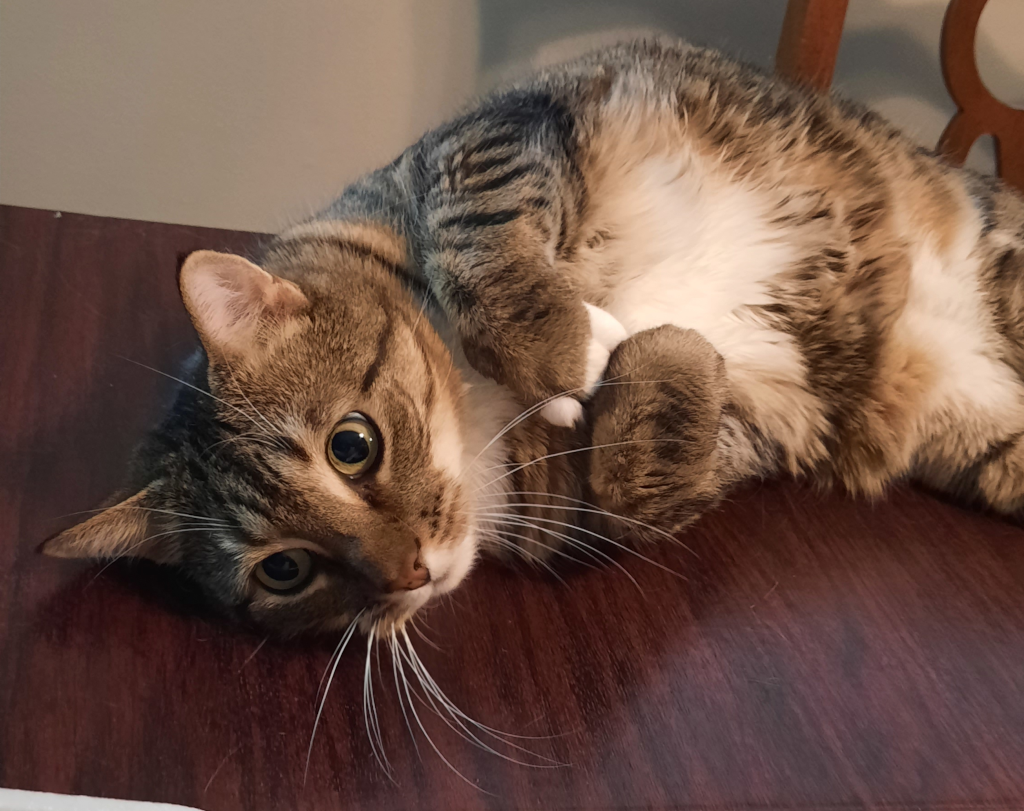 If there is one thing that consistently helps cats more than anything else, it is routine. Not perfection, not constant stimulation, just predictability.
Cats are creatures of pattern. They build their sense of safety from knowing what happens next. When meals arrive at the same time each day, when play happens in familiar windows of time, when the home environment feels stable, their nervous system relaxes. That relaxation is the foundation for all behavioral improvement.
This is especially important for senior cats and diabetic cats. With Bentley, who is on tight regulation for his diabetes, routine is not just helpful, it is essential. His feeding schedule, his insulin timing, even the rhythm of the household all contribute to how steady he feels. And when he feels steady physically, his behavior reflects that.
Behavioral therapy often begins with something that simple. Not a product. Not a technique. Just a consistent daily flow that the cat can rely on.
What does not help is constantly changing things in an attempt to fix behavior quickly. Moving furniture, adjusting feeding times randomly, introducing new stimuli without structure. These changes can actually increase stress, even when the intention is to help.
Pheromones: Helpful Tool, Not a Magic Solution
Pheromone diffusers and sprays are often one of the first things people try. They are marketed as calming solutions, and in some cases, they can help. But it is important to understand what they are and what they are not.
Synthetic pheromones are designed to mimic the calming signals cats naturally leave in their environment. When they work, they can take the edge off anxiety and make a space feel more familiar. This can be especially useful during transitions like moving, introducing a new pet, or after a stressful event.
However, they are not a cure for behavioral issues. If the underlying stressor is still present, pheromones alone will not resolve the behavior. They can support the process, but they cannot replace it.
In Belle’s case, pheromones seemed to soften her edges slightly, but the real progress came from changes in her environment and our interactions with her. Think of pheromones as background support, not the main strategy.
Gentle Play as Emotional Reset
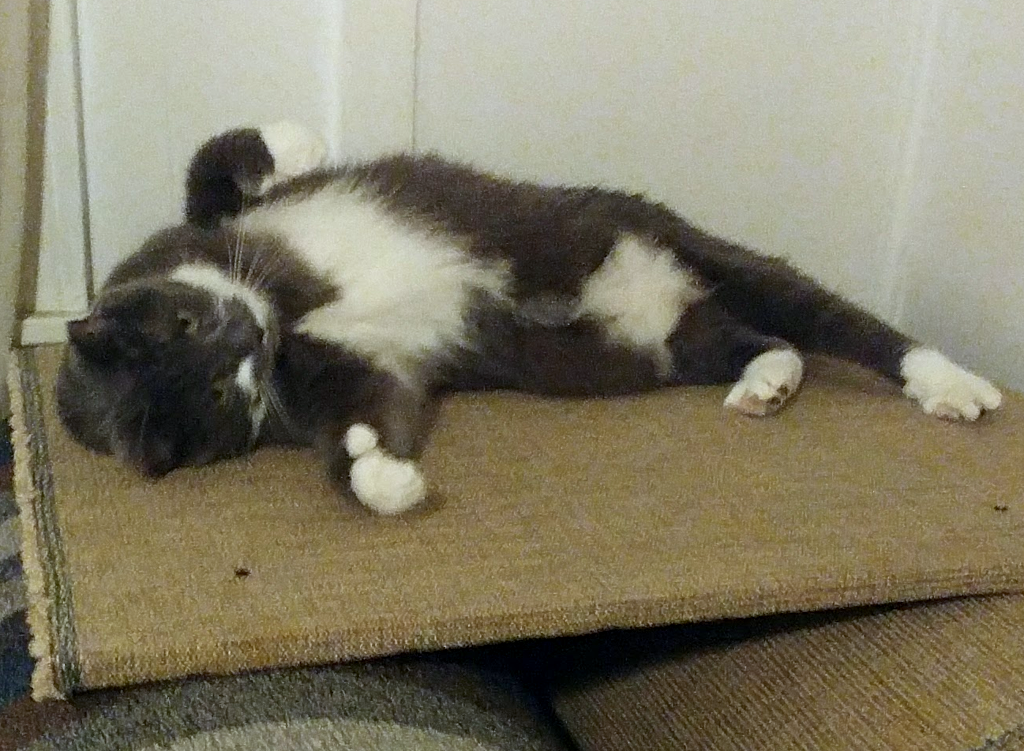 Play is one of the most underrated forms of behavioral therapy for cats. Not intense or overwhelming play, but gentle, predictable engagement that allows them to reconnect with their instincts.
When a cat plays, they shift into a different mental state. Hunting behaviors activate, confidence builds, and stress hormones decrease. Even a few minutes of focused play each day can make a noticeable difference over time.
The key is to match the play style to the cat. A senior cat may prefer slower movements and shorter sessions. A more anxious cat may need distance and control, such as watching a toy move from afar before engaging.
What does not help is forcing play or overstimulating a cat that is already overwhelmed. Fast movements, loud toys, or prolonged sessions can have the opposite effect. The goal is not to tire them out. It is to help them feel capable and in control.
Building Confidence, Not Just Reducing Stress
One of the most important shifts in behavioral therapy is moving from simply reducing stress to actively building confidence.
A confident cat is not just calm. They are curious, engaged, and willing to explore their environment. They recover more quickly from stress because they trust themselves and their surroundings.
Confidence-building can be subtle. It might look like creating safe vertical spaces where a cat can observe without feeling exposed. It might mean giving them choices, such as multiple resting spots or different pathways through a room. It might involve rewarding small moments of bravery with quiet praise or a favorite treat.
With Belle, we noticed that giving her more control over her environment made a difference. She had places where she could retreat without being disturbed, but also places where she could watch everything happening in the house. That balance helped her feel secure without becoming isolated.
What does not help is pushing a cat into situations they are not ready for. Forcing interaction, cornering them, or trying to “desensitize” them too quickly can damage trust. Confidence grows in small steps, not leaps.
The Role of Human Energy and Interaction
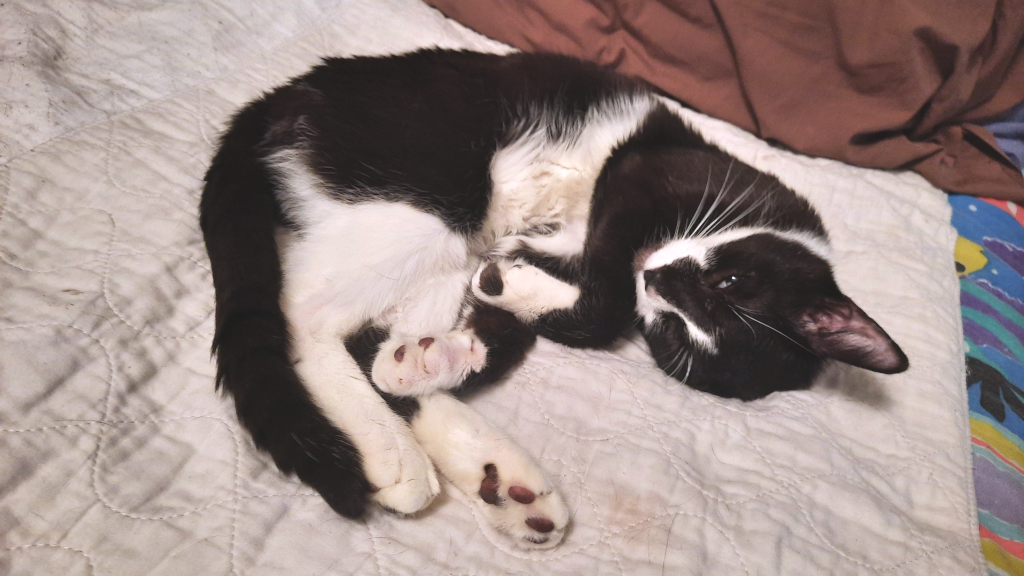 Cats are incredibly sensitive to the emotional tone of their environment. They pick up on tension, frustration, and inconsistency more than we often realize.
Behavioral therapy is not just about what we do. It is also about how we do it. Calm, predictable interactions create a sense of safety. Sudden reactions, raised voices, or inconsistent responses can reinforce anxiety.
This does not mean you have to be perfect. It means being aware. If a cat reacts to something, our response should be steady and reassuring, not reactive. Over time, this teaches them that their environment is stable, even when something unexpected happens.
One of the most helpful things you can do is simply be present in a calm way. Sitting near them, speaking softly, allowing them to approach on their terms. These moments may seem small, but they build trust in a way that no product can replicate.
What Often Doesn’t Work
It is just as important to talk about what tends to fall short, because many of these approaches are common and well-intentioned.
Quick fixes are rarely effective. Behavioral changes take time because they are rooted in emotional patterns. Products that promise immediate results often lead to disappointment because they do not address the underlying cause.
Punishment or correction can make things worse. Even something as simple as scolding can increase anxiety and confusion. Cats do not connect punishment with the behavior in the way we might expect. They connect it with the environment or the person.
Overloading the environment can also backfire. Too many new toys, constant changes, or excessive stimulation can overwhelm a cat that is already struggling. Simplicity and consistency are far more effective.
Ignoring subtle signs is another common issue. Behavior often shifts gradually. By the time it becomes obvious, the cat may have been coping with stress for a long time. Paying attention to those early changes can make a big difference.
Bringing It All Together
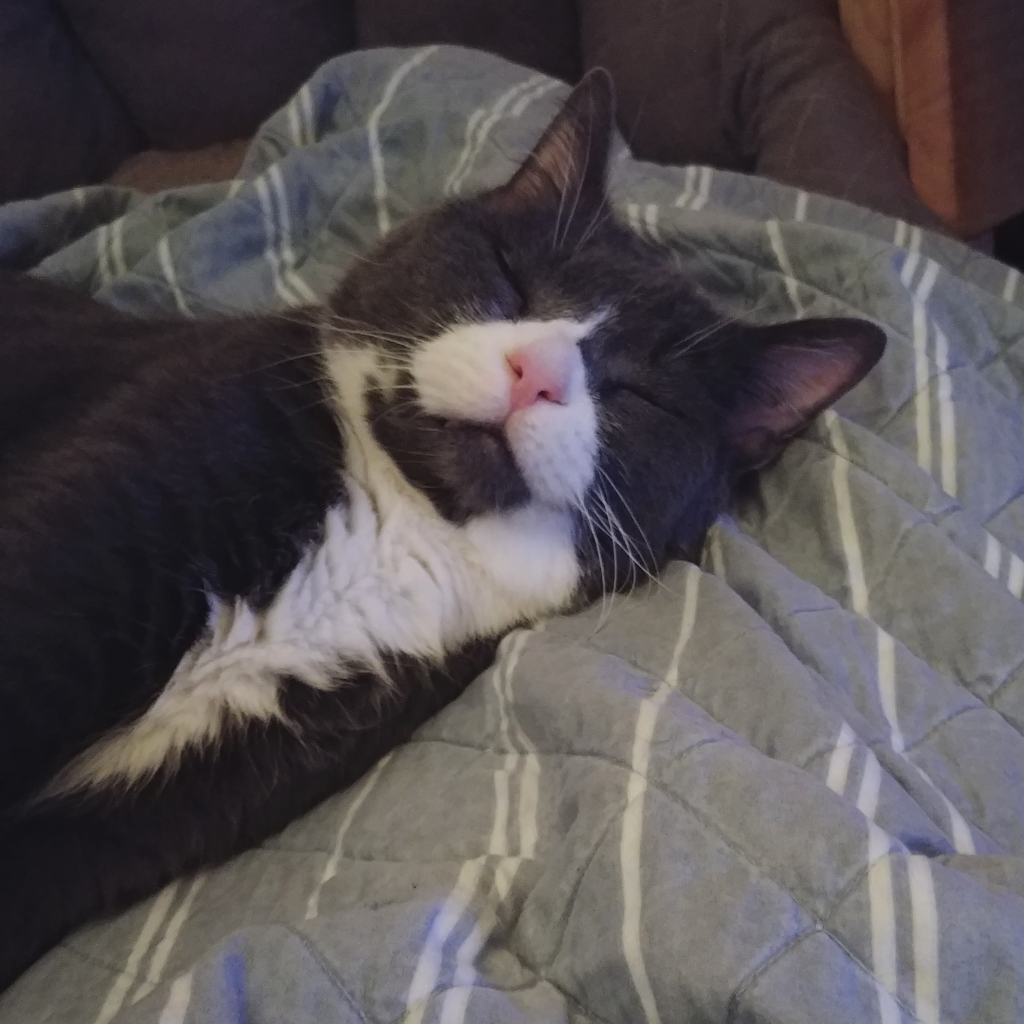 Behavioral therapy for cats is not about finding the perfect tool or technique. It is about creating a life that feels manageable and safe for them.
Routine gives them structure. Pheromones can offer gentle support. Play reconnects them with their instincts. Confidence-building helps them trust themselves. And our own calm presence reinforces everything else.
If you are navigating behavior changes, especially with a senior or diabetic cat, remember that progress is often slow and subtle. Small improvements matter. A cat that spends a little more time in the open, that engages in a bit more play, that seems just slightly more relaxed, these are meaningful steps.
And you are not alone in figuring it out. On BellenPaws, we have always believed in sharing the tools that help us along the way. Whether it is tracking patterns with our pet diabetes tracker or simply learning to observe our pets more closely, these small acts of attention add up.
Cats do not need perfection from us. They need patience, consistency, and a willingness to meet them where they are. When we give them that, we often find that the behaviors we were worried about begin to soften on their own, not because we forced change, but because we created space for it to happen.