



There is a quiet kind of love that doesn’t always get talked about. It isn’t the playful, energetic love of a new puppy or the curious chaos of a young kitten. It is softer, deeper, and often a little heavier. It is the love that comes when you welcome a pet into your home knowing their time may be short.
This is the heart of what many people now call “fospice,” or more broadly, the sospice concept. It blends shelter care with hospice-style support, offering animals a peaceful, loving home in their final chapter. It is not about saving a life in the traditional sense. It is about honoring it.
For many of us who have walked alongside aging or medically fragile pets, this idea feels familiar. It is the same instinct that kept us up late monitoring breathing, adjusting food, or simply sitting close because they needed us. It is love that shows up, even when we know how the story ends.
What “Fospice” Really Means in Everyday Life
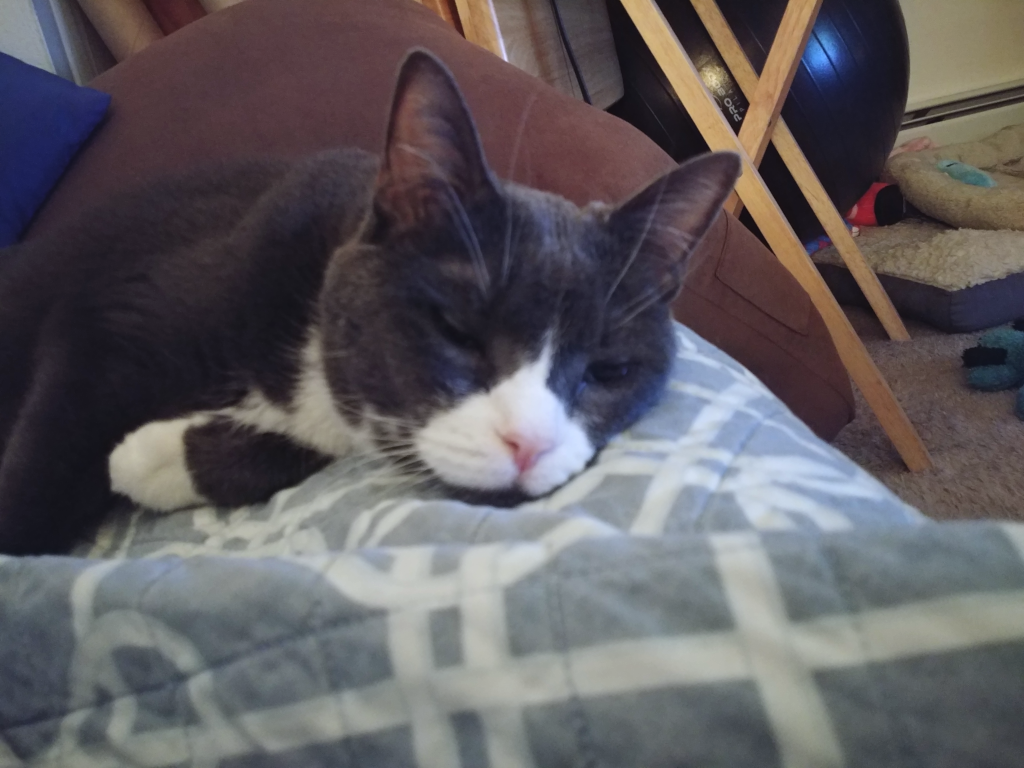 When people first hear about fostering end-of-life pets, they often imagine something overwhelming or clinical. In reality, it is much more human than that.
Fospice is about giving a pet a home when a shelter environment is no longer the right place for them. These are often senior animals, or pets with chronic illnesses, or those who simply need a quieter, more attentive space. Instead of spending their final days in a kennel, they get a couch, a routine, and someone who learns their little habits.
You become their person, even if only for a short time.
That might look like helping a senior dog up the stairs, or learning how a cat prefers their food warmed just slightly. It might mean giving medication, or just offering companionship. Some days are simple. Others require patience and emotional strength. But all of them matter.
When we cared for Bubbles during her struggle with bladder cancer, there were moments where the goal shifted. It was no longer about fixing everything. It was about comfort, dignity, and making sure she never felt alone. That same mindset is what fospice brings into a foster setting.
Why These Pets Need Us So Deeply
Shelters do incredible work, but they are not designed for end-of-life care. The environment can be stressful, and older or sick animals often struggle the most. They may not eat well. They may withdraw. They may simply need a level of attention that is hard to provide in a busy facility.
This is where fospice caregivers step in. You are not just offering a home. You are offering stability. You are creating a space where a pet can relax, where their body can settle, and where their final memories are not filled with noise and uncertainty.
There is something profoundly meaningful about that. And for the pet, it is everything.
The Emotional Side That People Don’t Always Talk About
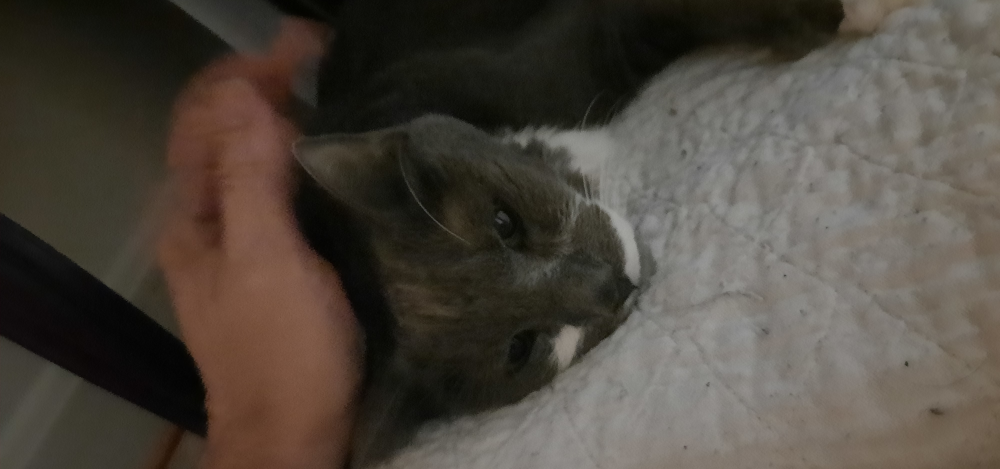 Let’s be honest about something. This kind of care is not easy. You are forming a bond with a pet while knowing that goodbye is part of the journey. That can feel intimidating, especially if you have experienced loss before. There is a natural instinct to protect your heart.
But here is what many of us come to realize. The love you give is not diminished by the length of time you have together. In some ways, it becomes even more focused, more intentional.
When we were managing Bentley’s diabetes, every routine mattered. Every meal, every reading, every quiet moment on the couch felt significant. That awareness of time does something to you. It sharpens your connection. It reminds you to be present.
Fospice care carries that same awareness. Yes, there will be grief. But there will also be moments of incredible closeness. A gentle purr. A tail wag that feels like a thank you. A quiet sense that you made their world feel safe again.
What Day-to-Day Care Can Look Like
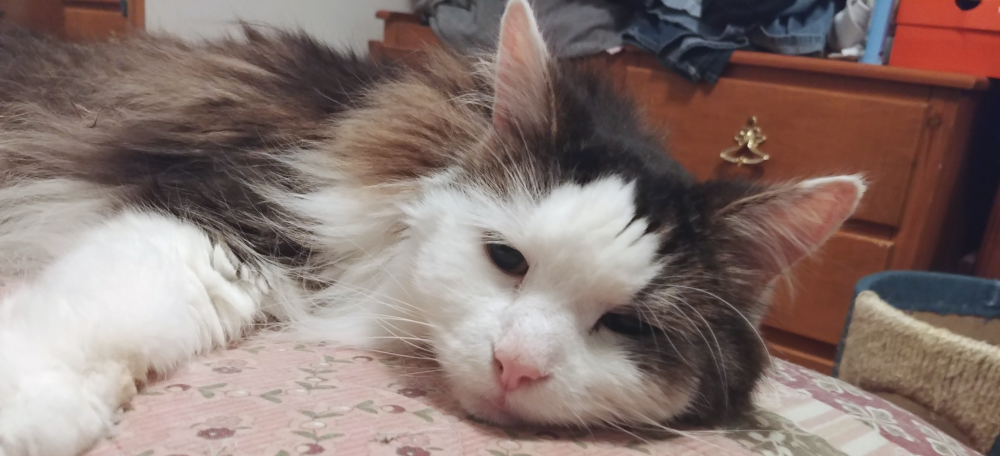 Each fospice experience is different, because each pet is different. Some may need medications or special diets. Others may simply need a calm place to rest. The rhythm often becomes about observation and adjustment. You learn what brings comfort. You notice small changes. You adapt.
Sometimes that means soft bedding and easy access to food and water. Sometimes it means helping them move around or keeping a close eye on hydration. For diabetic pets, routines can become especially important. Consistent feeding times, monitoring behavior, and tracking patterns all play a role in maintaining comfort.
This is where simple tools can make a big difference. Keeping notes or using something like a pet diabetes tracker or printable charts can help you stay organized and communicate clearly if you are working with a vet or a rescue group. It does not have to be complicated. It just needs to support you and your pet.
What matters most is that you are paying attention. That you are present. That you are responding to their needs as they change.
The Support Systems That Make It Possible
You are not meant to do this alone. Most fospice situations involve working with a rescue or shelter that helps cover medical costs and provides guidance. They may assist with supplies, medications, or decision-making. This partnership is important, because it allows you to focus on the emotional and day-to-day care.
It is also helpful to lean on your own support system. Friends, family, and even online communities can provide encouragement and understanding. Talking about what you are experiencing can make a big difference, especially during harder moments.
And there will be harder moments. There may be days when you question whether you are doing enough. Days when you feel the weight of responsibility. But there will also be days when everything feels right. When your pet is comfortable, and you can see that they trust you.
Those are the days that stay with you.
Understanding When It Is Time
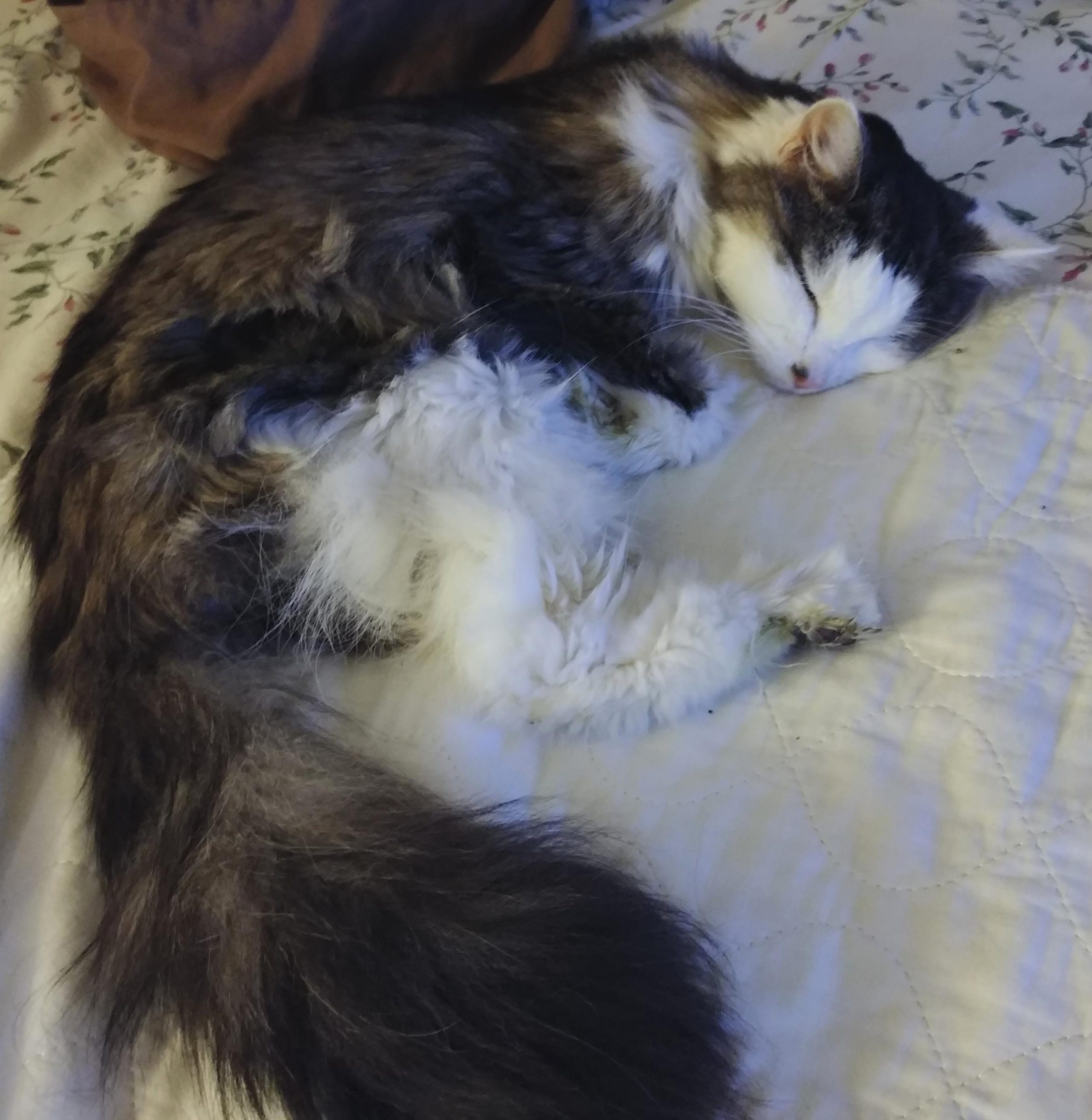 One of the most difficult parts of fospice care is recognizing when a pet’s quality of life is declining. This is not about making perfect decisions. It is about making compassionate ones.
Over time, you learn to look for patterns. Changes in appetite, mobility, comfort, and engagement can all provide clues. Some people find it helpful to think in terms of good days and difficult days, and how those are shifting over time.
The goal is always to minimize suffering and maximize comfort. Having honest conversations with your support team can help. So can keeping simple records of behavior and symptoms. These do not replace your intuition, but they can support it.
And your intuition matters. You know your pet. You feel their changes. That connection is one of the most important tools you have.
The Legacy of Love You Leave Behind
It is easy to focus on the ending, but there is so much more to the story. When you take in a fospice pet, you are changing their experience in a fundamental way. You are giving them something they may not have had before. A home. A routine. A sense of belonging.
That matters more than we sometimes realize. Even if your time together is short, the impact is lasting. For the pet, it means comfort and dignity. For you, it often brings a deeper understanding of what it means to care for another living being.
There is a quiet pride that comes with it. Not the kind that seeks recognition, but the kind that sits gently in your chest. The knowledge that you showed up when it mattered.
Is Fospice Right for You?
This is a personal decision, and there is no single right answer. Fospice care asks for emotional openness, patience, and a willingness to face loss. But it also offers something incredibly meaningful in return.
If you are someone who has cared for senior pets before, or who feels drawn to helping animals in a deeper way, it may be something worth considering. You do not have to have all the answers. You just have to be willing to learn, to adapt, and to love.
Start small if you need to. Talk to local rescues. Ask questions. Understand what support they provide. There is no pressure to commit until you feel ready. And if you decide it is not the right fit, that is okay too. There are many ways to help animals in need.
A Different Kind of Rescue
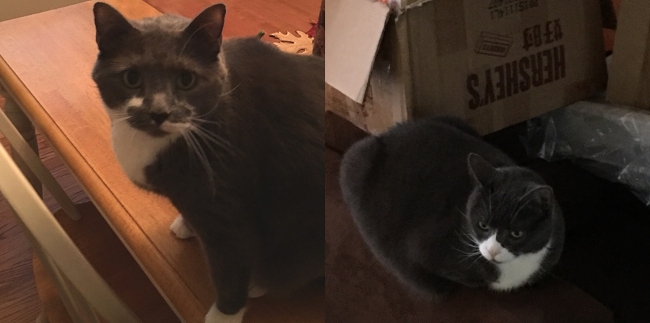 We often think of rescue as saving a life, pulling an animal from danger and giving them years of happiness. Fospice shifts that perspective. It is not about how long the life continues. It is about how that life feels in its final chapter.
It is about comfort instead of chaos. Presence instead of isolation. Love instead of uncertainty. That is a powerful kind of rescue. And for those who choose this path, it becomes something unforgettable. Not because it is easy, but because it is meaningful in a way that stays with you long after the journey ends.
If you have ever sat beside a pet in their final moments, you already understand the heart of this. Fospice simply extends that compassion to those who might not otherwise have it. And sometimes, that is the most important gift we can give.