
If you’ve ever lived with a cat long enough, you start to realize something subtle but powerful. They rarely complain. They rarely show weakness. And more often than not, they suffer quietly until something becomes too big to ignore. That’s why, in our home, we learned to pay attention to the small things. The routines. The habits. The places they go when no one is watching. And nothing speaks louder than the litter box.
It might not be the most pleasant topic, but it is one of the most important. Over the years, caring for cats like Belle, who faced kidney disease later in life, taught us that what happens in that box is not just about cleanliness. It is about comfort, instinct, and long term health. When something is off, even slightly, our cats feel it long before we do.
Many of the issues that lead to urinary problems or kidney strain do not come from dramatic mistakes. They come from small, everyday habits that seem harmless. The kind of things most of us were never taught to question.
Cleanliness Is More Than a Chore
 Most of us fall into a routine. We scoop once a day, maybe in the morning before work or in the evening before bed, and we feel like we’ve done our part. It feels responsible. It feels consistent.
But from a cat’s perspective, that timing can leave long stretches where the box becomes uncomfortable. Urine does not just sit there harmlessly. Within a few hours, it begins to break down and release ammonia. By the time your cat returns later in the day, the environment can feel harsh and overwhelming to their sensitive nose.
Cats are naturally clean animals. When the box does not meet their standards, they do not simply shrug it off. Some will rush through their visit. Others will start holding their urine longer than they should. And that is where problems begin. Holding urine can lead to crystal formation, infections, and unnecessary strain on the kidneys.
We learned this the hard way years ago, and once we adjusted to scooping more frequently, the difference in behavior was immediate. It is one of those simple changes that does not cost anything but can quietly protect your cat’s health over time.
What Smells Fine to Us Can Be Overwhelming to Them
There is a common instinct to make things smell better for ourselves. Scented litter seems like a helpful solution. Lavender, fresh linen, clean breeze. It sounds comforting.
But cats experience scent very differently. What feels mild to us can be intense to them. Instead of masking odors, scented litter can create an environment that feels unnatural and even stressful. Some cats tolerate it, but others will avoid the box or hesitate before using it.
Over time, that hesitation can turn into holding behavior, which brings us right back to urinary issues.
We eventually transitioned to unscented, low dust litter in our home. It was not as pleasant for us at first, but it created a calmer, more natural environment for the cats. And in the long run, that matters far more.
The Importance of Letting Cats Be Cats
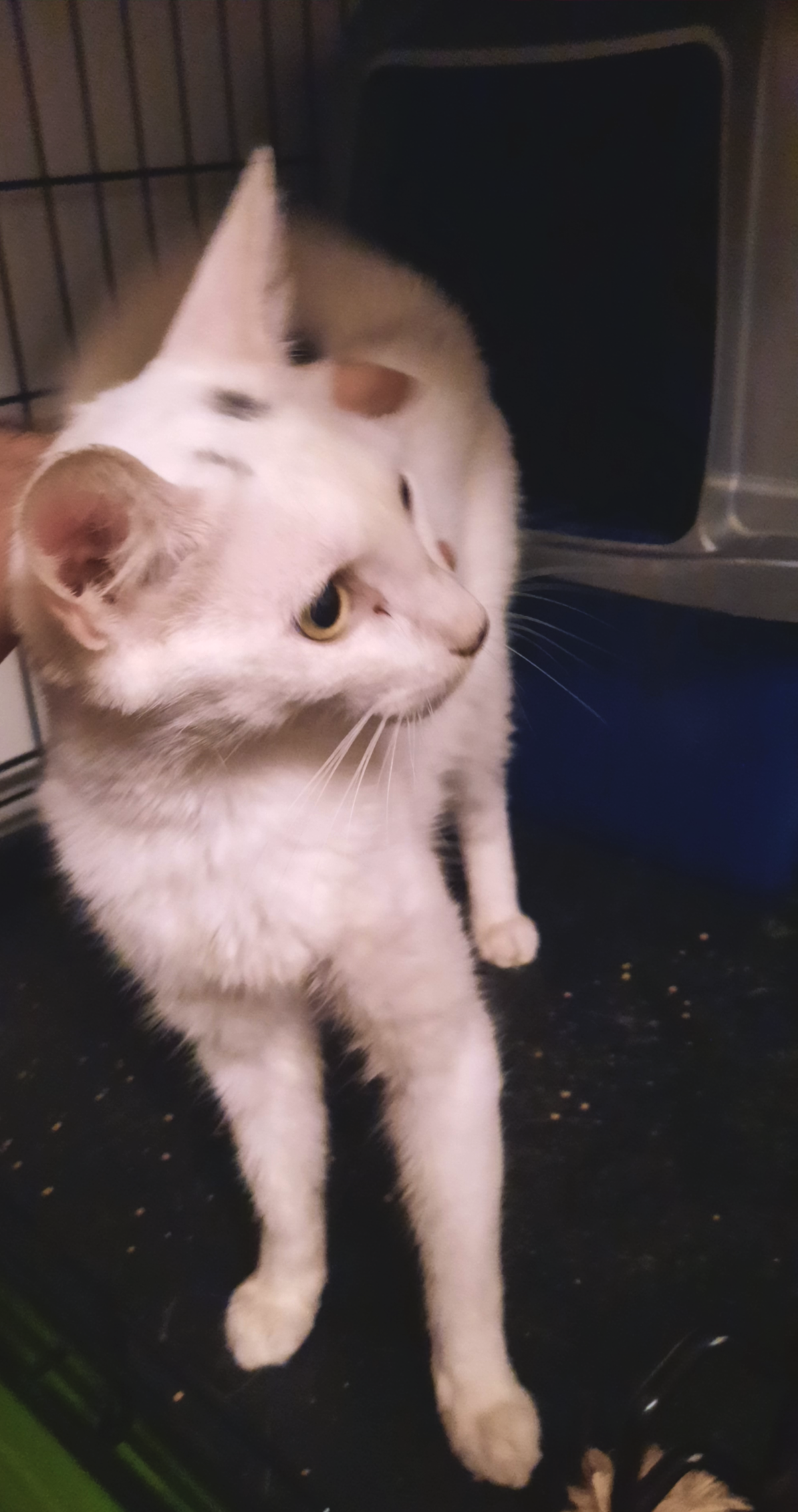 One of the most overlooked aspects of litter box setup is depth. It is easy to underestimate how much litter is actually needed. Many people pour a thin layer, just enough to cover the bottom, and refresh it occasionally.
But cats are wired to dig and bury. It is not just a preference. It is instinct that goes back generations. When they cannot dig properly, it creates subtle stress. They may rush, skip burying, or avoid the box altogether.
Giving them enough depth allows them to complete their natural routine. It helps them feel safe and satisfied, and it encourages complete elimination. That last part is important because incomplete emptying of the bladder can lead to bacteria buildup and long term complications.
Sometimes the simplest way to support our pets is to let them follow their instincts without restriction.
When Convenience for Us Creates Discomfort for Them
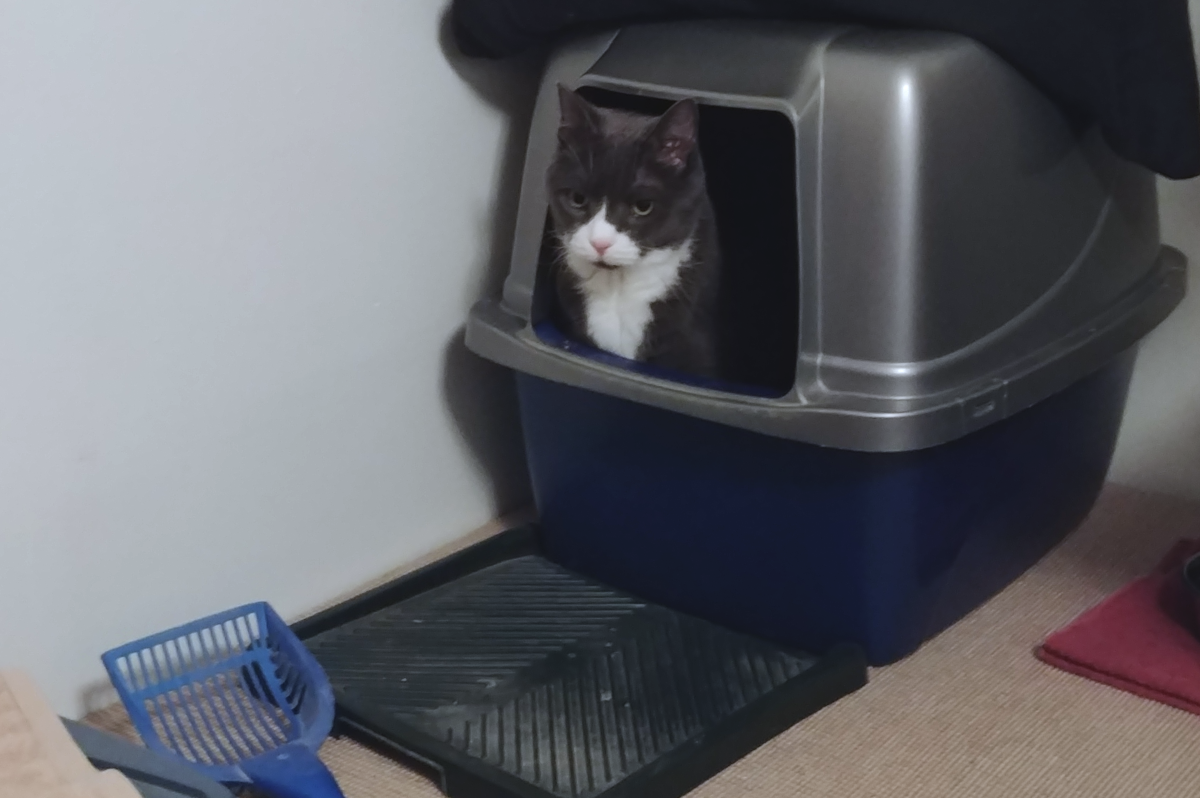
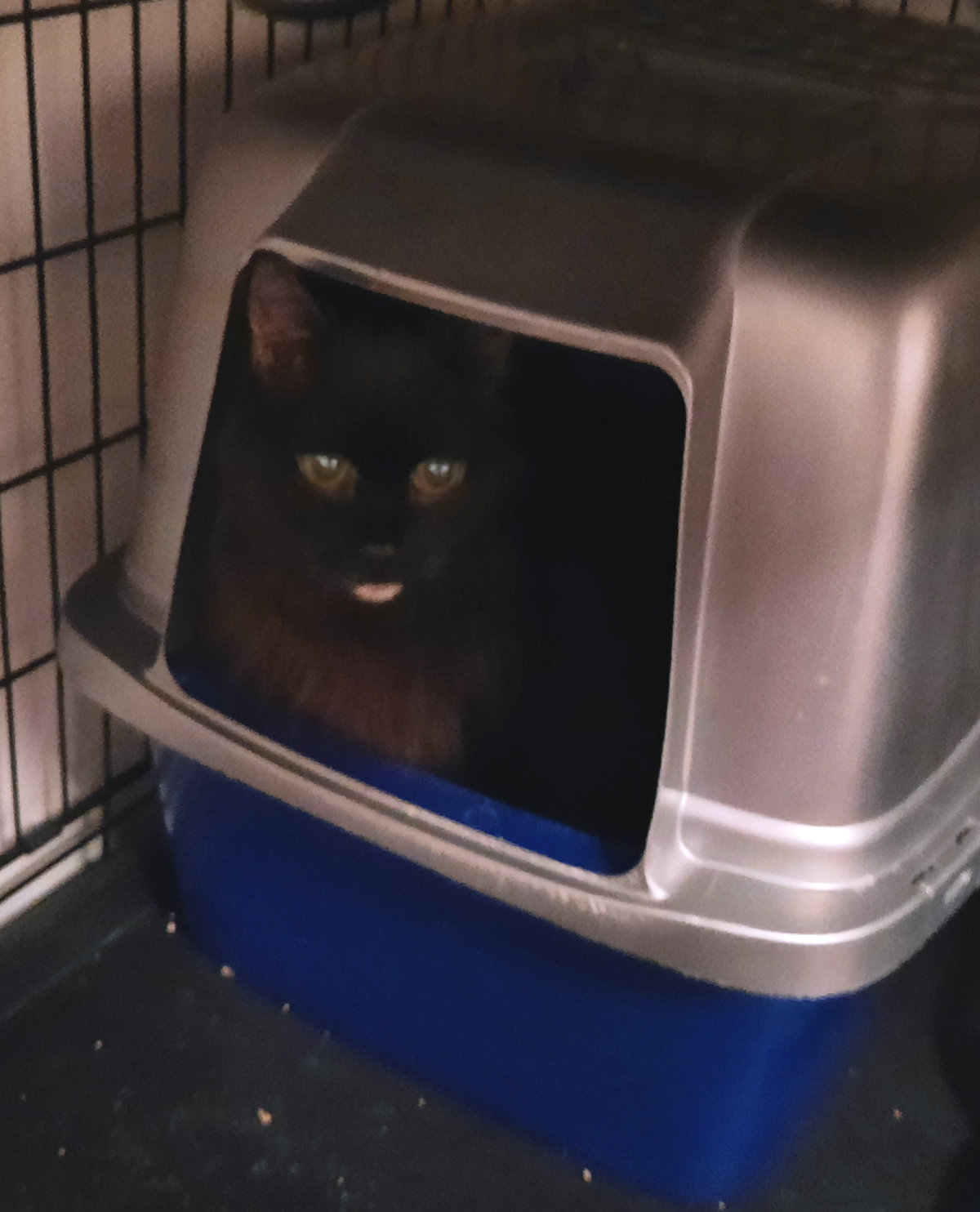
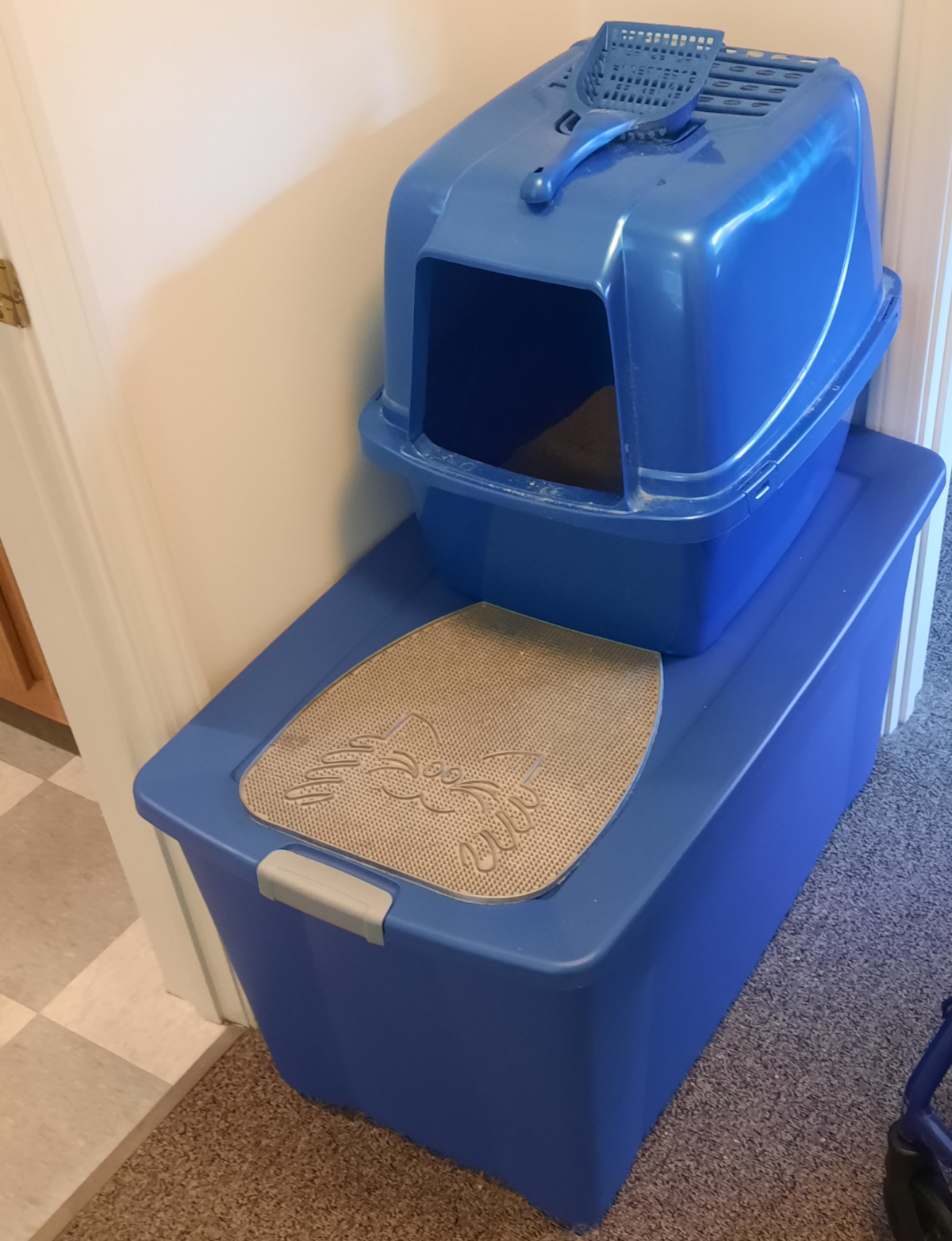
Covered litter boxes are a great example of something designed for human convenience. They look cleaner. They hide the mess. They keep things contained. But inside that enclosed space, airflow is limited. Odors build up faster. Ammonia becomes more concentrated. Every visit becomes less comfortable than it should be.
There is also a psychological side to it. Cats are vulnerable when they use the bathroom. They prefer to see their surroundings. They want to know they are safe. A covered box takes that awareness away.
Some cats adjust, but many carry a low level of stress every time they use it. Over time, that stress can affect their habits in ways we do not immediately notice. We moved away from covered boxes years ago, and while it required a bit more effort to keep things tidy, it created a more open and comfortable environment for the cats.
Aging Changes Everything, Even the Litter Box
 One of the hardest lessons as a pet parent is realizing how quietly aging happens. Cats do not announce their discomfort. They adapt. They hide it. By the time we notice stiffness or hesitation, they may have been dealing with joint pain for quite a while.
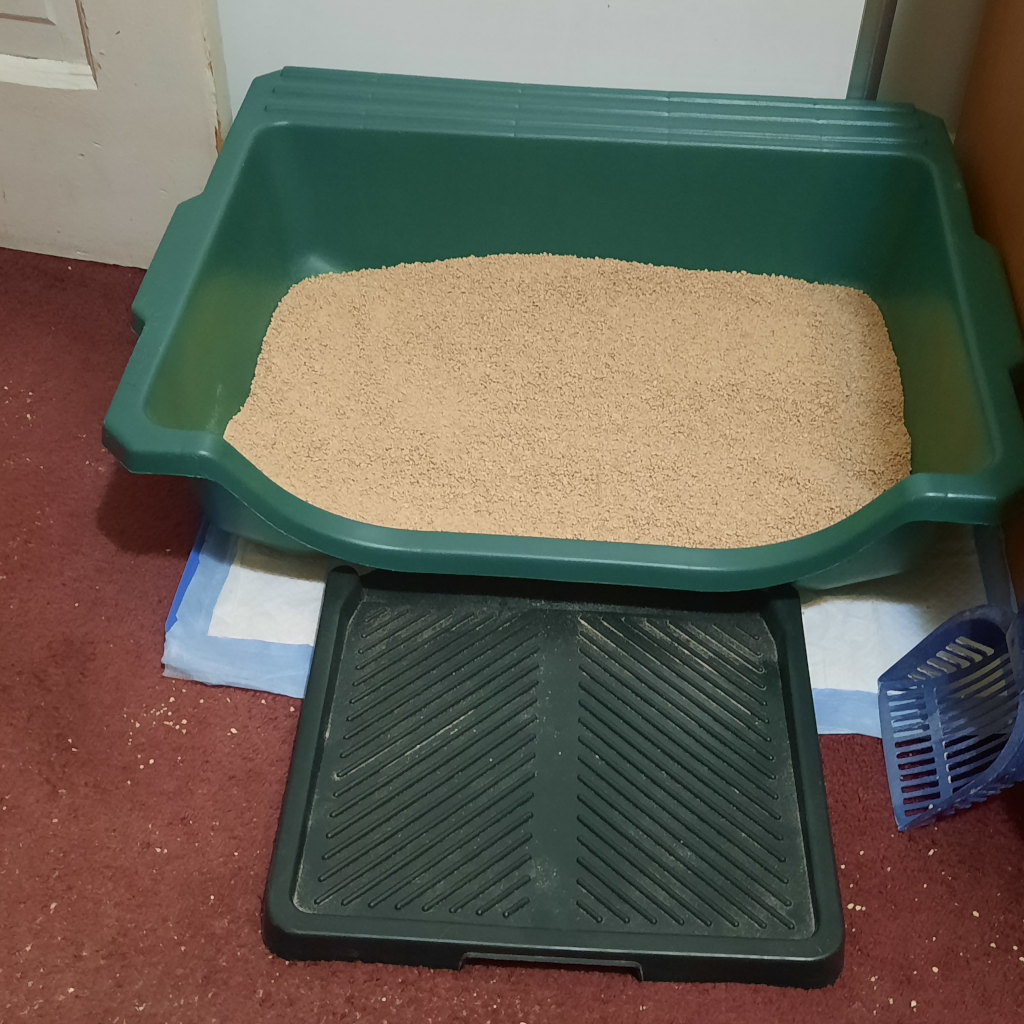
High sided litter boxes can become a real obstacle for senior cats. What once felt like a simple step turns into something painful. Some cats will still push through the discomfort. Others will avoid the box or delay using it.
We saw this shift with Belle as she got older. Small adjustments, like lowering the entry height, made a noticeable difference in her willingness to use the box comfortably. It is a reminder that as our pets age, we need to adapt their environment to meet them where they are.
Space, Safety, and Access Matter More Than We Think
In multi cat homes, the number and placement of litter boxes can quietly influence behavior. Cats are territorial in subtle ways. A more dominant cat may guard access without us even realizing it. When there are not enough boxes, or when they are all in one location, it can create tension. Some cats will wait. Some will avoid. And some will find alternatives that leave us confused and frustrated.
Providing multiple boxes in different areas of the home gives each cat options. It reduces stress and ensures that there is always a clean, accessible place when they need it. Location matters just as much as quantity. A box placed near loud appliances or in a high traffic area can make a cat feel exposed. That feeling of vulnerability can lead to rushed behavior or avoidance.
Quiet, low traffic areas tend to work best. Spaces where your cat can relax, look around, and feel secure.
The Hidden Risks in How We Clean
 Cleaning feels like the responsible thing to do, and it is. But the products we use can have unintended consequences. Strong chemical cleaners, especially those with bleach or heavy fragrances, can leave behind residues. Cats walk through those surfaces, and then they groom themselves. Over time, even small amounts of residue can add up.
We made the switch to simple cleaning methods. Hot water and mild, unscented soap. It may not feel as powerful, but it is much safer in the long run.
Regular deep cleaning of the box itself is just as important. Scooping removes visible waste, but bacteria can settle into small scratches in the plastic. Every couple of weeks, a full clean helps reset the environment and keeps things healthier.
Keeping Food and Water Separate
Cats have strong instincts when it comes to hygiene. In the wild, they would never eat near where they eliminate. That instinct still exists, even in our homes. When food and water are placed too close to the litter box, some cats will instinctively reduce their intake. It is subtle, and easy to miss, but it can have real consequences.
Hydration plays a major role in urinary health. Cats already tend to drink less than they should. Anything that discourages drinking increases the risk of concentrated urine, crystals, and kidney strain. Separating feeding areas from litter areas helps reinforce natural behavior and encourages better hydration.
Small Changes That Add Up to a Longer, Healthier Life
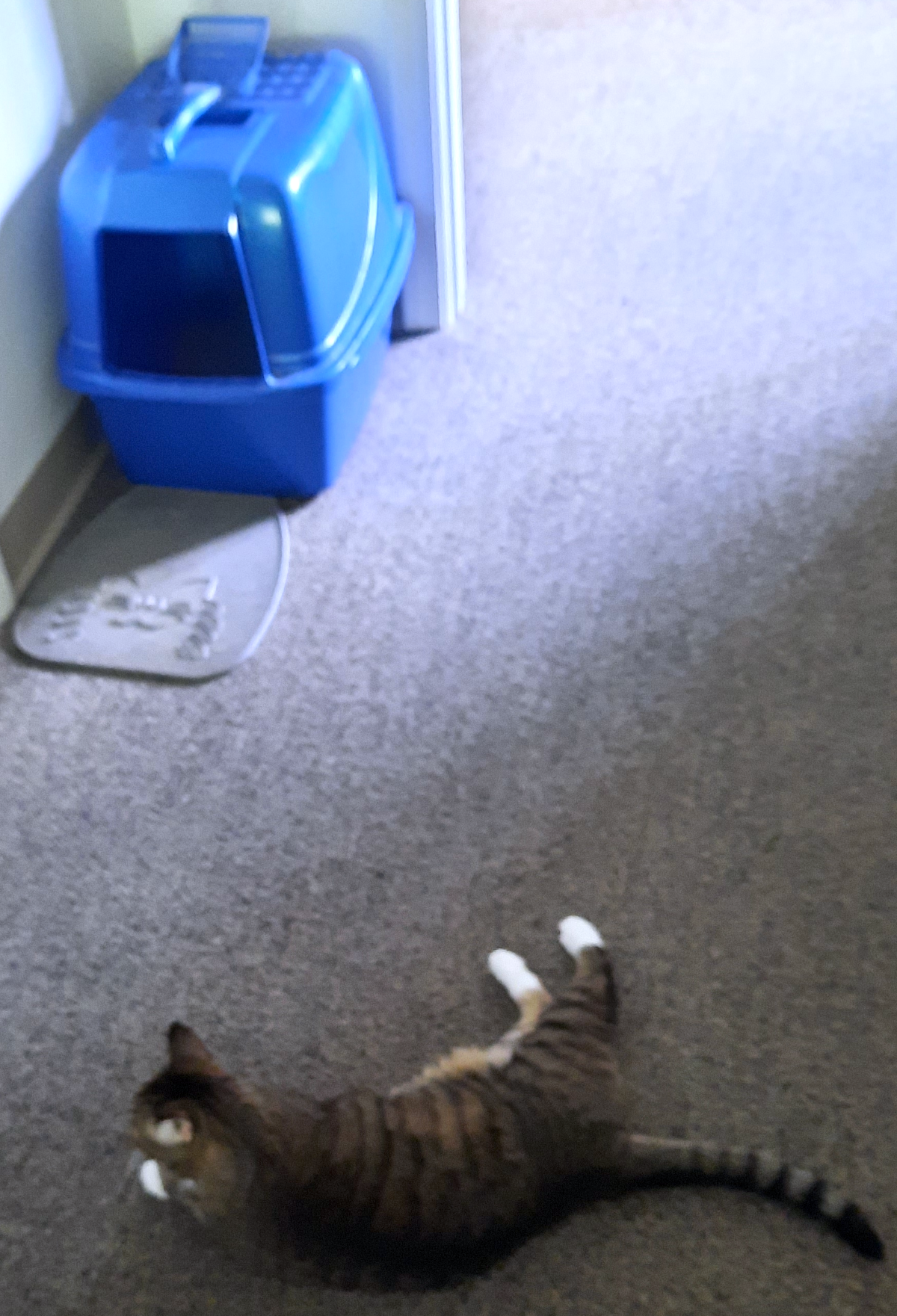 What stands out most after years of caring for cats is how often the biggest improvements come from the smallest adjustments. There is no single fix. No one perfect solution. It is a combination of habits. A little more attention to cleanliness. A little more awareness of comfort. A willingness to see the world from your cat’s perspective. These changes do not require expensive tools or complicated routines. They come from understanding how our cats think and what they need to feel safe.
If you are already navigating something like diabetes or kidney concerns, these details matter even more. Consistency, observation, and environment all play a role in supporting long term health. On our site, we have found that tools like our pet diabetes tracker and printable glucose charts help bring clarity to patterns that might otherwise go unnoticed. When you combine that kind of tracking with thoughtful daily care, it creates a powerful foundation for managing chronic conditions.
Listening to What They Cannot Say
One of the most important lessons we can share is this. Your cat is always communicating. Not with words, but with behavior. Changes in litter box habits are not random. They are messages. Sometimes they are early warnings. Other times they are signs that something deeper is going on. If you notice straining, frequent trips with little result, or anything unusual, it is always worth paying attention. Trust your instincts. You know your pet better than anyone.
At the end of the day, the litter box is more than a routine chore. It is a window into your cat’s health and well being. When we take the time to get it right, we are not just keeping things clean. We are giving our cats comfort, dignity, and the chance to live longer, healthier lives by our side.