

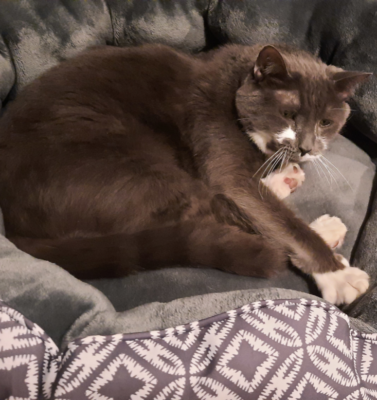
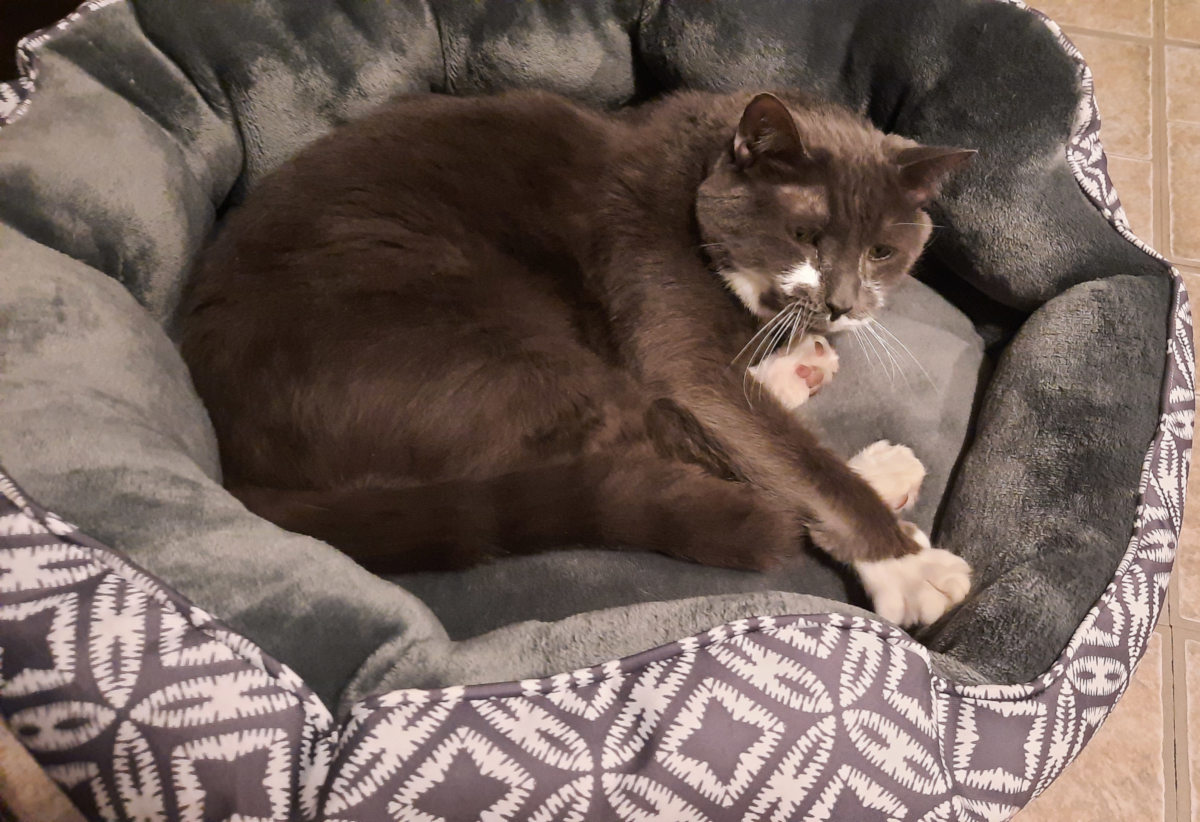
When our pets get older, we start noticing the little things first. A dog may hesitate before climbing the steps. A cat may stop jumping onto the windowsill that used to be their favorite afternoon spot. The walks get shorter, the naps get longer, and we begin looking for ways to make their days softer, calmer, and more comfortable.
That search often leads many pet parents to CBD oil. It is talked about in senior pet groups, shown on pet store shelves, and recommended by other owners who swear it helped their dog relax or helped their old cat move a little easier. I understand why people are curious. When you love a senior pet, you want options. You want comfort. You want hope.
But CBD oil is also one of those topics where we need to slow down, breathe, and approach it carefully. I am writing this from the perspective of a long-time pet parent, not a veterinarian. At BellenPaws, we believe in practical support, careful observation, and working with your vet, especially when a pet is older, diabetic, on medication, or already dealing with kidney, liver, heart, thyroid, or blood pressure issues.
What CBD Oil Is, and What It Is Not
CBD stands for cannabidiol, which is a compound found in hemp and cannabis plants. It is not the same thing as THC, the compound most commonly associated with marijuana’s intoxicating effects. Pet CBD products are usually marketed as hemp-derived and should contain very little THC, but that “should” matters a lot. Product quality can vary, and pets are much smaller and more sensitive than people.
 CBD is not a cure-all. It is not a replacement for insulin, seizure medication, arthritis medication, heart medication, thyroid treatment, kidney care, pain management, or a proper veterinary diagnosis. That may sound obvious, but it is important because many CBD products online are promoted with big promises. The FDA has warned companies about marketing CBD products for animals with disease-treatment claims, and the agency has stated that CBD has not been approved for use in animal food and that safety data for animals is still lacking.
That does not mean every conversation about CBD is nonsense. It means we should separate curiosity from hype. Some early research in dogs has been encouraging, particularly around osteoarthritis discomfort and seizure frequency, but the research is still developing. A Cornell-linked study published in Frontiers in Veterinary Science suggested CBD may help increase comfort and activity in dogs with osteoarthritis, but it was a small study and not a blanket guarantee for every pet.
The biggest thing I would tell any pet parent is this: CBD should be treated like something active in the body, not like a harmless treat. If it has the potential to help, it also has the potential to interact, cause side effects, or complicate an existing condition.
Why Senior Pets Need Extra Caution
Senior pets are rarely dealing with just one thing. That is what makes aging care so delicate. One cat may have arthritis and kidney disease. Another may have thyroid disease and high blood pressure. A dog may have stiff hips, a heart murmur, and a sensitive stomach. Once a pet reaches those later years, every new supplement deserves a second look.
I think about our old cats Belle and Paws often when topics like this come up. Both were senior cats with health challenges, and caring for them taught us how quickly “just one more thing” can become complicated. A supplement that seems simple on the shelf may not be simple inside the body of an older pet with multiple conditions.
CBD is processed through the body, and one concern that appears in several discussions and studies is the possibility of liver enzyme changes. In a canine epilepsy study summarized by the AKC Canine Health Foundation, dogs taking CBD had fewer seizure days than when taking placebo, but liver enzyme changes were noted and further safety research was recommended. That matters even more for senior pets because many are already taking medications that also rely on the liver for processing.
This is why I would not start CBD without calling the vet first. Not because pet parents are helpless, but because senior care is a puzzle. Your vet can look at the full picture: current medications, recent bloodwork, kidney values, liver values, appetite, weight, mobility, and the actual reason you are considering CBD in the first place.
The Conditions Pet Parents Usually Ask About
Most pet parents do not ask about CBD in a casual way. They ask because something is hurting their heart to watch. Maybe their dog trembles during thunderstorms. Maybe their cat seems uncomfortable getting in and out of the litter box. Maybe their senior pet paces at night, struggles with restlessness, or seems less steady than they used to be.
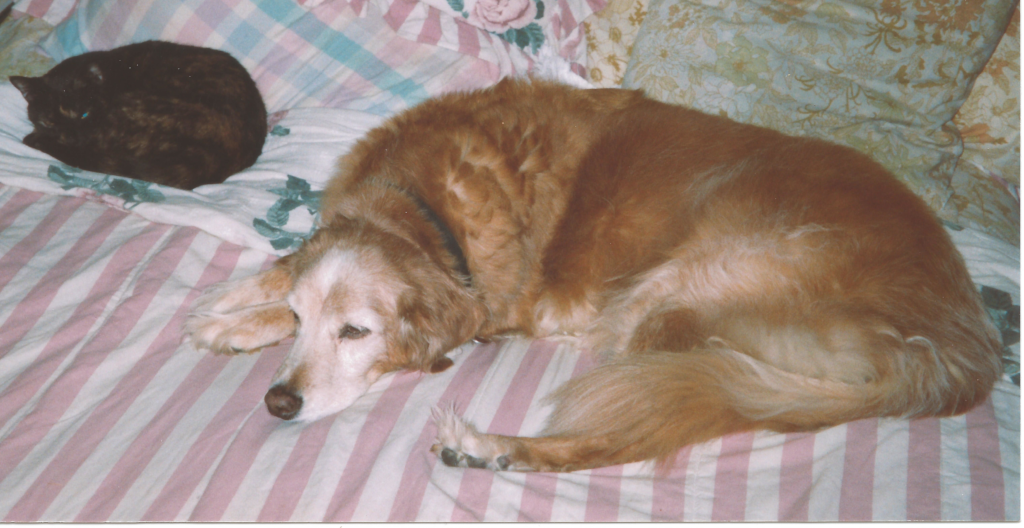 The most common conversations tend to center around discomfort, mobility, anxiety-like behavior, seizures, and general quality of life. For dogs, there is some early research around osteoarthritis and epilepsy. In the epilepsy area, Colorado State University researchers found that dogs receiving CBD in one clinical trial had a reduction in seizure frequency compared with placebo, though this was studied as part of a controlled research setting and not as a do-it-yourself replacement for seizure medication.
For cats, the conversation is more cautious. Cats are not small dogs. Their bodies process many substances differently, and they can be much more sensitive to certain additives, essential oils, flavorings, and medications. A CBD product that seems acceptable for a dog may not be appropriate for a cat. This is especially important for senior cats, who commonly face kidney disease, thyroid disease, high blood pressure, appetite changes, and weight loss.
If you are considering CBD because your pet seems painful, anxious, restless, or “not themselves,” the first step is not choosing a bottle. The first step is asking why the behavior is happening. A senior dog who seems anxious at night may be in pain, losing hearing, experiencing cognitive changes, or needing to go outside more often. A cat who stops jumping may have arthritis, but could also be weak, dehydrated, or dealing with another medical issue. CBD might become part of a discussion, but it should not be used to skip the detective work.
Choosing a Product Carefully
If your veterinarian agrees that CBD is reasonable to consider, product quality becomes the next big issue. The pet CBD market can feel like the Wild West. Labels may be confusing, strengths may vary, and not every company provides the same level of testing.
 The safest starting point is to look for a product made specifically for pets, from a company that provides a current certificate of analysis from an independent lab. That lab report should show how much CBD is actually in the product and whether THC is present. It should also ideally screen for contaminants like pesticides, heavy metals, solvents, and mold. Avoid products with xylitol, essential oils, artificial sweeteners, or flavorings that are not clearly safe for pets.
I would also be cautious with CBD treats for diabetic pets. At BellenPaws, we have managed feline diabetes with Zippy, who achieved remission through tight regulation, and Bentley, who still receives insulin twice a day. That experience makes us very careful about anything that can affect food intake, glucose patterns, stomach upset, or routine. Treats can contain carbohydrates, sweeteners, or extra ingredients that may not fit a diabetic pet’s plan. For diabetic pets, an oil with simple ingredients may be easier to discuss with your vet than a flavored chew, but the vet still needs to be part of the decision.
This is also where tracking becomes your best friend. If you start anything new, you want notes. Appetite, stool, energy, sleep, pain signs, mobility, glucose numbers for diabetic pets, and any unusual behavior should be written down. BellenPaws offers free tools like an online pet diabetes tracker with printable charts and blank glucose curve forms, which can help pet parents bring organized information to their vet instead of relying on memory during a stressful appointment.
Starting Slow and Watching Closely
If your vet gives the green light, the phrase to remember is “start low and go slow.” Do not stack CBD with several other new supplements at the same time. If your pet improves or reacts badly, you will not know which change caused it. Keep the rest of the routine as steady as possible so you can watch for patterns.
Side effects can include sleepiness, stomach upset, vomiting, diarrhea, changes in appetite, wobbliness, or behavior that just seems off. With senior pets, subtle changes matter. A little extra sleepiness in a young, healthy dog may not mean the same thing as extra sleepiness in a frail senior cat with kidney disease. If something feels wrong, stop and call your vet.
It is also wise to ask your vet whether bloodwork should be checked before and after starting CBD, especially if your pet is on long-term medication or has liver concerns. The goal is not to be scared of every option. The goal is to avoid flying blind.
And please keep all cannabis products meant for humans away from pets. Human edibles can contain THC, chocolate, xylitol, raisins, or other dangerous ingredients. A senior pet does not need an accidental poisoning on top of everything else.
A Gentle, Realistic Way to Think About CBD
CBD oil may eventually become a more clearly understood tool in senior pet care. It may help some dogs feel more comfortable. It may play a supportive role for some pets under veterinary guidance. But right now, it belongs in the category of “promising, but not simple.”
 That is not a bad thing. Many parts of senior pet care live in that middle ground. We try something carefully, we observe, we adjust, and we keep the pet’s comfort at the center. The mistake is not being curious. The mistake is believing marketing claims more than our veterinarian, our pet’s medical history, and our own careful observations.
For me, senior care has always been about respect. Respect for the years they have given us. Respect for their changing bodies. Respect for the fact that comfort matters deeply, but safety matters too. Our older pets do not need us chasing every trend. They need us paying attention.
So if you are wondering about CBD oil for your senior dog or cat, bring it up with your vet without embarrassment. Ask about interactions. Ask about liver values. Ask whether the symptom you are trying to help might have a more direct treatment. Ask what signs would mean you should stop. Then, if it makes sense, approach it slowly and thoughtfully.
Senior pets teach us patience. They teach us to notice the small wins: a better nap, a calmer evening, one more comfortable walk to the mailbox, one more quiet purr on the couch. CBD may or may not be part of that comfort plan for your pet, but the heart of the plan should always be the same: gentle care, good records, veterinary guidance, and love that pays attention.