
 Life changes are hard on people, but they can be just as confusing for the animals who share our homes. A move, a new baby, the loss of another pet, a new work schedule, a medical diagnosis, a change in mobility, or even something as simple as rearranging furniture can quietly shake the little world our pets depend on. Dogs and cats may not understand the reason for a transition, but they absolutely feel the shift in routine, energy, scent, noise, attention, and security.
As longtime pet parents, we have learned that animals often tell us they are struggling in small ways before they ever show us something dramatic. A senior cat might hide more. A dog might cling to your side, pace at night, or suddenly act unsure about a hallway they have walked through for years. A diabetic pet may have numbers that seem more unpredictable during stress. These moments can make us feel helpless, especially when we are also dealing with the life change ourselves.
The good news is that support does not have to be complicated. Most pets do not need a perfect household. They need steadiness, patience, familiar comfort, and an owner who is paying attention. When we slow down enough to see the transition through their eyes, we can make the change feel less like a storm and more like a bridge they can cross with us.
Your Pet’s World Is Built on Familiar Things
To us, a major life transition often has a name. Moving day. New job. New baby. Divorce. Renovation. Illness. Loss. To a pet, it may simply feel like the rules of the world have changed. Their favorite chair moved. Their person is gone more. The house smells different. Boxes are everywhere. A new animal is behind a door. Someone they loved is no longer coming home.
 Dogs and cats are creatures of pattern. They learn the rhythm of our footsteps, the sound of food being prepared, the usual time we sit down, the way evening settles in the house. Senior pets especially may rely on these patterns because their senses, confidence, or physical abilities are not what they used to be. When those patterns change suddenly, it can create stress even in a pet who seems calm on the surface.
This is why routine becomes one of the kindest tools we have. During a transition, try to keep meals, medication, potty breaks, walks, litter box access, bedtime habits, and quiet time as consistent as possible. Even if the rest of life feels upside down, a few predictable anchors can help your pet feel safe. A diabetic pet, in particular, benefits from steady timing around meals, insulin, and monitoring, since stress and schedule changes can sometimes affect appetite and glucose patterns.
When our Bentley needs his twice-daily insulin, the routine around it matters almost as much as the shot itself. The familiar timing, the calm voice, the food, the testing, and the normal rhythm all help make diabetes care part of life rather than a constant emergency. During any household change, that kind of predictable care becomes even more important.
If your pet is already dealing with age-related changes, do not underestimate how much the environment matters. A senior dog may need rugs on slippery floors after a move. A cat with weaker vision may need furniture kept in predictable places. A pet with arthritis may need easier access to beds, litter boxes, or favorite resting spots. Sometimes support looks less like training and more like making the world easier to navigate.
Watch for Stress in the Quiet Signals
Pets do not always announce stress loudly. Some do, of course. A dog may bark, whine, chew, or have accidents. A cat may urinate outside the box, swat, vocalize, or refuse food. But many pets show emotional strain in quieter ways. They sleep in unusual places. They stop greeting you at the door. They groom too much or too little. They seem restless at night. They become more needy, or they become distant.
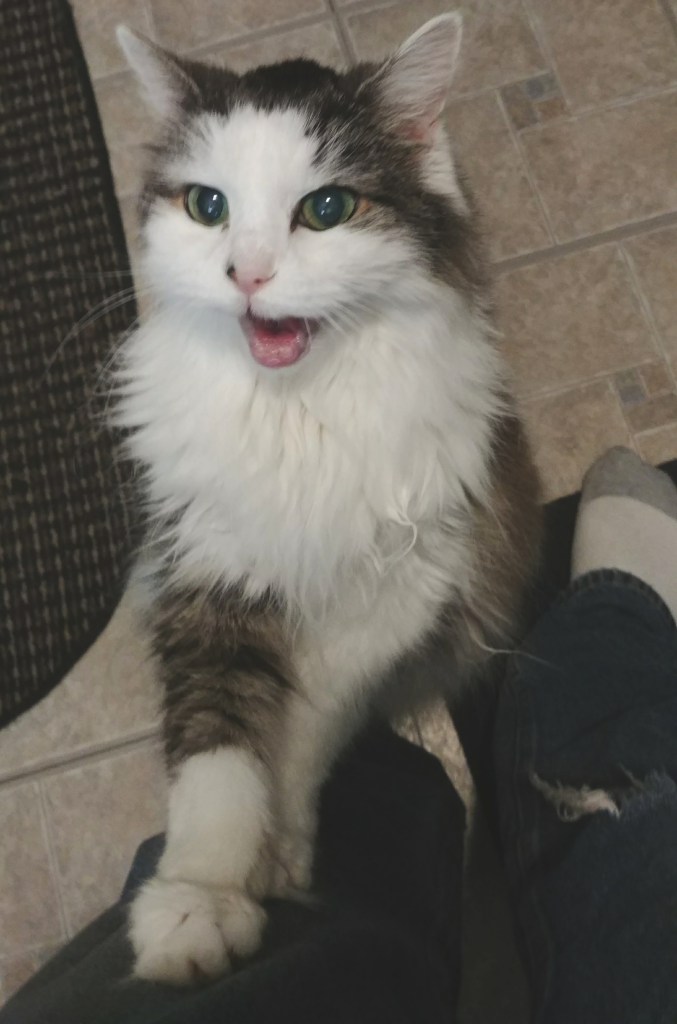 One of the most important things we can do is avoid assuming a behavior is “just bad behavior.” A pet who is suddenly acting out during a transition is often communicating discomfort, confusion, or fear. That does not mean every behavior should be ignored, but it does mean punishment usually makes things worse. A stressed pet needs guidance and reassurance, not more uncertainty.
For cats, litter box changes are especially important to take seriously. A cat who stops using the box may be stressed, but they may also have pain, urinary issues, kidney disease, diabetes complications, or another medical problem. Dogs who suddenly have accidents may be anxious, but they may also be dealing with urinary problems, mobility issues, cognitive changes, or medication side effects. When behavior changes suddenly, especially in a senior pet, a vet check is often the safest step.
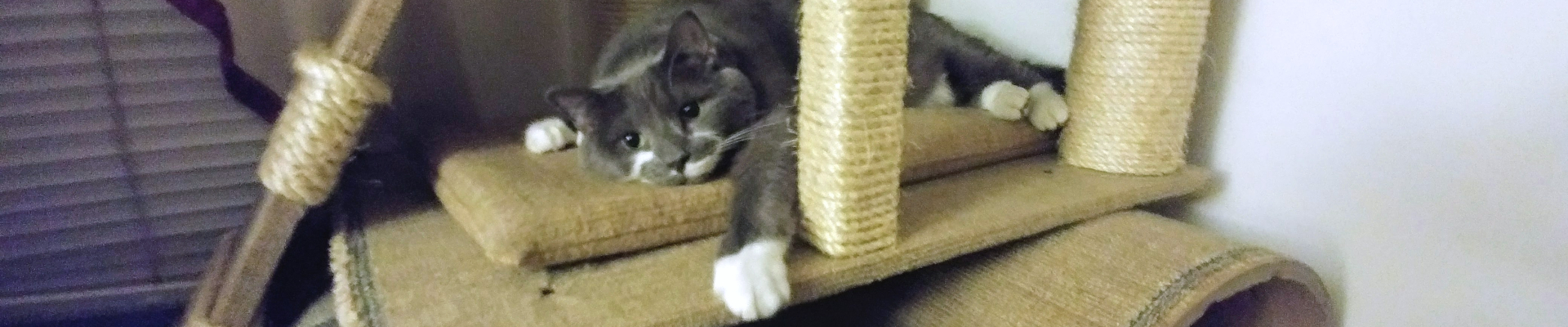
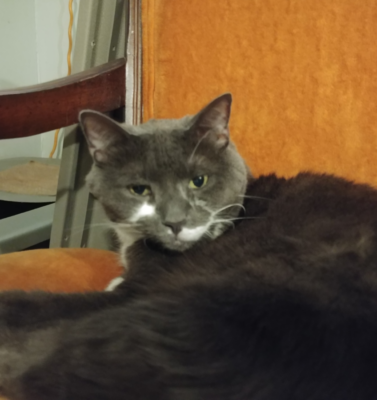
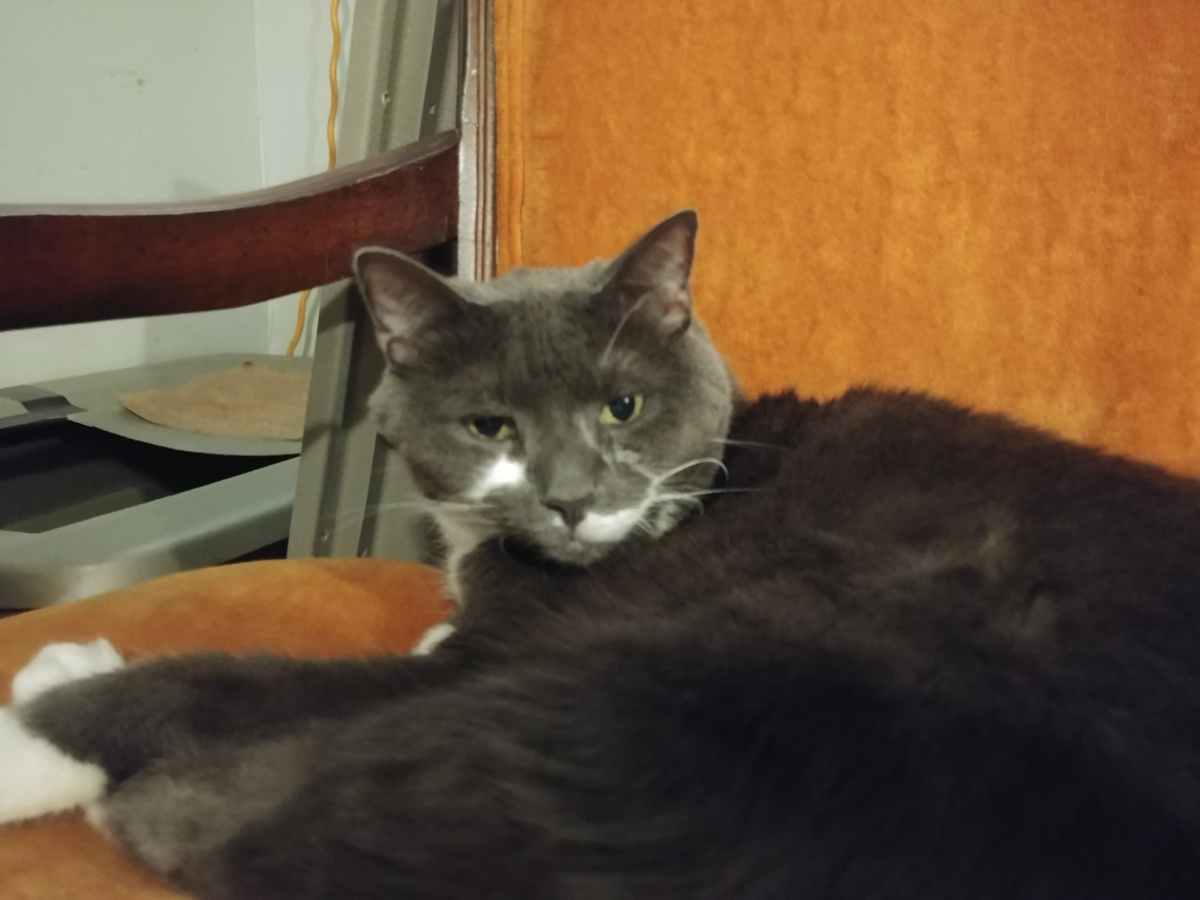
We saw many different versions of stress and adjustment over the years. With senior cats like Belle and Paws, comfort came from recognizing that their needs were changing, not trying to force them back into who they used to be. Aging has a way of asking us to become better listeners. The pet who once handled everything with confidence may eventually need softer routines, easier access, and more patience.
If your pet has diabetes, a major transition is a good time to track carefully. Appetite changes, skipped meals, unusual hiding, or stress-related fluctuations can all matter. At BellenPaws, this is one reason we care so much about practical tools like our online pet diabetes tracker and printable glucose curve forms. Having clear records can help you see patterns, share useful information with your vet, and feel a little less like you are guessing in the dark.
Make Change Gradual Whenever You Can
Not every life transition gives us the luxury of time. Sometimes things happen suddenly. A family member leaves. A pet passes away. A medical diagnosis arrives. A move becomes urgent. But when you do have the ability to prepare, gradual change can make a huge difference.
If you are moving, let your pet explore boxes before the house becomes chaos. Keep one room familiar for as long as possible, with their bed, food, water, litter box, toys, and your scent. When you arrive in the new place, consider starting them in one calm room rather than giving them the entire home at once. Cats especially may feel safer expanding their territory slowly. Dogs may need a few calm walks around the new yard or neighborhood before expecting them to fully relax.
 If a new baby is coming, begin adjusting routines before the baby arrives. Let your pet get used to new sounds, new furniture, and slightly different attention patterns in a gentle way. If a new pet is joining the home, slow introductions are usually kinder than forcing instant friendship. Scent swapping, separate spaces, supervised meetings, and patience can prevent a lot of fear and conflict.
If your work schedule changes, try to build new comfort rituals. A short walk before you leave, a puzzle feeder, a safe resting spot, or a consistent greeting when you return can help your pet understand the new rhythm. For older pets, long absences may be harder than they once were, so you may need to think about midday check-ins, pet sitters, cameras, or safe indoor potty options depending on the animal and situation.
The hardest transitions are often the emotional ones, especially grief. When one pet passes away, the surviving pets may notice far more than we realize. They may search rooms, sleep in different spots, lose interest in food, or become more attached. There is no single perfect way to help them through it, but gentle routine, extra companionship, and patience matter. Let them grieve in their own way while also watching for signs that they are not eating, drinking, or functioning normally.
During any transition, familiar scent can be powerful. A blanket, bed, worn shirt, favorite toy, or old scratching post can carry comfort into a new situation. We sometimes think we need to buy new things for a fresh start, but pets often find reassurance in the old things. That beat-up bed in the corner may look worn to us, but to them it may smell like home.
Help Senior and Diabetic Pets Feel Secure
Senior pets and diabetic pets often need extra consideration during major transitions because their margin for stress can be smaller. A young, healthy pet may bounce back quickly from a move or schedule change. An older pet with kidney disease, arthritis, vision loss, heart concerns, cognitive changes, or diabetes may need a slower, softer approach.
For senior dogs, think about the physical layout of the home. Can they get outside easily? Are the floors slippery? Is their bed still easy to reach? Are food and water close enough? If they are confused at night, would a nightlight help? If hearing or vision is fading, sudden changes in furniture placement can be scary. Even small adjustments can protect their confidence.
 For senior cats, vertical spaces may need to become more accessible. A cat who once leapt to a windowsill may now need steps or a lower perch. Litter boxes should be easy to enter, easy to find, and available in quiet places. If the household is busier than usual, a senior cat may need a private room or cozy retreat where no one bothers them.
For diabetic pets, transitions can affect eating habits, activity, stress levels, and glucose patterns. This is not something to panic over, but it is something to respect. Keep supplies organized, maintain feeding and insulin timing as consistently as possible, and communicate with your vet if appetite drops or numbers become unusual. Never guess with insulin changes without veterinary guidance. Good notes can be a lifeline, especially during chaotic weeks.
It is also important to care for your own emotions. Pets are incredibly sensitive to our stress, but that does not mean you need to pretend everything is fine. It simply means that calm, gentle interactions can help them borrow a little stability from you. Sit with them. Speak softly. Keep the rituals you can keep. Let them know through your actions that even if life is changing, your bond is not.
Sometimes support means lowering expectations. Your pet may not adjust in a day, a week, or even a month. They may regress a little. They may need reassurance you thought they had outgrown years ago. That is not failure. That is transition. Just like people, animals need time to understand a new normal.
Moving Forward Together
The heart of supporting a pet through major life transitions is remembering that they are not being difficult. They are trying to make sense of change with the tools they have. They do not have calendars, explanations, or long conversations about what is happening next. They have our routines, our tone, our patience, and the safety we create around them.
 When we look at transitions this way, our role becomes clearer. We preserve what is familiar. We introduce change gently when possible. We watch for stress without judgment. We make the home easier for aging bodies and worried minds. We keep medical needs steady, especially for pets with diabetes or chronic illness. We ask the vet for help when something feels off. Most of all, we keep showing up.
There is something deeply humbling about caring for pets through change. They trust us through moves, losses, new schedules, illness, and aging. They follow us into new chapters without fully knowing why the old one ended. The least we can do is walk slowly enough for them to keep up.
At BellenPaws, we believe that senior pets and medically fragile pets still have rich, meaningful lives ahead of them. They may need more support, more planning, and more patience, but they also give us some of the most tender years we will ever know. Major life transitions can be unsettling, but they can also become moments where trust grows stronger. With consistency, compassion, and careful attention, we can help our pets feel what they need most: “My world may be changing, but I am still safe, still loved, and still home.”