

There is a special kind of helplessness that hits a pet parent when something goes wrong fast. A paw gets cut. A senior cat suddenly seems weak. A dog eats something questionable before anyone can stop them. In those moments, our hearts race, our hands shake, and the house that felt calm five minutes earlier suddenly feels too big, too loud, and too unprepared.
That is exactly why a pet first-aid kit matters. Not because it turns us into veterinarians, and not because it replaces emergency care, but because it gives us something steady to reach for while we make the next right decision. A good kit buys us organization. It helps us slow down long enough to call the vet, protect a wound, check a temperature, gather records, or safely transport a frightened animal.
At BellenPaws, we have always believed that preparation is one of the quietest forms of love. Senior pets and diabetic pets especially teach us this. When you are caring for an older cat with kidney disease, a dog with mobility issues, or a diabetic pet who needs close monitoring, you learn that emergencies rarely announce themselves politely. They arrive at dinner time, during a storm, after the vet has closed, or right when you thought the day was finally settling down.
Start with the Purpose, Not the Container
The first step in building the ultimate pet first-aid kit is not buying supplies. It is deciding what the kit is meant to do. A pet first-aid kit should help you handle minor injuries, stabilize your pet while contacting a professional, and make emergency travel less chaotic. The American Veterinary Medical Association recommends keeping basic first-aid supplies for pets and including key contact numbers, medical records, and current medications as part of that emergency setup.
 Choose a sturdy waterproof container, small toolbox, tackle box, backpack, or clear storage bin. I like something that opens wide enough so you can see everything at once. In a panic, you do not want to dig through a mystery bag while your cat is hiding under the couch or your dog is limping by the door. Label it clearly as the pet first-aid kit and keep it somewhere obvious, not buried behind holiday decorations or old cables.
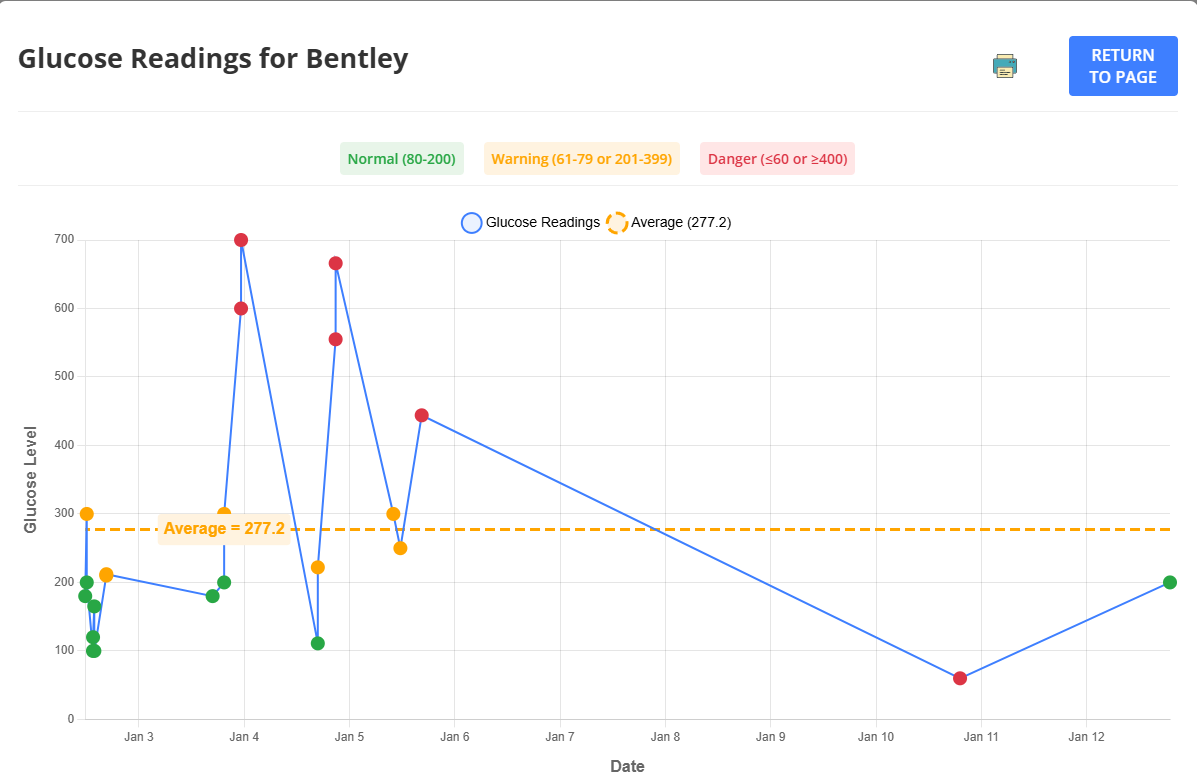
If you have both cats and dogs, build one shared kit but customize sections for each pet. A senior cat, a large dog, and a diabetic pet may all need different handling, different medications, and different emergency notes. For example, Bentley’s diabetic care means our emergency thinking includes food timing, glucose notes, insulin information, and the ability to show a vet what has been happening recently. That is where BellenPaws tools like our online pet diabetes tracker and printable glucose curve forms can be genuinely useful, because organized records can make a stressful veterinary conversation much clearer.
Think of the kit as having three layers. The first layer is for information. The second is for basic wound care and comfort. The third is for transport and emergency support. When those layers work together, the kit becomes more than a box of supplies. It becomes a little emergency command center for the animals who depend on you.
The Paperwork That Can Save Precious Minutes
The least exciting part of a first-aid kit may be the most important: the paperwork. In an emergency, you may be too upset to remember medication names, doses, vaccine dates, or the exact timeline of symptoms. A written emergency sheet gives you something solid when your brain is running on pure adrenaline.
Your kit should include your regular veterinarian’s phone number, the nearest 24-hour emergency vet, a pet poison hotline, and a backup clinic in case the first option is unavailable. Include your pet’s name, age, species, breed if known, weight, medical conditions, allergies, medications, supplement use, and feeding routine. For diabetic pets, include insulin type, usual dose, shot schedule, feeding schedule, recent glucose trends, and what your vet has told you to do in case of low blood sugar.
 A printed medical summary is especially helpful for senior pets because older animals often have layered health histories. Belle, one of our founding BellenPaws cats, had several senior health concerns over time, and experiences like that taught us how easily details can blur when you are scared. A calm, simple record can help you advocate better without trying to remember everything from memory.
Keep copies in a waterproof sleeve or zip bag. Add a recent photo of each pet, too. That may sound more like disaster prep than first aid, but if a pet escapes during a crisis, a current photo can be incredibly important. The Red Cross also recommends including pet medications, medical records, and current photos in emergency preparedness supplies.
For households with multiple caregivers, add a one-page “what to do first” sheet. It can say something simple like: call the vet, keep the pet calm, do not give human medication unless instructed by a veterinarian, bring this kit, bring the medication bag, and bring the most recent glucose or symptom notes. That little page can be a lifesaver when someone else is watching your pet or when emotions are running high.
Building the Core Supplies Without Overcomplicating It
Once the paperwork is ready, start with wound care. Most pet parents will use their kit for small cuts, torn nails, minor bleeding, splinters, irritated paws, or safe temporary bandaging before a vet visit. Your core supplies should include sterile gauze pads, gauze roll, nonstick pads, self-adhering bandage wrap, medical tape, blunt-tip scissors, disposable gloves, tweezers, clean towels, saline rinse, and a digital thermometer. The Red Cross pet first-aid kit guidance includes items such as gloves, gauze sponges, gauze roll, and elastic cling bandage as useful pet-specific additions.
Be careful with adhesive bandages made for human skin. Fur changes everything. Sticky bandages can pull hair, irritate skin, or get tangled, especially on cats and long-haired dogs. Self-adhering wrap is usually more practical, but it must never be wrapped too tightly. A bandage that cuts off circulation can create a new emergency. If you are unsure, use light pressure with clean gauze and let the veterinarian guide you.
A thermometer belongs in every pet first-aid kit, but it should be clearly marked for pet use only. Ask your veterinarian to show you how to use it properly and what temperature range they want you to consider concerning for your specific pet. Do not wait until an emergency to learn. That is not the moment to read instructions with one hand while trying to comfort a trembling animal with the other.
 Add a small flashlight, extra batteries, a collapsible water bowl, an eye dropper or oral syringe, and a soft muzzle for dogs. Even the sweetest dog may bite when hurt or terrified. For cats, a thick towel can be more useful than a muzzle because it can help you gently wrap and control movement without escalating panic. Never muzzle a pet who is vomiting, struggling to breathe, overheated, or unconscious.
It is also wise to include a pet-safe antiseptic option recommended by your veterinarian, but this is where owner care should stay humble. Do not assume every human product is safe for pets. Many common medications and ointments that seem harmless to us can be dangerous for animals. The kit should help you clean, cover, and transport, not experiment.
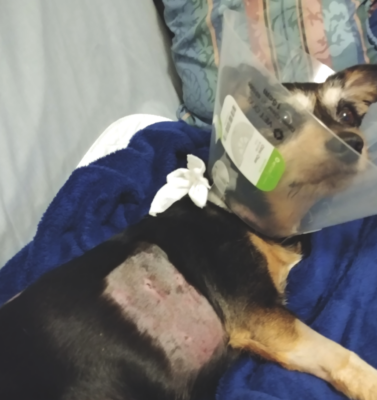
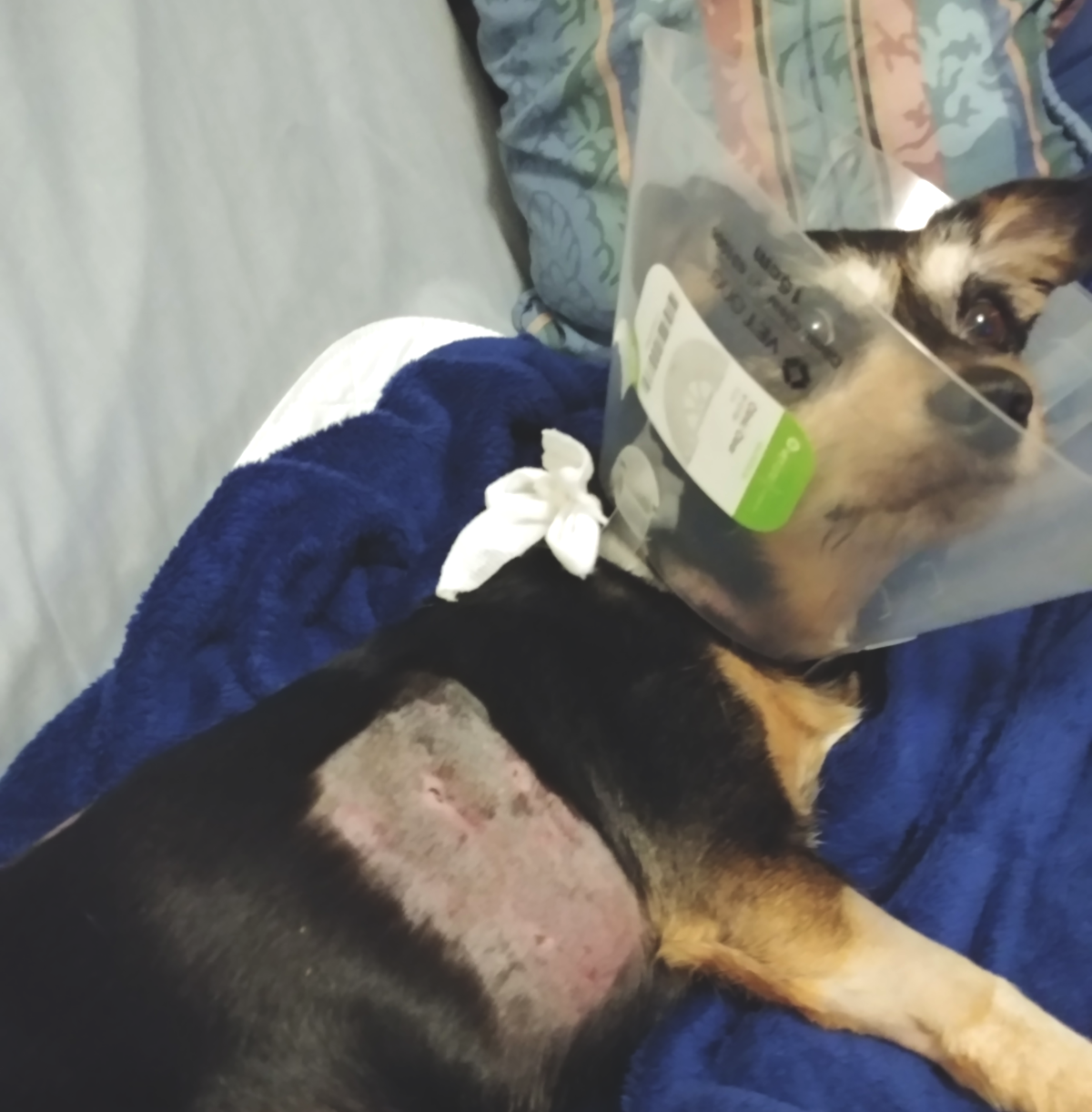
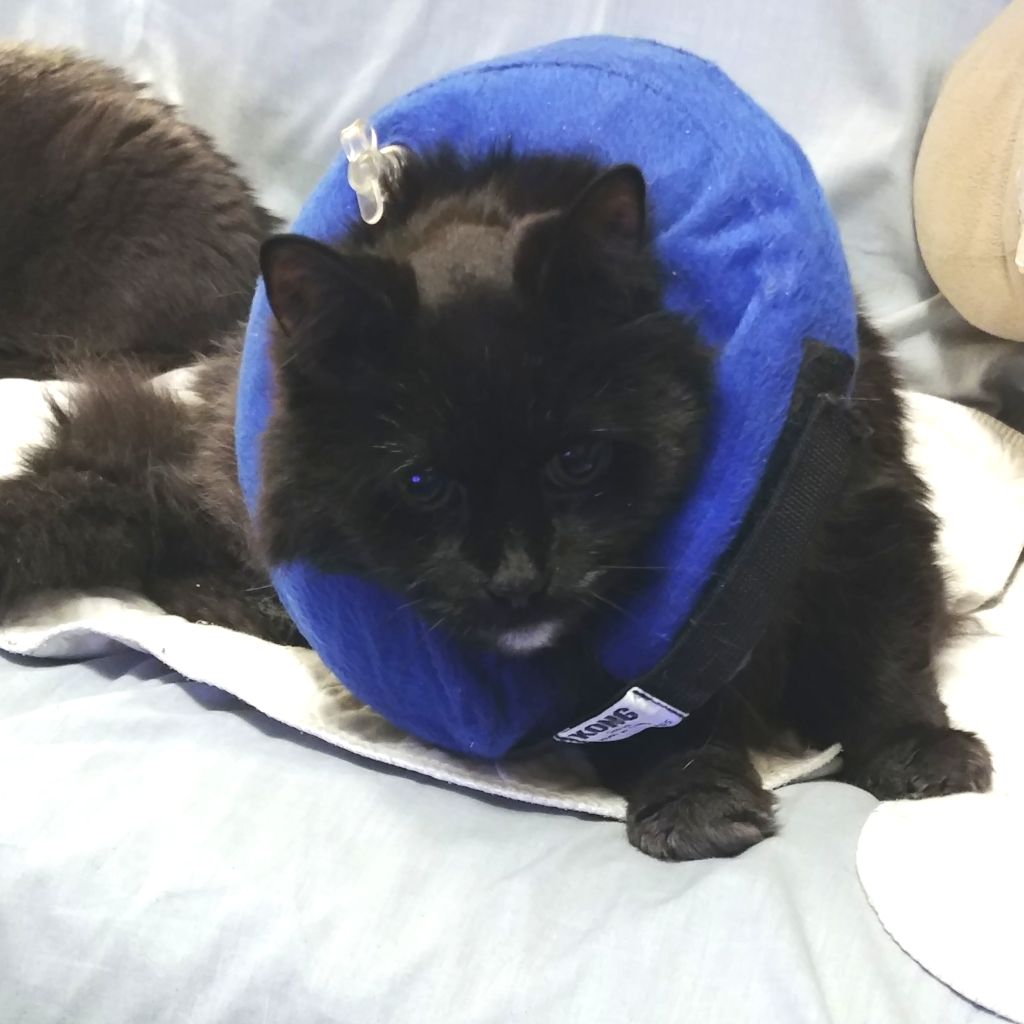
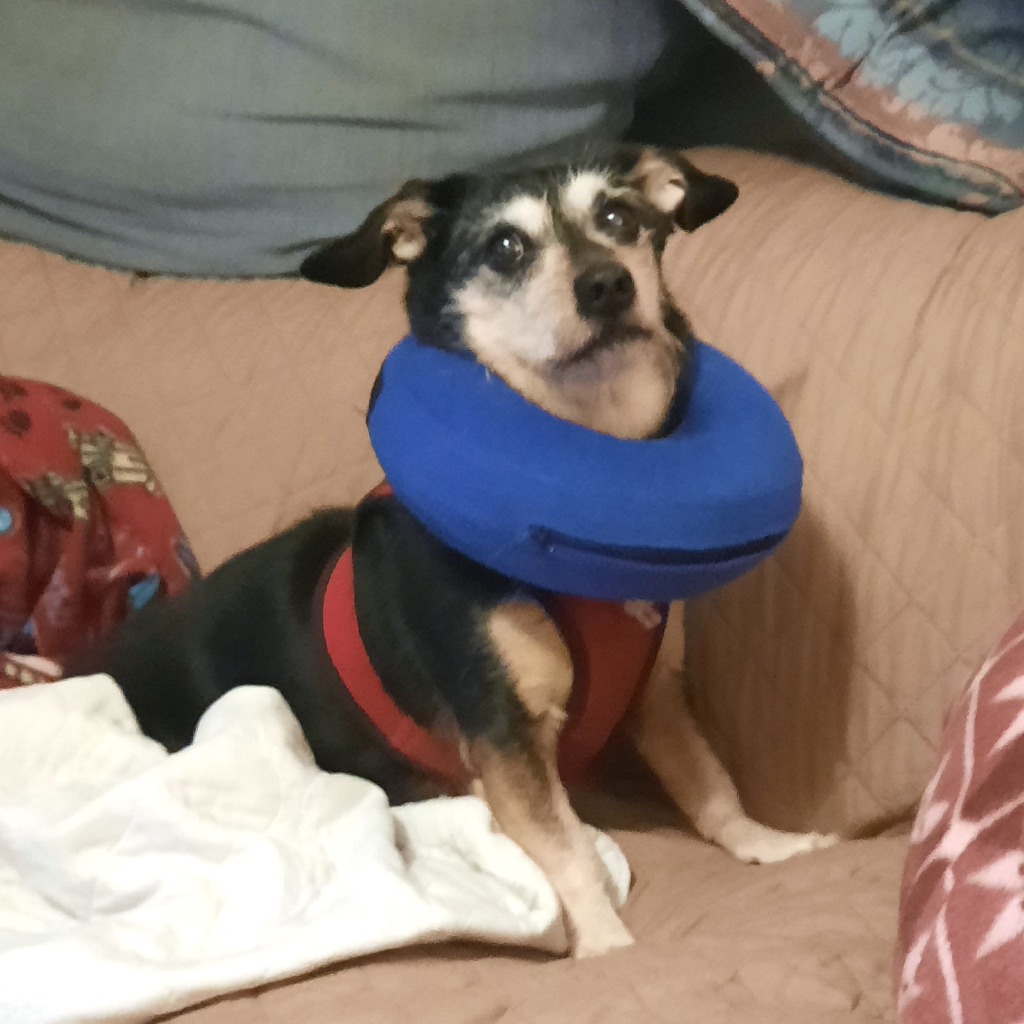
We’ve personally made it a habit of having a protective cone or neck pillow (for cats and dogs) to prevent our pet from picking at the wound or area they’re having an issue with because they ALWAYS do. Both cats and dogs instinctively want to lick the area they’re having an issue with so our kit includes both of these depending on the pet and issue. Good Advice.
Special Additions for Senior and Diabetic Pets
A basic kit is helpful for every pet, but senior and diabetic pets deserve a few extra layers of preparation. Older pets may have weaker balance, thinner skin, poorer vision, arthritis, heart concerns, kidney disease, or blood pressure issues. That means the emergency is not always dramatic. Sometimes it is a subtle change: hiding, wobbling, refusing food, breathing differently, or acting “off” in a way only you recognize.
 For senior pets, add a small blanket, puppy pads or absorbent pads, a slip lead, and a firm but comfortable way to transport them. A carrier for cats should be easy to access, not stored in the attic. For dogs with mobility issues, consider keeping a towel or support sling nearby so you can help lift them safely without hurting their back, hips, or your own body.
For diabetic pets, your kit should include feeding notes, glucose records, your vet’s hypoglycemia instructions, and any emergency supplies your vet has specifically recommended. Never guess with insulin during a crisis. If your diabetic pet will not eat, vomits, seems weak, trembles, acts disoriented, or appears unusually sleepy, call your veterinarian or emergency clinic right away. BellenPaws strongly supports tight regulation, but tight regulation works best when paired with careful records, calm observation, and a clear plan from your vet.
This is also where our printable blank glucose curve forms and online tracker can help. In an emergency, a printed chart or recent table can show patterns much faster than a long verbal explanation. A vet can look at recent readings, food notes, and insulin timing and get a clearer picture of what may be happening. That does not replace an exam, but it can support better communication.
A small supply of your pet’s regular food may also belong near the kit, especially if your pet needs consistency. Sudden food changes can complicate things for sensitive seniors and diabetic animals. If your pet eats canned food, keep a manual can opener in your emergency supplies. It is one of those boring little items you never think about until the power is out and the pull tab breaks.
Know What the Kit Cannot Do
 The most important part of pet first aid is knowing its limits. A kit can help you control minor bleeding, protect a wound, gather information, and get your pet to care more safely. It cannot diagnose poisoning, fix bloat, treat seizures, reverse respiratory distress, or decide whether a medication is safe. VCA’s emergency guidance emphasizes staying calm, checking for safety, keeping the pet quiet and movement limited when trauma is possible, and contacting the veterinary hospital for specific advice.
If your pet has trouble breathing, collapses, has a seizure, cannot stand, has uncontrolled bleeding, shows signs of severe pain, has a swollen abdomen, repeatedly vomits, strains without producing urine, eats something toxic, or seems suddenly and seriously wrong, do not try to manage it at home. Call emergency care and go. The kit comes with you.
Pet poison situations deserve special caution. Do not induce vomiting unless a veterinarian or poison control professional tells you to. Some substances can cause more damage coming back up, and some pets are not safe candidates for vomiting at all. This is one of those moments where the bravest thing a pet parent can do is not improvise.
Check your kit every few months. Replace expired items, restock used supplies, update medication lists, refresh phone numbers, and make sure the flashlight works. If you move, change vets, adopt another pet, or receive a new diagnosis, update the kit immediately. A first-aid kit is not a one-time project. It is a living part of your pet care routine.
A Prepared Home Feels a Little Less Scary
 Assembling the ultimate pet first-aid kit from scratch is not about expecting disaster. It is about loving animals realistically. Pets age. Accidents happen. Diabetes has its scary moments. Senior bodies can change quickly. And when something goes wrong, preparation gives us a small island of calm to stand on.
Start simple. Gather the records. Add the wound care supplies. Label the container. Ask your vet what your specific pets need. Build around the animals actually living in your home, not some perfect checklist from a store shelf. A young healthy dog, a frail senior cat, and a tightly regulated diabetic pet do not all need the exact same emergency plan.
Most of all, remember that your presence is part of the kit. Your calm voice, your knowledge of your pet’s normal behavior, your willingness to call for help, and your ability to act with care are all powerful. We cannot prevent every frightening moment, no matter how much we love them. But we can prepare our homes so that when our pets need us, we are not starting from panic. We are starting from love, readiness, and one well-stocked box waiting where we can reach it.