
When a pet is diagnosed with kidney disease, water suddenly starts to feel like one of the most important things in the house. The bowl you used to refill without much thought becomes something you check several times a day. You notice whether the water level has moved. You listen for little laps in the middle of the night. You may even find yourself quietly celebrating when your cat or dog takes a few extra drinks.
That may sound dramatic to someone who has never cared for a senior pet with kidney trouble, but anyone who has been there understands. Kidney disease changes the way we look at hydration. It is not just “make sure they have water.” It becomes part of daily care, comfort, and quality of life.
I am not a veterinarian, and kidney disease should always be managed with your vet’s guidance. Bloodwork, urine testing, blood pressure checks, diet recommendations, medications, and sometimes fluids all belong in that conversation. But as pet parents, we are the ones living beside our animals every day. We see the bowl, the appetite, the litter box, the little habits, and the quiet changes that may not show up during a short clinic visit. And one of the kindest things we can do at home is make drinking easier, more inviting, and less stressful.
Why Water Matters So Much With Kidney Disease
 Healthy kidneys help manage waste products and fluid balance. When kidney function declines, pets often produce more diluted urine and lose more fluid. That is why increased drinking and urination can be one of the early signs of chronic kidney disease, especially in dogs and cats. VCA notes that pets may drink more to compensate for increased fluid loss through urine, and Cornell emphasizes that hydration is especially important for cats with chronic kidney disease because dehydration can worsen how they feel.
The hard part is that drinking more does not always mean they are staying well hydrated. A pet with kidney disease may visit the water bowl often and still be losing too much fluid. That is one reason dehydration can sneak up on families. You may think, “But he drinks all the time,” while the body is still struggling to keep up.
With cats, this can be especially tricky because many are naturally low-volume drinkers. Cornell’s hydration guidance explains that wet food contains a lot of moisture, while dry-food-fed cats usually take in more of their daily water by drinking directly. That means a cat eating mostly wet food may not appear to drink much, but still may be getting meaningful fluid through meals.
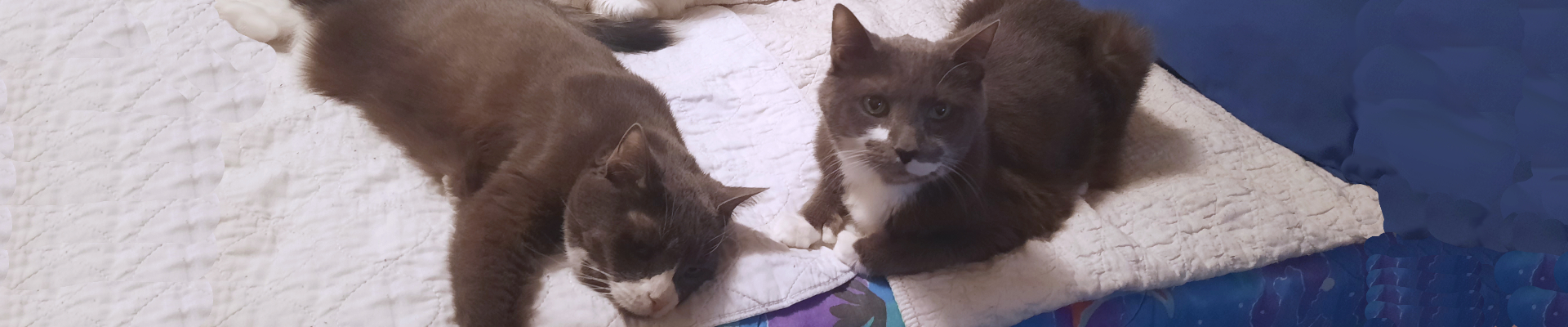
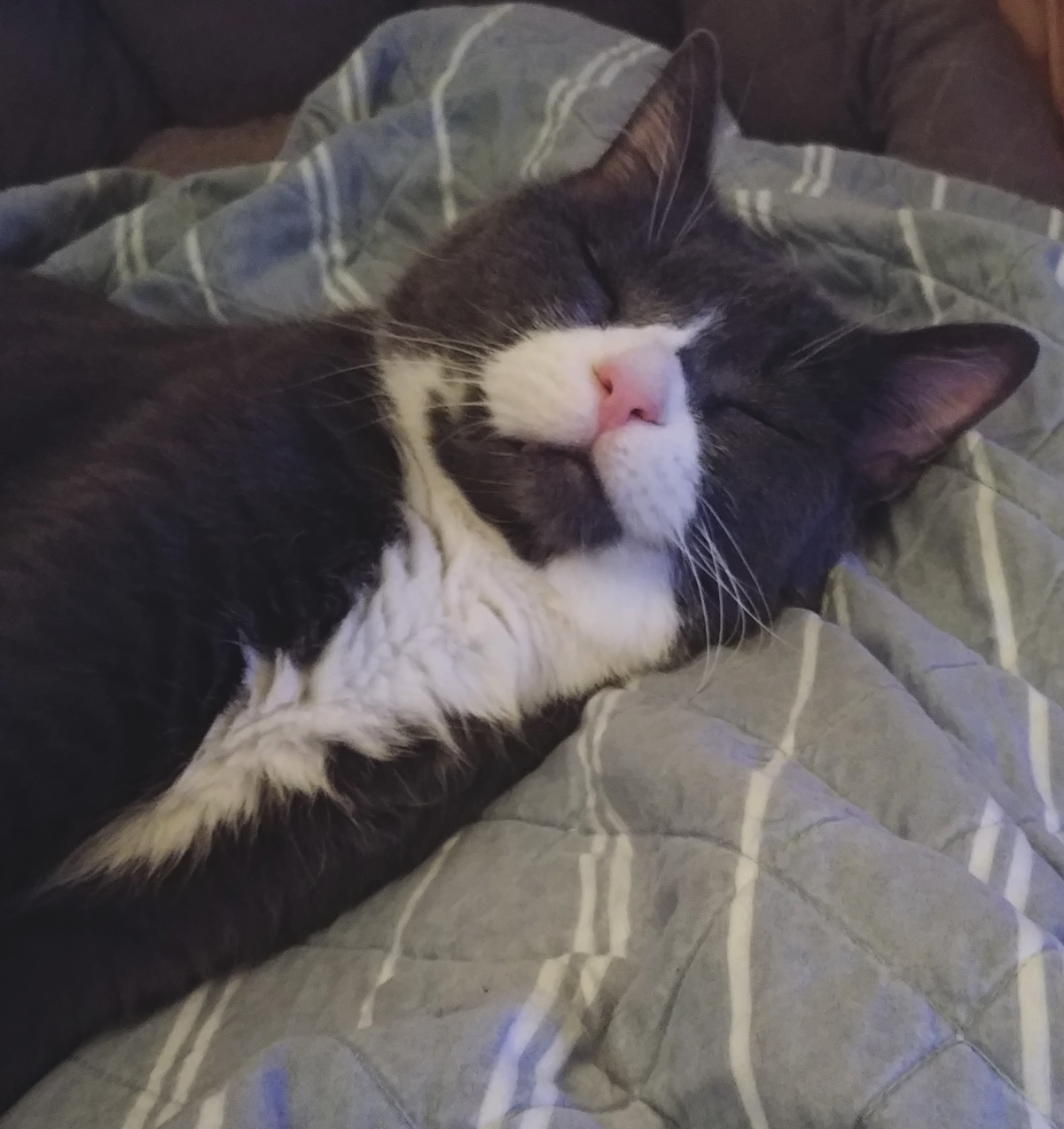
When we cared for Belle through kidney disease and other senior health struggles, water became one of those little household obsessions. We learned that a pet’s preferences are not always logical to us. A bowl that seems perfectly clean to a human may be unacceptable to a cat. A dish placed two feet from the “wrong” object may go untouched. A small change in routine can matter more than we expect. That is where patience comes in. Encouraging water intake is usually not one big fix. It is a series of small invitations.
Make Water Easy to Find and Pleasant to Drink
The first step is simple but powerful: offer water in more places. A senior pet with kidney disease should not have to travel far, climb stairs, compete with other animals, or walk past a stressful area just to drink. Cornell recommends multiple clean water sources for cats with chronic kidney disease, and that advice fits many senior pets in general.
For cats, place bowls in quiet, familiar areas. One near a favorite sleeping spot, one near a common walking path, and one in a peaceful room can make a difference. Avoid putting the only bowl beside a noisy appliance, a litter box, or a place where another pet may ambush them. Senior cats can become very sensitive to household traffic, and a water bowl in a “technically available” spot may not feel emotionally available to them.
For dogs, especially older dogs with arthritis or weakness, water should be easy to reach without slipping or straining. A raised bowl may help some dogs, while others prefer a low dish. If your dog spends time in different parts of the house, having more than one water station can prevent them from waiting too long between drinks.
Freshness matters too. VCA notes that veterinarians often recommend changing water several times daily and cleaning bowls daily to encourage intake. That sounds almost too basic, but it is one of those basics that works because animals notice stale smells, food residue, dust, saliva film, and temperature changes. Stainless steel, ceramic, or glass bowls are often easier to keep clean than scratched plastic bowls, which can hold odors.
Some pets like cold water. Some prefer room temperature. Some like a wide shallow bowl that does not touch their whiskers. Some like a mug because, apparently, they have appointed themselves royalty. If your pet is stable and your vet has not restricted anything specific, it is okay to experiment with presentation. The goal is not to force water. The goal is to make water feel like their idea.
Use Food as a Gentle Hydration Tool
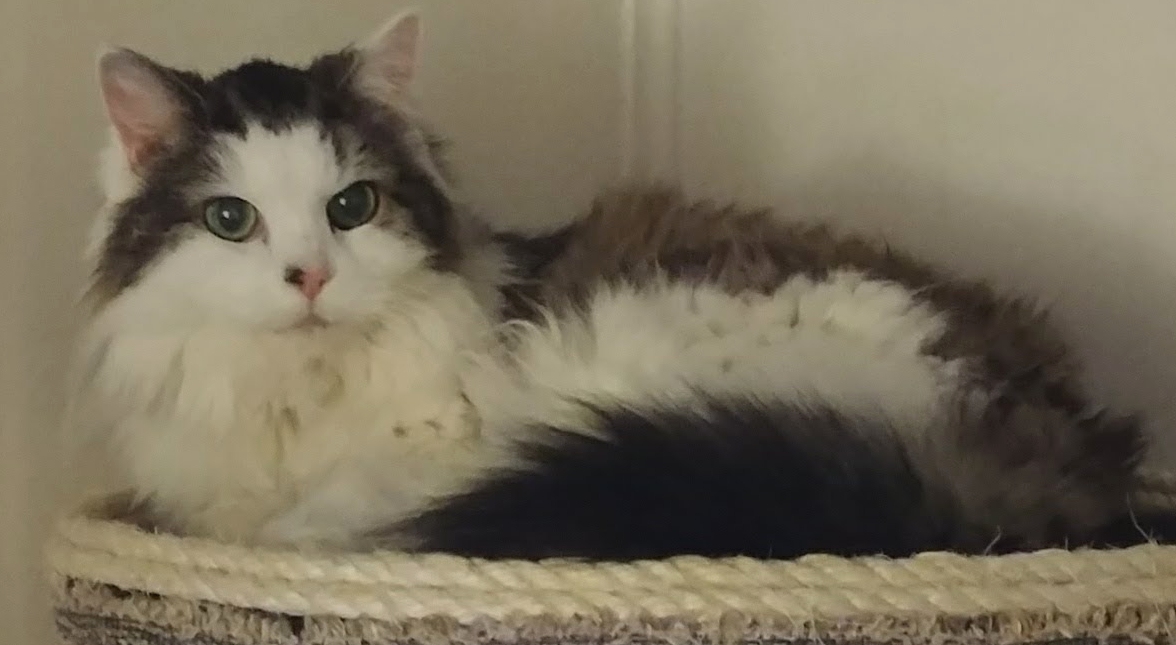 One of the most practical ways to support hydration is through food. This is especially true for cats, but it can help dogs too. Wet food naturally contains far more moisture than dry kibble. Cornell specifically recommends wet forms of therapeutic diets for cats with chronic kidney disease when appropriate, and VCA notes that canned kidney support food can help improve water intake in dogs.
Of course, kidney diets are not something to improvise casually. Pets with kidney disease often need careful attention to phosphorus, protein balance, sodium, calories, and appetite. Your vet may recommend a prescription kidney diet or a specific feeding plan. If your pet refuses the recommended food, do not panic and do not turn mealtime into a battle. Call your vet and talk through options. A kidney-friendly diet only helps if your pet actually eats it.
For many pets, adding a little extra water to wet food can be a gentle way to increase fluid intake. Start small. Some cats will reject a meal if it suddenly looks like soup. Others will happily lick up a soft gravy texture. Try a teaspoon or two at first, then adjust based on tolerance. Dogs may accept a wetter texture more easily, but the same rule applies: gradual changes are usually better than dramatic ones.
You can also ask your vet whether low-sodium broth, pet-safe flavor enhancers, or kidney-appropriate food toppers are allowed for your specific pet. This matters because some common “make them drink” tricks are not safe for kidney patients. Salty broths, human electrolyte drinks, heavily seasoned foods, tuna brine, and random supplements may create more problems than they solve. With kidney disease, flavor should never come at the expense of safety.
This is also where observation becomes your friend. If your pet drinks less after switching to wet food, that does not automatically mean hydration has worsened. They may be getting more moisture from meals. But if they become lethargic, constipated, nauseated, weak, uninterested in food, or their gums feel tacky, those are reasons to contact your veterinarian.
Fountains, Bowls, and the Strange Little Preferences of Pets
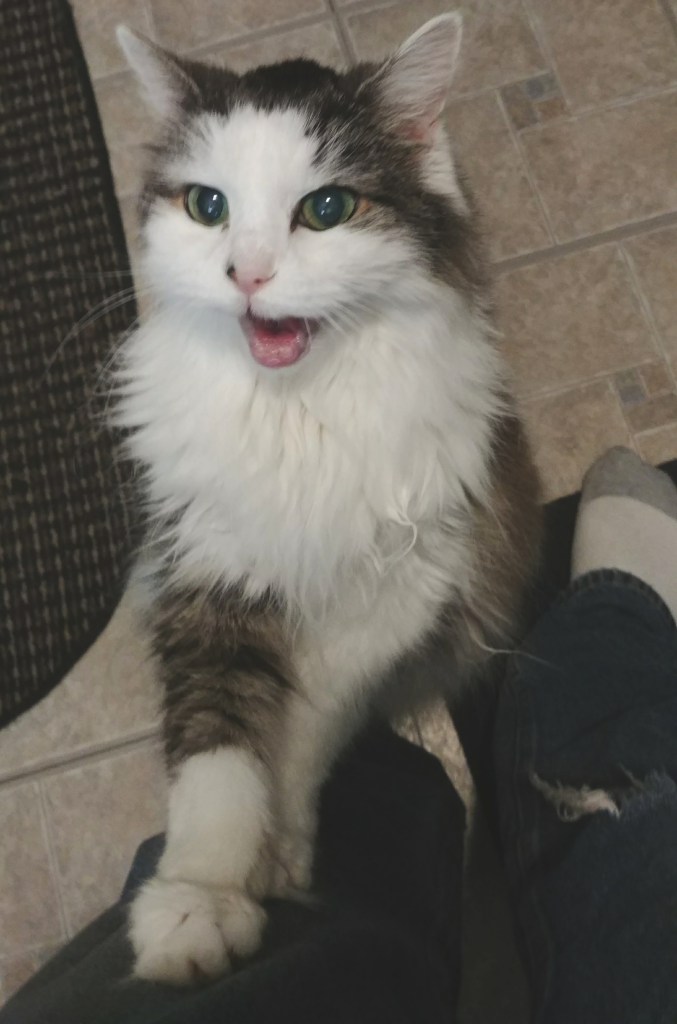 Some pets are drawn to moving water. Cats in particular may prefer fountains, and Cornell mentions that many cats like drinking from water fountains. A fountain can make water more interesting, fresher tasting, and easier to notice. For a cat who ignores still bowls but runs to the sink, a fountain may be worth trying.
That said, fountains are not magic. They must be cleaned thoroughly and often. Filters need changing, pumps can collect slime, and some cats dislike motor noise. If you try one, keep regular bowls available too. A fountain should add choices, not replace the only familiar water source overnight.
Bowl shape can also matter more than we think. Wide, shallow bowls are often more comfortable for cats because their whiskers do not press against the sides. Heavy bowls that do not slide may help senior dogs and cats feel steadier. For arthritic pets, the distance between sleeping spots, food, litter boxes, and water can affect how often they drink. Pain can quietly reduce movement, and reduced movement can reduce drinking.
Our Blackie, who dealt with kidney disease along with other senior issues, reminded us how much comfort depends on details. With senior pets, a “small thing” like bowl placement is not small to them. A few steps less, a quieter corner, a cleaner dish, or a softer meal can become part of how we love them through a difficult stage.
Know When Water at Home Is Not Enough
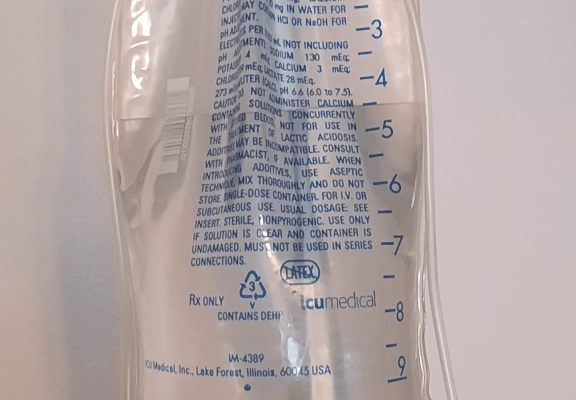
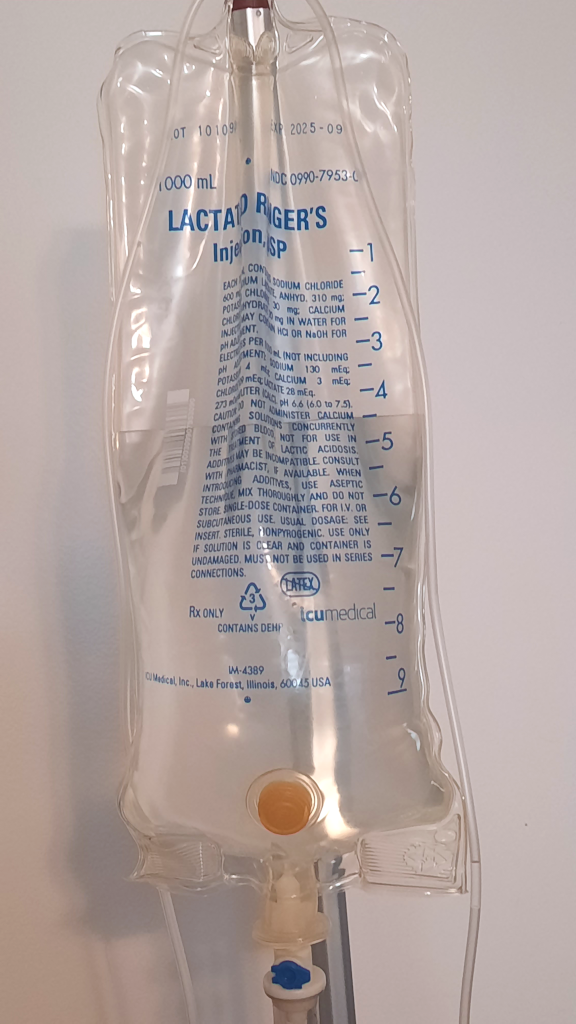
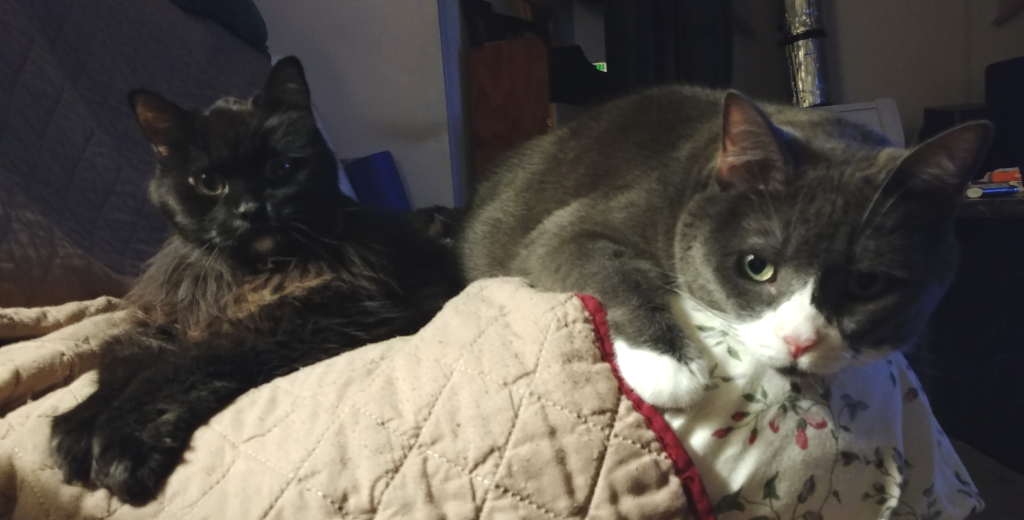 There may come a time when encouraging drinking is not enough by itself. That is not a failure. In later stages of chronic kidney disease, some cats cannot drink enough to maintain healthy hydration, and VCA notes that subcutaneous fluids may be used to support quality of life in those cases. Some dogs may also need veterinary fluid support depending on their condition.
Subcutaneous fluids can sound intimidating at first. Many pet parents hear the phrase and think, “There is no way I can do that.” But with veterinary instruction, some families learn to give fluids at home, while others have them done at the clinic. The right choice depends on the pet, the disease stage, the caregiver, and the vet’s plan.
It is also important not to give fluids without guidance. Kidney patients can have complicated fluid needs, and too much fluid or the wrong approach can be dangerous. This is one of those areas where home care and veterinary care need to work together closely.
Tracking can help you see patterns before they become emergencies. Notice how often you refill bowls, whether urine clumps are changing in the litter box, whether your dog needs to go out more often, and whether appetite or energy shifts. For diabetic pets, water intake and urination can also overlap with blood glucose changes, so careful tracking becomes even more valuable. On BellenPaws, our free pet diabetes tracker and printable charts can help families organize glucose readings for vet visits, and that same habit of daily observation can be useful for any senior pet with a chronic condition.
A Loving Routine, Not a Battle
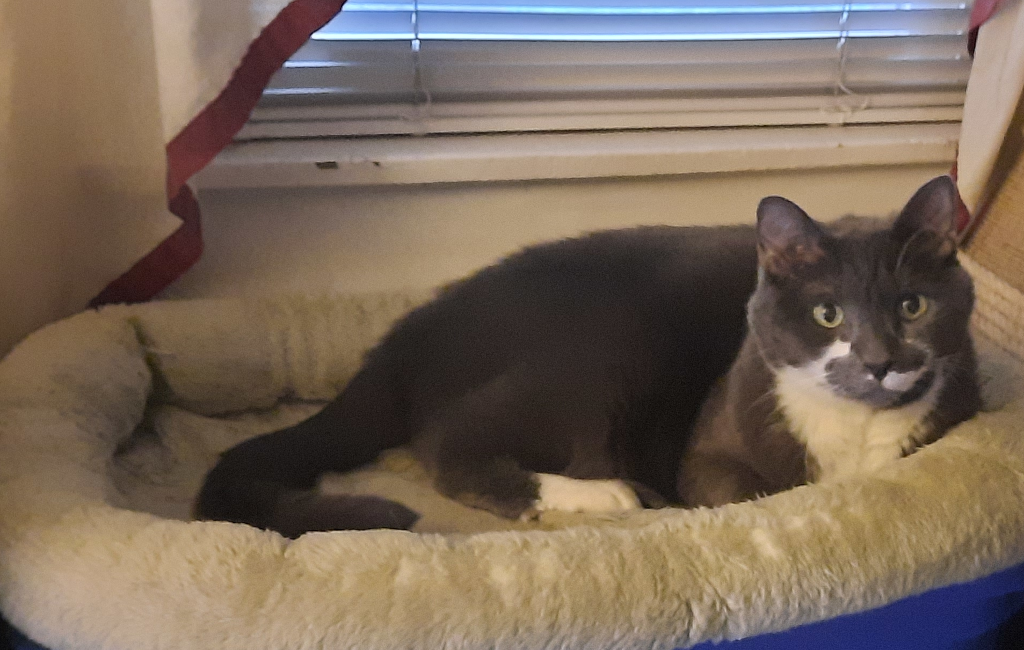 The emotional side of kidney disease is real. You want to help, but you cannot explain to your pet why drinking matters. You cannot sit them down and say, “Please, buddy, this bowl is part of keeping you comfortable.” So instead, you build a home that quietly encourages the right choice.
You refresh the bowl. You add another water station. You soften the food. You try the fountain. You call the vet when something feels off. You learn their preferences, even the weird ones. You celebrate the small wins.
Most of all, you avoid turning hydration into a fight. Pets with chronic illness already deal with enough changes: new foods, vet visits, medications, bloodwork, fluids, or extra monitoring. Water should feel safe and available, not pressured. If they reject one idea, try another. If they drink from the “wrong” cup, maybe that cup becomes theirs. If they prefer a bowl in the hallway at midnight, congratulations, you have discovered the official kidney-care water station.
Caring for a pet with kidney disease asks us to become more attentive, more patient, and more creative. It asks us to notice the ordinary things with extraordinary care. A clean bowl of water may not look heroic, but in the life of a senior pet, it can be a daily act of love. And sometimes, that is what senior pet care really is: doing the small things faithfully, over and over, because they still matter.