
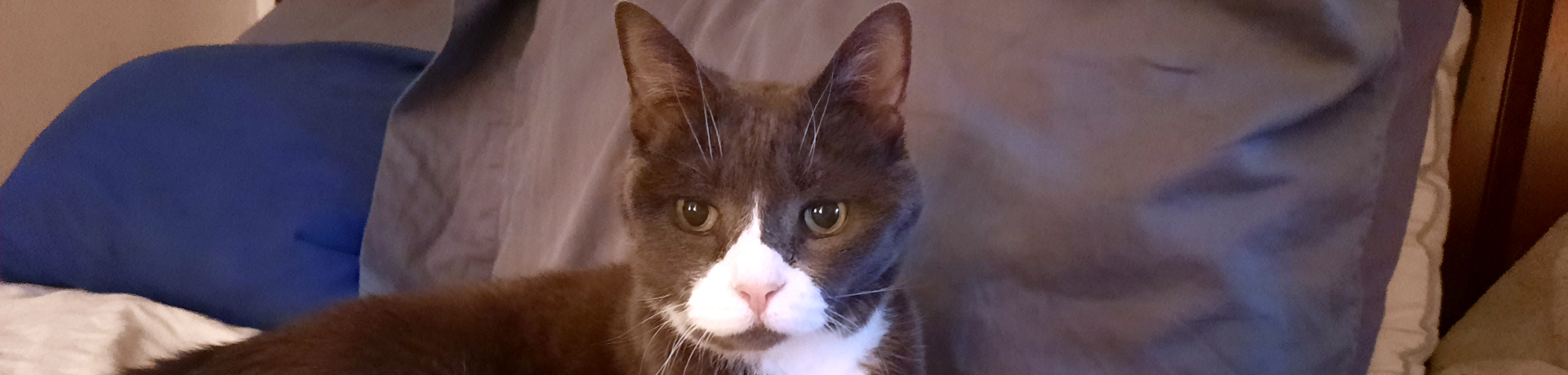
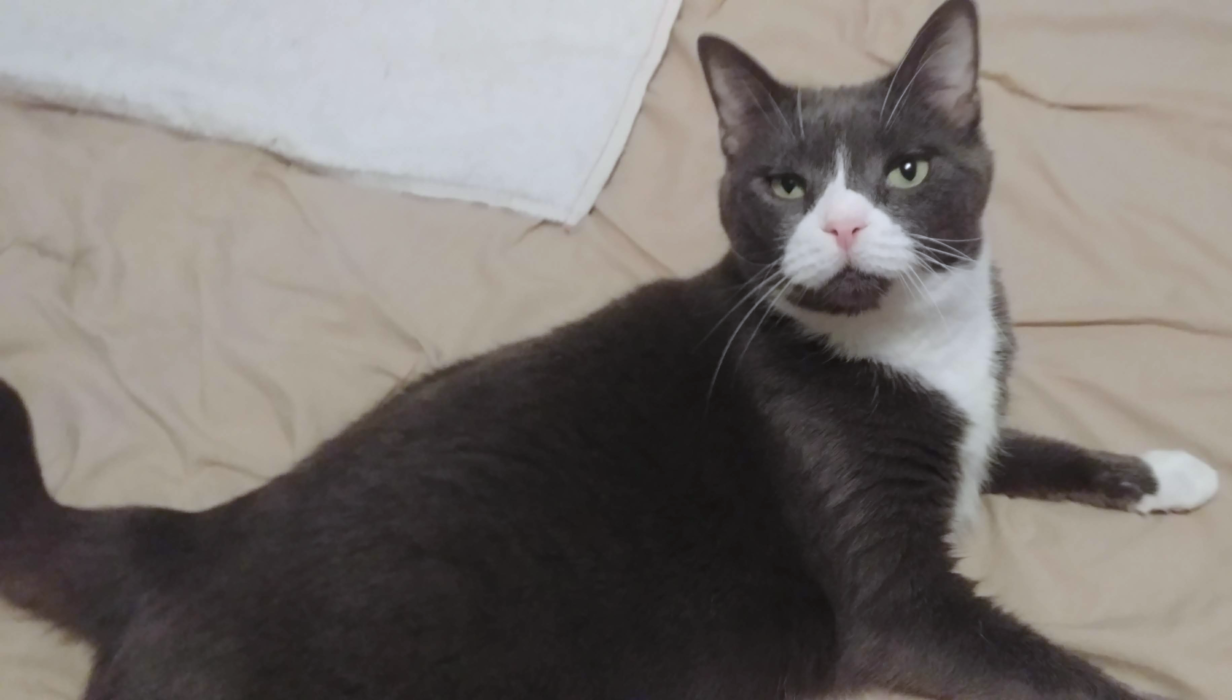
Cats are famous for grooming. It is one of the things we expect from them, like stretching in a sunbeam, pretending the food bowl is empty when it clearly is not, or choosing the one clean shirt you left on the bed as the perfect nap spot. Dogs groom too, although usually in a less elegant and far less private way. A little licking, nibbling, paw cleaning, or coat maintenance is normal for many pets.
But there is a point where grooming stops being simple self-care and starts becoming a message. Sometimes that message is, “I am itchy.” Sometimes it is, “Something hurts.” Sometimes it is, “I am stressed and trying to comfort myself.” And sometimes, especially with senior pets, it can be one of the first subtle signs that something in the body or the home routine has changed.
As pet parents, we know our animals best because we see the little details. We know who always washes after dinner, who has a favorite paw, who licks when nervous, and who gets a little dramatic after a flea treatment or bath. The tricky part is knowing when grooming is still within the range of normal and when it has crossed into over-grooming.
This is not about panicking over every lick or scratch. It is about learning to notice patterns, especially when we are caring for older cats, senior dogs, diabetic pets, or animals with other health issues. Over-grooming is often not “bad behavior.” More often, it is a clue.
Normal Grooming Has a Rhythm
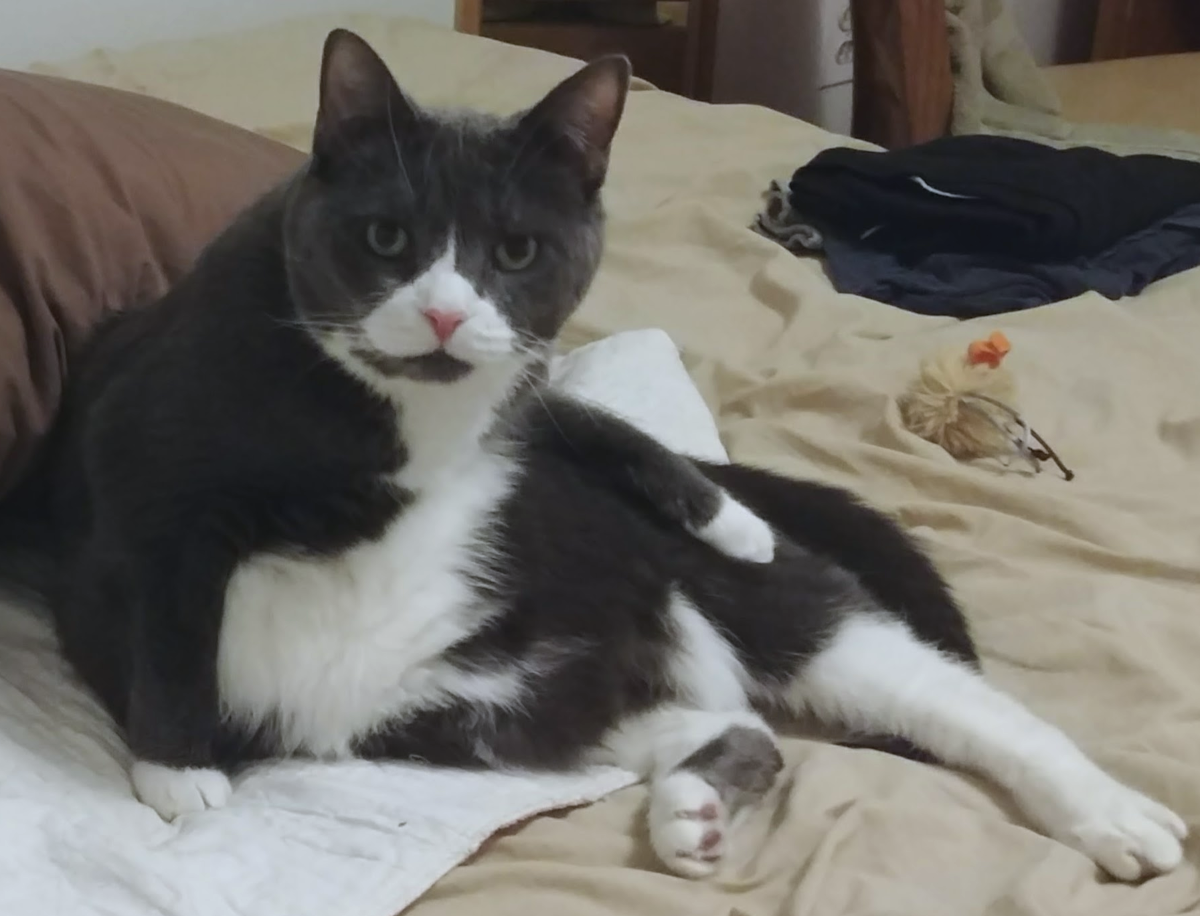 Normal grooming usually fits into your pet’s daily rhythm. A cat may groom after eating, after using the litter box, after being touched, or before settling in for a nap. Many cats also groom as part of their emotional reset, almost like they are smoothing themselves back into order after a moment of excitement or stress. Dogs may lick their paws after being outside, nibble at a spot where dirt or grass is stuck, or clean themselves briefly before resting.
The key word is briefly. Normal grooming tends to happen in sessions, then stop. Your pet moves on. They sleep, play, eat, patrol the window, ask for attention, or go about their regular business. The coat usually looks healthy, the skin is calm, and the grooming does not seem frantic or impossible to interrupt.
With cats, grooming can take up a surprising amount of the day, so the amount alone is not always the whole story. Some cats are meticulous, and some are little fuzzy disasters who look like they woke up late for a meeting. The question is not whether your pet grooms, but whether the grooming has changed.
That change matters. A pet who suddenly starts licking one area again and again may be responding to pain or irritation. A pet who gradually develops thinning fur on the belly, legs, tail base, or sides may be dealing with itchiness, anxiety, allergies, parasites, or another health condition. A pet who used to groom normally but now cannot keep up may also need attention, especially if age, arthritis, weight, dental pain, or illness is making grooming difficult.
At BellenPaws, we often talk about senior pets because so many changes arrive quietly. Belle, one of the founding cats behind our site, lived with several senior health challenges, including hyperthyroidism, kidney disease, and high blood pressure. She also had psychogenic alopecia, which is a stress-related over-grooming condition, but in her case she did not lose her fur the way many people expect. That taught us something important: not every grooming issue looks obvious at first glance. Sometimes you have to watch the behavior, not just the coat.
When Grooming Becomes Too Much
 Over-grooming often starts as something small. Maybe your cat is licking her belly more than usual. Maybe your dog keeps chewing one paw after every walk. Maybe there is a patch of shorter fur on the inside of a leg, or you find more hairballs than normal. At first, it can be easy to explain away. Pets are quirky. Seasons change. Maybe they are bored. Maybe it is nothing.
And yes, sometimes it is nothing serious. But over-grooming is worth paying attention to because pets tend to repeat behaviors that bring relief. If the skin itches, licking may soothe it temporarily. If a joint hurts, licking near that area may become a habit. If a pet is anxious, grooming may become self-comforting. The problem is that the more they lick, chew, or scratch, the more irritated the skin can become, and then the cycle feeds itself.
A big warning sign is hair loss or thinning fur, especially if the skin underneath looks red, flaky, scabby, darkened, damp, or sore. Another sign is grooming that seems urgent or intense, as if your pet cannot leave the area alone. You may also notice broken hairs instead of full baldness, which can happen when the pet is barbering the fur with the tongue or teeth. Cats are especially good at making this look neat, so a patch may look smoothly trimmed rather than ragged.
Location can offer hints, although it does not give a diagnosis. Licking at the tail base may make people think of fleas or skin irritation. Belly and inner-leg grooming in cats can sometimes be linked to stress, allergies, bladder discomfort, or other internal discomfort. Paw chewing in dogs can point toward allergies, irritation from the ground, yeast, injury, or even habit. Licking near a joint can sometimes happen when arthritis or pain is involved.
This is where senior pets deserve extra patience. An older pet may not show pain in obvious ways. They may not cry, limp dramatically, or refuse food right away. Instead, they might lick one hip, avoid a favorite jump, sleep more, or become irritable when touched. Grooming changes can be one of the quieter signs that something needs a closer look.
Common Reasons Pets Over-Groom
 The most common causes usually fall into a few broad categories: skin irritation, discomfort, stress, parasites, allergies, and underlying health changes. Fleas are always worth considering, even for indoor pets, because a single flea bite can cause a big reaction in sensitive animals. Dry skin, food sensitivities, environmental allergies, cleaning products, new litter, shampoos, grass, pollen, and household changes can all play a role too.
Pain is another possibility that pet parents sometimes overlook. A dog licking one wrist or a cat focusing on a hip may not be “just grooming.” They may be trying to soothe an area that aches. Senior pets with arthritis may lick near joints. Pets with dental discomfort may paw at the face or drool more. Cats with urinary discomfort may lick the belly or genital area. None of these signs prove a specific problem, but they do deserve attention.
Stress can also cause grooming to increase. Cats especially may groom as a coping behavior when their world feels unsettled. A new pet, a move, a change in schedule, loud renovations, conflict with another animal, loss of a companion, or even a new outdoor cat hanging around the windows can trigger stress. Dogs can also lick or chew from anxiety, boredom, or frustration.
For diabetic pets, grooming changes should be taken seriously because skin health, infections, hydration, energy levels, and comfort can all be affected by overall regulation. That does not mean every lick is diabetes-related, but it does mean patterns are worth tracking. When we cared for Zippy through feline diabetes and worked toward tight regulation, we learned how valuable daily observation can be. The little notes matter. Appetite, water intake, litter box habits, mood, coat condition, and grooming behavior all become part of the larger story.
That is one reason BellenPaws offers a free online pet diabetes tracker with printable charts and tables for vet visits. Even if the issue starts with something as simple as licking or coat changes, having organized notes can make the conversation with your vet much easier. Patterns that feel fuzzy in memory often become clearer when written down.
What You Can Safely Do at Home
 The first step is gentle observation. Try to notice when the grooming happens, where your pet focuses, how long it lasts, and whether anything seems to trigger it. Does it happen after meals, after insulin, after going outside, after using the litter box, after another pet approaches, or when the house gets loud? Does your pet stop when distracted, or do they go right back to the same spot?
It can help to part the fur and look at the skin if your pet allows it. You are not trying to perform a full exam, just checking for redness, sores, swelling, scabs, fleas, flea dirt, mats, moisture, odor, or tenderness. Be careful with painful areas. A sweet pet may snap or scratch if something hurts.
Avoid putting random creams, essential oils, human medications, or home remedies on the skin unless your vet specifically approves them. Pets lick, and many substances that seem harmless to us can be risky for cats and dogs. Essential oils in particular can be dangerous, especially for cats. Even over-the-counter products can be a problem if the cause is unknown or if the product is not meant for that species.
If the grooming seems mild and there are no sores, you can reduce possible irritants while you gather information. Wash bedding with a gentle, fragrance-free detergent, keep flea prevention current with vet-approved products, reduce household stress where possible, and provide safe enrichment. For cats, that might mean more predictable routines, vertical spaces, quiet resting spots, or play sessions that mimic hunting. For dogs, it may mean more sniff walks, puzzle feeders, gentle brushing, and keeping paws clean after outdoor time.
The goal is not to scold the grooming away. Scolding can increase stress and make the behavior worse. Instead, think like a detective. Your pet is giving you a clue, and your job is to collect enough information to help them.
When It Is Time to Call the Vet
 A vet visit is a good idea if there is hair loss, broken skin, sores, swelling, odor, bleeding, discharge, limping, sudden behavior change, or grooming that seems intense and repetitive. It is also important to call promptly if your cat is licking around the urinary area and making frequent litter box trips, straining, crying, or producing little to no urine. Urinary issues can become urgent, especially in male cats.
For senior pets, I would rather ask early than wait too long. Older animals can have overlapping issues, and grooming changes may be connected to pain, thyroid disease, kidney disease, blood pressure changes, allergies, infection, anxiety, or other concerns. The vet may suggest checking the skin, looking for parasites, discussing allergies, reviewing medications, evaluating pain, or running tests if the bigger picture points that way.
Bring notes if you can. Write down when it started, what area is affected, whether the skin changed, what food and medications your pet receives, any flea prevention used, and whether anything in the home changed recently. Photos can help too, especially if the area looks different from day to day.
If your pet has diabetes, bring glucose records if you have them. Printable glucose curve forms or tracker charts can help your vet see whether grooming changes are happening alongside shifts in appetite, thirst, weight, or blood sugar patterns. The more complete the picture, the easier it is to make good decisions together.
Most of all, remember that over-grooming is not a failure on your part. It can happen in the most loved, closely watched pets. Our animals cannot sit us down and say, “My skin is itchy,” or “My hip aches,” or “I am anxious when the house gets loud.” Instead, they show us in the ways they can.
Normal grooming is part of a pet’s comfort and identity. Over-grooming is often a request for help. When we answer that request with patience, observation, and proper veterinary support, we give our pets exactly what they need most: a calm human who is paying attention. And sometimes, that is where better care begins.