
A senior dog or cat who suddenly begins leaving food behind can turn an ordinary feeding routine into a daily puzzle. One day the bowl is cleaned, the next day half the meal remains untouched, and soon you may find yourself opening several cans, warming plates, adding little extras, and watching every bite as if it were a medical test. Sometimes a small change in aroma or texture is enough to help an older pet eat. Other times, a fading appetite is the first visible sign that something needs veterinary attention.
Appetite changes deserve more respect in senior pets because aging animals are more likely to live with dental disease, kidney problems, gastrointestinal disorders, pain, endocrine disease, medication side effects, and other conditions that can affect eating. Loss of appetite is not a diagnosis by itself, and it should not automatically be written off as normal aging. Cornell notes that feline anorexia can accompany conditions including kidney disease, diabetes, pancreatitis, hyperthyroidism, dental pain, and other illnesses, while Merck Veterinary Manual lists loss of appetite among the common signs seen with many digestive disorders in dogs.
The practical goal at home is twofold. We want to make food easier and more appealing to eat, while also paying attention to whether the appetite change is becoming a medical problem rather than a feeding problem.
Start With Aroma Before Changing the Entire Diet
Smell plays a large part in whether food seems appealing, especially for cats. Veterinary feeding guidance notes that warming food can increase its aroma, and some cats will eat warmed food more readily than the same meal served cold. That makes warming one of the simplest things to try before reaching for a completely different food.
For canned or refrigerated food, I prefer gentle warming rather than making the meal hot. A few seconds in the microwave may be enough, followed by thorough stirring and a finger check for hot spots. Adding a spoonful of warm water can accomplish something similar while also softening the texture and increasing moisture. The target is comfortably warm and aromatic, not steaming.
This small change can also be useful for pets who have become hesitant around cold food straight from the refrigerator. A meal that smells stronger may catch their attention sooner, and softer food may be easier for an older animal with dental sensitivity or reduced chewing comfort. If chewing seems painful, food falls from the mouth, the pet approaches the bowl and then backs away, or there is drooling, bad breath, pawing at the mouth, or obvious difficulty swallowing, the answer should not be an endless search for softer toppers. Those observations are worth bringing to the veterinarian.
Bone Broth Can Add Aroma and Moisture, but Keep It Plain
 A small amount of broth can make an otherwise familiar meal smell more interesting and add moisture without completely changing its texture. This can be especially handy for pets who lick gravy from wet food but leave the solids behind, or dogs who seem interested in a meal only after something fragrant has been mixed through it.
The word “broth” needs some caution, though. Many broths made for people contain onion, garlic, chives, heavy seasoning, or a large amount of salt. Onion and garlic can damage red blood cells in dogs and cats, and the ASPCA lists both as foods that should be avoided. A broth used for a pet should therefore be plain, unseasoned, and free of onion, garlic, and similar ingredients.
Homemade broth can be useful if you control what goes into the pot. Strain it well, remove bones completely, and use only the liquid and appropriate cooked ingredients you intend to serve. Bones themselves should not become part of the meal, since swallowed bones can cause injuries or gastrointestinal obstruction.
Broth is best treated as a flavor and moisture helper, not as nutritionally complete food. If a senior pet has kidney disease, heart disease, pancreatitis, food allergies, diabetes, or another condition that comes with dietary restrictions, ask the veterinary team whether a particular broth fits that plan. Even ingredients that look harmless on a kitchen counter can alter sodium, fat, phosphorus, carbohydrate, or calorie intake enough to matter in a medically managed animal.
Rotate Toppers Without Training the Pet to Hold Out for Something Better
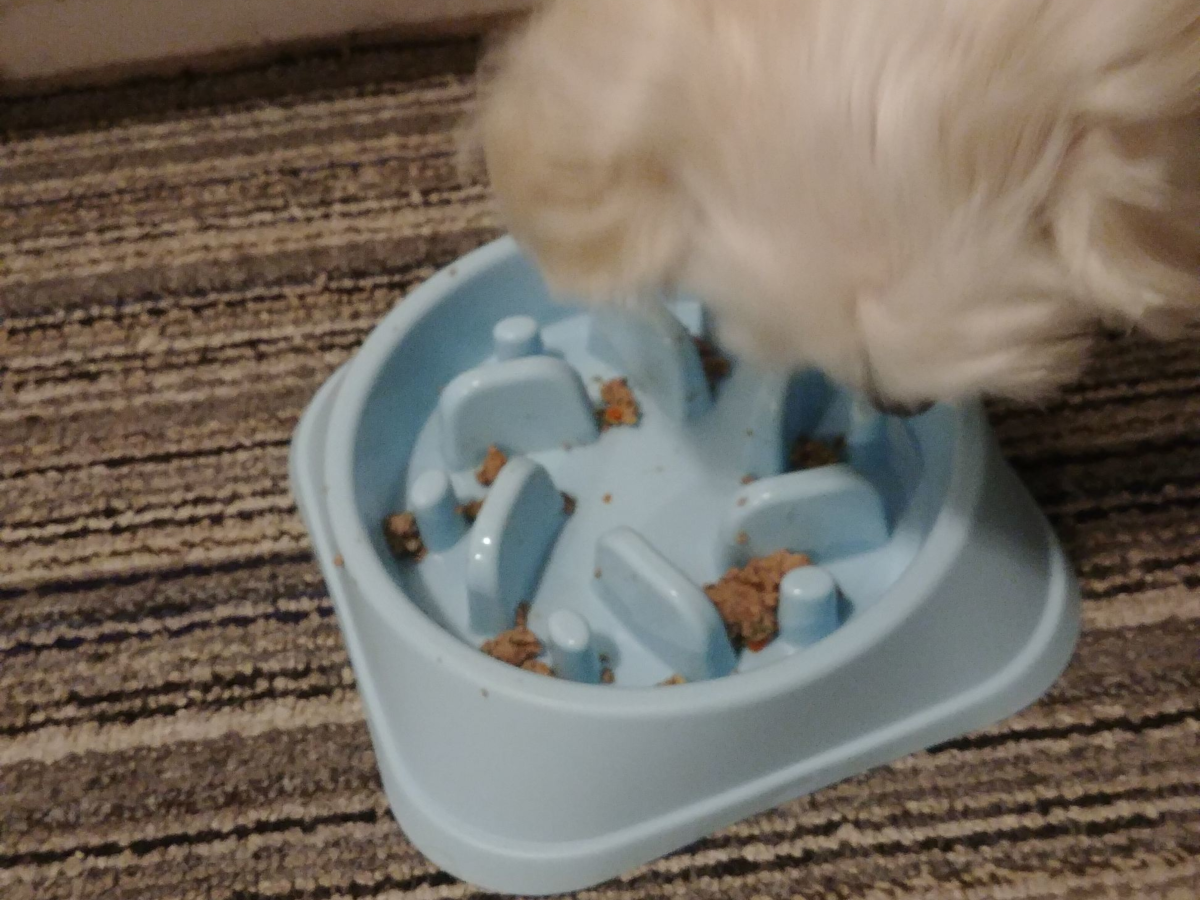 Toppers can rescue a stubborn meal, but they can also become an escalating negotiation. A dog learns that ignoring dinner produces chicken. A cat learns that walking away produces tuna. Soon the original food is treated like an opening offer rather than the meal.
We have had better luck thinking of toppers as small scent and flavor accents rather than replacement meals. A teaspoon of a familiar canned food, a little warm pet-safe broth, a small amount of plain cooked meat that the veterinarian has approved, or a splash of water from tuna packed in water may be enough to change the smell of the entire bowl. The amount needed to create interest is often much smaller than the amount needed to cover the food.
Rotation can still be useful. Using two or three approved options may prevent one topper from becoming the only acceptable way to eat, and Cornell notes that offering cats some variety in foods may help reduce an exclusive preference for a single option. The trick is keeping the rotation controlled. If every refusal produces a richer, smellier, more exciting reward, some pets become increasingly selective.
Toppers also count nutritionally. They add calories and can dilute the nutrient balance of a complete diet if they become a large share of the meal. This matters even more with prescription diets, where the food may be designed around a specific medical goal. If the senior pet is on a renal, gastrointestinal, diabetic, urinary, allergy, weight-control, or other therapeutic diet, the safest topper list is one created with the veterinarian rather than one assembled by trial and error.
Use Scent Enhancers That Complement the Food
A scent enhancer does not have to be a separate ingredient. Sometimes changing the food itself is enough. Mashing wet food with warm water releases more aroma. Breaking a soft food into smaller pieces exposes more surface area. Mixing a small spoonful of the pet’s favorite approved canned variety through the regular meal can spread its smell without replacing the nutritional base.
Cats in particular may respond strongly to food odor, temperature, texture, and familiarity. That means a senior cat who refuses one pâté may accept a similar food with a different texture, while another may reject anything unfamiliar. There is no single scent enhancer that works for every reluctant eater, so the useful information is the pattern you observe.
Strong-smelling human foods should not be treated as automatically safe simply because they attract attention. Fatty meat drippings, heavily salted foods, seasoned gravy, deli meats, and sauces can create new problems, especially in older animals with chronic disease. Plain and simple usually gives us more control over what the pet is actually consuming.
Make the Eating Setup Easier on an Older Body
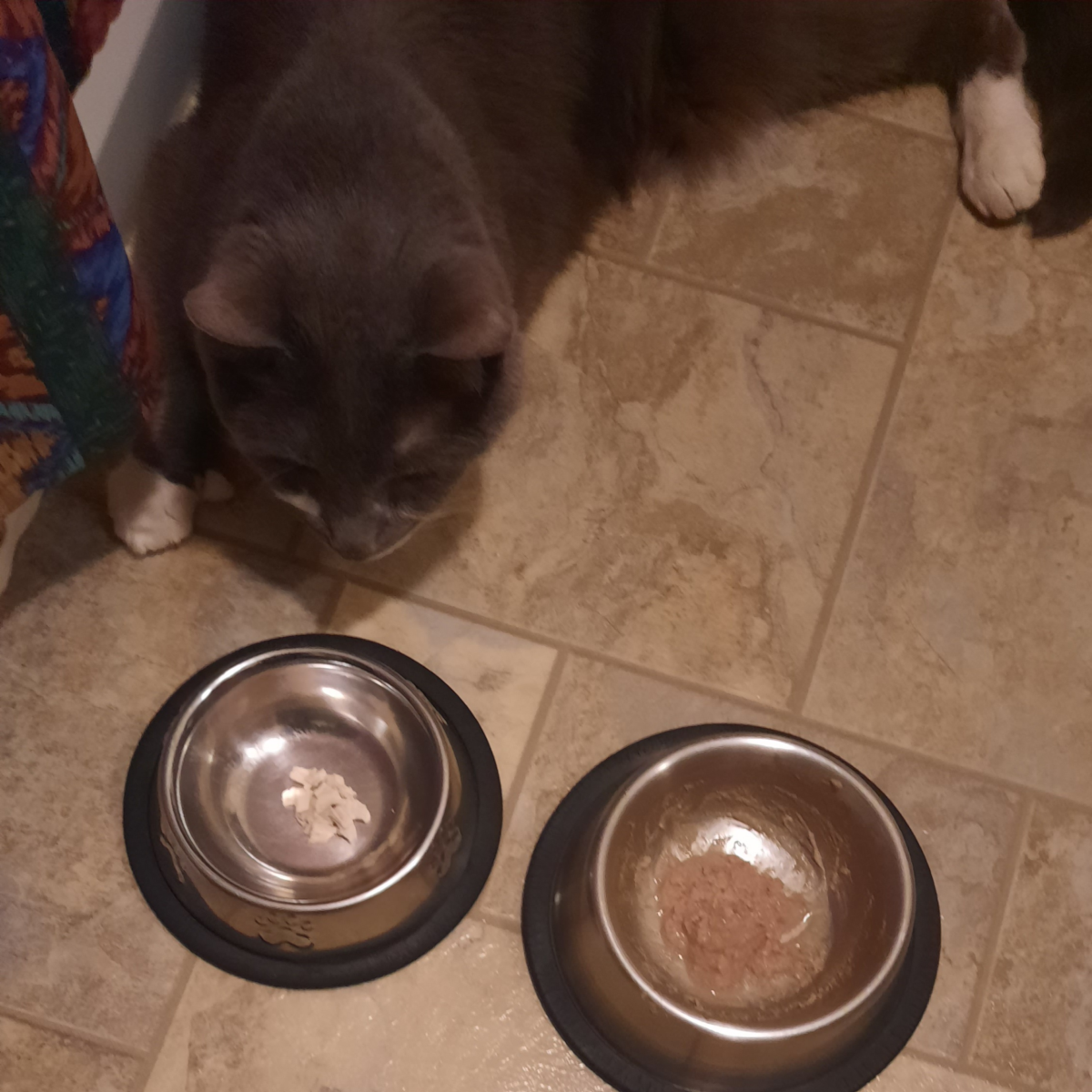 The food itself is only part of the meal. Senior pets may eat less because getting into position is uncomfortable, another animal crowds the bowl, the feeding area is noisy, or the bowl sits somewhere they no longer like reaching. Cornell advises that traffic, noise, nearby animals, dirty dishes, and even proximity to a litter box can discourage a cat from eating.
For an older dog or cat, I like to look at the entire feeding station. A nonslip mat can keep the bowl from sliding. A wide, shallow dish may be more comfortable for some cats. A dog with mobility problems may do better when the bowl is placed where standing does not require twisting or balancing on a slick floor. Some pets eat better in a quiet room away from competitors, while others want their person nearby.
Smaller meals can also feel more manageable than one large serving. Offering several modest portions gives you more chances to present fresh-smelling food and makes it easier to see what was actually eaten. If food is left out for long periods, especially wet food, follow safe storage and handling practices rather than repeatedly reheating the same portion.
Senior Pets With Diabetes Need Extra Attention When Appetite Changes
Appetite is part of diabetes monitoring, not just a feeding preference. Cornell recommends tracking appetite along with weight, water intake, urine production, and treatment information in diabetic cats. For a pet receiving insulin, a significant change in food intake can affect the usual treatment routine, so this is not a situation where an owner should improvise an insulin adjustment from general online advice.
If a diabetic dog or cat refuses a meal or eats substantially less than expected, contact the veterinary team for instructions that are specific to that animal’s insulin, glucose readings, health history, and feeding plan. Merck Veterinary Manual likewise advises owners not to change insulin amount or timing without veterinary guidance. This is one of those situations where having an established plan before a bad-appetite morning occurs can save a lot of uncertainty.
For people already monitoring a diabetic pet at home, appetite belongs in the same record as glucose, insulin, water intake, and behavior. A note such as “ate about half breakfast after warming” is far more useful than “didn’t eat well,” especially when several days of records are compared. Patterns often become clearer when the details are written down.
Keep Track of What “Not Eating” Actually Means
A bowl that looks untouched can be misleading in a multi-pet household, and a pet who eats treats all day may still consume less balanced food than expected. Measuring portions gives you a better idea of actual intake. For wet food, even a rough estimate such as one-quarter, one-half, three-quarters, or all of the meal is more useful than relying on memory.
I would also record body weight when practical, along with vomiting, diarrhea, constipation, drinking changes, urination changes, coughing, drooling, swallowing difficulty, mobility, medication timing, and unusual behavior. The goal is not to turn the kitchen into a clinic. It is to give the veterinarian a clearer picture if the appetite problem continues.
Weight change can be especially revealing because gradual loss is easy to miss when we see an animal every day. Photographs, a home scale when appropriate, and periodic veterinary weights can help show whether a pet who seems merely “picky” is actually losing condition. Merck notes that older dogs and cats can differ widely in body condition and nutritional needs, so feeding plans may need to change as health and body composition change.
Know When Food Tricks Have Reached Their Limit
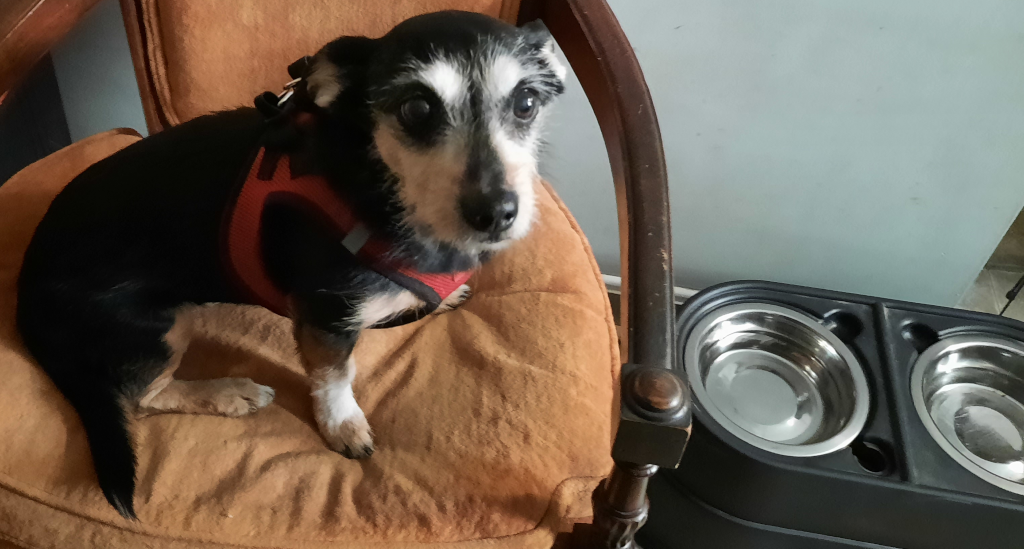 Coaxing is reasonable when an older pet is mildly reluctant but otherwise acting normally and the veterinary team has not identified a reason to avoid the foods being offered. Coaxing is not a substitute for medical evaluation when the appetite loss is persistent, severe, or accompanied by other signs of illness.
Cats deserve particular caution. Cornell advises that sustained anorexia can seriously affect an adult cat in as little as 24 hours, and prolonged food refusal can contribute to hepatic lipidosis, a potentially life-threatening accumulation of fat in the liver. A cat who has stopped eating should therefore be discussed with a veterinarian promptly rather than given several days to “get hungry enough.”
For dogs and cats, prompt veterinary attention is also warranted when poor appetite occurs with repeated vomiting, marked weakness, collapse, breathing difficulty, obvious pain, abdominal swelling, dehydration, trouble swallowing, yellowing of the skin or gums, or a major change in behavior. A senior pet with a known chronic illness deserves an even lower threshold for a call because the feeding change may affect both the disease and its treatment.
Sometimes the most helpful appetite strategy is wonderfully simple: warm the food, add a little safe aroma, quiet the room, and offer a smaller portion. When those small changes work, they can make daily care easier without turning every meal into a production. When they stop working, that change is information too, and it is often the point when the bowl has told us enough and the veterinarian needs to hear the rest of the story.