

An indoor cat may spend years following a familiar routine, sleeping in favorite locations, watching birds through the windows, and grooming at predictable times. Then something changes outside. Road construction begins nearby, a neighbor gets a barking dog, or unfamiliar equipment starts operating several times a day. Before long, the cat begins licking its belly more frequently, grooming its legs for extended periods, or interrupting other activities to clean itself.
The connection between these events may not be immediately apparent. Cats naturally spend considerable time grooming, and an increase in licking can be difficult to recognize until changes in the coat become noticeable. Unfamiliar outdoor sounds can create fear or anxiety that contributes to repetitive grooming, even when the cat never leaves the house. Understanding that possible relationship helps owners investigate environmental disturbances without overlooking medical conditions that produce similar behavior.
Why Outdoor Noises Can Affect Indoor Cats
Living indoors protects cats from many outdoor hazards, but it does not isolate them from everything happening beyond the walls. Sound travels through windows, doors, floors, and building structures. Activities that people barely notice can become significant disturbances for an animal accustomed to a relatively predictable environment.
Construction equipment, motorcycles, garbage trucks, barking dogs, thunderstorms, and unexpected mechanical sounds can all provoke fearful responses. Some cats are particularly unsettled by noises that begin suddenly, occur at irregular intervals, or continue without an obvious source. Heavy machinery may also produce vibrations that are noticeable inside the home, adding another unfamiliar sensation to the disturbance.
The Merck Veterinary Manual’s guidance on feline behavior problems identifies unfamiliar noises, including construction, thunder, and fireworks, as potential triggers for fear in cats. Responses can include hiding, withdrawal, altered body posture, and displacement grooming. The intensity of these reactions varies, and some cats display relatively subtle signs of discomfort rather than obvious panic.
Predictability can influence how an animal responds to repeated disturbances. A delivery truck that arrives at approximately the same time every morning may eventually become a familiar part of the household’s activity. Random loud noises can be harder to anticipate, particularly when they interrupt rest or occur near a preferred sleeping location. A cat that repeatedly abandons its favorite window or retreats beneath furniture when outdoor activity begins may be responding to something its owner has learned to ignore.
How Stress Can Lead to Excessive Grooming
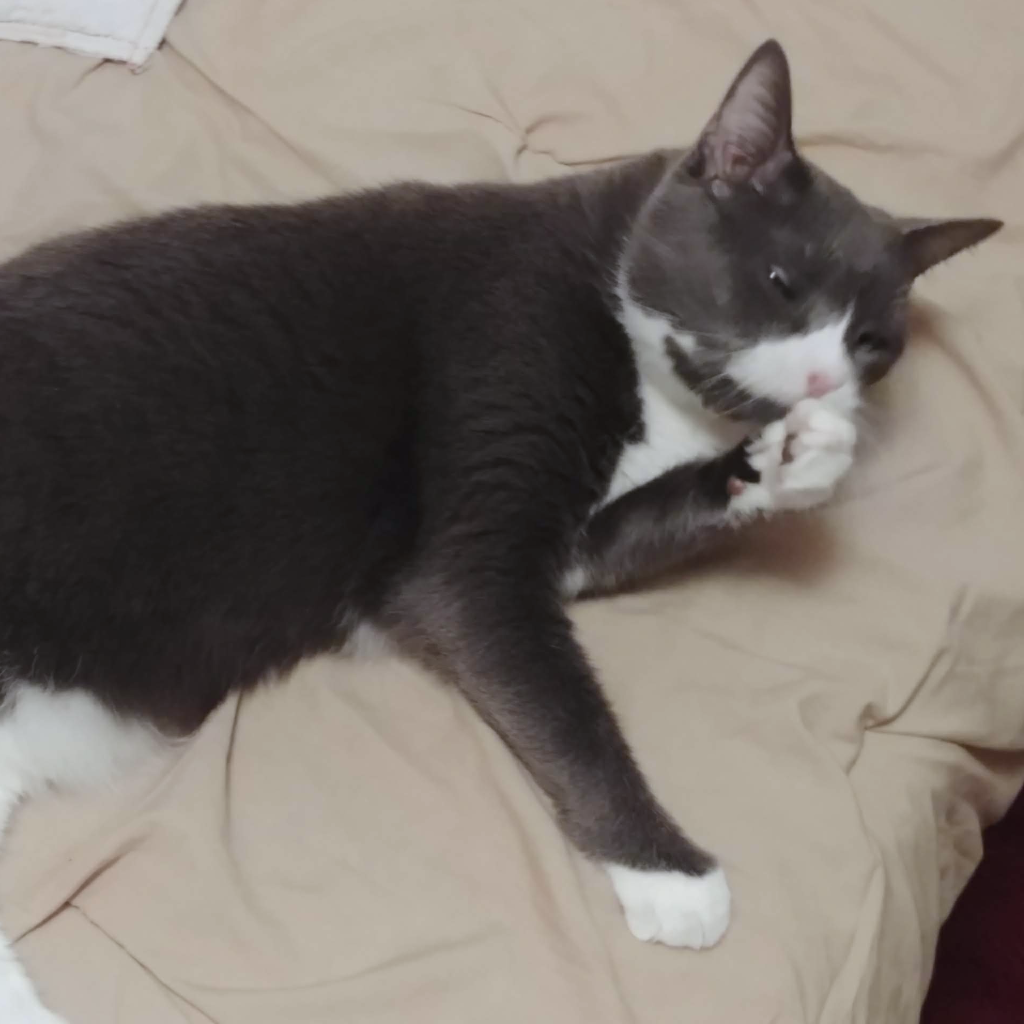 Grooming serves several normal purposes in cats, including cleaning the coat, removing loose hair, and maintaining its condition. It can also occur during moments of uncertainty or emotional conflict. A cat startled by an unexpected sound may suddenly begin licking its shoulder or foreleg, even though there is no apparent need to clean that area.
Veterinary behavior specialists describe this activity as displacement grooming. It occurs when an animal performs an otherwise normal behavior in a situation involving heightened arousal or conflicting motivations. A brief grooming episode after an unexpected noise does not necessarily indicate a behavioral disorder, especially if the cat quickly returns to its ordinary activities.
More concerning patterns involve grooming that becomes unusually frequent, prolonged, or repetitive. Some cats repeatedly return to the same areas of their bodies, while others begin grooming during periods previously spent resting or playing. In certain cases, behavior associated with anxiety or conflict may become established enough to continue even when the original disturbance is no longer present.
The Cornell Feline Health Center’s discussion of excessive licking explains that grooming associated with psychological stress can sometimes become habitual. Repetitive licking may persist after the original problem has been identified or resolved. This possibility helps explain why reducing environmental disturbances may not immediately eliminate an established grooming pattern.
However, veterinary research does not establish that ordinary outdoor noise exposure routinely causes compulsive grooming disorders. Noise-related fear and displacement grooming are recognized feline behaviors, but persistent excessive licking has several possible explanations. Determining whether sound exposure contributes to an individual cat’s grooming requires considering the circumstances alongside its physical health.
Recognizing Over-Grooming Before Hair Loss Appears
Excessive grooming is frequently associated with bald patches, but visible hair loss is not required for a cat to be grooming more than usual. Some cats develop shortened or uneven fur because repeated licking damages the hair shafts. Others may show an increase in grooming frequency before any obvious changes appear in the coat.
The abdomen, inner thighs, flanks, legs, and areas near the base of the tail are among the locations where excessive licking may become noticeable. These areas can be affected by several medical and behavioral conditions, so their location alone cannot determine the cause. Cats may also perform much of their grooming when household members are absent, leaving owners unaware of how frequently it occurs.
Changes in the circumstances surrounding grooming can be revealing. A cat that normally rests after breakfast might begin licking repeatedly when construction starts outside. Another may abandon a play session whenever a nearby dog barks, retreat beneath furniture, and begin grooming after the noise ends. Repeated observations of this kind suggest a possible environmental association worth investigating.
Additional behavioral changes can provide useful context. Increased hiding, reduced interest in play, unusual vigilance, altered sleeping locations, or changes in appetite may accompany fear or stress. These signs are not exclusive to anxiety, however, and their significance depends on the cat’s usual behavior, health, and the circumstances in which they develop.
Why Medical Causes Must Be Investigated
 One of the difficulties in evaluating excessive grooming is that behavioral and medical causes can produce similar outward signs. Cats may lick excessively because of flea allergy dermatitis, environmental allergies, adverse food reactions, skin infections, parasites, or pain. Some conditions cause substantial itching without producing obvious redness or visible skin damage.
The distinction becomes especially relevant when an owner has identified a convincing environmental explanation. Hearing nearby construction begin shortly before a cat starts grooming excessively may suggest a connection, but the timing does not establish causation. An environmental disturbance and a medical problem can also occur simultaneously, making the behavior more difficult to interpret.
A 2006 veterinary study examining 21 cats initially suspected of having psychogenic alopecia illustrates why medical investigation matters. Psychogenic alopecia describes excessive grooming and associated hair loss attributed to psychological or behavioral causes. Investigators identified medical causes of itching in 16 of the 21 cats, while only two were classified as having purely psychogenic alopecia. Three additional cats had evidence of both medical and behavioral contributions.
The study involved a small group of referred cats, so its findings cannot be used to estimate how frequently stress causes excessive grooming in the general feline population. Nevertheless, it demonstrates that a presumed behavioral explanation can conceal an underlying physical problem. The appropriate diagnosis depends on examining the animal and investigating relevant medical possibilities.
A veterinarian may evaluate the skin and coat, review parasite prevention, assess painful areas, and recommend additional testing based on the findings. The Merck Veterinary Manual’s review of feline atopic skin syndrome explains that allergic skin disease can cause self-induced hair loss, sometimes without obvious inflammation beneath the affected fur. Flea allergies and other skin disorders must also be considered when evaluating excessive licking.
Older cats require particular attention because physical discomfort may affect behavior without producing dramatic symptoms. Arthritis and other painful conditions can alter movement, resting habits, and responses to environmental disturbances. A senior cat that suddenly develops a new grooming pattern deserves an assessment of possible discomfort rather than having the behavior attributed automatically to stress or aging.
Creating a Quieter and More Predictable Home
Reducing exposure to disturbing sounds is a reasonable way to help a noise-sensitive cat feel more comfortable. Completely eliminating outdoor noise may be impossible, especially near busy roads or construction sites. However, the household can often be arranged to provide areas where interruptions are less frequent or less intense.
Start by identifying where the noise is most noticeable and where the cat spends time when it occurs. A bedroom facing away from the street may offer a more comfortable resting location than a window overlooking construction. Closing windows, using curtains, and positioning familiar bedding farther from exterior walls may help reduce some disturbances, although ordinary household materials provide limited protection from low-frequency sounds and vibrations.
A quiet room becomes more useful when it contains familiar resources. Comfortable bedding, drinking water, a litter box, and suitable hiding locations allow the cat to remain there without repeatedly entering exposed areas. Food and water should be positioned away from the litter box, and the cat should retain access to other safe areas whenever practical.
The AAFP and ISFM Feline Environmental Needs Guidelines emphasize providing safe places, opportunities for normal feline activities, and appropriately distributed household resources. These recommendations are particularly relevant when an animal encounters disturbances it cannot control. A covered cat bed, familiar hiding box, or accessible elevated resting area may provide a useful refuge, depending on the cat’s preferences and physical abilities.
Some households use a fan or low-level background sound to make intermittent outside noises less noticeable. This may be worth trying if the cat appears comfortable with the additional sound, although it should not be assumed to reduce anxiety in every animal. Keep the volume moderate and observe whether the cat continues resting normally rather than introducing another unfamiliar stimulus that could worsen its discomfort.
Environmental adjustments should preserve familiar routines whenever possible. Moving every bed, scratching post, and feeding station at once can create additional changes for an already unsettled animal. Offering an alternative quiet location while leaving established resources available gives the cat more control over where it spends time.
Helping a Cat Cope Without Adding More Stress
 A predictable daily routine may help a cat experiencing repeated environmental disturbances. Regular feeding times, familiar interactions, accessible scratching surfaces, and opportunities for appropriate play provide consistency while conditions outside are changing. These activities support normal feline behavior, although they should not be presented as treatments that reliably eliminate compulsive grooming.
Interactive play can be useful for cats that remain interested in toys, particularly activities involving stalking and chasing movements. Short sessions adapted to the cat’s age and physical condition are often easier to accommodate than prolonged activity. A frightened cat should never be pulled from its hiding place or pressured to interact when it is attempting to retreat.
Owners sometimes try to interrupt excessive grooming by clapping, making sharp noises, spraying water, or physically stopping the animal. These methods may introduce additional fear or frustration, particularly when the grooming is already associated with distress. Addressing possible triggers and offering familiar activities during calmer periods is generally more appropriate than punishing the behavior.
Some noise-sensitive cats may benefit from structured behavior modification. Desensitization involves introducing a feared sound at an intensity low enough that the cat remains comfortable, while counterconditioning pairs that exposure with something enjoyable. The VCA Animal Hospitals guidance on feline fears and phobias describes these techniques as commonly used approaches to managing fear-related behavior.
Successful training requires careful control of the stimulus and close attention to the animal’s response. Playing frightening recordings too loudly or repeatedly exposing a cat to an unavoidable disturbance may worsen its fear. Construction noise can be particularly difficult to reproduce accurately because the real disturbance may also involve vibrations and unpredictable changes in intensity. Cats with substantial fear responses may benefit from a behavior plan developed with veterinary guidance rather than attempting uncontrolled exposure exercises at home.
How Noise-Related Licking May Differ in Dogs
Although excessive grooming associated with environmental stress is frequently discussed in cats, dogs can also develop repetitive licking behaviors. A dog frightened by construction, thunderstorms, or fireworks may become restless, seek shelter, or begin licking a particular body area. The behavior can occur during periods of heightened arousal, but the presence of a noise trigger does not establish that anxiety is responsible.
Some dogs develop acral lick dermatitis, a condition involving persistent licking that damages the skin, commonly affecting a lower leg. Physical causes such as allergies, infection, nerve-related discomfort, and orthopedic pain require consideration alongside behavioral factors. The MSD Veterinary Manual’s discussion of canine behavior problems explains that repetitive licking can occur with medical conditions and that compulsive disorders require other explanations to be excluded.
Older dogs may have additional reasons for focusing on particular joints or limbs, including discomfort associated with mobility problems. If repetitive licking develops alongside new noise sensitivity, the two changes should be considered together without assuming one explains the other. Environmental adjustments may improve comfort, but skin damage or persistent localized licking still requires investigation.
Keeping a Useful Record of Grooming and Outdoor Activity
A simple behavior record can help identify patterns when environmental disturbances occur intermittently. Owners may remember that a cat groomed heavily during construction but overlook similar episodes on quieter days. Recording both noisy and relatively calm periods provides a more useful comparison than documenting only the most noticeable incidents.
Useful information includes the approximate time grooming begins, how long an episode lasts, the areas being licked, and any outdoor activity occurring nearby. Changes in hiding, eating, sleeping, or play behavior may provide additional context. Brief videos can also help a veterinarian evaluate behavior that may not occur during an examination.
Photographs taken under similar lighting conditions can document changes in coat density or skin appearance over time. A consistent view of an affected area is often more useful than relying on memory, particularly when hair thinning develops gradually. A few concise observations are usually sufficient, and detailed recordkeeping should not become an unreasonable burden on the household.
Repeated patterns can help guide an investigation, although they cannot establish a diagnosis by themselves. Grooming that consistently increases during loud outdoor activity may support the possibility of an environmental contribution. Licking that continues regardless of sound exposure may suggest a more persistent problem, but it does not automatically exclude stress or establish a medical cause.
When Excessive Grooming Needs Further Attention
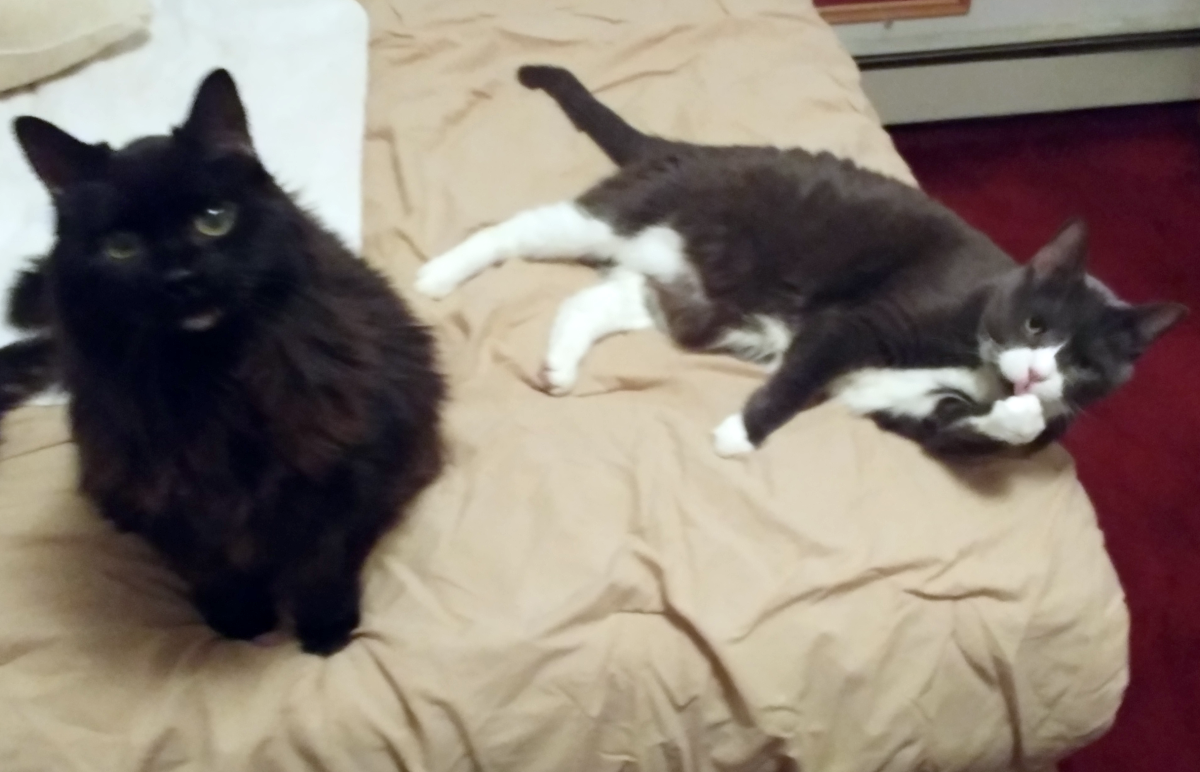 A brief grooming episode following an unexpected sound is generally less concerning than persistent licking that disrupts normal activities. Newly developed or progressively increasing grooming, repeated attention to one body area, and noticeable thinning of the coat warrant veterinary evaluation. Waiting for bald patches to develop is unnecessary when a clear change in behavior has already become apparent.
Skin that becomes raw, swollen, bleeding, or visibly infected needs prompt assessment. Reduced appetite, marked lethargy, apparent pain, or significant changes in drinking and urination should also be investigated rather than attributed to environmental stress. Severe systemic illness, breathing difficulty, collapse, or inability to urinate requires emergency veterinary attention regardless of whether unusual grooming has also been observed.
When medical causes have been evaluated but excessive grooming continues, a more detailed behavioral assessment may be appropriate. Veterinary behavior specialists can examine environmental triggers, established behavior patterns, and the animal’s response to changes in its surroundings. Medication is sometimes considered for significant anxiety or compulsive behavior, but treatment decisions depend on the animal’s health, diagnosis, and individual circumstances.
Cats with chronic illnesses may need additional consideration before behavioral medications or calming supplements are introduced. Kidney or liver disease and concurrent medications can affect the suitability of certain products. Even items marketed specifically for relaxation should not be assumed safe or effective for every animal, especially seniors receiving ongoing medical treatment.
Managing Outdoor Disturbances That Cannot Be Eliminated
Some environmental disturbances last for weeks or months, making temporary adjustments part of the household’s ongoing routine. Roadwork, building renovations, and changes in neighborhood activity may continue long after an animal first begins reacting to them. Establishing a comfortable environment during these periods can be more realistic than attempting to eliminate every unwanted sound.
A designated quiet room can remain available even after the cat appears more comfortable with outside activity. Keeping familiar bedding and resources in place allows the animal to retreat when unexpected noises occur without needing assistance. For older cats with limited mobility, that refuge should be easily accessible without difficult stairs or high jumps.
If construction or another disturbance follows a recognizable schedule, feeding, play, and rest periods can sometimes be arranged around quieter intervals. Building managers or nearby neighbors may also be able to provide advance notice of particularly noisy work, allowing owners to prepare the cat’s resting area beforehand. These arrangements will not prevent every unexpected disturbance, but they can make household routines easier to maintain during prolonged activity.
As conditions outside change, a cat’s preferred resting locations may change as well. A previously abandoned window may become appealing again, while the quiet room may remain a favorite place to sleep. Leaving these choices available allows the animal to move between familiar spaces according to its comfort. If excessive grooming persists after the disturbance has ended, continued evaluation is appropriate rather than assuming the behavior will disappear once the neighborhood becomes quiet again.