When the Clock Lives in Their Hearts: Why Pets Always Seem to Know the Time
Anyone who has lived with a pet long enough eventually experiences the same mysterious moment. You glance at the clock and realize it is almost dinner time.
The emotional wellness of pets.
Anyone who has lived with a pet long enough eventually experiences the same mysterious moment. You glance at the clock and realize it is almost dinner time.
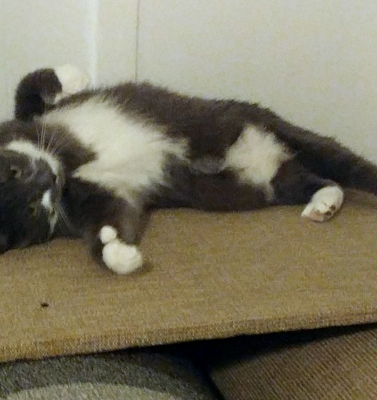
If you have ever lived with a cat long enough, you know there are moments that feel like a quiet reward. One of the biggest is the belly reveal.
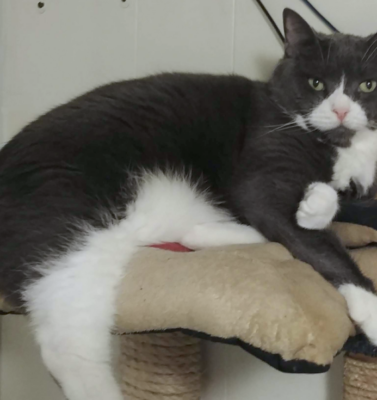
If you share your home with a senior cat, you have likely seen it happen. One moment they are curled up in their favorite bed, blinking slowly in the afternoon light.
There is something deeply comforting about growing old alongside a pet. The gray around their muzzle, the slower steps, the way they choose the same sunny spot every afternoon.
When most of us think about pain in pets, we picture something obvious. A loud yelp. A limp. A dramatic refusal to move. We expect pain to announce itself clearly and urgently. But senior pets rarely read that script.
There is something about a senior pet that softens the heart. The slower walk across the living room. The careful way they settle into their favorite bed. The extra pause before climbing the stairs.
When we talk about honoring a pet’s life, many people immediately think of memorials, paw prints in clay, framed photos, or a favorite collar placed gently in a memory box. Those things matter.
When dogs enter their senior years, we tend to look for the obvious changes. A little more gray around the muzzle. A slower walk up the stairs. Longer naps in the afternoon sun. These signs feel natural, even expected.
When pets are young, they seem almost unstoppable. They run toward life with energy and curiosity, and we spend our days trying to keep up. As they age, something shifts. Their pace slows
When a pet enters their senior years, food begins to matter in a different way. The bowl that once simply kept them full now plays a major role in how they feel each day.
If you share your home with a senior pet, you have likely felt it. That quiet awareness in the background. The understanding that time is no longer stretching out endlessly in front of you, but gently narrowing.
There is a quiet shift that can happen in an aging dog. It is not as obvious as a limp or as measurable as a blood glucose reading. It is more subtle. A look of confusion.