The Gentle Shift: Recognizing and Supporting Your Cat’s Journey to Senior Years
Remember that rambunctious kitten who scaled your curtains, pounced on your toes at dawn, and somehow managed to be everywhere at once?
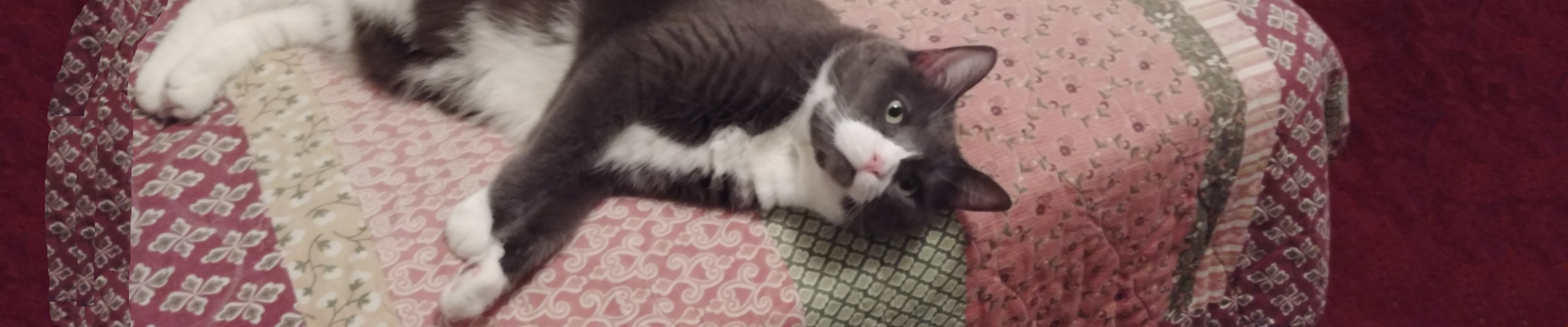
The emotional wellness of pets.
Remember that rambunctious kitten who scaled your curtains, pounced on your toes at dawn, and somehow managed to be everywhere at once?
The golden years of our canine companions bring special joys and challenges. That once-energetic puppy who chased tennis balls for hours now prefers longer naps in sunbeams, and the dog who easily bounded up stairs might now take them more cautiously.
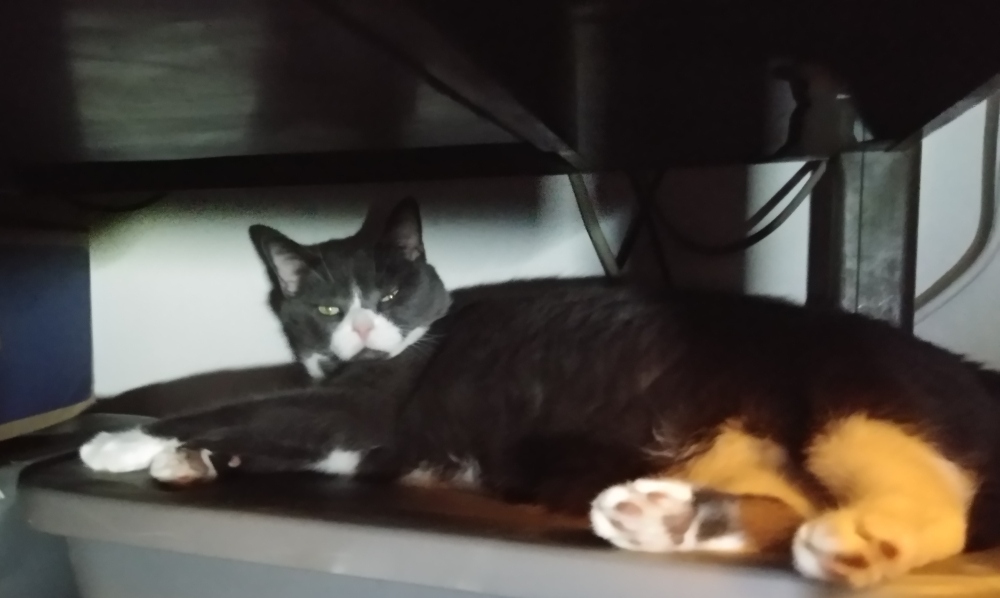
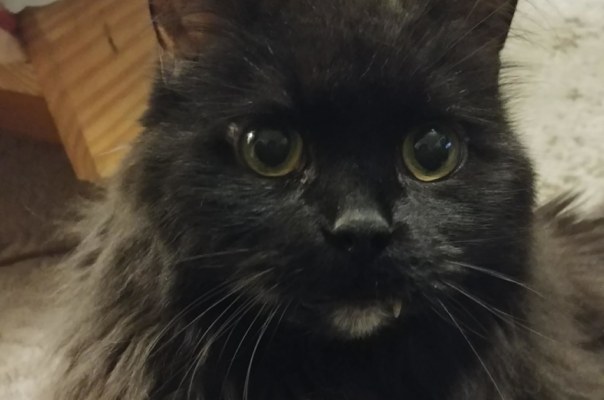
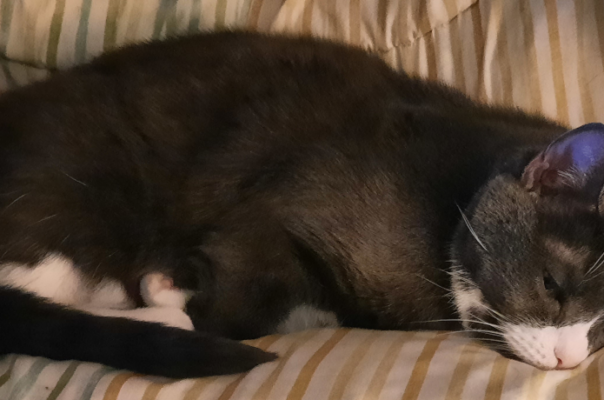
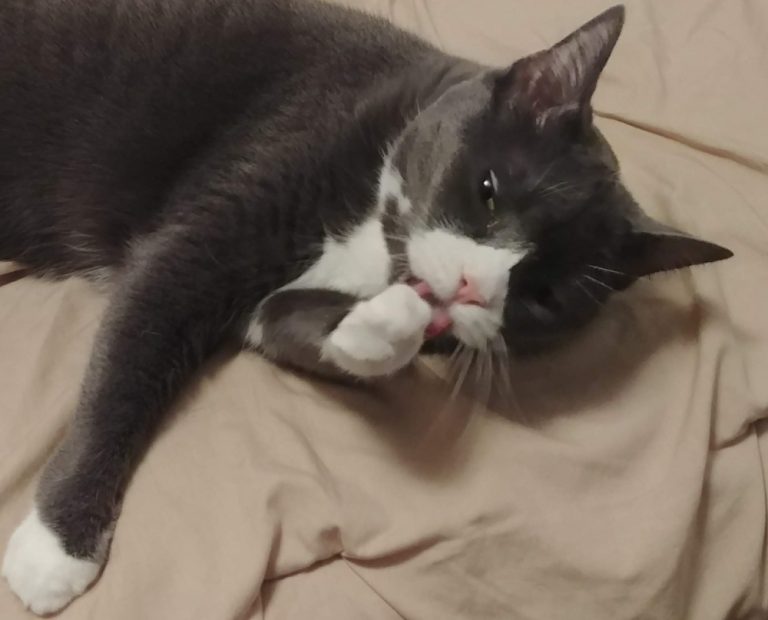
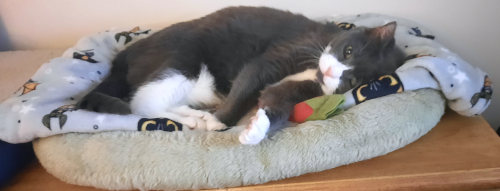
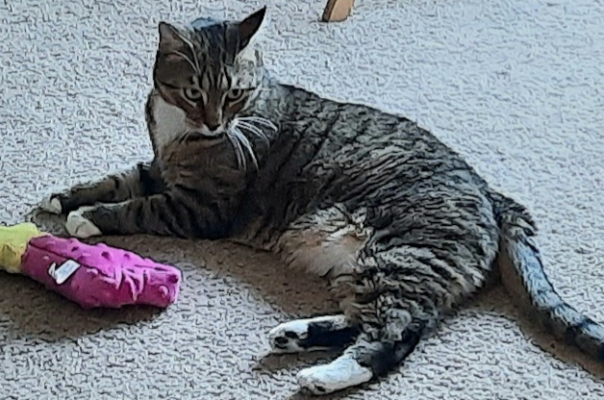
As cats enter their golden years, typically around age 11-12, their relationship with rest and solitude undergoes a profound transformation.
Having to rehome your cat can be a very depressing experience. Making the decision to rehome a beloved pet is one of the most difficult choices a pet owner can face.
Cats have long been associated with the mythical ability to survive nine lives, but the reality of feline longevity is both fascinating and complex.
Senior cats, like most cats are masters of disguise when it comes to illness. Unlike their canine counterparts who often make their discomfort obvious, our feline friends have evolved to hide signs of weakness
Psychogenic Alopecia is kind of like “over grooming”. We’ve heard it called psychological baldness as well.
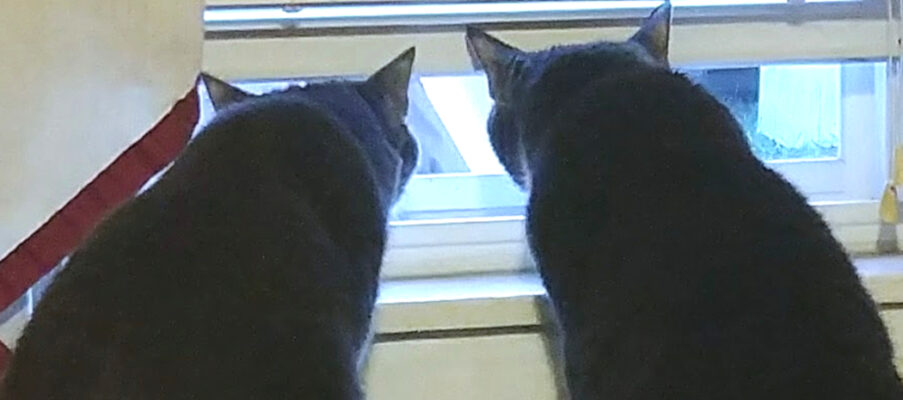
Anyone who has watched a pair of bonded cats knows the truth: love doesn’t mean always getting along.
A “Bonded Pair” of cats (or dogs, etc), are two animals that have been together as a pair and have come to know they are individually stable and comfortable when the other animal is there
The age at which a cat is considered a senior is about 11 years old and above.
Too many times we’ve come across people who just get sick of their animals.