Creating a Stress-Free Environment to Reduce Renal Strain
When we talk about kidney support for senior pets, our minds often jump straight to food, water bowls, medications, lab work, and vet appointments.
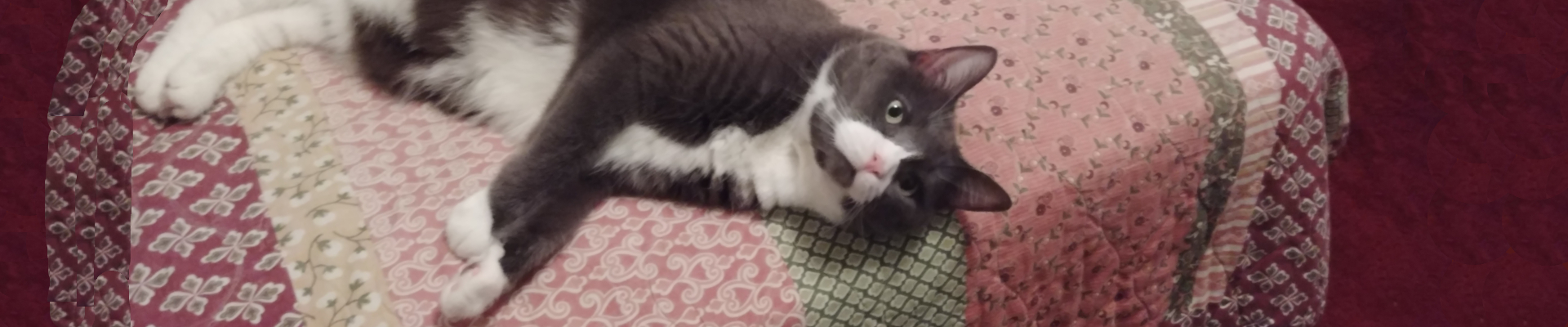
Kidney disease in cats and dogs.
When we talk about kidney support for senior pets, our minds often jump straight to food, water bowls, medications, lab work, and vet appointments.
When a pet is diagnosed with kidney disease, water suddenly starts to feel like one of the most important things in the house. The bowl you used to refill without much thought becomes something you check several times a day.
There are some changes in a senior pet that sneak up so quietly, we almost talk ourselves out of noticing them. A little more water in the bowl. A little less interest in breakfast. A thinner back end. A nap that stretches longer than it used to.
As pets grow older, small daily habits begin to matter more than ever. One of the most overlooked habits is water intake.
Chronic kidney disease is one of the most common health conditions affecting senior cats. As cats age, their kidneys gradually lose efficiency, making it harder to filter waste, regulate fluids, and maintain healthy mineral balance.
Kidney disease stands as one of the most common and challenging health issues facing senior cats. While many cat owners diligently provide optimal nutrition throughout their cat’s life, kidney function naturally declines with age, often leading to chronic kidney disease (CKD) in a cat’s golden years.