Dental Disease in Older Pets: Safely Addressing Infections, Bad Breath, and Extractions
Bad breath in an older dog or cat is easy to dismiss as part of aging.
Senior pet care and aging gracefully
Bad breath in an older dog or cat is easy to dismiss as part of aging.
There comes a point in caring for some senior, chronically ill, or seriously ill pets when the question changes.
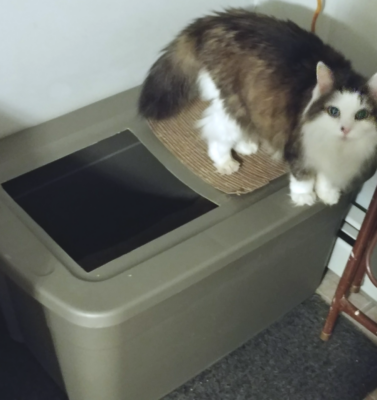
A cat can use the same litter box faithfully for years and then, seemingly out of nowhere, begin hesitating at the entrance, balancing awkwardly on the edge, leaving urine or stool beside the box, or searching for another place to go.
Senior care usually does not begin with a dramatic diagnosis.
Aging rarely happens all at once. It arrives in small changes that are easy to explain away. A dog pauses before climbing the stairs. A cat begins sleeping in a different room.
Older pets change. Their faces soften, their pace slows, and the routines they once raced through may take a little more time. A senior dog may pause before climbing the stairs.
A small home can be a wonderful place for an aging pet. Everything they need is nearby, familiar smells surround them, and their favorite person is rarely far away.
Every animal shelter worker knows the sound of a full building. Dogs bark over one another. Cats retreat into the backs of their kee who need to surrender pets that afternoon, even though every available space is already occupied.
A dog rarely becomes a senior overnight. The changes usually arrive quietly.
Giving a pill to a difficult cat can turn an ordinary morning into a full-body event. The coffee gets cold. The pill disappears under the stove. The cat suddenly develops the strength of a small mountain lion.
Bathing a pet can feel simple in theory, then turn into a full-body wrestling match the moment water enters the picture. Some dogs love it. Some tolerate it. Some act personally betrayed.
A T4 blood test can feel like one of those mystery vet terms that gets tossed around while you are still trying to process everything else. Your pet is losing weight. Or gaining weight. Or acting restless. Or sleeping more.