Emotional Changes in Aging Pets and How to Respond With Compassion
Aging is a natural part of life, not only for humans but for the animals who share our homes and routines.

Senior pet care and aging gracefully
Aging is a natural part of life, not only for humans but for the animals who share our homes and routines.
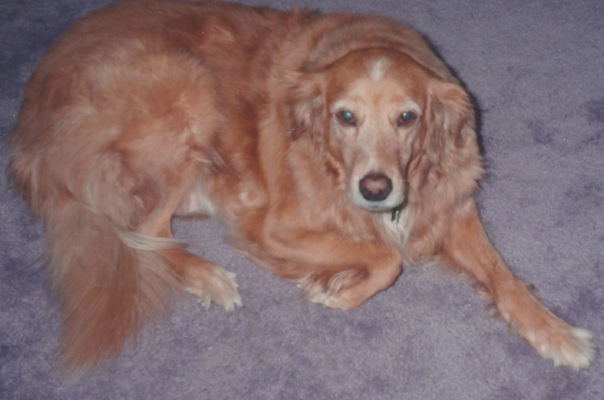
Dogs age in a way that is both familiar and surprising. One day your dog is racing around the yard with endless energy, and before you realize it, they are moving a little slower, sleeping a little longer…
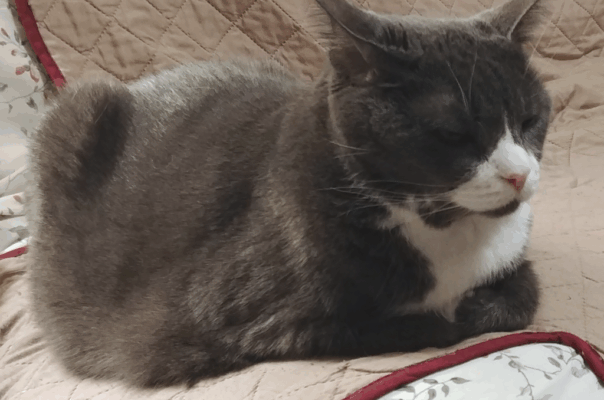
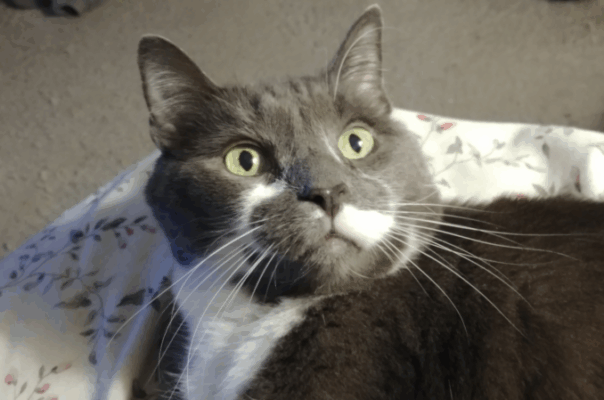
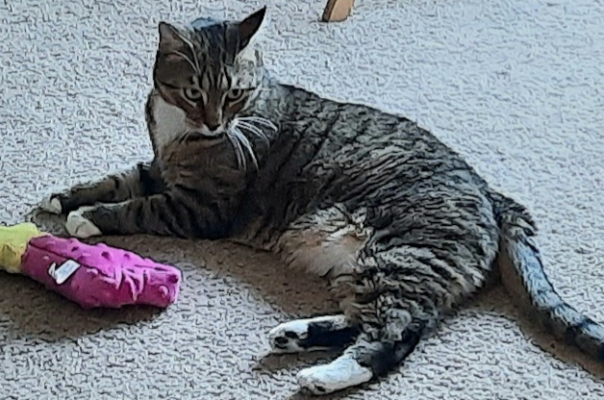
Cats have a remarkable way of aging quietly. One day they are leaping onto shelves and racing through hallways, and the next they seem to prefer sunbeams, soft beds, and longer naps.
Aging is a natural part of life for every pet, whether they have fur, feathers, or whiskers. As dogs and cats grow older, their bodies and behaviors change in ways that can feel subtle at first and more noticeable over time.
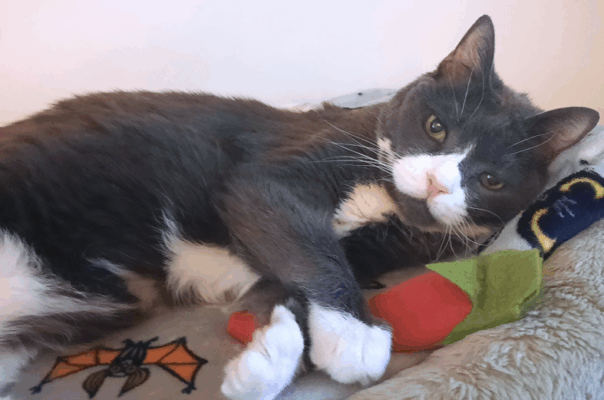
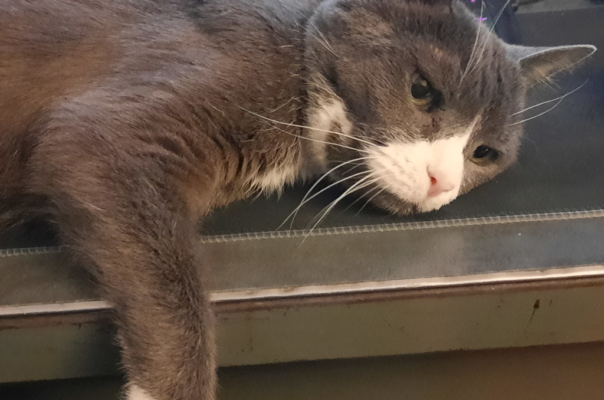
Today, I want to share the story of Bubbles, a cat who quite literally showed up on our doorstep and unexpectedly changed our lives forever.
As pets age, their bodies undergo changes similar to those in aging humans. Their metabolism slows, immune function declines, and organs may begin to show wear after years of faithful service.
Kidney disease stands as one of the most common and challenging health issues facing senior cats. While many cat owners diligently provide optimal nutrition throughout their cat’s life, kidney function naturally declines with age, often leading to chronic kidney disease (CKD) in a cat’s golden years.
Cats are creatures of habit, and their feeding routine is a crucial aspect of their overall health and well-being. Many cat owners opt for the convenience of free feeding dry food, leaving kibble available throughout the day for their feline companions.
Remember that rambunctious kitten who scaled your curtains, pounced on your toes at dawn, and somehow managed to be everywhere at once?
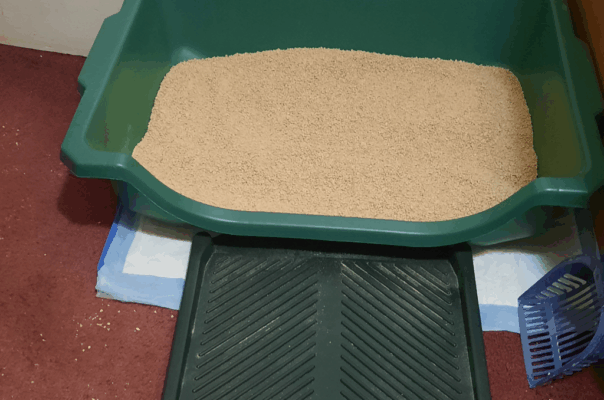
Maintaining a clean litter box is one of the most important responsibilities of cat ownership.
The golden years of our canine companions bring special joys and challenges. That once-energetic puppy who chased tennis balls for hours now prefers longer naps in sunbeams, and the dog who easily bounded up stairs might now take them more cautiously.
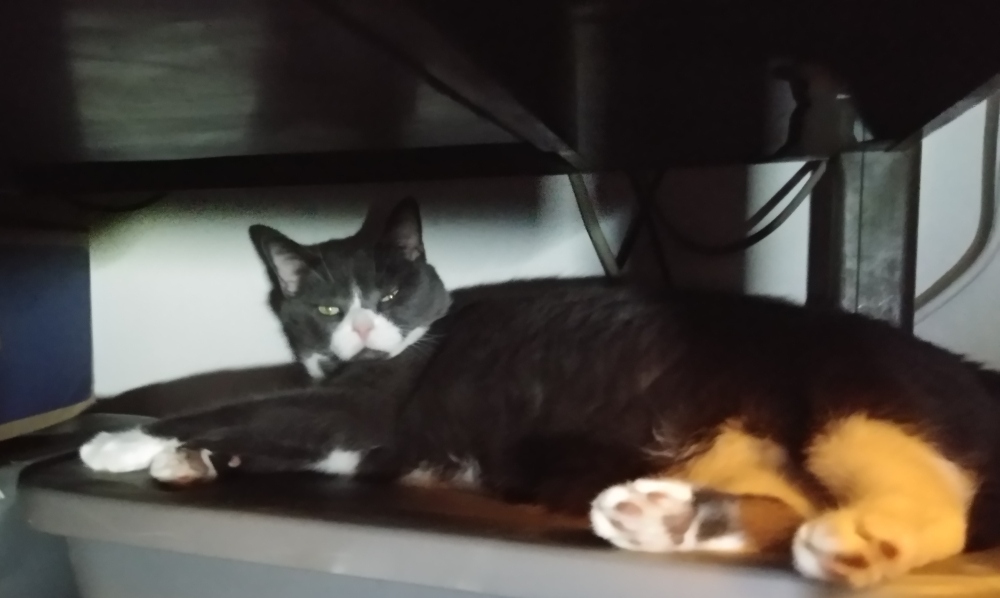
As cats enter their golden years, typically around age 11-12, their relationship with rest and solitude undergoes a profound transformation.