How Age Impacts Health Monitoring Needs
There is a moment every pet owner reaches when they realize their companion is no longer “middle-aged,” no longer bouncing back as quickly, and no longer moving through life without a little extra help.
Senior pet care and aging gracefully
There is a moment every pet owner reaches when they realize their companion is no longer “middle-aged,” no longer bouncing back as quickly, and no longer moving through life without a little extra help.
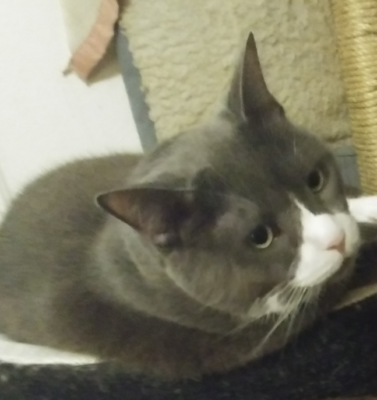
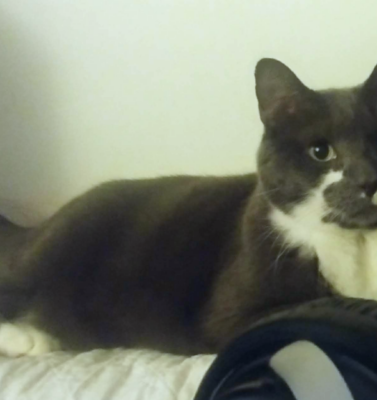
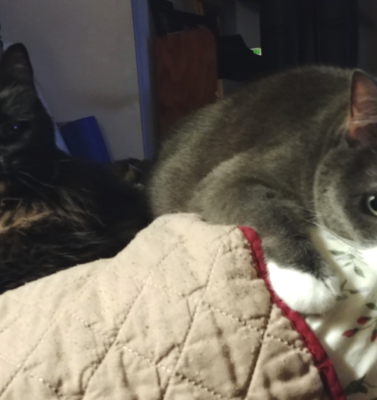
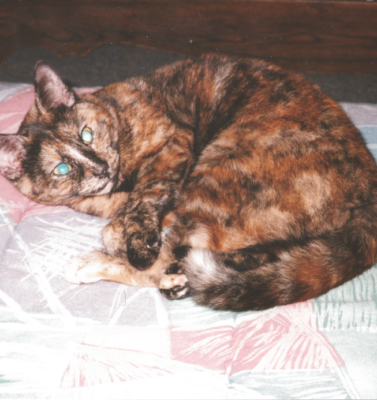
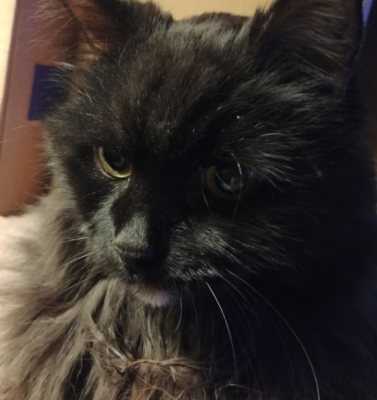
Rescuing a senior cat is a quiet act of kindness that often changes both lives involved. Older cats arrive with stories already written, some joyful, some painful, many unknown.
As our pets grow older, their needs change in ways that are sometimes subtle and sometimes impossible to ignore. A dog who once leapt onto the couch without thinking may hesitate or circle first.
One of the quiet realities of sharing life with a senior cat is noticing the small changes that happen long before anything feels urgent. A coat that once looked glossy may start to look dull.
One of the most confusing and emotional changes many people notice as their dog grows older is a shift in body shape. A dog who once looked solid and strong may start to appear thinner in some places and heavier in others.
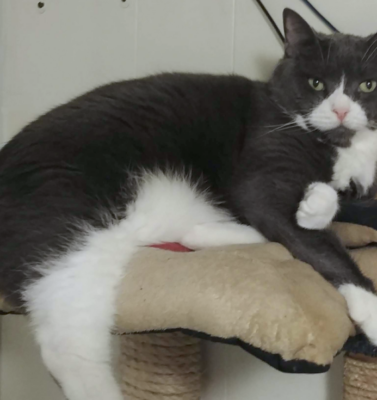
When cats age, the changes are often quiet. They do not complain. They do not announce that something feels different. Instead, they adapt, sometimes so well that it takes us a while to notice anything has changed at all.
As pets grow older, grooming often becomes more complicated than it was in their younger years. What once felt like a simple brush session or quick nail trim can turn into a stressful experience for both pet and owner.
As dogs age, their relationship with movement changes. What once looked like effortless running, jumping, and rough play may gradually give way to stiffness, hesitation, or fatigue.
Caring for a senior pet is less about dramatic interventions and more about quiet, consistent awareness. Aging does not happen all at once. It unfolds in small physical, emotional, and behavioral shifts that are easy to miss if you only look for obvious problems.
For many years, the veterinary community and pet owners alike operated under a silent misconception: that cats simply don’t get arthritis.
Chronic nausea is one of the most subtle yet distressing conditions that can affect aging cats. Unlike sudden vomiting from eating too fast or swallowing a hairball, long term nausea often creeps in quietly.
As cats age, their needs change in ways that are not always obvious. Many guardians carefully watch for arthritis, kidney disease, or weight loss, yet dental health often receives far less attention.