
Scratching is one of those cat behaviors that people often associate with youth and energy. Kittens climb curtains. Adult cats shred cardboard with enthusiasm. Senior cats, however, can appear to slow down, scratch less often, or stop using their scratching posts altogether. When that happens, it is easy to assume that scratching is no longer important for them. In reality, scratching remains just as meaningful for older cats as it does for younger ones. The reasons simply change.
For senior cats, scratching is no longer just about sharpening claws or marking territory. It becomes a way to stretch stiff joints, maintain circulation, relieve stress, and stay connected to daily routines. Encouraging healthy scratching behavior in older cats is not about forcing activity. It is about making the behavior accessible, comfortable, and rewarding at a stage of life when movement may come with limitations.
This article is written from the perspective of long-time cat caregivers who have lived with seniors through arthritis, diabetes, kidney disease, thyroid issues, vision loss, and the slow but very real changes that come with age. The goal is not perfection. The goal is comfort, dignity, and quality of life.
Why Scratching Still Matters for Senior Cats
 Scratching serves several important purposes throughout a cat’s life, and those purposes do not disappear with age.
Physically, scratching allows cats to stretch their shoulders, spine, hips, and legs. For older cats, these stretches can help maintain mobility and reduce stiffness, especially after sleeping. Many senior cats sleep more deeply and for longer periods, which can leave joints feeling tight when they wake up.
Scratching also helps with nail health. Older cats may groom less efficiently, either due to arthritis, dental issues, or fatigue. When nails are not worn down naturally, they can become thick, brittle, or overgrown. In some cases, nails can curve inward and press into paw pads, which is painful and can lead to infection. Gentle, regular scratching helps reduce this risk.
Emotionally, scratching is a familiar ritual. Cats are creatures of habit. When a senior cat continues to scratch, even in a modified way, it signals comfort and confidence. It is one of the ways they interact with their environment and leave their scent. Losing that outlet can increase anxiety, especially in cats dealing with medical conditions or household changes.
Why Older Cats May Stop Scratching
When a senior cat stops scratching, it is rarely due to stubbornness or disinterest. There is usually a reason, and that reason often involves comfort.
Arthritis is one of the most common causes. Scratching requires weight shifting, pressure through the front legs, and sometimes a full body stretch. If a scratching post is too tall, too unstable, or requires climbing, an arthritic cat may avoid it altogether.
Muscle loss can also play a role. As cats age, they lose muscle mass, particularly if they are less active due to illness or pain. What once felt effortless can become tiring.
Vision changes matter too. A cat that cannot see well may hesitate to approach a tall post or unfamiliar surface. They may worry about balance or misjudging distance.
Medical conditions such as diabetes, kidney disease, or hyperthyroidism can contribute to weakness, dehydration, or overall fatigue. Even when well managed, these conditions can affect how much energy a cat has for nonessential movement. Understanding the why helps guide the how when it comes to encouraging scratching again.
Rethinking the Scratching Setup for Senior Cats
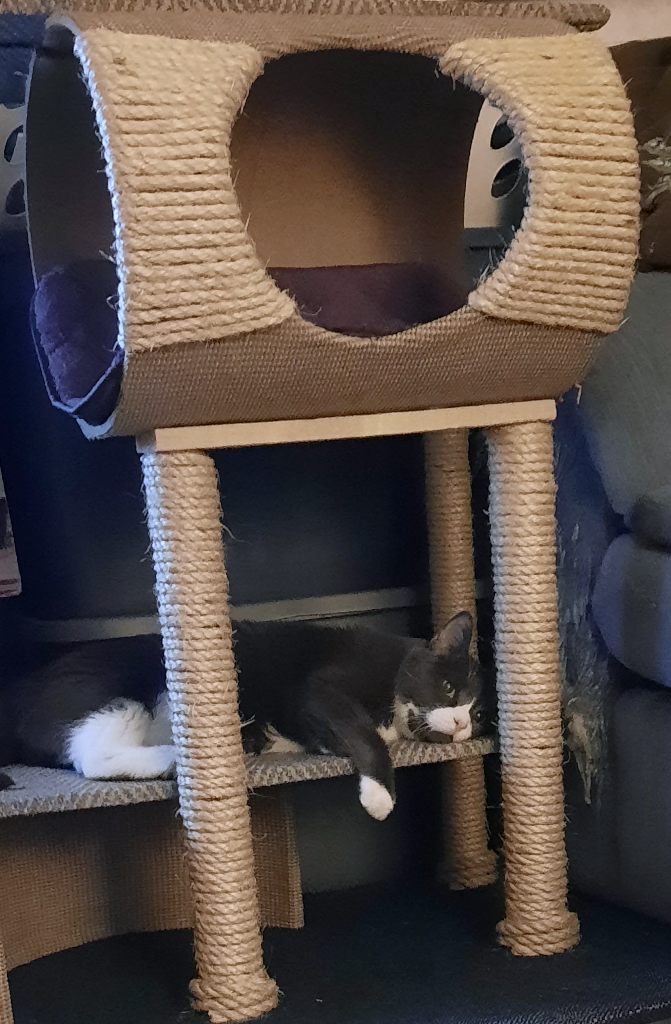 One of the biggest mistakes caregivers make is assuming that the same scratching post that worked five years ago should still work today. Senior cats often need a different setup.
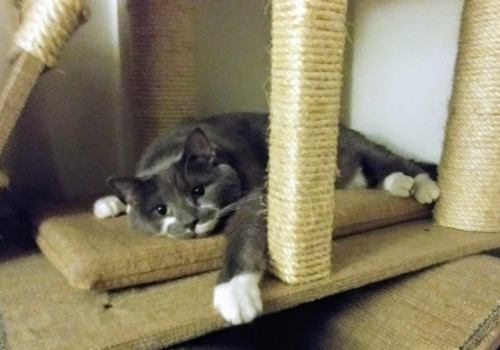
Height matters. Tall vertical posts may be intimidating or physically uncomfortable. Many older cats prefer shorter posts that allow them to stretch without lifting their body too high. Horizontal scratchers can be especially appealing because they allow scratching without standing upright for long periods.
Stability is critical. A wobbly post is a deal breaker for an older cat. Even a slight shift can feel unsafe. Weighted bases, wall-mounted scratchers at low heights, or floor scratchers with non-slip backing are often better choices.
Surface texture matters more than brand. Some senior cats prefer softer materials like carpet or corrugated cardboard, while others still enjoy sisal. If a cat has sensitive paws or arthritis, rough textures may be uncomfortable. Offering a variety allows the cat to choose.
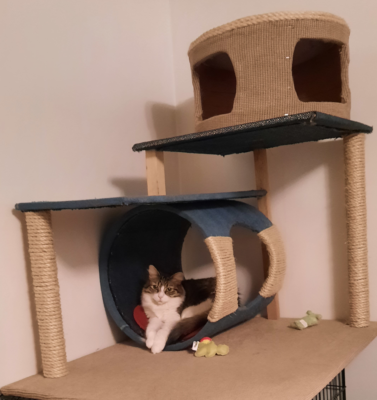
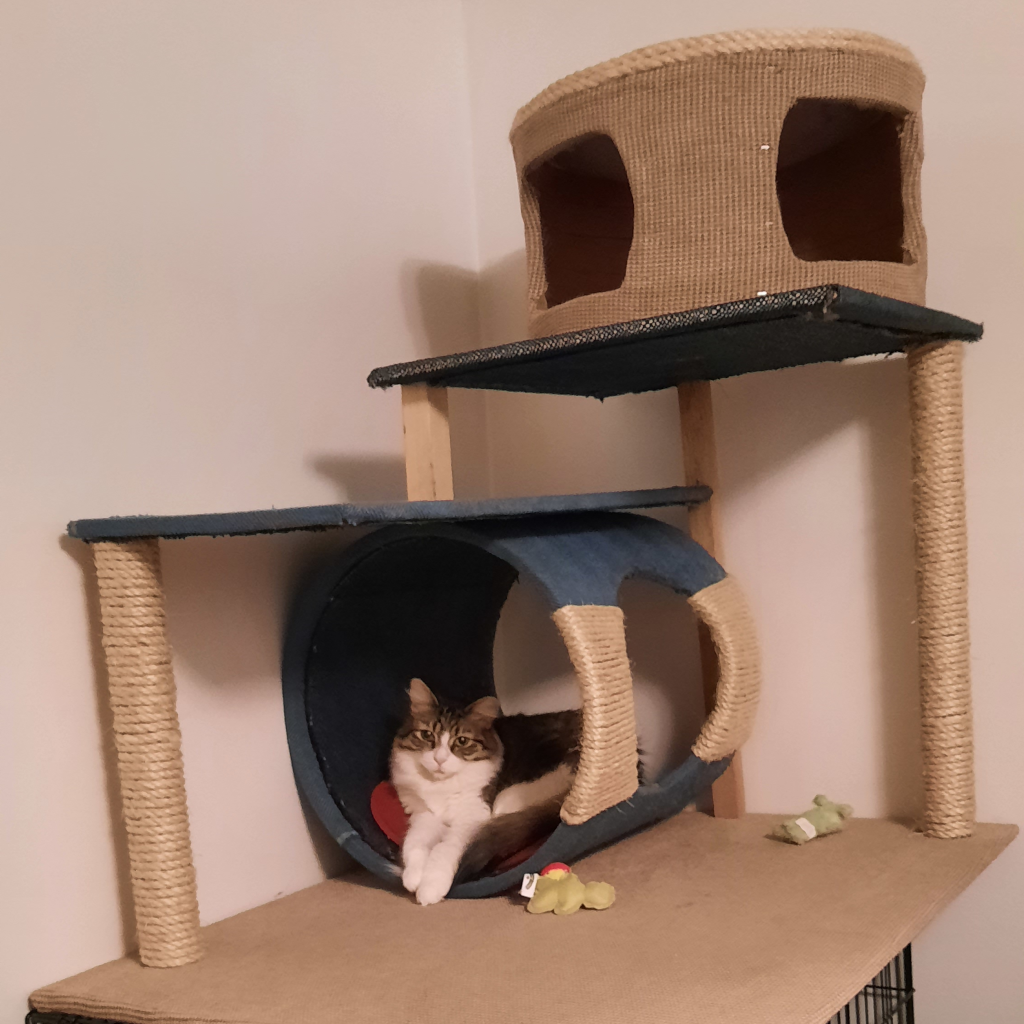
Placement is just as important as the scratcher itself. Senior cats should not have to travel far or navigate obstacles to reach their scratching spot. Placing scratchers near sleeping areas, feeding stations, or favorite resting spots makes scratching part of a natural routine rather than a chore.
Making Scratching Easier on Aging Joints
Small adjustments can make a big difference for older cats. Gentle inclines can help. Angled scratchers allow cats to scratch while distributing weight more evenly across the body. This reduces strain on shoulders and wrists.
Warmth encourages movement. Senior cats often feel stiffer when cold. Placing scratchers in warm, draft-free areas or near sunny windows can make them more appealing. Some cats are more likely to scratch after warming up naturally.
Timing matters. Many older cats are more active after meals or naps. Encouraging scratching during these moments, rather than expecting spontaneous play, aligns with their natural rhythms. Avoid forcing behavior. Picking up a cat’s paws and placing them on a scratcher can cause stress or pain. Encouragement should always be voluntary.
Encouragement Without Pressure
Encouraging scratching in senior cats works best when it feels rewarding, not demanding. Positive reinforcement is powerful. Soft praise, gentle petting, or a favorite treat immediately after scratching helps reinforce the behavior. The reward does not need to be large. Consistency matters more.
Catnip can help, but not all cats respond to it, especially as they age. Some seniors prefer silvervine or valerian instead. Sprinkling a small amount on a scratcher can renew interest.
Scent familiarity matters. Rubbing a soft cloth on the cat’s cheeks and then on the scratcher transfers their scent and can make the scratcher feel more inviting. Routine helps. Placing scratchers in predictable locations and responding positively when the cat uses them helps build confidence.
The Role of Nail Care in Senior Cats
 Encouraging scratching does not replace the need for regular nail trims, especially in older cats. In fact, the two work best together. Senior cats often develop thicker nails that shed less efficiently. Regular trims reduce pressure on joints during scratching and make the experience more comfortable.
Trimming should be done gently and gradually. One or two nails at a time is often better tolerated than a full paw session. If a cat resists trimming, scratching becomes even more important as a natural way to manage nail length. In these cases, providing multiple easy-access scratchers can help compensate.
Scratching and Emotional Well-Being
Scratching is not just physical. It is emotional. Senior cats often experience changes that affect their sense of control. Vision loss, hearing loss, new medications, or changes in household routine can create stress. Scratching allows cats to engage with their environment in a familiar way.
Cats dealing with chronic illness may have good days and bad days. On low-energy days, scratching may be brief or skipped entirely. That is okay. Encouragement should adapt to the cat’s condition, not the other way around.
For caregivers, it is important to adjust expectations. Scratching in a senior cat may look different. It may be slower, shorter, or less frequent. What matters is that the cat still has the option and feels safe using it.
When to Pay Attention to Changes
A sudden or complete stop in scratching can be a signal that something is wrong. If a cat who previously scratched regularly stops altogether, it may indicate pain, nail problems, or an underlying medical issue. Changes in posture, reluctance to move, or sensitivity when touched should be taken seriously.
Scratching that looks awkward or one-sided may suggest joint discomfort or injury. While caregivers are not veterinarians, lived experience teaches that behavior changes often come before visible illness. When in doubt, observation and gentle adjustment come first, followed by professional guidance if needed.
Scratching as Part of a Bigger Picture
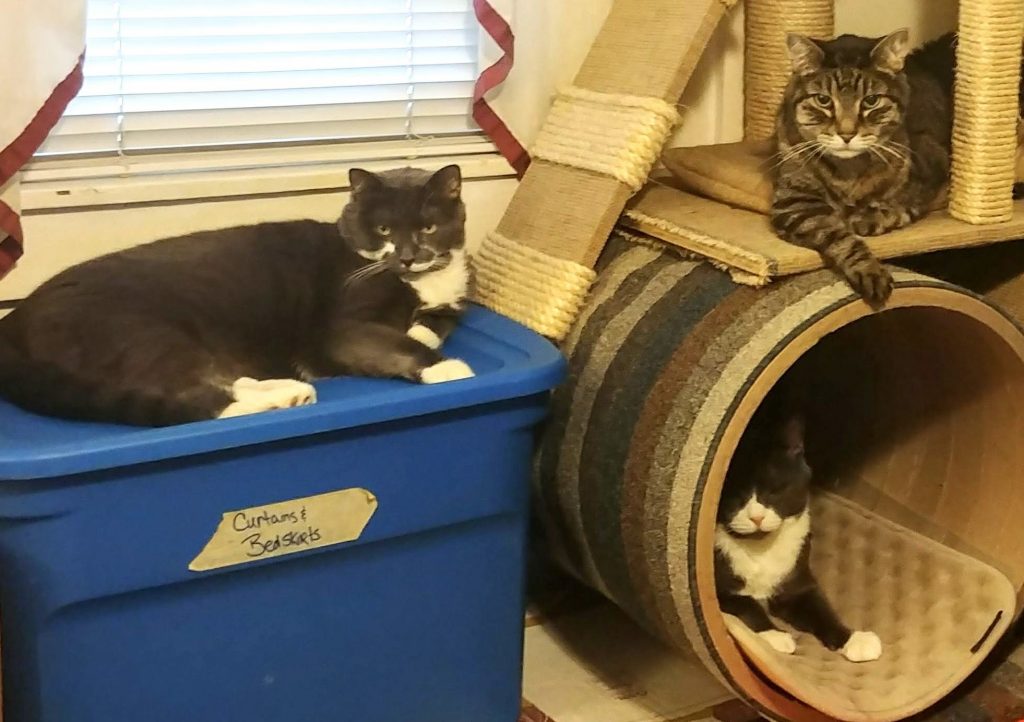 Encouraging scratching behavior in older cats is not an isolated task. It is part of a larger approach to senior care that values comfort, accessibility, and respect. Just as food bowls may be raised, litter boxes modified, and sleeping areas softened, scratching setups should evolve with the cat. Aging does not mean giving up favorite behaviors. It means adapting them.
Senior cats still want to be cats. They still want to stretch, mark, explore, and participate in daily life. When scratching remains part of that life, even in a gentler form, it supports both physical health and emotional security. At its core, encouraging scratching in older cats is an act of listening. Listening to what their bodies can handle. Listening to what their behavior is telling us. And responding with patience, creativity, and compassion.
For those who share their homes with senior cats, scratching posts are not just furniture. They are tools for dignity, comfort, and continuity in a stage of life that deserves just as much attention as any other.