


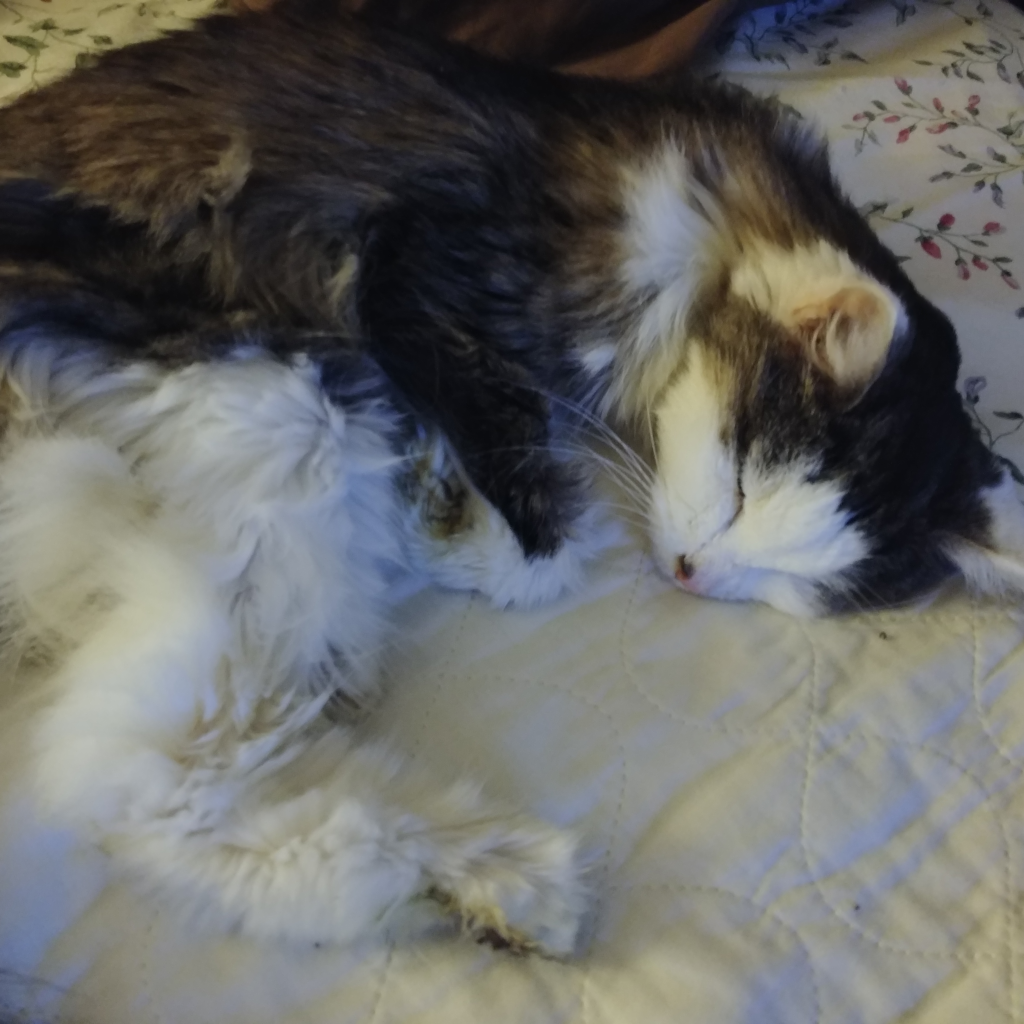
Cats have a remarkable way of aging quietly. One day they are leaping onto shelves and racing through hallways, and the next they seem to prefer sunbeams, soft beds, and longer naps. Because cats age differently than humans, it can be surprisingly difficult for owners to know when their cat has officially entered their senior years.
Understanding when a cat is considered a senior is not just about assigning a label. It helps guide decisions about veterinary care, nutrition, home environment, and daily routines. Recognizing this life stage early allows you to support your cat’s comfort, health, and quality of life for as long as possible.
This article explains how veterinarians define senior cats, how feline aging works, and what physical and behavioral changes may signal that your cat has reached this stage.
What Age Is a Cat Considered a Senior?
Most veterinarians and feline health organizations consider a cat to be a senior once they reach 11 years of age. This guideline is based on long term observations of feline aging patterns, disease risk, and physiological changes that become more common around this time.
While many cats live well into their late teens or even early twenties, the shift at around 11 years marks a point when age related changes are more likely to appear. These changes may be subtle at first, but they signal the need for closer monitoring and preventive care.
It is important to remember that age alone does not determine how healthy or active a cat will be. Some cats remain energetic and playful well into their senior years, while others may show signs of aging earlier. The 11 year mark is not a strict rule, but rather a helpful benchmark used in veterinary medicine.
Why Age 11 Is an Important Milestone
Cats age more rapidly than humans, particularly in their early years. By the time a cat reaches adulthood, they have already passed through developmental stages that roughly correspond to childhood and young adulthood in people.
By age 11, a cat has typically entered a phase where:
- Metabolism begins to slow
- Muscle mass may gradually decline
- Joint stiffness becomes more common
- Organ systems such as the kidneys and thyroid may be under increased strain
- Dental disease risk increases
These changes do not mean a cat is unhealthy. They simply reflect the natural aging process. Recognizing this milestone allows owners and veterinarians to adjust care proactively rather than reactively.
How Cat Aging Compares to Human Aging
One reason it can be confusing to determine whether a cat is a senior is that feline aging does not follow a simple year for year comparison with humans. Cats mature very quickly early in life, then age more gradually over time.
Widely accepted veterinary guidelines estimate cat age in human years as follows:
- The first year of a cat’s life is roughly equal to 15 human years
- The second year adds approximately 9 human years
- Each year after the second adds about 4 human years
Using this model, an 11 year old cat is roughly comparable to a 60 year old human. This comparison helps explain why health monitoring becomes more important at this stage.
Our Cat Senior Age Calculator tool applies these same principles to help owners understand both whether their cat is considered a senior and how their age translates into human years.
Factors That Influence How a Cat Ages
While age guidelines are useful, they do not tell the whole story. Cats age at different rates depending on a variety of factors.
Genetics and Breed – Some breeds are known for longevity, while others may be more prone to certain age related conditions. However, breed alone does not determine whether a cat will age well. Many mixed breed cats live exceptionally long lives.
Lifestyle and Environment – Indoor cats generally live longer than outdoor cats due to reduced exposure to accidents, toxins, parasites, and infectious diseases. A stable, low stress environment also plays a significant role in how well a cat ages.
Nutrition – Consistent access to balanced, species appropriate nutrition throughout life supports organ function, muscle maintenance, and immune health. Poor nutrition earlier in life can contribute to earlier onset of age related issues.
Preventive Veterinary Care – Cats that receive regular veterinary checkups, dental care, and early treatment for chronic conditions often experience a smoother transition into their senior years.
Physical Signs Your Cat May Be Entering Senior Years
Some signs of aging are obvious, while others are easy to miss. Cats are experts at masking discomfort, which makes subtle changes especially important to notice.
Changes in Mobility
Senior cats may:
- Jump less frequently or hesitate before jumping
- Prefer lower surfaces or ramps
- Move more slowly after resting
- Show stiffness, especially in cold weather
These changes are often associated with arthritis or general joint wear.
Altered Sleep Patterns
Older cats tend to sleep more overall, but may also experience lighter or more fragmented sleep. Some senior cats become more vocal at night or wake more frequently.
Changes in Coat and Grooming
You may notice:
- A duller or thinner coat
- Mats or tangles from reduced grooming
- Greying or whitening around the face
These changes can result from reduced flexibility, dental discomfort, or underlying health issues.
Weight Changes
Unintentional weight loss or weight gain can both be signs of aging related conditions. Muscle loss is common in senior cats, even when body weight appears stable.
Behavioral Changes That Can Signal Senior Status
Behavioral shifts are sometimes the first clue that a cat is aging.
Reduced Activity and Playfulness – Many senior cats still enjoy play, but they may engage for shorter periods or prefer gentler activities. A noticeable decline in interest may warrant further evaluation.
Changes in Social Behavior – Some cats become more affectionate and seek comfort, while others prefer solitude. Either pattern can be normal, but sudden or extreme changes should be discussed with a veterinarian.
Litter Box Changes – Difficulty entering the litter box, changes in frequency, or accidents outside the box can be related to mobility issues, kidney disease, or cognitive changes.
Increased Vocalization – Older cats may vocalize more due to sensory changes, confusion, or medical conditions such as high blood pressure or thyroid disease.
Health Conditions More Common in Senior Cats
Reaching senior status increases the likelihood of certain medical conditions. Awareness allows for earlier detection and management.
Common age related conditions include:
- Chronic kidney disease
- Hyperthyroidism
- Arthritis and joint degeneration
- Dental disease
- Heart disease
- High blood pressure
- Cognitive dysfunction
Not every senior cat will develop these conditions, but routine screening becomes increasingly important after age 11.
The Role of Regular Veterinary Checkups
Once a cat is considered a senior, most veterinarians recommend checkups at least twice per year. These visits often include:
- Physical exams
- Blood and urine tests
- Blood pressure measurement
- Dental assessments
- Weight and body condition tracking
Early detection of age related issues can significantly improve outcomes and quality of life.
Using Age Tools to Support Better Care
Because cat aging is complex, tools like your Senior Cat Age Calculator can be extremely helpful for owners. By estimating both senior status and human year equivalents, the calculator provides context that makes aging easier to understand.
When paired with education and veterinary guidance, these tools empower owners to take proactive steps rather than waiting for problems to appear.
Senior Does Not Mean the End of Joy
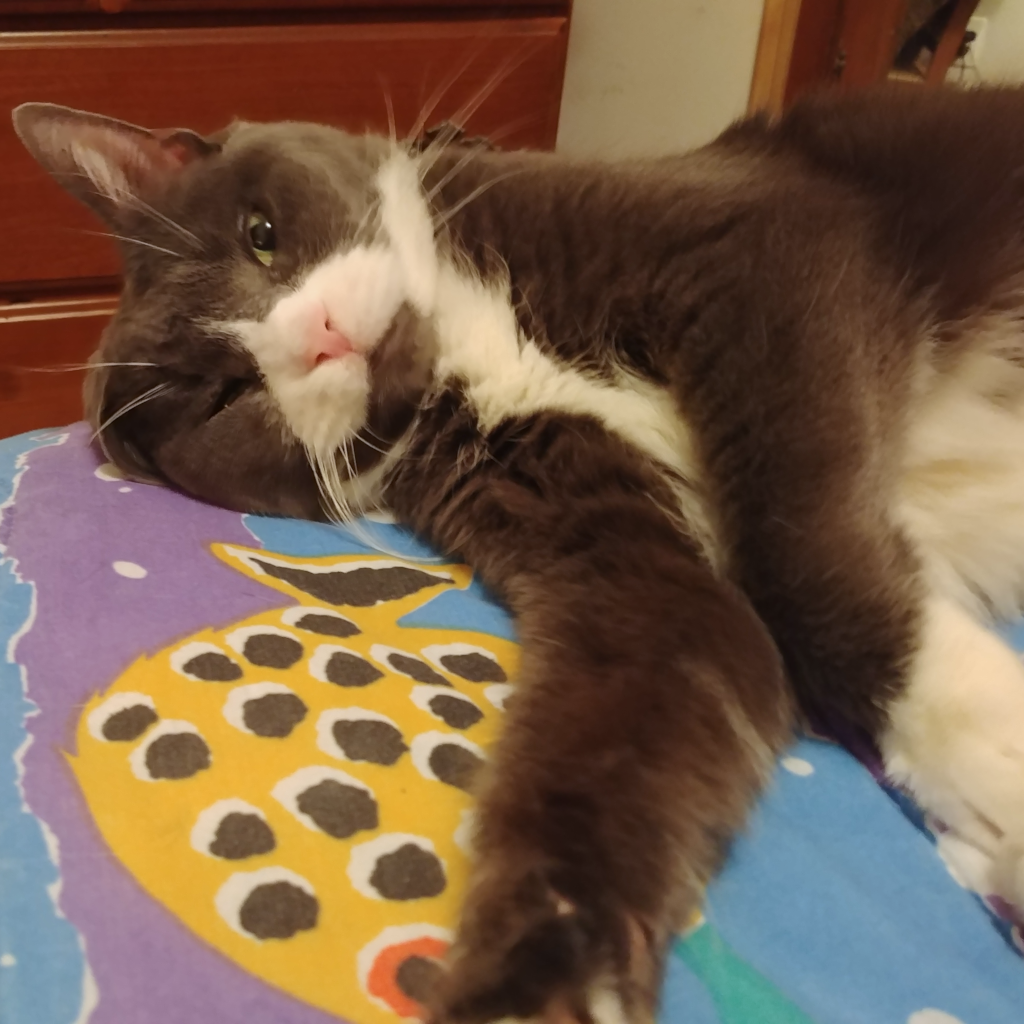 One of the most important things to remember is that being a senior cat does not mean a cat is fragile or unhappy. Many senior cats are deeply content, emotionally bonded, and still playful in their own way.
With proper care, senior cats often thrive for many years. Simple adjustments like softer bedding, easier access to favorite spots, regular grooming assistance, and attentive observation can make a profound difference.
Senior cats have spent years building trust, companionship, and personality. Recognizing when your cat has entered this stage allows you to honor that relationship with thoughtful care and understanding.
Final Thoughts
Determining whether your cat is considered a senior involves more than counting birthdays. While 11 years is a widely accepted milestone, every cat ages at their own pace. By understanding how feline aging works, watching for subtle changes, and using tools like your age calculator, you can provide informed, compassionate care throughout your cat’s later years.
Senior cats offer a quieter kind of joy, one built on routine, presence, and deep connection. With awareness and support, their golden years can be some of the most meaningful ones you share together.