
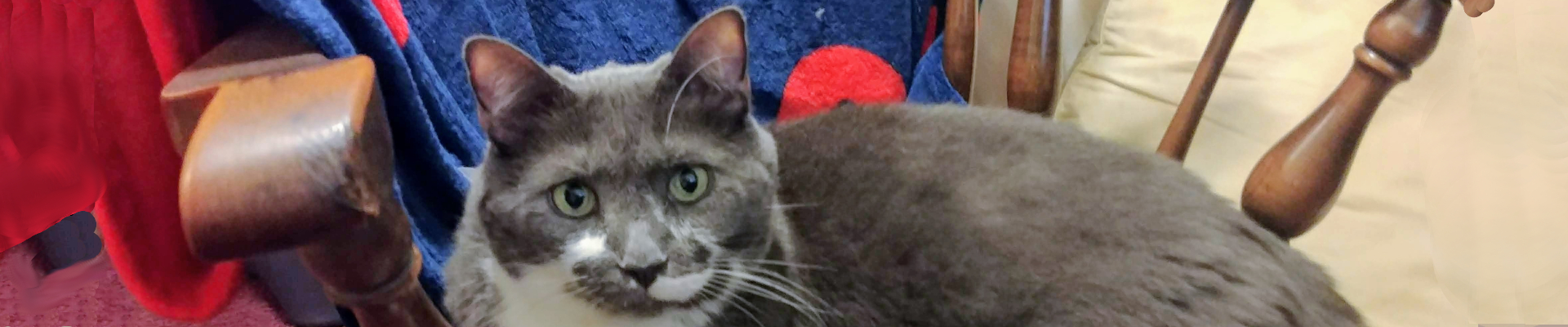
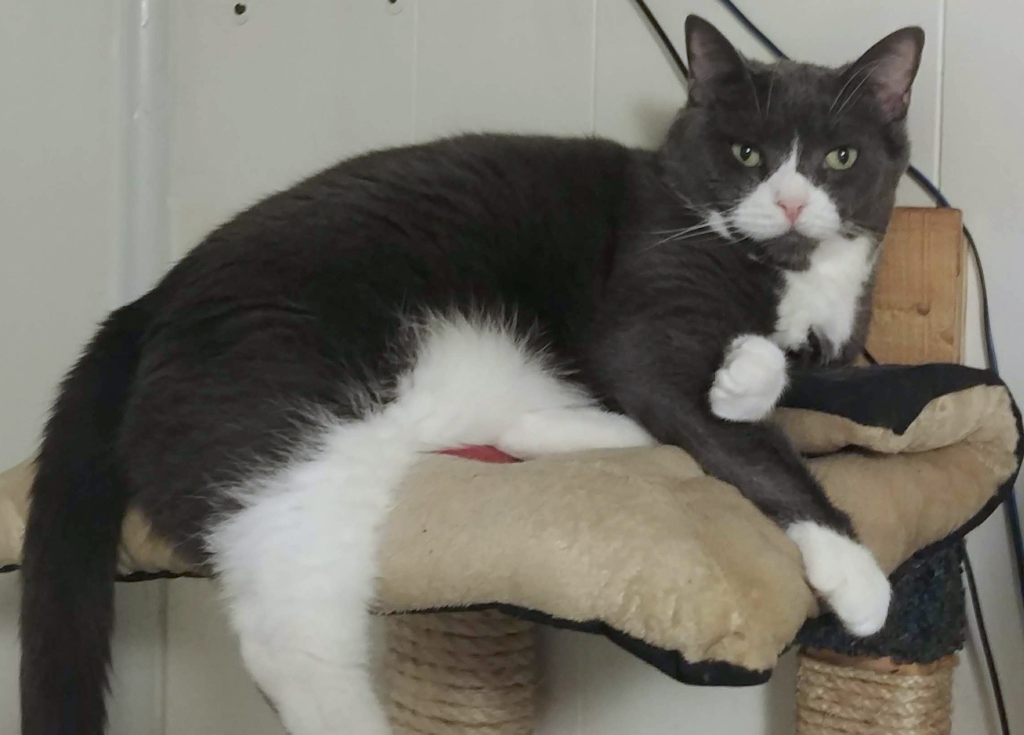
If you share your home with a senior cat, you have likely seen it happen. One moment they are curled up in their favorite bed, blinking slowly in the afternoon light. The next moment they leap to their feet and sprint down the hallway like a kitten on a mission. They may skid around a corner, dash across the couch, or bounce onto a cat tree you built with loving care. These sudden bursts of energy are often called “zoomies.”
For many people, zoomies feel like something only young cats do. So when an older cat suddenly races through the house, it can surprise us. It can also raise questions. Is this normal? Is it safe? Should we be concerned?
At BellenPaws, we have lived with senior cats for years. Some of them were with us from kittenhood. Others joined our family later in life. We have seen hyperthyroidism, kidney disease, diabetes, blindness, arthritis, and more. And through all of it, we have also seen zoomies. Those moments of pure, joyful motion are not just for the young.
Let’s talk about what zoomies are, why senior cats still get them, and how to tell the difference between happy energy and something that may need a closer look.
What Are Zoomies?
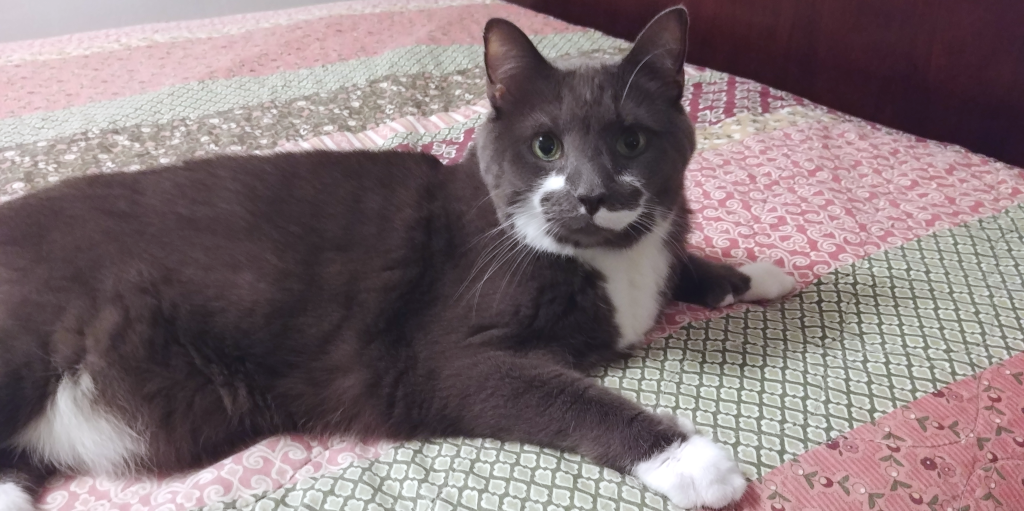 Zoomies are short, sudden bursts of high energy. Your cat may run from room to room, leap onto furniture, swish their tail wildly, or make playful sounds. Some cats race in circles. Others charge up and down a hallway as if chasing an invisible toy.
The technical term for this behavior is Frenetic Random Activity Periods. That sounds complicated, but it simply describes what we see. A quick release of pent up energy in a playful way. Zoomies usually last only a few seconds or a couple of minutes. Afterward, your cat may settle down, groom themselves, or return to a cozy nap as if nothing happened.
Many cats, especially indoor cats, experience zoomies in the evening. This is not random. Cats are naturally more active during dawn and dusk. Even senior cats still carry that instinct inside them.
Why Do Senior Cats Still Get Zoomies?
It is easy to assume that once a cat reaches their senior years, their playful days are over. In reality, age does not erase personality. If your cat has always been playful, that spark often remains. Zoomies in senior cats can mean several positive things.
First, they can be a sign of happiness. A cat that feels safe and secure in their home is more likely to let loose and run without fear. When a senior cat does zoomies, it often shows they are comfortable in their environment.
Second, zoomies can be a release of stored energy. Even older cats rest for many hours a day. After long stretches of sleep, the body sometimes wants to move. Think of it like stretching after sitting too long. For a cat, that stretch can turn into a sprint.
Third, zoomies can be playful behavior. Some senior cats still chase toys, shadows, or even their own tails. We once had a cat who would suddenly race through the house after using the litter box. It became a predictable pattern. He felt lighter and energized, so he ran.
If you have used our cat age calculator on BellenPaws to see your pet’s age in human years, you know that a fifteen year old cat is well into their golden years. But that does not mean they feel old every second of the day. Just like people, senior cats can have moments where they feel young and energetic.
Zoomies as a Sign of Comfort and Trust
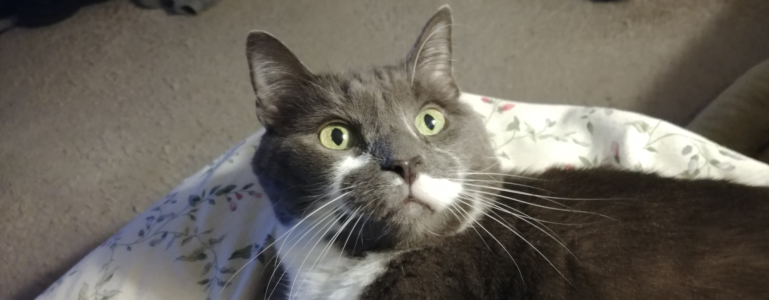 One of the most beautiful things about zoomies is what they say about your home. Cats are cautious by nature. In a stressful environment, they are more likely to hide than to run wildly across open spaces. When a senior cat does zoomies, they are showing that they feel safe enough to move freely.
That safety is built over time. It comes from routine feeding schedules, familiar smells, cozy beds, and loving interactions. It comes from knowing that no one will chase them or scare them while they run.
We have seen this with our own cats over the years. When a new cat first joins a household, zoomies may not appear right away. But as trust grows, so does play. Watching an older rescue cat have their first carefree zoomies can be incredibly touching. It is a sign that they feel at home.
Are Zoomies Safe for Senior Cats?
This is where many owners pause. It is wonderful to see your older cat run, but you may worry about joints, balance, or hidden health problems. In general, occasional zoomies are safe for most senior cats. However, there are a few things to keep in mind.
Senior cats may have arthritis. Fast turns on slippery floors can increase the risk of slipping. If your home has hardwood or tile, consider adding rugs or runners in common zoomie paths. This provides traction and helps protect aging joints.
Make sure pathways are clear. Remove clutter from hallways and block access to areas where your cat could fall from a high height. If your cat loves their cat tree, ensure it is stable. If you have built your own using rope and platforms, double check that everything is secure. Our rope length calculator on BellenPaws was created for safe and thoughtful projects like that.
If your cat has vision problems, zoomies may look slightly different. They might run shorter distances or rely on familiar routes. As long as they are not crashing into objects or seeming disoriented, brief bursts of running can still be normal.
The key is balance. A few seconds of joyful movement is usually not harmful. In fact, gentle activity can help keep muscles engaged and support overall well being.
When Should You Be Concerned?
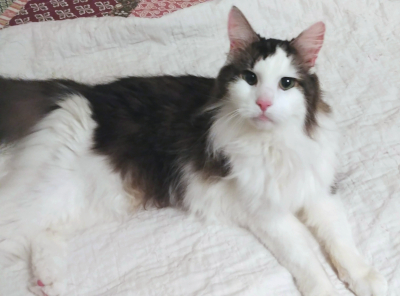 While zoomies are often harmless, there are times when sudden bursts of activity may signal something else. If your senior cat suddenly begins having frequent, intense episodes of running combined with other symptoms, it may be worth a conversation with your veterinarian. Signs to watch for include weight loss, increased thirst, changes in appetite, vomiting, diarrhea, or unusual vocalization.
For example, cats with hyperthyroidism can appear restless or unusually active. They may eat more but lose weight. In those cases, the activity is not playful. It is driven by a medical condition that needs treatment. Cats with cognitive changes may also behave differently. If your cat seems confused, stares at walls, gets stuck in corners, or cries at night, that is different from a quick happy sprint down the hallway.
For families managing feline diabetes, activity can also influence blood sugar levels. A short zoomie session is usually not a problem, but consistent changes in behavior are worth noting. That is one reason we created our diabetes tracker and printable glucose forms. Tracking patterns over time can help you see the bigger picture rather than reacting to one single event.
Trust your instincts. You know your cat’s normal behavior better than anyone. If something feels off, it is okay to ask questions.
Zoomies and Emotional Health
Zoomies are not just physical. They can also reflect emotional well being. Senior cats can experience boredom, especially if their environment has not changed in years. Adding small enrichments can encourage healthy activity. This might include rotating toys, offering gentle play sessions, or creating new cozy spots near windows.
We have seen older cats rediscover playful behavior with simple changes. A new cardboard scratcher. A soft blanket in a sunny patch. A feather toy waved slowly instead of quickly. Senior cats may not chase like kittens, but they still enjoy engagement.
Zoomies can be a reminder that your cat still has curiosity and spirit. Even after dealing with health challenges like kidney disease or thyroid issues, many cats continue to show joy in small ways.
The Beauty of Senior Energy
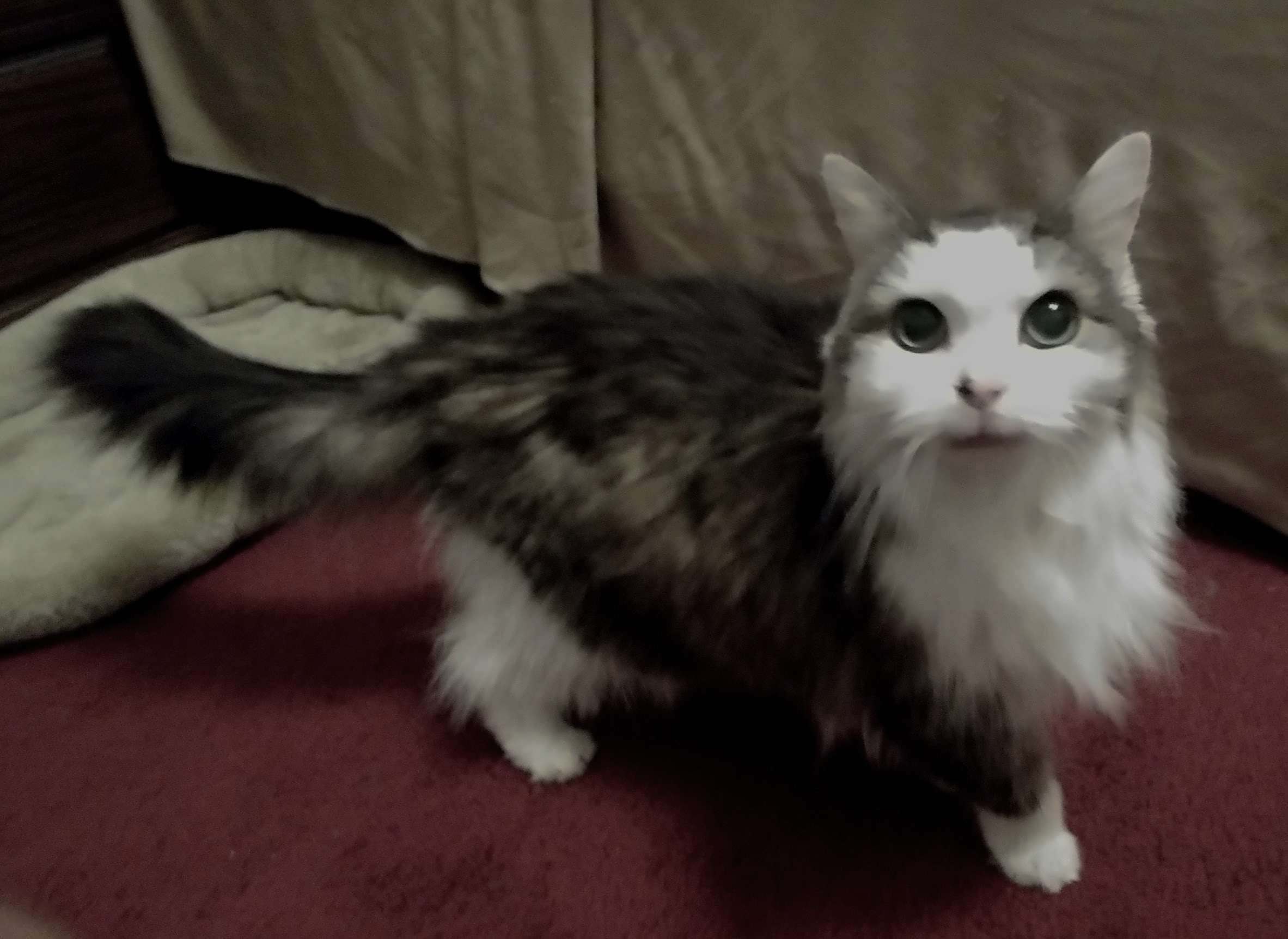 There is something especially meaningful about seeing a gray whiskered cat suddenly sprint across the room. It feels like a glimpse into their younger days. It can bring back memories of when they first explored your home as a kitten.
We have experienced loss in our own home, including the recent passing of our youngest cat from an infection. When you have loved many pets over the years, you learn to appreciate every stage of life. The quiet naps. The slow walks. The playful swats. And yes, the zoomies.
Senior years are not just about decline. They are about adaptation. Cats adjust to changes in their bodies. They rest more, move differently, and find new favorite spots. But within that slower rhythm, there can still be flashes of pure, joyful energy.
Creating a Zoomie Friendly Home for Seniors
If your senior cat still gets the zoomies, you can support them by making your home as safe and comfortable as possible. Keep nails trimmed to help with traction. Provide ramps or steps if they enjoy jumping onto furniture. Ensure litter boxes are easy to access without steep climbs.
Offer consistent routines. Cats thrive on predictability. Regular feeding times and calm environments help reduce stress and support healthy behavior. Most importantly, celebrate those moments. Instead of worrying immediately, take a breath and watch. Is your cat’s body language relaxed? Are their ears forward and their movements playful? If so, you are likely witnessing happiness.
Final Thoughts
Zoomies in senior cats are often a wonderful sign. They can indicate comfort, trust, emotional security, and even a bit of leftover kitten spirit. While it is wise to stay aware of health changes in older pets, not every burst of speed is a problem.
At BellenPaws, our goal has always been to share real life experience from a home filled with aging pets. We are not veterinarians. We are pet parents who have walked through diabetes, thyroid disease, kidney issues, blindness, and cancer. We have also laughed at midnight sprints across the hallway.
If your senior cat still gets the zoomies, consider it a gift. It is a reminder that age does not erase joy. Sometimes it simply changes the pace. And every now and then, that pace still includes a dash of wild, happy energy across the living room floor.