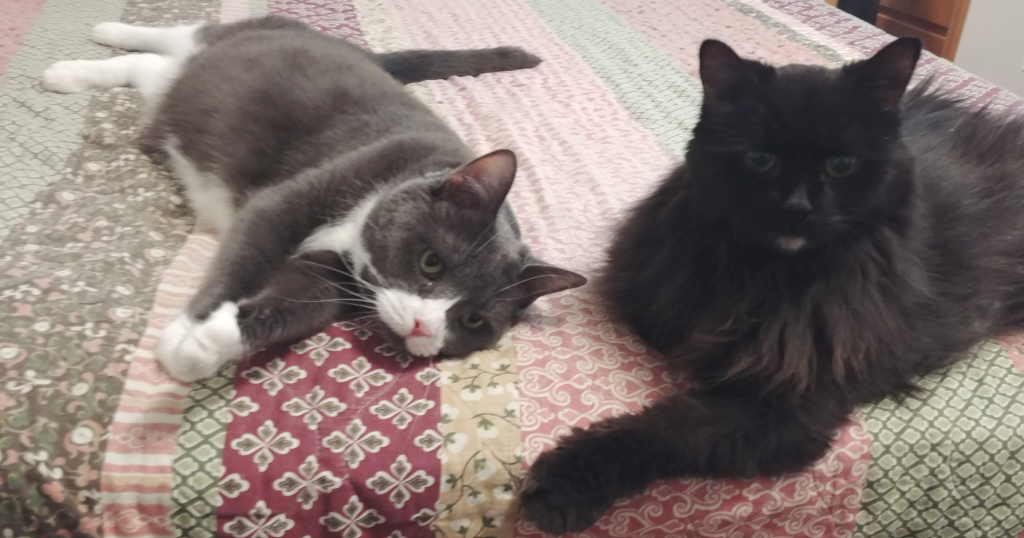
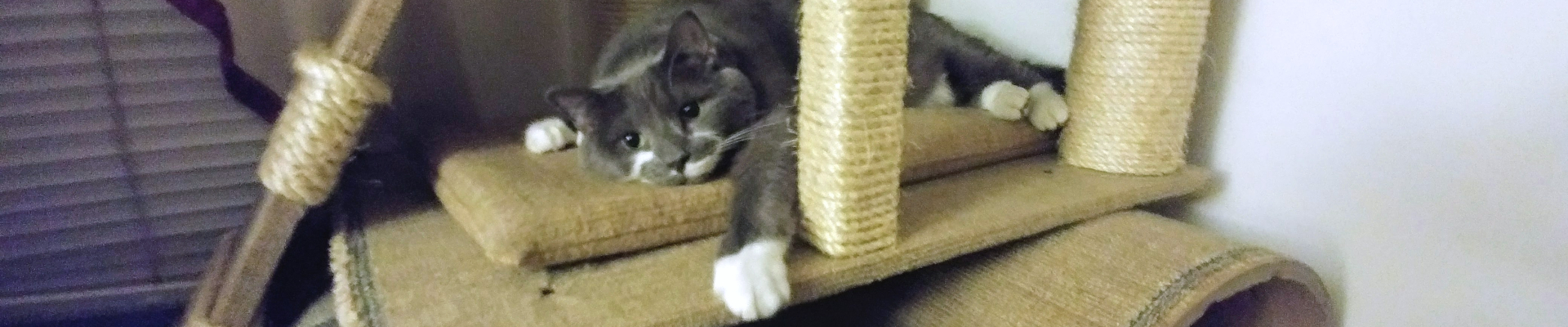
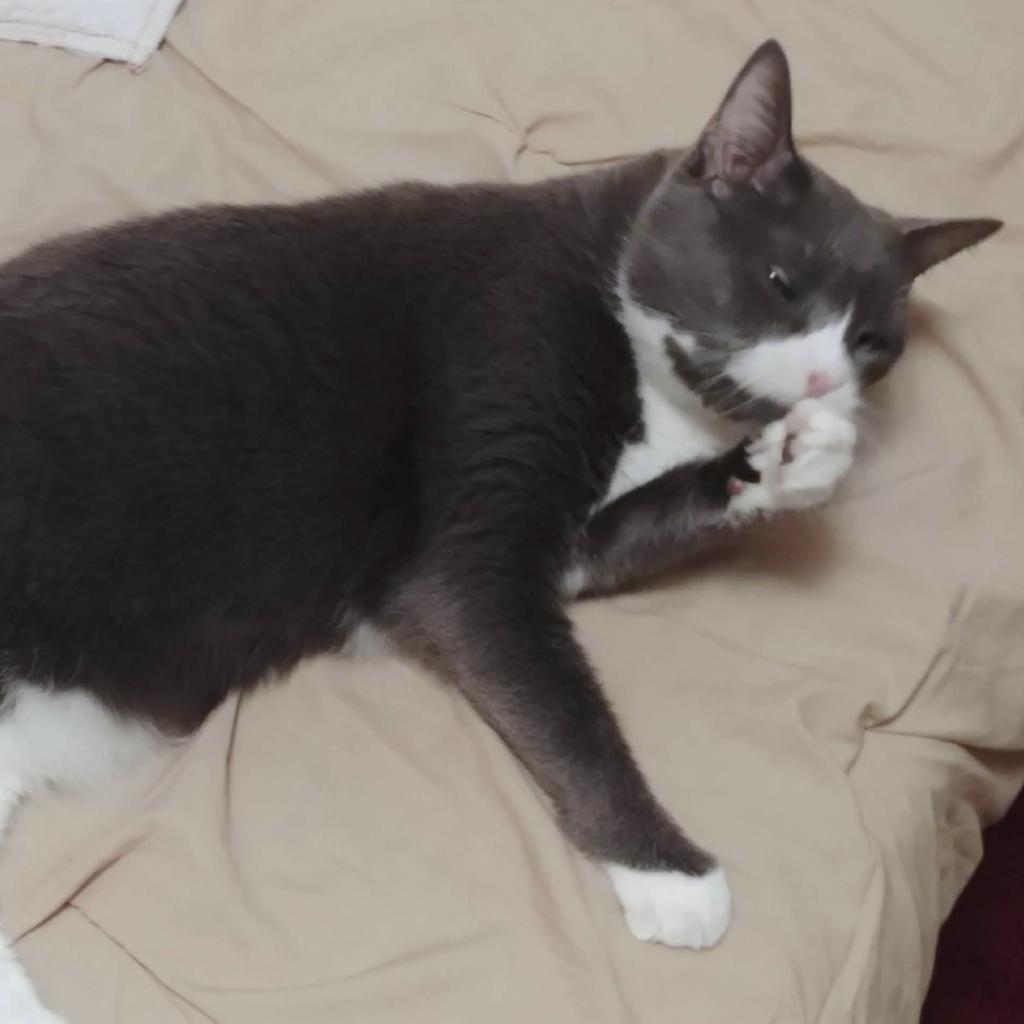
One of the quiet realities of sharing life with a senior cat is noticing the small changes that happen long before anything feels urgent. A coat that once looked glossy may start to look dull. Fur that was thick and plush may thin in places. You might notice dandruff where there never was any before, or discover small mats forming even though your cat still grooms. These changes can be subtle, gradual, and easy to dismiss as “just getting older.”
But skin and coat changes are often one of the earliest outward signs that an aging cat’s body is working differently than it used to. While not every change signals a problem, paying attention to these shifts can help you support your cat’s comfort, catch issues earlier, and adjust care in ways that truly improve quality of life.
This article is written from the perspective of long-time pet owners who have lived with senior cats through many stages of aging. We are not veterinarians. Everything here is meant to help you observe, understand, and care more thoughtfully for your older cat, using plain language and practical experience.
Why Skin and Coat Change With Age
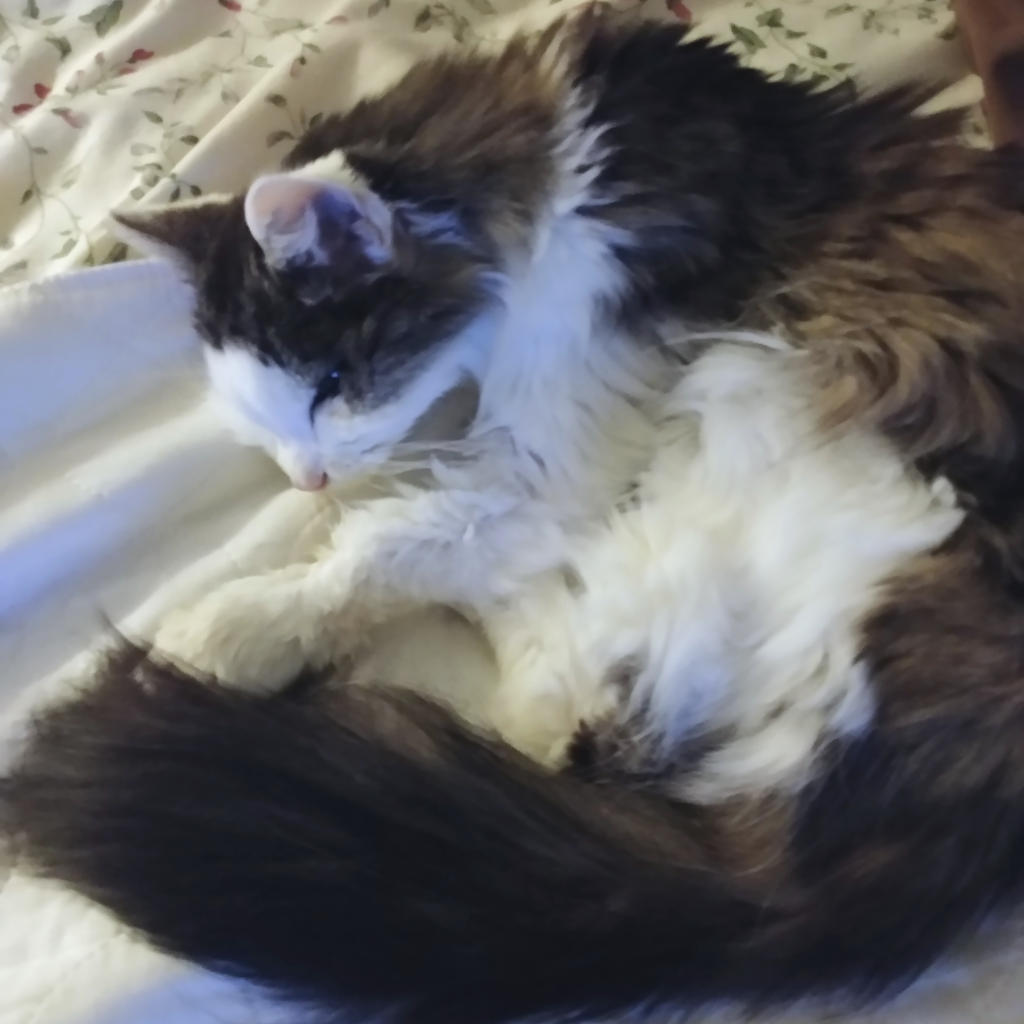 A cat’s skin and coat reflect what is happening inside the body. In younger cats, cell turnover is fast, oil production is balanced, and grooming comes naturally. As cats age, several things change at once.
Metabolism slows. Nutrients may not be absorbed as efficiently. Hormones can fluctuate. Mobility may decline, making grooming more difficult. The immune system also changes with age, which can affect how the skin heals or responds to irritation.
These shifts do not happen overnight. Most senior cats experience them gradually, which is why owners often notice coat changes first before anything else seems “wrong.”
Common Coat Changes in Senior Cats
Dull or Greasy Fur – A healthy cat coat usually has a soft shine. In older cats, fur may lose that luster and look dry, dusty, or sometimes oily instead. This can happen because oil glands are not regulating themselves as efficiently, or because grooming habits have changed.
Cats with arthritis or stiffness may groom less thoroughly, especially along the back, hips, and belly. When grooming decreases, natural oils are not distributed evenly, leading to uneven texture and appearance.
Thinning Fur or Patchy Areas – It is not unusual for senior cats to have thinner fur than they did in their younger years. Hair growth slows with age, and shedding patterns may change.
However, noticeable bald spots, especially if they appear suddenly or are accompanied by redness or scabs, deserve closer attention. Thinning fur can sometimes be linked to hormonal conditions, chronic stress, or excessive licking due to discomfort.
Increased Shedding – Older cats often shed more consistently throughout the year instead of following seasonal patterns. This can be frustrating for owners, but it is usually a normal part of aging.
Regular brushing becomes more important at this stage, not just to reduce fur around the house, but to prevent mats and stimulate healthy skin circulation.
Skin Changes You May Notice
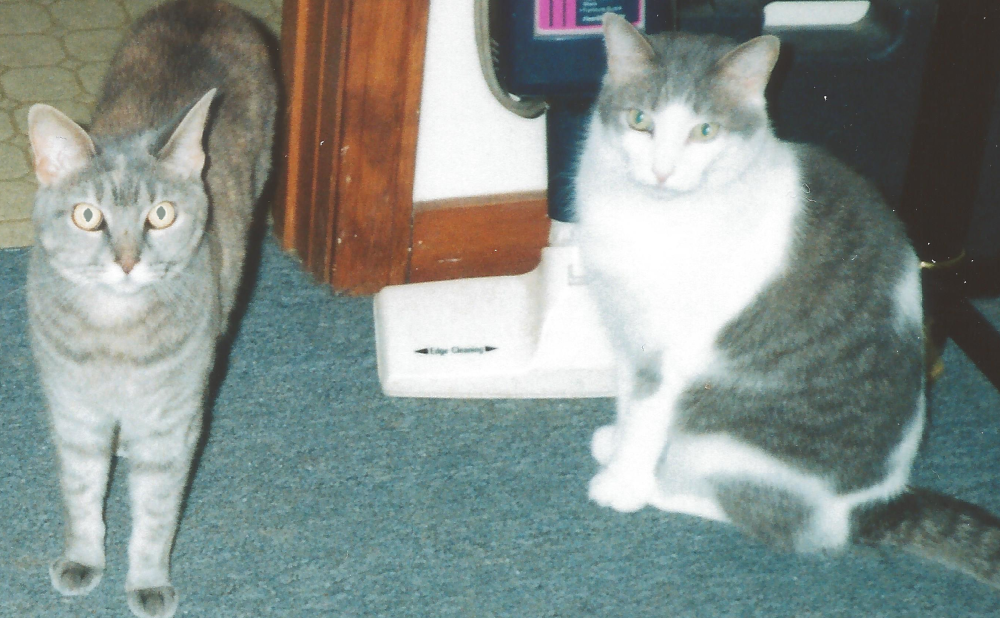 Dry Skin and Dandruff – White flakes on the fur or bedding are a common complaint among owners of senior cats. Dry skin can result from reduced oil production, dehydration, or changes in diet.
Indoor heating during colder months can make this worse. Senior cats may also drink less water than they should, even when bowls are readily available.
Thicker or Thinner Skin – Aging skin can become thinner and more fragile, making it easier to tear or bruise. In some cats, certain areas may feel thicker or less elastic than before.
This matters because older skin heals more slowly. Small scratches that once disappeared quickly may linger longer, making prevention and gentle handling more important.
Lumps, Bumps, and Growths – As cats age, it is common to find small lumps under the skin. Many of these are harmless fatty growths, but not all lumps are benign.
Any new lump, change in size, or area that feels painful should be monitored and discussed with a veterinarian. While this article focuses on everyday care, physical changes like these are part of why regular senior wellness checks matter.
Grooming Changes in Older Cats
Reduced Self-Grooming – Cats are famous for grooming, but senior cats often groom less, especially if they have joint pain, dental issues, or reduced flexibility.
You may notice greasy fur along the spine, mats under the arms, or an unkempt belly area. This is not laziness. It is often a sign that grooming has become uncomfortable.
Helping with grooming is one of the simplest ways owners can improve a senior cat’s daily comfort.
Over-Grooming in Certain Areas – On the opposite end, some cats groom excessively in one spot. This can be due to pain, anxiety, allergies, or skin irritation.
If you notice a cat licking one area repeatedly, it is worth paying attention. Skin issues are often connected to something deeper, even if the skin itself looks normal at first.
The Role of Nutrition in Skin and Coat Health
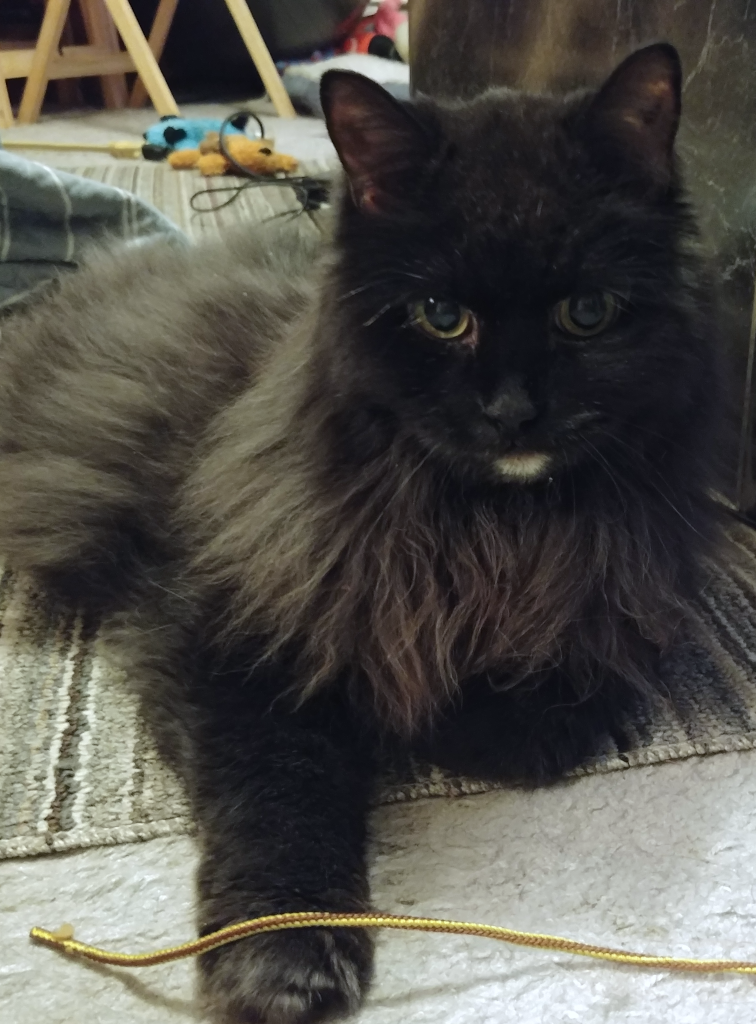 What a cat eats plays a major role in how their skin and coat look and feel. As cats age, their nutritional needs change.
Senior cats may need higher quality protein, balanced fats, and adequate hydration. Omega-3 and omega-6 fatty acids are especially important for skin health, but balance matters. Too much or too little can cause issues.
Cats with medical conditions such as kidney disease, thyroid problems, or diabetes may have additional dietary considerations that affect their coat. Changes in fur can sometimes reflect how well a current diet is supporting the body.
If you notice ongoing skin issues, dull coat, or excessive dryness, nutrition is one of the first areas worth reviewing.
Skin and Coat Changes in Cats With Diabetes
For cats living with diabetes, skin and coat changes can be more noticeable. Blood glucose levels affect circulation, hydration, and immune response.
Some diabetic cats develop thinner fur, slower wound healing, or dry skin. Infections may take longer to resolve. Monitoring skin closely becomes especially important in these cases.
Keeping glucose levels as stable as possible helps support overall skin health. Tools like glucose trackers and printed curve forms can be useful for spotting trends and sharing information with your veterinarian when adjustments are needed.
Helping Your Senior Cat Maintain Healthy Skin and Fur
Gentle, Regular Brushing – Brushing does more than remove loose hair. It stimulates circulation, spreads natural oils, and gives you a chance to notice changes early.
Choose a soft brush and keep sessions short and positive. For cats with arthritis, avoid sensitive areas and let them set the pace.
Supporting Hydration – Hydration plays a major role in skin health. Encourage drinking by offering fresh water daily, using wide bowls, or adding water fountains if your cat prefers moving water.
Wet food can also contribute to hydration and may benefit skin condition over time.
Creating a Comfortable Environment – Warm, dry indoor air can worsen dry skin. Maintaining moderate humidity and providing cozy resting areas helps keep skin from becoming overly dry or irritated.
Comfort also matters for grooming. Soft bedding and easy-to-access resting spots reduce stress on aging joints, making self-care less taxing.
When Skin Changes May Signal a Bigger Issue
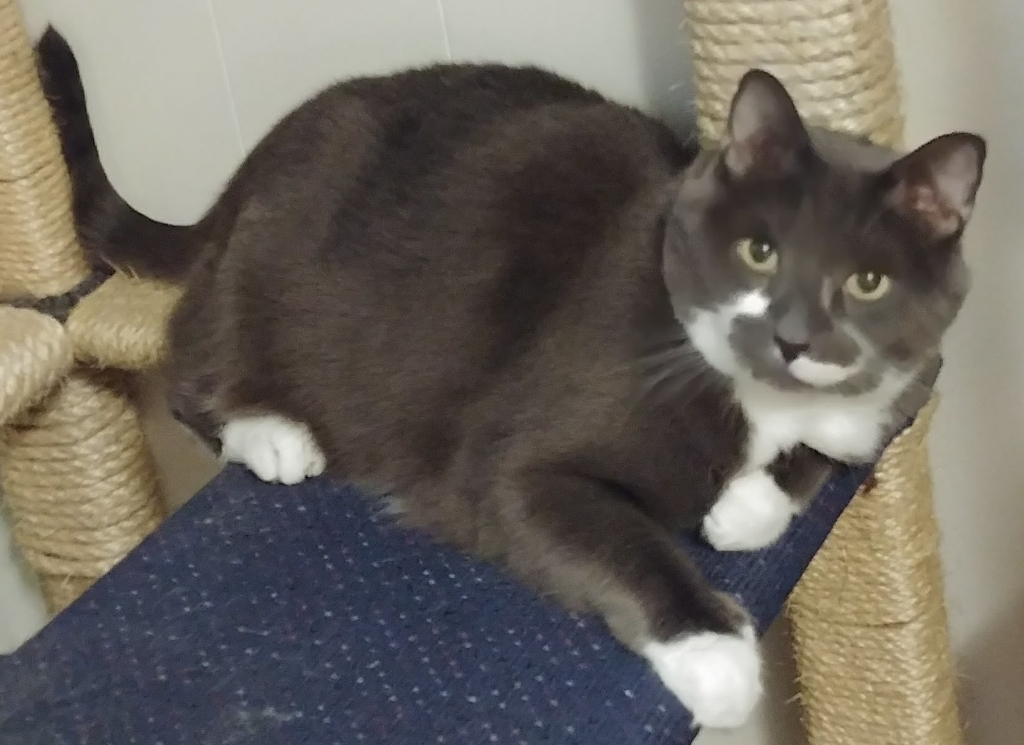 Not every skin change is serious, but some deserve prompt attention. Persistent sores, scabs that do not heal, sudden hair loss, strong odors, or signs of pain should not be ignored.
Skin is often the messenger. It reflects internal health, stress levels, and how well the body is coping with age.
Trust your instincts. If something feels different or concerning, it is worth asking questions.
Emotional Impact of Physical Changes
Watching a beloved cat age can be emotionally challenging. Changes in appearance can feel like reminders that time is moving forward.
It is important to remember that aging does not mean suffering. Many senior cats remain content, affectionate, and comfortable with the right support.
Helping a cat stay clean, comfortable, and itch-free is not about appearance. It is about dignity and quality of life.
A Final Thought
Skin and coat changes are part of the aging journey for many cats, but they are also opportunities. They invite us to slow down, observe more closely, and adapt our care.
Senior cats often need less excitement and more consistency. They thrive on gentle routines, thoughtful attention, and owners who notice the small things.
By understanding what is normal, what is common, and what deserves extra care, you become a better advocate for your aging companion. And in return, senior cats continue to offer what they always have: quiet presence, deep trust, and love that does not fade with time.
Senior pets still have love to give. Sometimes they just need a little extra help showing it.