Caring about animals often starts at home, with the pets we love and grow old with. Over time, many of us begin to notice the animals living just outside that circle. Community cats sleeping under porches, darting across parking lots, or quietly appearing near feeding areas. Some look healthy. Others are thin, injured, or clearly aging without support. That is often where people first hear about Trap-Neuter-Return programs, commonly called TNR.
TNR is not a perfect solution, and it is not a quick one. It sits in a complicated space between compassion, practicality, and responsibility. When done ethically, it can reduce suffering, stabilize populations, and allow cats to live with dignity rather than fear. When done poorly or without planning, it can create new problems for both animals and people.
For those of us who have spent years caring for senior pets, especially pets with medical needs, the idea of ethical care tends to feel very personal. We know what it means to monitor health, adapt environments, and make choices that prioritize comfort over convenience. Supporting TNR ethically requires that same mindset.
What Trap-Neuter-Return Actually Is
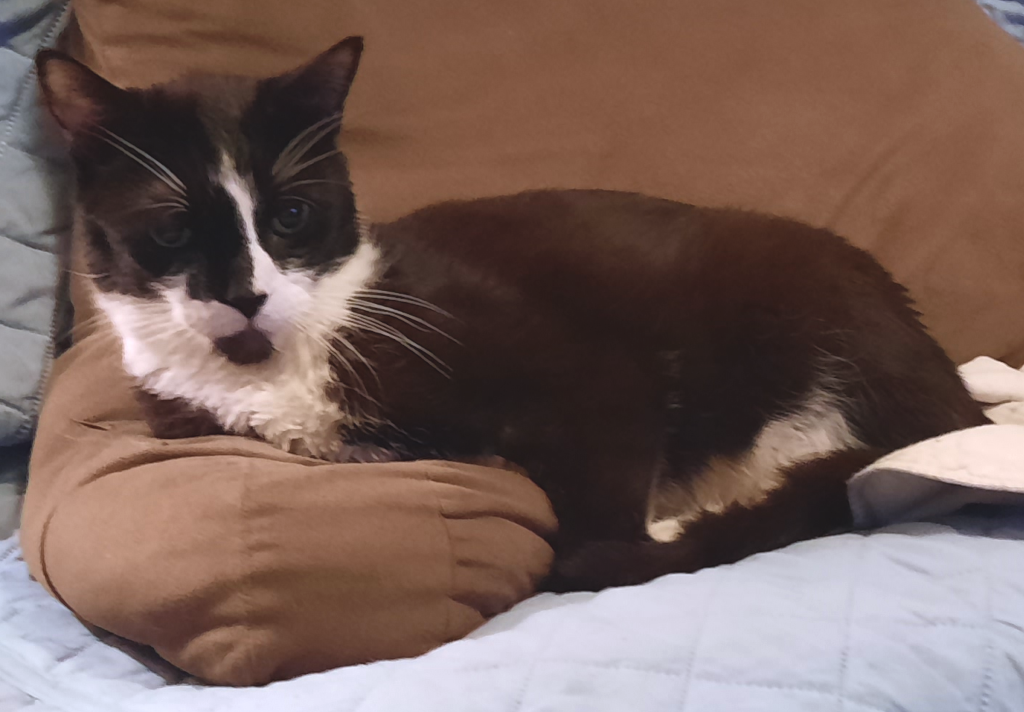 At its core, TNR is simple. Free-roaming cats are humanely trapped, taken to a veterinarian to be spayed or neutered, vaccinated, and then returned to the area they came from. After that, caretakers continue to monitor the cats, provide food, and watch for health issues.
The goal is not to tame or rehome every cat. Many community cats are not socialized to people and do not thrive indoors. Instead, TNR aims to stop the cycle of endless breeding while allowing cats to live out their lives in familiar territory.
This matters because unaltered cats reproduce quickly. One pair can lead to dozens of kittens within a few years. Many of those kittens do not survive long, especially outdoors. Hunger, illness, injury, and weather take a heavy toll. TNR reduces that suffering by preventing future births rather than reacting after the fact.
Why Ethics Matter in TNR
Not all TNR efforts are created equal. Ethical TNR puts the cats first while also considering the surrounding community. It avoids shortcuts and focuses on long-term care rather than one-time actions.
Ethics come into play at every step. How cats are trapped. Where they are taken for surgery. How recovery is handled. Whether there is a plan for ongoing care. Even how neighbors are informed and involved.
An ethical approach recognizes that these cats are living beings, not numbers to be reduced or problems to be removed. It also recognizes that humans created the situation in the first place, through abandonment, lack of spaying and neutering, and unchecked breeding.
Humane Trapping and Handling
The first ethical consideration is how cats are trapped. Humane traps are designed to keep cats safe, contained, and protected from injury. Trapping should never involve force, chasing, or unsafe equipment.
Cats should not be left unattended in traps for long periods. Weather conditions matter. Extreme heat or cold can be dangerous. Ethical trappers plan carefully, monitor traps closely, and provide coverings to reduce stress.
Handling after trapping should be calm and minimal. Fear and stress can worsen existing health problems, especially in older cats. Anyone participating in TNR should take time to learn proper techniques or work alongside experienced volunteers.
Veterinary Care Beyond Surgery
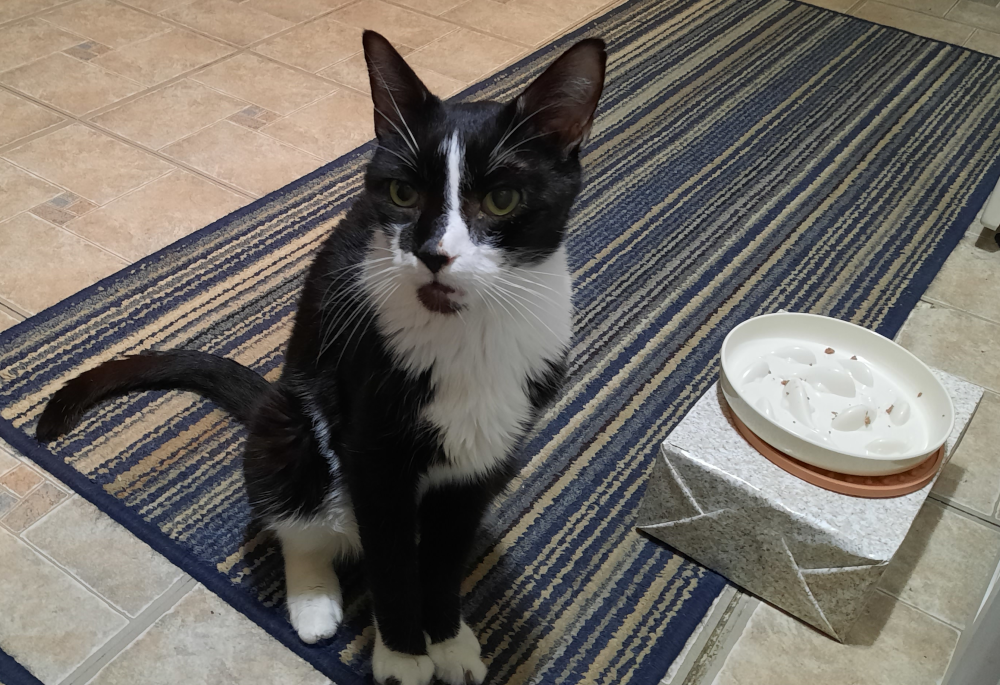 Spaying or neutering is the central part of TNR, but it should not be the only care provided. Ethical programs include basic vaccinations, parasite control, and a quick health check during surgery.
This is especially important for senior community cats. Just like our pets at home, older cats often have hidden issues. Dental disease, kidney problems, thyroid issues, and injuries from past fights are common. While TNR clinics cannot address every condition, they can sometimes identify cats who need additional help.
In some cases, a cat may be too ill to return immediately. Ethical caretakers work with veterinarians to decide next steps, whether that means treatment, hospice care, or humane euthanasia when suffering cannot be relieved.
These are difficult decisions, but avoiding them does not make them disappear. Ethical TNR acknowledges that not every outcome will be easy or happy.
Recovery and Safe Return
After surgery, cats need time to recover in a quiet, safe space. Ethical programs provide clean recovery areas where cats can rest, stay warm, and be monitored for complications. Rushing recovery increases the risk of infection or injury. Cats should not be released until they are alert, stable, and able to move normally.
Returning cats to the exact location they came from is also critical. Community cats are territorial. Dropping them in unfamiliar areas can be dangerous and disorienting. Ethical TNR respects that cats know their environment and have established survival patterns.
Ongoing Care Is Not Optional
One of the biggest ethical failures in TNR happens after the cats are returned. TNR is not a one-time event. It creates a responsibility. Ethical support includes regular feeding, access to clean water, and some form of shelter from weather. It also includes watching for changes. Weight loss, limping, poor coat condition, or behavior changes may signal health problems.
This is where experience with senior pets becomes incredibly valuable. People who have cared for aging animals know how subtle signs can be. A cat who stops grooming. A cat who isolates. A cat who eats differently. Ethical caretakers respond to these signs rather than ignoring them.
Special Considerations for Senior Community Cats
Not all community cats are young and agile. Many are seniors who have survived years outdoors. These cats often need extra support. Older cats may struggle with cold, heat, and mobility. Providing insulated shelters, raised feeding stations, and consistent routines can make a real difference. Ethical TNR adapts care to the cat, not the other way around.
In some cases, senior community cats who are friendly or become ill may be candidates for indoor care, foster homes, or sanctuary environments. Ethical programs stay flexible and compassionate, recognizing that needs change over time.
Working With the Community
Ethical TNR does not happen in isolation. It involves communication with neighbors, property owners, and local authorities when necessary. Misinformation about TNR is common. Some people worry about noise, smell, or wildlife. Ethical supporters take time to explain how spaying and neutering reduces nuisance behaviors like spraying and fighting.
Listening matters too. Ethical programs address concerns respectfully rather than dismissing them. Building trust makes long-term success more likely and reduces conflict.
Avoiding the Savior Mentality
It is easy to feel like every animal situation requires immediate rescue. Ethical TNR avoids the savior mindset and focuses on what is best for each cat. Not every cat wants or needs to be indoors. Not every situation has a perfect solution. Ethical care means making thoughtful choices, even when emotions run high.
This is something many senior pet owners understand deeply. Loving an animal does not mean prolonging suffering or forcing change for our own comfort. It means listening, observing, and responding with humility.
Supporting TNR Even If You Cannot Participate Directly
 Not everyone can trap cats, foster, or manage a colony. Ethical support can take many forms. Donating to reputable local programs helps cover surgery and medical costs. Sharing accurate information helps counter myths. Advocating for spay and neuter programs in your area makes a difference.
Even small actions matter. Providing food during recovery. Lending a garage space. Helping transport cats. Ethical support is about contributing within your limits.
A Natural Extension of Senior Pet Values
For many people, caring about TNR grows naturally out of caring for senior pets. It comes from understanding aging, vulnerability, and the importance of consistency.
At BellenPaws, the heart of everything has always been experience over theory. Learning through years of caring for animals with diabetes, kidney disease, thyroid issues, cancer, blindness, and mobility challenges teaches patience and perspective. Ethical TNR reflects those same values. It is not flashy. It does not offer instant results. It requires commitment, compassion, and respect for the lives involved.
Closing Thoughts
Supporting Trap-Neuter-Return ethically is not about choosing sides or proving a point. It is about reducing suffering in a realistic, humane way. It is about recognizing that community cats exist and deserve thoughtful care, even when solutions are imperfect.
Just as with senior pets, ethical care means showing up consistently, paying attention, and making choices rooted in kindness rather than convenience.
When approached with care and responsibility, TNR becomes less about managing populations and more about honoring lives. And for those of us who have shared our homes and hearts with aging pets, that approach feels not just right, but necessary.