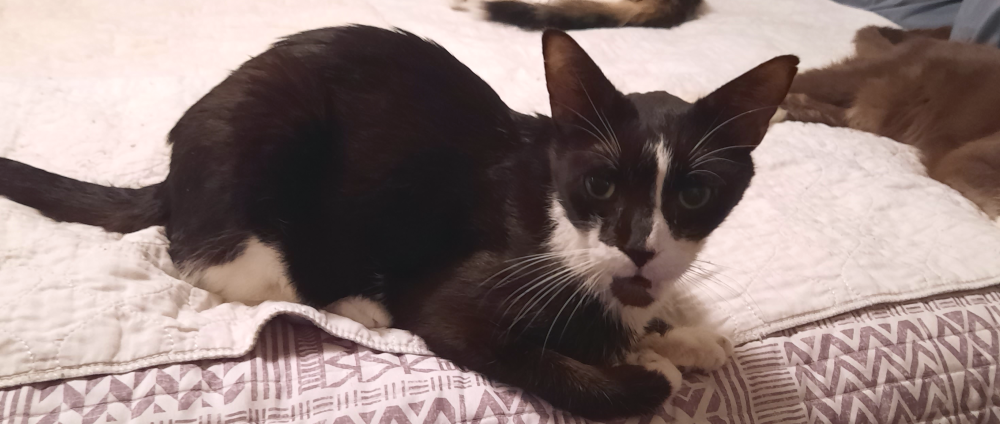

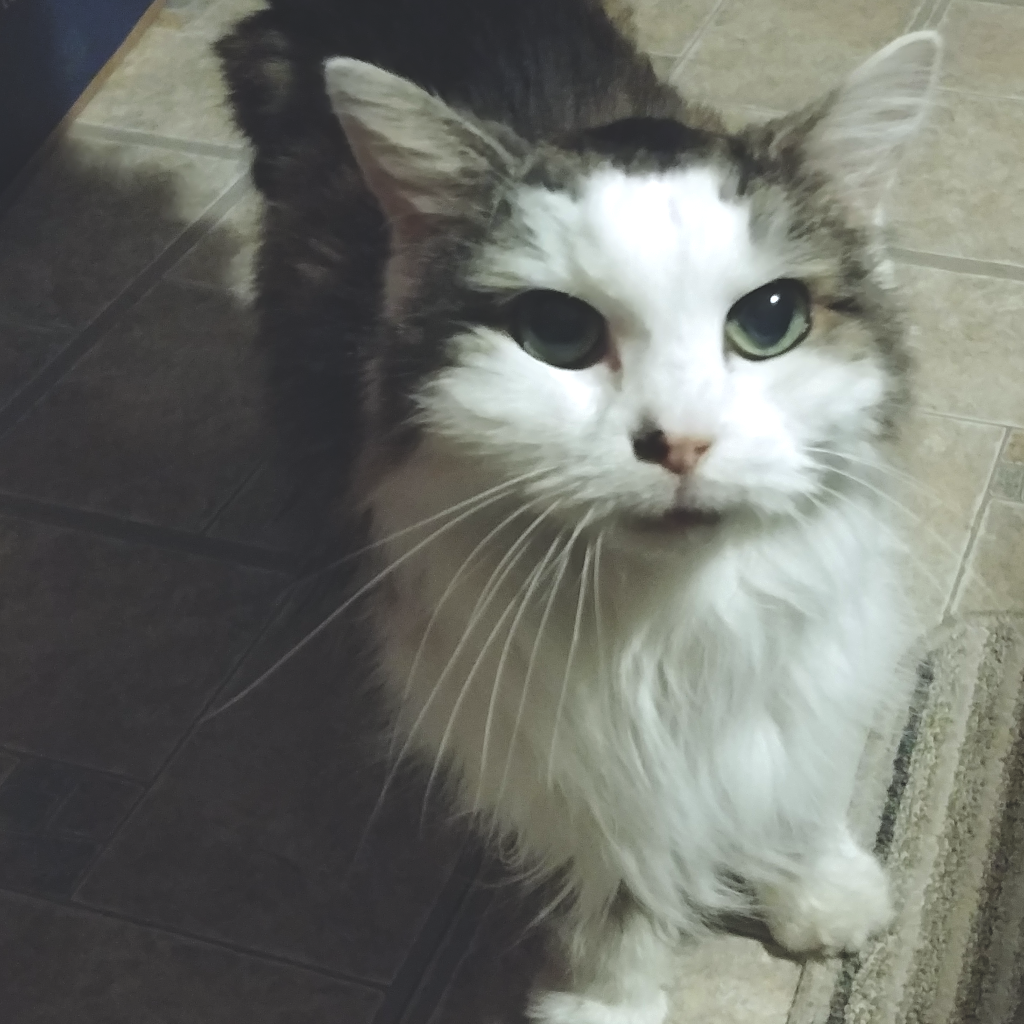
Cats living outdoors are often grouped together under a single label, but not all outdoor cats share the same background, behavior, or needs. Two terms commonly used are feral cats and stray cats. While they may look similar at a glance, their relationship with humans, their survival strategies, and the way communities should respond to them are very different.
Understanding what makes feral cats different from strays matters for animal welfare, public education, and effective community programs. Mislabeling a cat can lead to inappropriate interventions that cause unnecessary stress or harm. By learning the distinctions, people can make more informed and compassionate choices.
What Is a Stray Cat?
A stray cat is a cat that was once socialized to humans but has lost its home or become separated from its caretaker. These cats may have lived indoors, outdoors with human support, or in a mixed environment before ending up on their own.
Stray cats often retain behaviors learned from previous human contact. They may approach people cautiously, respond to food offerings, or show curiosity rather than fear. Many strays can be re-socialized fairly quickly, especially if their time outdoors has been short.
Some stray cats are abandoned intentionally, while others are lost due to moves, evictions, illness, or natural disasters. In many cases, a stray cat is not far from where it originally lived, surviving on scavenged food, handouts, or nearby shelters.
What Is a Feral Cat?
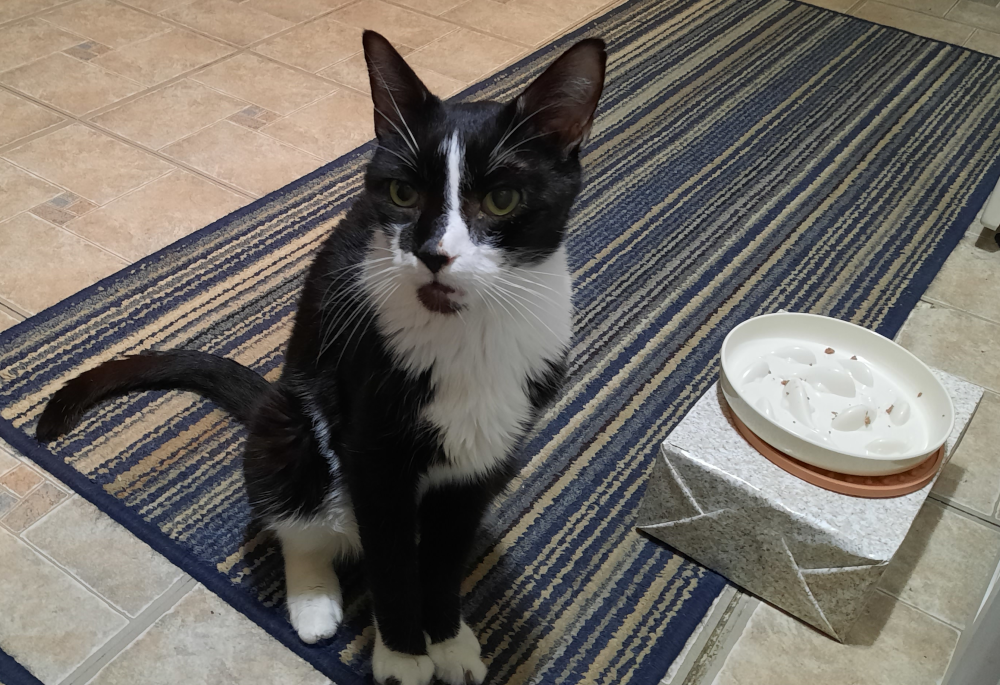 A feral cat is a cat that has had little to no direct human socialization, particularly during the critical early weeks of life. These cats are essentially wild in behavior, even though they are the same species as domestic cats.
Feral cats are typically born outdoors to other feral cats or to strays that gave birth without human involvement. Because they did not learn to associate humans with safety, they view people as potential threats. As a result, feral cats avoid human contact and will flee, hide, or become defensive if cornered.
While feral cats live independently of humans, they often form colonies around reliable food sources such as dumpsters, barns, alleys, or managed feeding stations. These colonies have social structures and territories that help them survive.
Socialization Is the Key Difference
The most important difference between feral cats and stray cats is socialization. Socialization refers to a cat’s comfort level with humans and their ability to interact safely and calmly.
Stray cats are usually socialized, even if they appear frightened at first. Fear in strays often comes from hunger, injury, or recent trauma rather than a lifelong avoidance of people. Given time, patience, and a safe environment, many strays can adapt to indoor living again.
Feral cats, on the other hand, are unsocialized or minimally socialized. Adult feral cats rarely become comfortable as house pets. Attempts to force interaction can lead to extreme stress, injury, or illness for the cat and risk to the caregiver.
Behavioral Differences You Can Observe
Behavior offers valuable clues when trying to distinguish a feral cat from a stray.
Stray cats may:
- Make eye contact with people
- Meow or vocalize
- Approach food bowls while humans are nearby
- Allow limited touching over time
- Appear dirty or thin but still curious
Feral cats may:
- Avoid eye contact and remain hidden
- Freeze or flee when humans approach
- Move primarily at night
- Remain silent around people
- Show defensive behaviors if trapped
These behaviors are not absolute, but patterns over time can help determine which category a cat falls into.
Health and Survival Differences
Stray cats often struggle when first living outdoors. Because they once relied on humans for food and shelter, they may lack strong survival skills. This makes them more vulnerable to starvation, traffic accidents, weather extremes, and disease.
Feral cats, while still facing many risks, are typically more adept at outdoor survival. They know how to find shelter, avoid danger, and hunt when necessary. However, survival does not mean thriving. Feral cats often suffer from untreated injuries, parasites, dental disease, and shortened lifespans.
Both groups face significant health challenges outdoors, but the strategies used to help them must be tailored to their level of socialization.
Rehoming Potential and Limitations
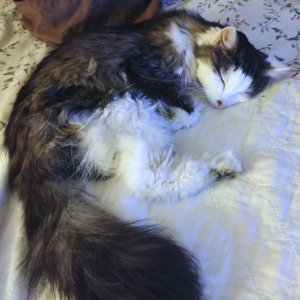 Stray cats are often good candidates for adoption once they receive veterinary care and time to decompress. Many rescues prioritize strays because their likelihood of successful placement is higher.
Feral cats generally are not adoptable as traditional pets, especially if they are adults. Attempting to place a feral cat in a home can result in chronic stress, hiding, refusal to eat, or aggressive behavior. For these cats, humane alternatives are essential.
Kittens born to feral mothers are an exception. If kittens are rescued early enough, typically before eight weeks of age, they can often be socialized successfully and adopted into homes.
The Role of Trap Neuter Return
Trap Neuter Return, often called TNR, is a humane management approach designed primarily for feral cats. Cats are humanely trapped, spayed or neutered, vaccinated, and then returned to their original location.
TNR stabilizes feral cat populations by preventing reproduction. Over time, colonies shrink naturally through attrition rather than growth. Fixed cats also tend to be healthier, quieter, and less likely to roam or fight.
For stray cats, TNR can serve as a temporary measure when immediate placement is not possible. In some cases, friendly strays discovered during TNR efforts are redirected to shelters or foster care.
Why Shelters Treat Them Differently
Animal shelters must assess each cat individually, but policies often differ for strays and ferals. Stray cats may be held for reclaim periods to allow owners to find them. Afterward, they may enter adoption programs.
Feral cats may not enter shelters at all, especially if the shelter is not equipped to manage unsocialized animals. Housing feral cats in cages can cause extreme stress, leading to illness or injury. Many shelters work with community partners to support TNR instead.
Recognizing these differences helps shelters allocate resources effectively while reducing unnecessary suffering.
Community Misunderstandings and Their Consequences
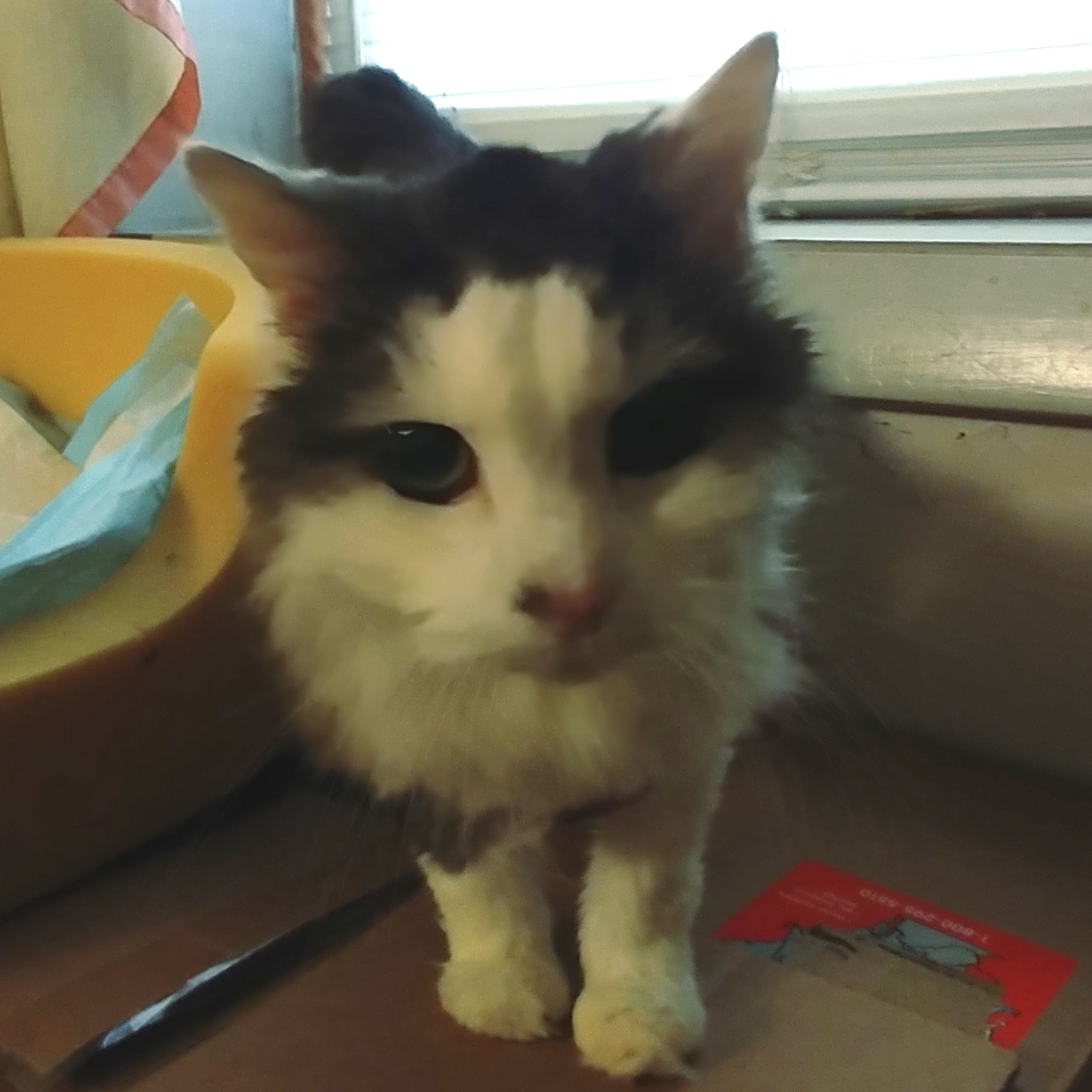 When feral cats are mistaken for strays, well-meaning people may attempt to rescue them in ways that cause harm. Chasing, cornering, or confining a feral cat indoors without preparation can be traumatic. Similarly, assuming a friendly stray is feral may result in missed opportunities for reunification or adoption. Education plays a crucial role in ensuring cats receive appropriate care.
Clear communication, observation, and collaboration with local rescue organizations can prevent these misunderstandings.
Ethical Considerations in Helping Outdoor Cats
Helping outdoor cats involves balancing compassion with realism. Not every cat can or should be placed in a home. Respecting a cat’s nature is an ethical responsibility.
For feral cats, quality of life often improves most through sterilization, vaccination, and stable outdoor care. For stray cats, rehoming or reunification may offer the best outcome.
Understanding these distinctions helps communities move away from one-size-fits-all solutions and toward approaches that prioritize both welfare and sustainability.
Why Language Matters
The words used to describe cats influence public perception and policy. Calling all outdoor cats feral can lead to fear or hostility. Calling feral cats strays can create unrealistic expectations for adoption.
Using accurate terms encourages humane responses and informed decision-making. It also helps advocate for programs like TNR, low-cost spay and neuter services, and community education.
A Compassionate Perspective
Feral cats and stray cats are not opposing categories of good and bad. They represent different life experiences shaped by human involvement or the lack of it. Both deserve humane treatment, protection from cruelty, and thoughtful consideration.
By understanding what makes feral cats different from strays, individuals and communities can respond with empathy rather than assumptions. When actions align with knowledge, outcomes improve not only for cats but for the people who care about them.
Moving Toward Better Coexistence
Outdoor cats are a reality in many environments. Addressing their presence responsibly requires education, cooperation, and patience. Recognizing the differences between feral and stray cats is one of the most important steps in that process.
With informed approaches, it is possible to reduce suffering, prevent population growth, and promote coexistence that respects both animal welfare and community concerns.