When cats age, the changes are often quiet. They do not complain. They do not announce that something feels different. Instead, they adapt, sometimes so well that it takes us a while to notice anything has changed at all. Vision and hearing loss are two of the most common changes senior cats experience, and they often happen slowly enough that they can be mistaken for “normal aging” or changes in personality.
At BellenPaws, we have lived alongside many senior cats and dogs over the years. From Belle and Paws, the sibling pair who inspired this website, to cats like Zippy and Bentley who taught us more than we ever expected to learn about diabetes, and seniors like Bubbles, Clyde, Tabitha, and Seamus who each aged in their own unique way, we have seen firsthand how sensory changes affect daily life. We are people who have shared our homes with aging pets and learned by paying attention, adapting, and showing patience.
This article is meant to help cat owners understand what vision and hearing loss can look like in senior cats and how small changes at home can make a big difference. Senior pets still have love to give, and with the right environment, they can continue to feel safe, confident, and deeply connected to their people.
Understanding Vision Loss in Senior Cats
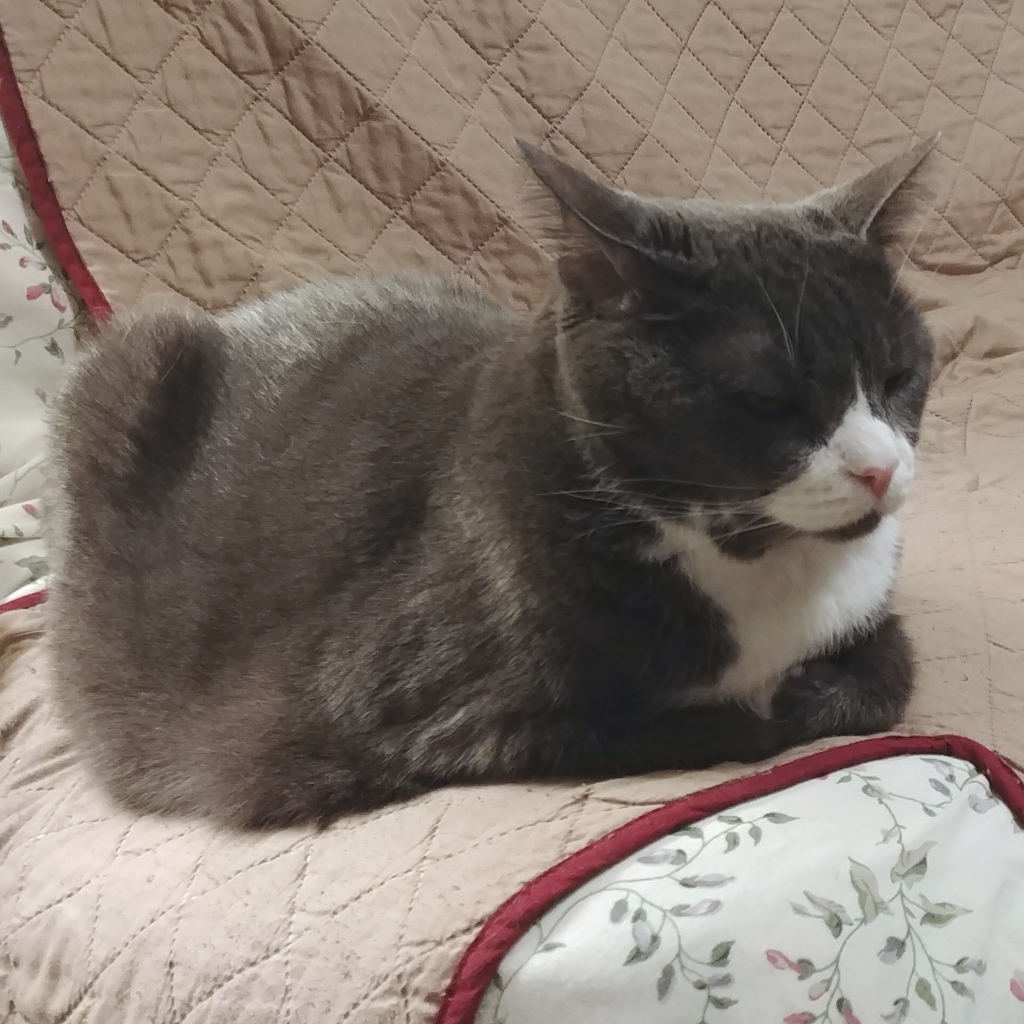 Cats rely heavily on their vision to move confidently through their environment. While they also use smell, whiskers, and memory, changes in eyesight can be unsettling at first.
Vision loss in senior cats may be partial or complete, and it often develops gradually. Some cats lose sharpness and depth perception, while others struggle in low light. Conditions such as cataracts, glaucoma, high blood pressure, diabetes, and age-related eye changes can all play a role.
One of the hardest parts is that cats compensate incredibly well. We noticed this with several of our seniors. A cat may memorize the layout of the house and continue moving around as if nothing is wrong. It is only when furniture is moved or a new obstacle appears that the problem becomes obvious.
Common Signs of Vision Changes
Vision loss does not always look dramatic. Some signs are subtle and easy to miss:
- Hesitation when jumping onto furniture
- Bumping into objects or door frames
- Staying closer to walls when walking
- Difficulty finding food bowls if they are moved
- Increased anxiety in unfamiliar rooms
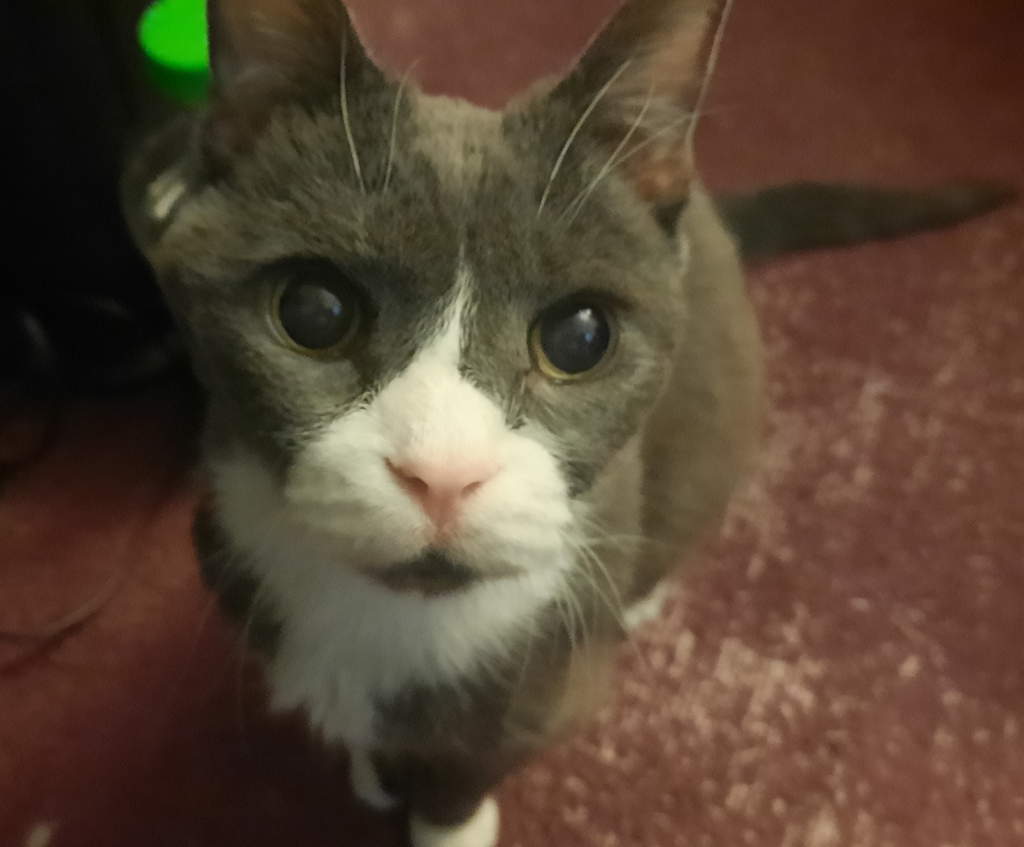
- Dilated pupils or cloudy eyes
- Reluctance to move in low light
If you notice these signs, it does not automatically mean severe blindness. It does mean your cat may need a more predictable environment.
Understanding Hearing Loss in Senior Cats
Hearing loss is even harder to notice than vision loss because cats already choose when they want to respond to sound. A senior cat who does not come when called may simply be assumed to be stubborn or sleepy.
In reality, hearing loss is very common in older cats. It can be caused by age-related nerve changes, chronic ear infections, exposure to loud noises earlier in life, or underlying health issues.
Unlike vision loss, hearing loss does not usually affect a cat’s ability to move around the house. Instead, it changes how they interact with people and other pets.
Signs Your Cat May Be Losing Hearing
Some signs of hearing loss include:
- Not responding to their name or familiar sounds
- Sleeping more deeply and being hard to wake
- Startling easily when touched
- Louder vocalizing than before
- Not reacting to noises like doorbells or food containers
We noticed this with a few of our senior cats who began vocalizing more loudly, especially at night. It was not attention-seeking behavior. They simply could not hear themselves the way they used to.
Why Predictability Matters More Than Ever
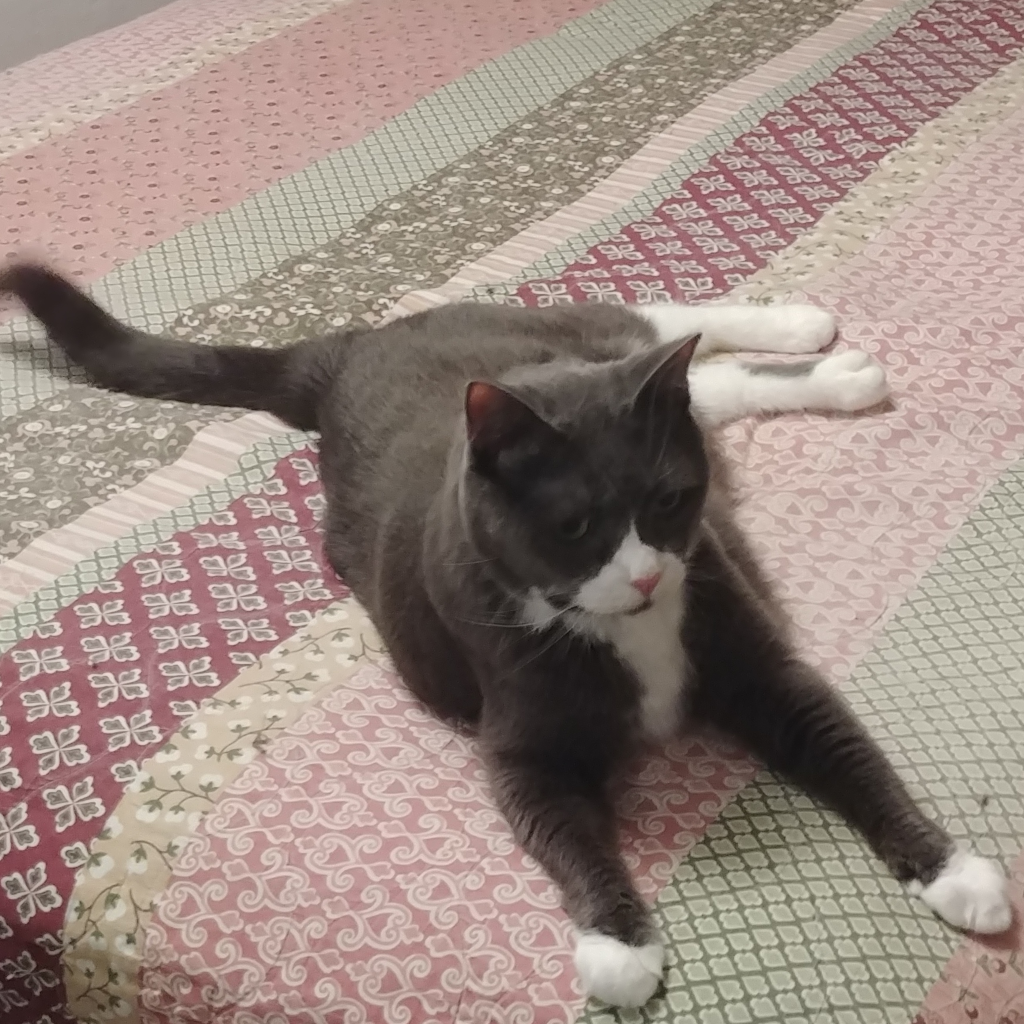 When vision or hearing declines, familiarity becomes a lifeline. Cats feel safest when they know exactly where things are and what to expect.
One of the most important lessons we learned with Belle and Paws was that routine and consistency matter more with age, not less. Even small changes can feel overwhelming to a senior cat who relies on memory instead of sight or sound.
This is why adapting your home thoughtfully is so important.
Adapting Your Home for Vision Loss
You do not need to turn your home into a medical facility. Simple, practical adjustments can make daily life easier for a visually impaired senior cat.
Keep Furniture and Layout Consistent
Avoid rearranging furniture whenever possible. Cats memorize pathways. Moving a couch or coffee table can feel like the floor disappeared beneath them.
If you must rearrange, do it gradually and help your cat explore the new layout calmly and slowly.
Create Clear Pathways
Keep walkways free of clutter. Shoes, boxes, and bags left on the floor can become unexpected obstacles. Clear paths help your cat move confidently.
Use Texture and Scent Cues
Cats rely heavily on their sense of touch and smell. Different textures can help them navigate.
- Place rugs or mats near food bowls, litter boxes, and favorite resting spots
- Use a consistent litter box style and location
- Avoid strong new scents that might confuse them
Improve Lighting
Older cats with vision loss often struggle more in dim light.
- Add night lights in hallways and near litter boxes
- Keep lighting consistent in commonly used areas
- Avoid sudden changes from bright to dark spaces
Adjust Food and Water Stations
Do not move food and water bowls unnecessarily. If you must relocate them, guide your cat to the new spot several times until they memorize it.
Raised bowls can also help some senior cats who struggle with depth perception.
Make Litter Boxes Easy to Find and Use
Litter box accessibility is critical. Senior cats should not have to navigate stairs or tight spaces to reach a bathroom.
- Use low-entry litter boxes
- Keep boxes in predictable locations
- Avoid changing litter types frequently
Adapting Your Home for Hearing Loss
Cats with hearing loss benefit most from visual and tactile communication.
Use Visual Signals
Your cat may no longer hear your voice, but they can still see you.
- Gently wave before approaching
- Use consistent hand signals for feeding time
- Turn lights on and off to get attention instead of calling
Approach Gently
Always approach from the front when possible. Sudden touches from behind can startle a deaf cat and damage trust.
We learned this with more than one senior who startled easily once their hearing faded. A calm approach made all the difference.
Create Vibration Cues
Cats can feel vibrations through floors and furniture.
Light foot taps before approaching
Gentle surface taps near them to announce your presence
Be Patient with Vocal Changes
Some senior cats become louder as hearing fades. This can be distressing at night, but it is not misbehavior.
They may be checking if someone is nearby or simply unaware of their own volume. Reassurance, gentle touch, and maintaining routines can help reduce anxiety.
Multi-Sensory Support for Senior Cats
Many senior cats experience both vision and hearing loss together. In these cases, supporting their remaining senses becomes even more important.
Strengthen Routine
Feeding times, medication schedules, and daily interactions should happen around the same times each day. Routine builds confidence.
Use Touch as Communication
Gentle petting, brushing, and physical contact become powerful forms of reassurance. A familiar hand can replace lost sensory input.
Keep Other Pets in Mind
If you have multiple pets, monitor interactions closely. Younger or more energetic animals may accidentally startle or overwhelm a sensory-impaired senior.
Providing safe, quiet spaces for your senior cat to retreat to is essential.
Emotional Well-Being Matters Too
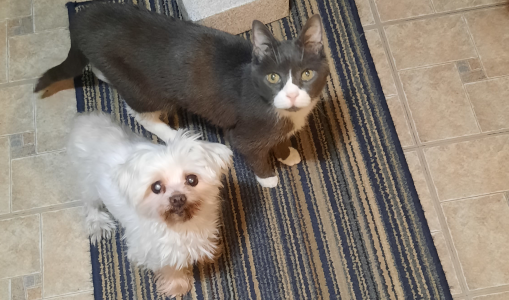 Vision and hearing loss do not just affect mobility. They affect confidence, security, and emotional health.
Some senior cats become more withdrawn. Others become clingier. Both responses are normal.
We saw this with cats like Pebbles and BamBam, who each responded differently as they aged. One preferred quiet independence. The other sought constant closeness. Neither was wrong.
Your job is not to force your cat to act the way they used to. It is to meet them where they are now.
When to Seek Veterinary Guidance
While we are not veterinarians, we strongly believe that noticeable changes in vision or hearing should be discussed with a professional. Some causes are treatable or manageable, especially when caught early.
Conditions like high blood pressure, diabetes, and thyroid disease can affect eyesight and hearing. This is one reason tools like glucose tracking, routine observation, and age awareness matter so much.
Senior Cats Still Have Love to Give
Vision and hearing loss do not mean a poor quality of life. Many senior cats continue to enjoy affection, play, routine, and companionship long after sensory changes begin.
Belle and Paws taught us that aging is not about loss alone. It is about adaptation. Zippy and Bentley taught us patience. Cats like Tabitha, Seamus, and Everly remind us that every stage of life has its own kind of beauty.
By adapting your home with care, consistency, and compassion, you are not limiting your senior cat. You are freeing them to continue living fully, safely, and comfortably.
Senior pets still have love to give. Sometimes they just need a little help finding their way.