
Few sounds in the world are as comforting as a cat’s purr. It is soft, rhythmic, and deeply reassuring. Many of us associate it with cozy evenings, gentle head bumps, and the quiet trust that builds between a cat and their human over time.
But purring is not always a sign of happiness. Especially in senior cats, that soothing vibration can sometimes mean something more complicated. It can signal stress, discomfort, or even pain. Understanding the difference can make a meaningful impact on your cat’s quality of life.
At BellenPaws, we have lived with cats through every stage of life, from playful youth to delicate senior years. We have watched how behaviors shift subtly as the body changes. Purring is one of those behaviors that deserves a closer look.
What Is a Purr, Really?
 A purr is produced by rapid vibrations of the muscles in a cat’s throat while they breathe in and out. It creates that steady hum that can feel almost therapeutic when a cat curls up beside you. Many experts believe the frequency of a purr may even promote healing within the cat’s own body.
For kittens, purring is a bonding signal. It tells their mother they are safe and content. For adult cats, it often signals relaxation and comfort. However, purring can also serve another purpose. It can be a coping mechanism.
Cats are both predators and prey in the wild. Showing weakness can be dangerous. As a result, they have evolved to hide pain and vulnerability remarkably well. Sometimes, instead of crying out, a cat will purr.
Why a Cat Might Purr When They Are Not Happy
It can feel confusing to hear your cat purring while they are at the veterinary clinic or recovering from surgery. It may seem contradictory. Yet many cats purr during stressful events.
Here are a few reasons why.
Self-Soothing During Stress
Just as humans may hum or rock gently when anxious, cats may purr to calm themselves. The vibration may help regulate their breathing and heart rate. A senior cat visiting the vet, adjusting to a new medication, or coping with changes in the home may purr as a way to manage stress.
Managing Pain or Discomfort
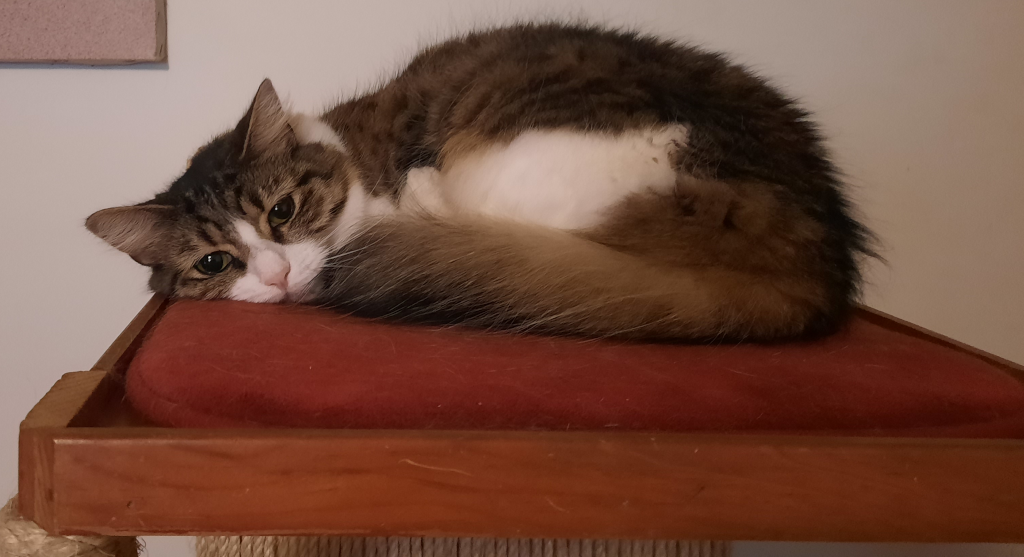 Older cats are more prone to arthritis, dental disease, kidney issues, and other chronic conditions. Some will purr when they are in discomfort. The vibration may provide mild internal relief, almost like a natural form of physical therapy.
We learned this lesson gently over the years with our own cats. A cat might sit quietly, purring steadily, yet move more stiffly than usual. It is easy to assume contentment. But when you pair that purr with subtle changes in posture, appetite, or litter box habits, the story becomes clearer.
Seeking Comfort From You
Purring can also be a request. When a cat is not feeling well, they may come closer than usual. They may press against you and purr steadily. This can be their way of asking for reassurance.
Senior cats often become more attached as they age. If a cat that normally keeps to themselves suddenly seeks constant contact while purring persistently, it is worth observing the bigger picture.
The Senior Cat Difference
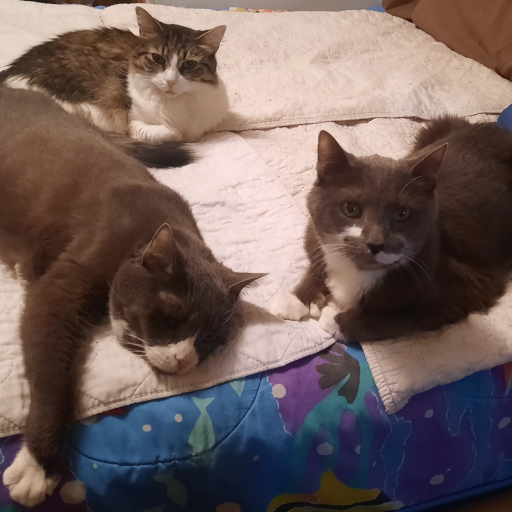 As cats enter their golden years, their bodies change in ways that are not always obvious. Our website includes a cat age calculator because it can be surprising to see how quickly those years add up. A ten year old cat is already considered a senior in many cases. With age comes a higher likelihood of chronic conditions.
Arthritis is common and often underdiagnosed. Kidney disease can progress quietly. Hyperthyroidism can alter appetite and energy levels. Diabetes may affect thirst, weight, and overall behavior.
We have cared for diabetic cats like Zippy and Bentley, and we have seen firsthand how subtle behavioral shifts can be early warning signs. While purring itself does not diagnose a condition, changes in purring patterns can be one piece of the puzzle.
A senior cat who begins purring more frequently while isolating themselves, eating less, or sleeping in unusual places may be signaling that something feels off.
How to Tell the Difference Between Happy Purring and Stress Purring
The key is context. Purring does not exist in isolation. It is one part of your cat’s overall body language and daily routine.
Here are a few clues to watch for:
Body Posture
A relaxed, happy cat usually has loose muscles, soft eyes, and a gently swaying tail. Their ears are forward or neutral. They may knead with their paws or stretch comfortably.
A stressed or uncomfortable cat may have a tense body. Their ears may flatten slightly. Their tail may be tucked or flicking sharply. Their eyes may appear wide or unfocused.
Breathing and Vocalizations
Happy purring often comes with slow, steady breathing. A cat in pain may have faster or shallow breathing. They may also growl, hiss, or yowl if touched in a sensitive area.
Changes in Routine
This is where long term observation becomes powerful. Senior cat owners are often deeply attuned to their pets’ routines. If your cat always greeted you at the door and now stays hidden while purring in a corner, that shift matters.
On BellenPaws, we often encourage owners to track patterns, especially for diabetic pets. Our diabetes tracker and printable glucose forms exist because small changes add up. The same mindset applies to behavior. Write down what you notice. Over time, patterns emerge.
When to Call the Vet
If your senior cat is purring but also showing any of the following signs, it is wise to consult your veterinarian:
- Sudden loss of appetite
- Noticeable weight loss or gain
- Increased thirst or urination
- Limping or difficulty jumping
- Hiding more than usual
- Vomiting or diarrhea
- Changes in litter box habits
You do not need to panic over every purr. Most purring is still a sign of comfort. But when paired with physical or behavioral changes, it deserves attention.
Early intervention can make a tremendous difference in senior cats. Many conditions, including diabetes and kidney disease, are manageable when caught early. We have seen how consistent monitoring and gentle adjustments in care can give cats many more comfortable years.
Supporting a Senior Cat Who May Be Purring From Discomfort
If you suspect your cat may be purring due to stress or mild discomfort, there are supportive steps you can take at home while working with your veterinarian.
Create a Calm Environment
Senior cats thrive on predictability. Keep feeding times consistent. Avoid sudden rearrangements of furniture if possible. Provide quiet resting spots away from noise.
Offer Soft, Accessible Bedding
Arthritic cats may struggle to jump onto high surfaces. Place soft beds at ground level. Heated beds designed for pets can provide soothing warmth, but always follow safety guidelines.
Monitor Food and Water Intake
Keep an eye on how much your cat eats and drinks. Even slight changes can signal an underlying issue. For diabetic cats, tracking numbers and behavior together can give you a clearer picture.
Gentle Interaction
Spend quiet time with your cat. Slow petting sessions, especially around the head and neck if they tolerate it, can provide reassurance. Watch for signs that they want space.
The Emotional Side of Senior Care
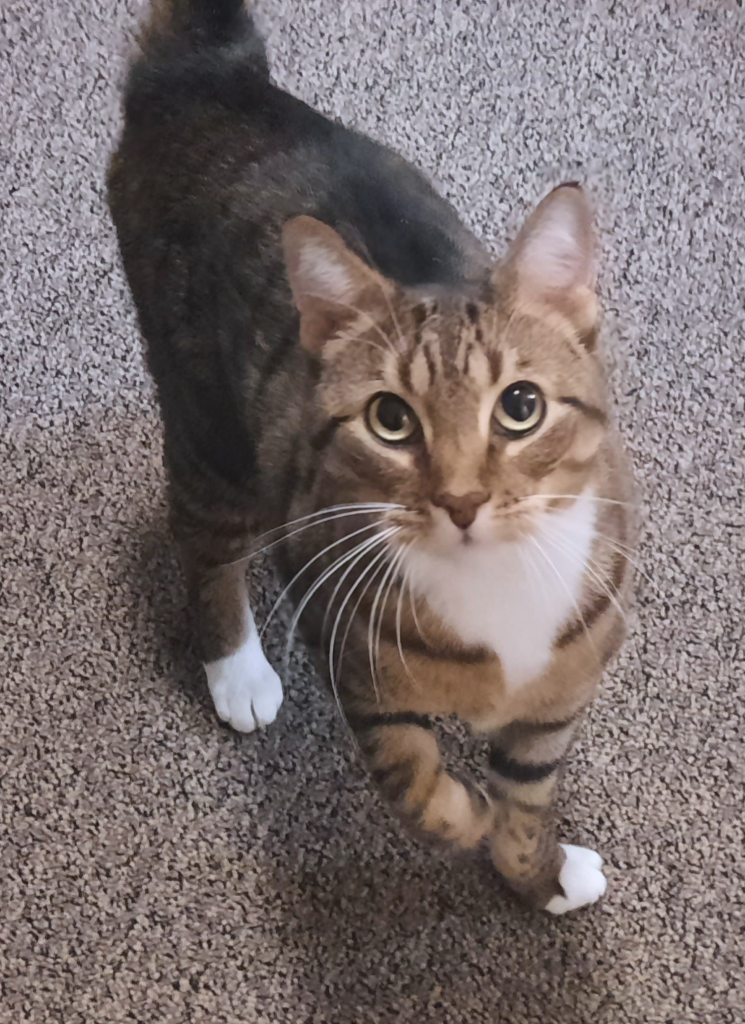 One of the hardest parts of loving senior pets is knowing that time feels more fragile. When our youngest, Everly, passed away from an infection, it reminded us how quickly health can change. Even with experience, even with vigilance, there are moments that catch us off guard.
Senior care is not just about managing conditions. It is about honoring comfort and dignity. It is about paying attention to small cues like the tone of a purr, the way they settle into their favorite blanket, or the slight hesitation before a jump.
Purring can be a gift. It can also be a whisper.
Trusting Your Instincts
You know your cat better than anyone. If something feels different, even if you cannot explain it in clinical terms, trust that instinct. Write down what you observe. Take a short video if needed to show your veterinarian. Patterns and evidence help professionals guide you more effectively.
Our goal with BellenPaws has always been to create a hub where experience meets compassion. We are not veterinarians. We are simply pet parents who have walked through hyperthyroidism, kidney disease, cancer, blindness, obesity, diabetes, and the quiet aging process itself.
We built tools like our age calculator and diabetes tracker because we believe information empowers owners. But no tool replaces attentive love. Watching how your cat purrs, when they purr, and what else is happening in that moment is part of that attentive care.
Listening Beyond the Sound
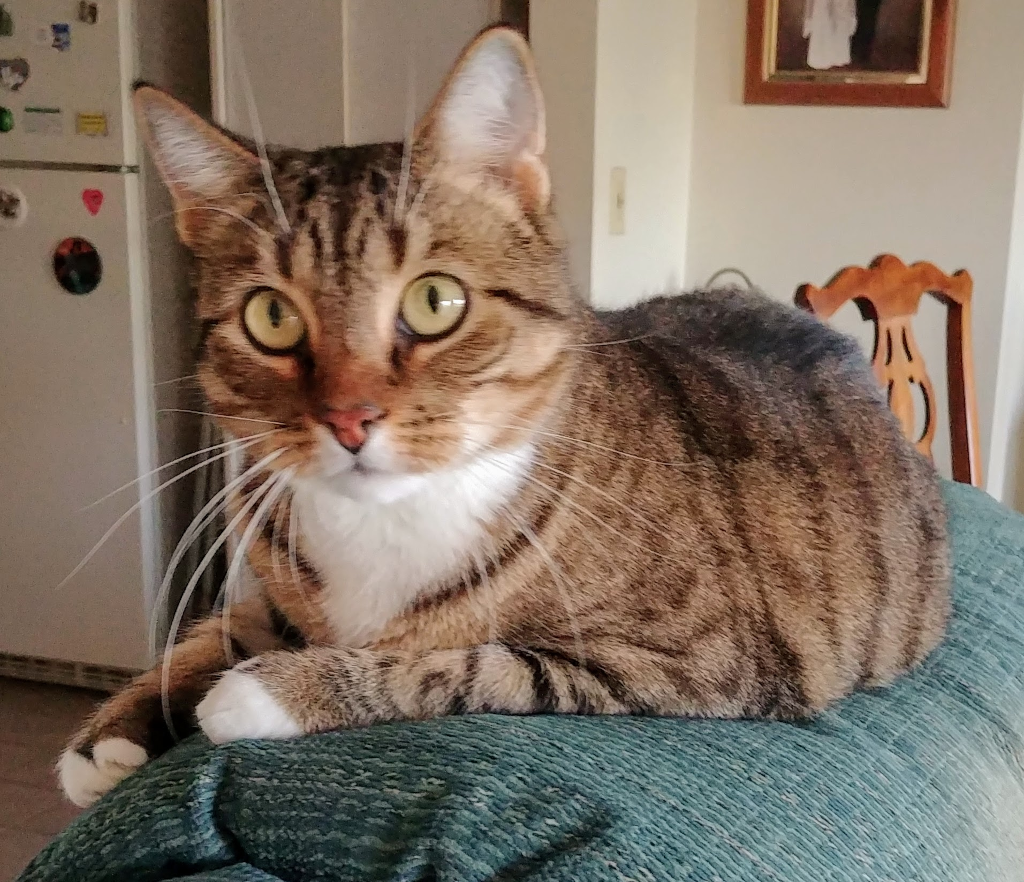 The next time your senior cat curls up beside you and begins to purr, take a moment to observe the whole picture. Notice their posture. Notice their breathing. Notice whether this is their usual routine or something new.
In most cases, that purr will still mean comfort and connection. It will still be the gentle soundtrack of companionship that has defined your years together.
But if the purr feels different, if it comes with other subtle changes, consider it information rather than reassurance. Senior cats communicate in quiet ways. Learning to hear beyond the sound can help you respond with the care they deserve.
In the end, purring is not just about happiness. It is about communication. And when we slow down enough to truly listen, we strengthen the bond that makes every stage of a cat’s life meaningful.