
If you have ever shared your home with a cat, you have probably noticed something curious about their behavior. No matter how many comfortable beds you place around the house, cats often prefer to climb somewhere higher. The top of a bookshelf, the back of the couch, the upper shelf of a cat tree, or even the refrigerator can become their favorite resting place. To many cat owners this seems amusing, sometimes frustrating, and occasionally impressive.
For cats, being up high is not just a quirky habit. It is part of their natural instincts. Even in a quiet home with plenty of food and no obvious threats, cats still carry the same instincts their ancestors used to survive. Height gives them a better view of their surroundings, a sense of security, and a comfortable place to observe everything happening below.
For younger cats this behavior is rarely a concern. They leap, climb, and land with a grace that seems almost effortless. But when a cat reaches their senior years, those same high places can begin to present risks. Understanding why cats seek height in the first place can help owners create a safer environment for aging companions who still love to perch above the world.
The Instinct to Climb
Cats are natural climbers. Their bodies are built for it. Strong hind legs allow them to jump impressive distances. Flexible spines help them twist and balance. Sharp claws allow them to grip surfaces that would challenge most animals.
In the wild, climbing offered several advantages. A higher position allowed a cat to spot prey, watch for danger, and protect themselves from larger predators. Even though domestic cats live in homes today, those instincts have not disappeared. When a cat climbs onto a tall surface in your house, they are following a pattern that has existed for thousands of years.
From a cat’s point of view, the higher position can feel safer. They can see the room, track movement, and monitor what the humans and other animals are doing. Some cats also enjoy the warmth that can gather near ceilings or on top of appliances.
For many cats, a tall resting spot becomes a favorite observation deck. They may sit there for long stretches, quietly watching the household as if they are supervising everything.
Why Height Feels Safe
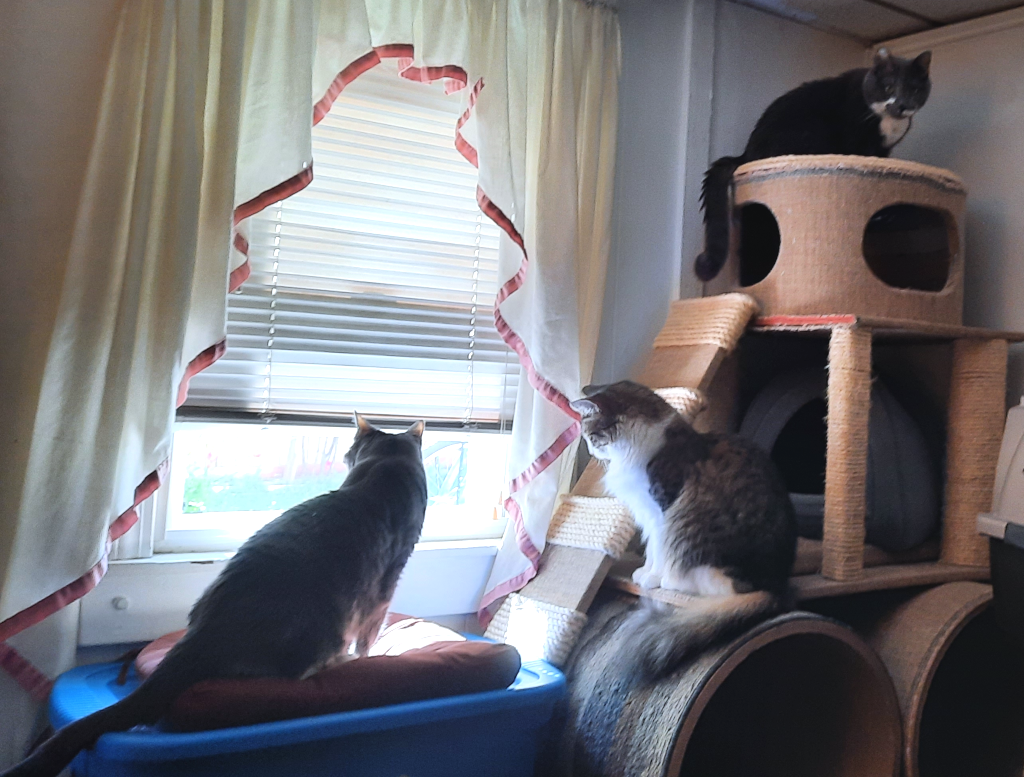 Security plays a big role in a cat’s preference for elevated spots. When they are up high, they feel less vulnerable. Other animals cannot approach them easily, and they have a clear view of potential threats.
You may notice this behavior when visitors arrive or when there is unusual activity in the home. Some cats will retreat to their favorite high perch to observe from a safe distance. It allows them to stay aware of what is happening without feeling directly involved.
This instinct does not fade just because a cat grows older. In fact, some senior cats may seek elevated places even more because they prefer quiet areas away from busy floors where people walk and other pets move around.
The Senior Cat Challenge
The problem is not the desire to climb. The challenge is that aging bodies do not always move the same way they once did.
Senior cats often develop conditions that affect mobility. Arthritis is one of the most common. Joints can become stiff and painful, which makes jumping harder. Muscle strength may decrease with age. Balance can change as well.
A cat who once jumped effortlessly onto a tall shelf might still attempt the same jump years later, even if their body cannot quite manage it anymore.
Sometimes the issue appears when they try to jump down. A younger cat can land smoothly and absorb the impact. A senior cat with sore joints may struggle with that landing. The result could be a hard impact, a slip, or even a fall.
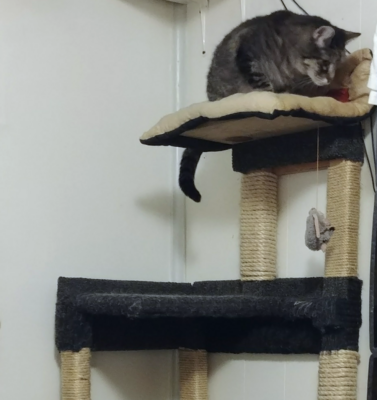
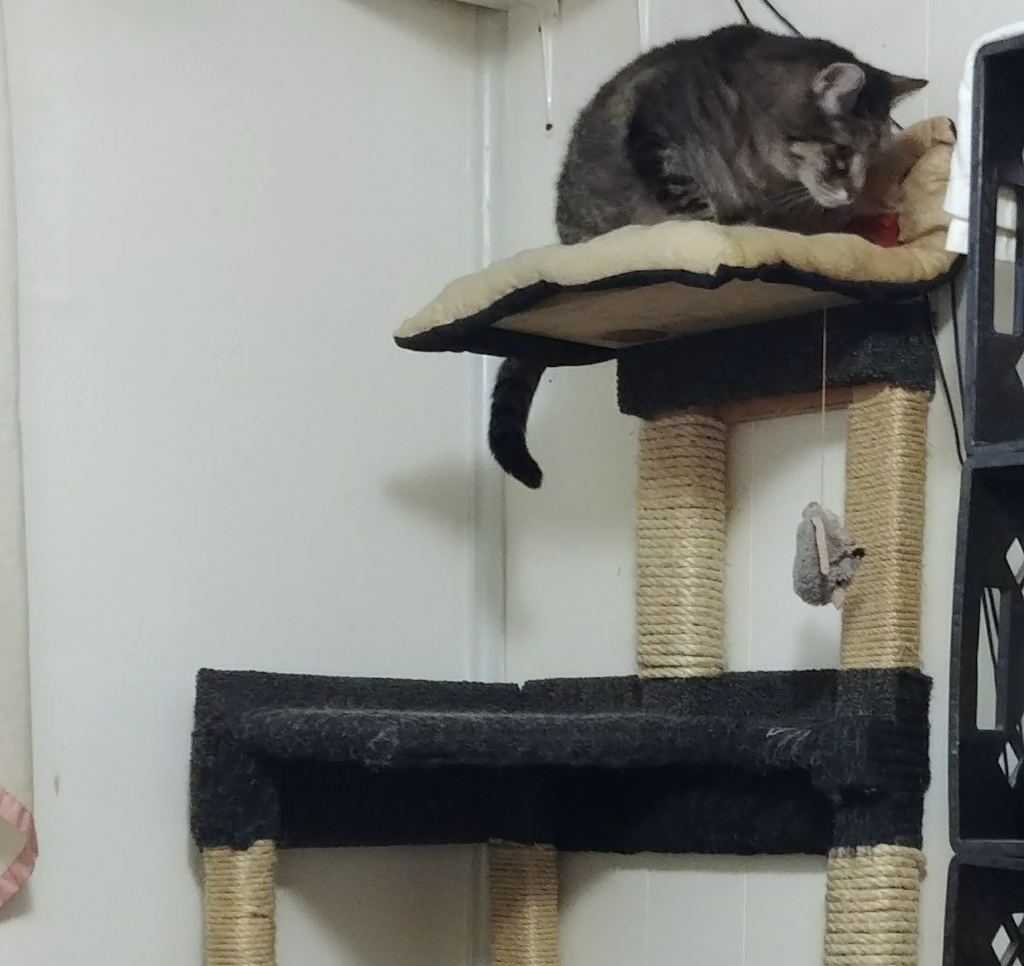
We once had a cat named Rascal who loved the top of a tall cat tree in our living room. For years he climbed it like it was nothing. As he got older, we began to notice he hesitated before jumping down. That hesitation was a small signal that his body was changing, even though his desire to climb had not.
Reading the Signs
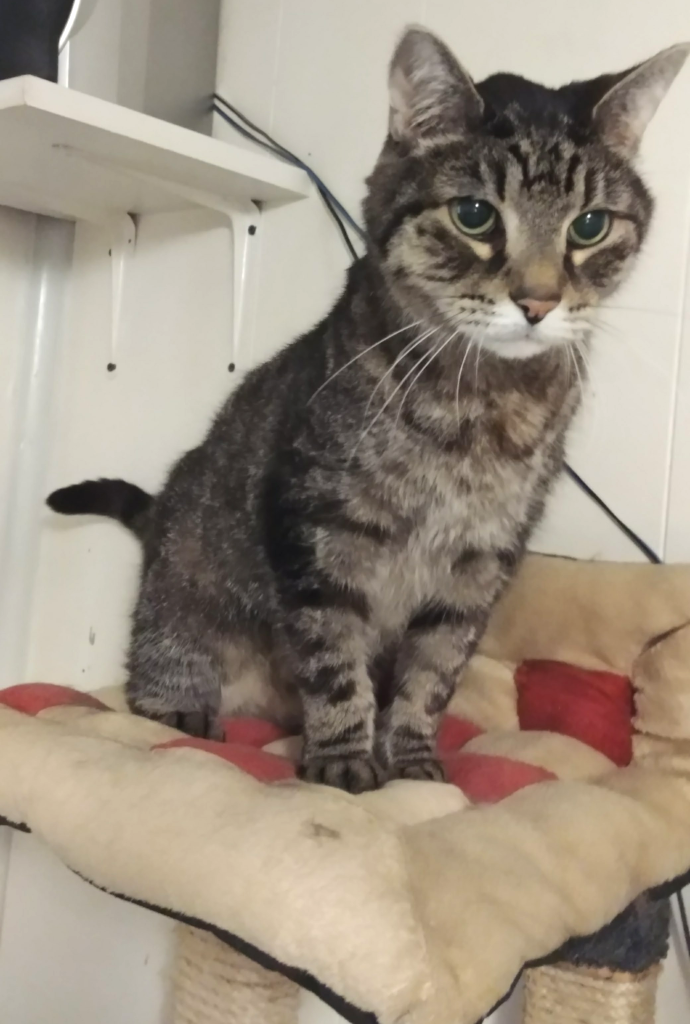 Cats are very good at hiding discomfort. Because of this, owners often need to look for subtle clues.
A senior cat that still climbs may begin to show small changes in behavior. They might take longer to prepare for a jump. They may choose slightly lower spots than before. Sometimes they will climb up but hesitate before coming down.
You may also notice your cat using furniture in stages instead of jumping directly to a high place. For example, they may jump to a chair, then to a table, and finally to the top of a shelf. This can be their way of adapting to aging joints.
These changes are not always negative. They are often the cat’s way of adjusting to their physical limits. The goal for owners is not to stop natural behavior but to support it safely.
Creating Safer High Spaces
Many cat owners assume the solution is simply to prevent climbing. In reality, that can be difficult and sometimes stressful for the cat. Instead, it is often better to make climbing safer and easier. Cat trees with multiple levels can help senior cats move upward gradually instead of making one large leap. Platforms spaced closer together allow them to climb rather than jump.
Ramps or pet stairs can also be helpful in some situations. They allow a cat to reach favorite resting places without the strain of jumping. Some cats adapt to these quickly, especially if they lead to a spot the cat already loves. Soft landing zones are another helpful idea. Placing a rug, carpet, or padded surface near a cat tree can cushion a landing if a cat jumps down.
Watching the Descent
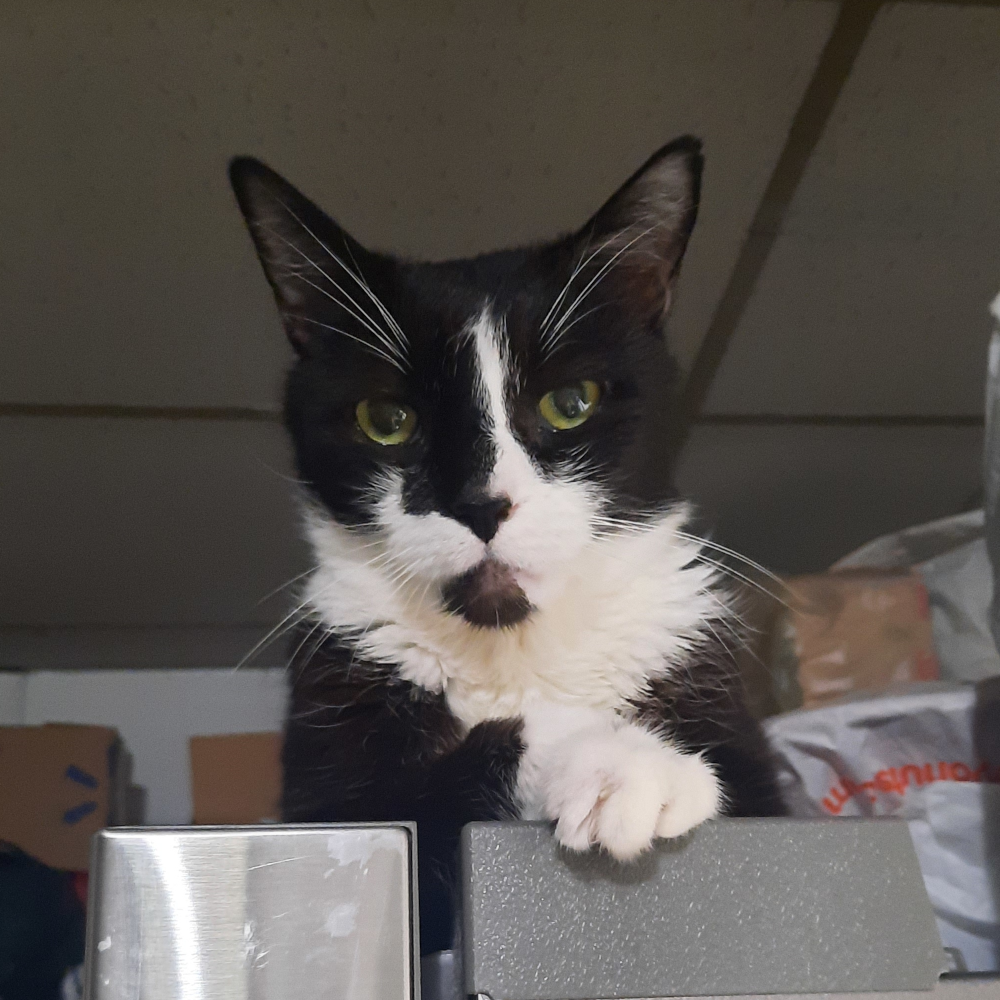 One of the most overlooked risks for senior cats is the trip downward. Climbing up may take effort, but climbing down often involves a jump. Owners sometimes focus on how a cat reaches the top but forget to consider how they return to the floor.
A helpful strategy is to place intermediate surfaces nearby. A chair, ottoman, or lower platform can give the cat a stepping point. Instead of one big jump, they can move down in stages. This simple adjustment can make a surprising difference for aging joints.
Household Hazards
High places can also come with unexpected hazards. Shelves that hold fragile items may not be safe if a cat uses them as a walkway. Narrow ledges can become slippery, especially if dust builds up.
Senior cats may also have vision changes. Some develop partial blindness or reduced depth perception. A landing that once felt easy may become harder to judge. If your cat loves a certain high area, it may be worth checking that the surface is stable and wide enough for them to rest comfortably.
The Emotional Side of Perching
Beyond physical safety, high places often have emotional value for cats. A perch near a window allows them to watch birds and outdoor activity. A shelf near the living room may let them stay close to the family while still feeling secure.
These spots become part of their daily routine. For many cats, the ability to reach a favorite perch contributes to their sense of comfort. Senior pets benefit from maintaining familiar habits whenever possible. If climbing to a favorite location can be done safely, it often helps them feel more relaxed and confident in their environment.
Helping Aging Cats Adapt
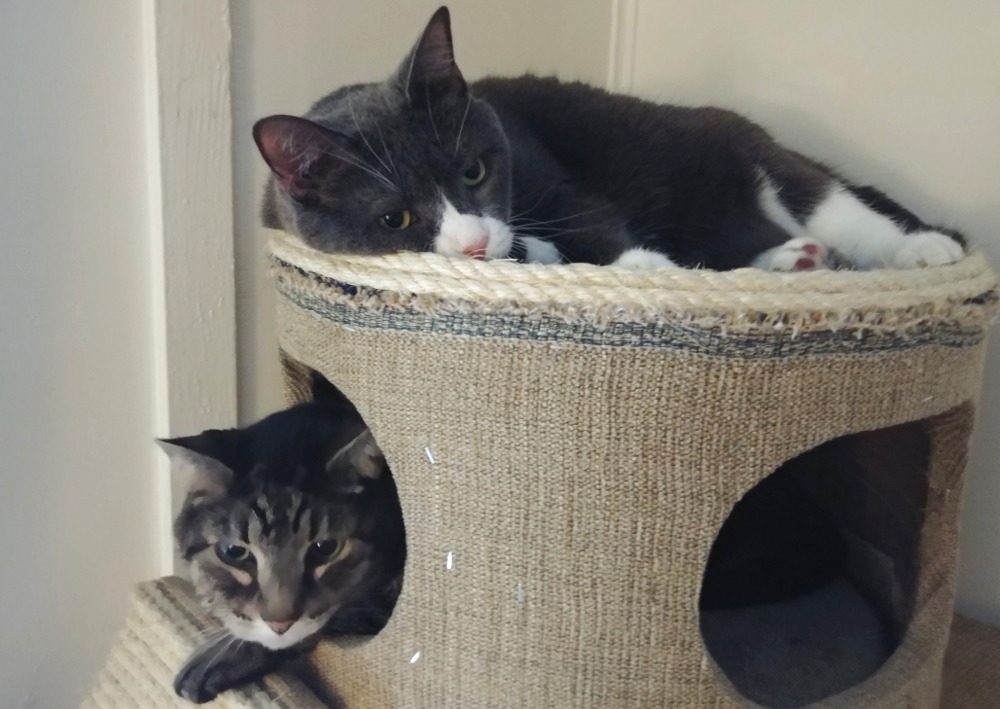 As cats age, they naturally adjust their behavior. Owners can help by making small changes that support those adjustments. Lower cat trees or wider platforms can make a big difference. Soft bedding on favorite surfaces can help aching joints. Gentle encouragement toward safer paths can guide them without forcing sudden changes.
Some owners even rearrange furniture slightly so that their cat has a series of stepping points to reach favorite areas. These changes do not need to be dramatic. Often a few thoughtful adjustments create a much safer environment.
When Medical Issues Are Involved
If a cat suddenly stops climbing or begins falling from heights, it may be worth discussing the change with a veterinarian. Conditions such as arthritis, thyroid problems, nerve issues, or vision loss can affect balance and coordination. Many of these issues can be managed with treatment or lifestyle adjustments.
Even small improvements in comfort can help an aging cat move more confidently.
Balancing Safety and Natural Behavior
Cats have a strong sense of independence. Part of caring for them is recognizing that certain instincts will always remain. Climbing is one of those instincts. It is tied to curiosity, comfort, and security.
For senior cats, the goal is not to eliminate that behavior but to guide it in safer ways. Providing stable climbing options, reducing risky jumps, and observing subtle changes in mobility can help prevent injuries while allowing cats to continue enjoying their favorite habits.
Growing Older Together
Sharing life with a senior pet teaches patience and awareness. You begin to notice the small changes in movement, the new routines, and the quiet signals that your pet is adapting to age. Our own cats over the years have each had their favorite high places. Some preferred cat trees. Others claimed the back of a couch or a sunny windowsill. Even as they aged, many of them still wanted to climb and watch the world from above.
Helping them do that safely became part of caring for them. Senior cats may move a little slower than they once did, but their curiosity and personality remain the same. With a little thought and a few adjustments around the home, those beloved high places can remain part of their lives for many comfortable years.